
Nanaimo bars look settled on the surface: crumb base, custard filling, chocolate top. In practice, that tidy formula starts arguments fast, because every layer invites a different idea of what the ideal square should be.
The classic three layer bar
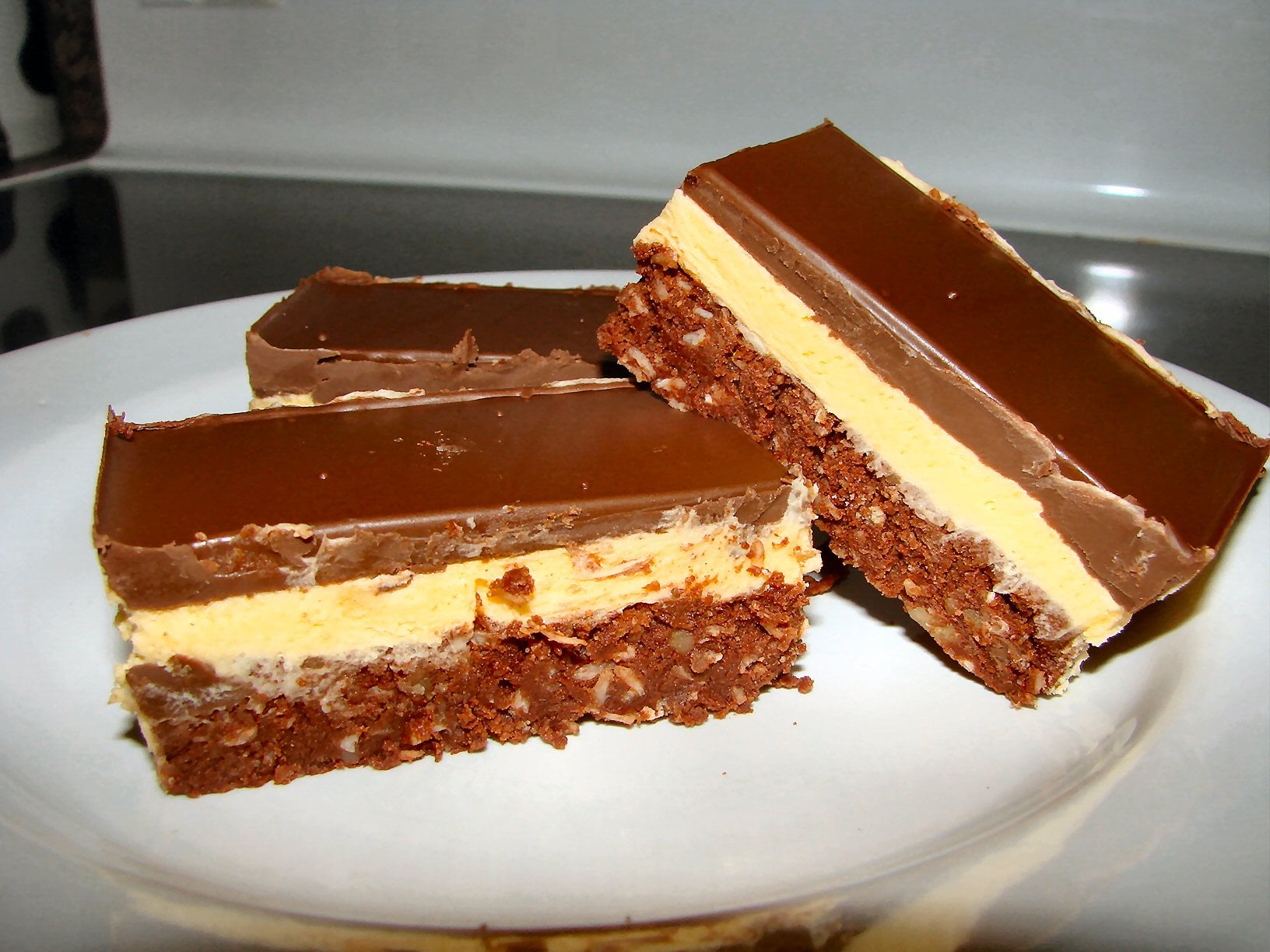
Purists usually start here, with the version promoted by the City of Nanaimo as the standard bearer for the dessert that carries its name. The familiar formula is a bottom layer made with graham cracker crumbs, cocoa, coconut, walnuts and egg, a middle layer flavored with custard powder, and a top layer of melted semisweet chocolate and butter.
That middle matters more than it seems. Custard powder, often Bird's Custard Powder in home kitchens, gives the filling its pale yellow color and its distinct flavor. Leave it out, and many Canadians will say the square may still be good, but it is no longer truly a Nanaimo bar. For people in this camp, balance is everything: a chewy base, a soft center, and a chocolate cap that slices without shattering.
The extra thick custard camp
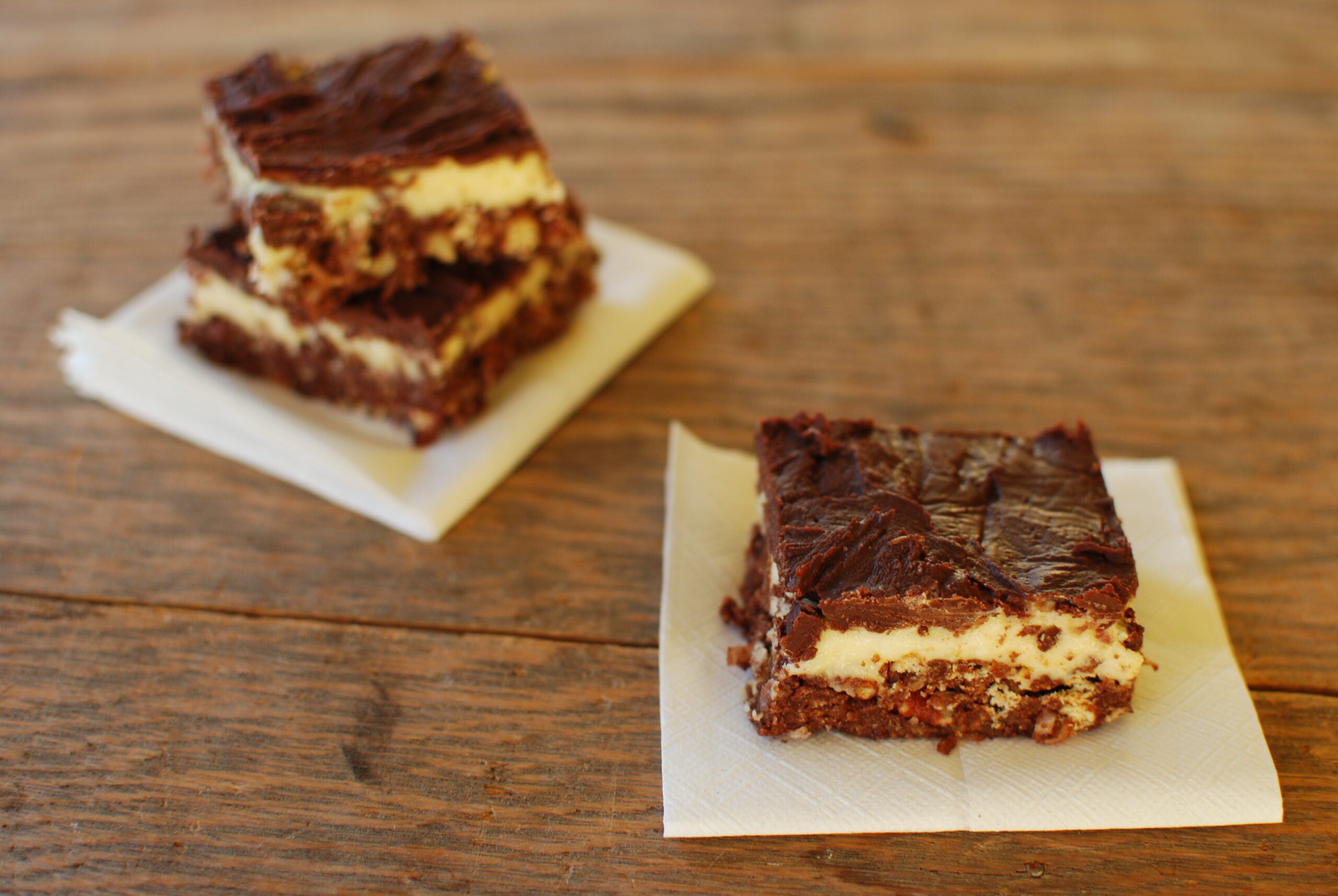
Some bakers treat the middle layer as the whole point of the dessert. Their preferred Nanaimo bar keeps the base and topping relatively restrained so the custard filling can take over, creating a softer, creamier bite that feels closer to frosting than to a firm set square.
This version often shows up at bakeries and holiday trays because it reads as rich at first glance. The risk is structural. If the center gets too warm or too thick, it can slide when cut, making neat squares difficult. Fans do not mind. For them, the ideal bar is less about perfect geometry and more about that buttery vanilla custard note lingering longer than the chocolate.
The dark chocolate top
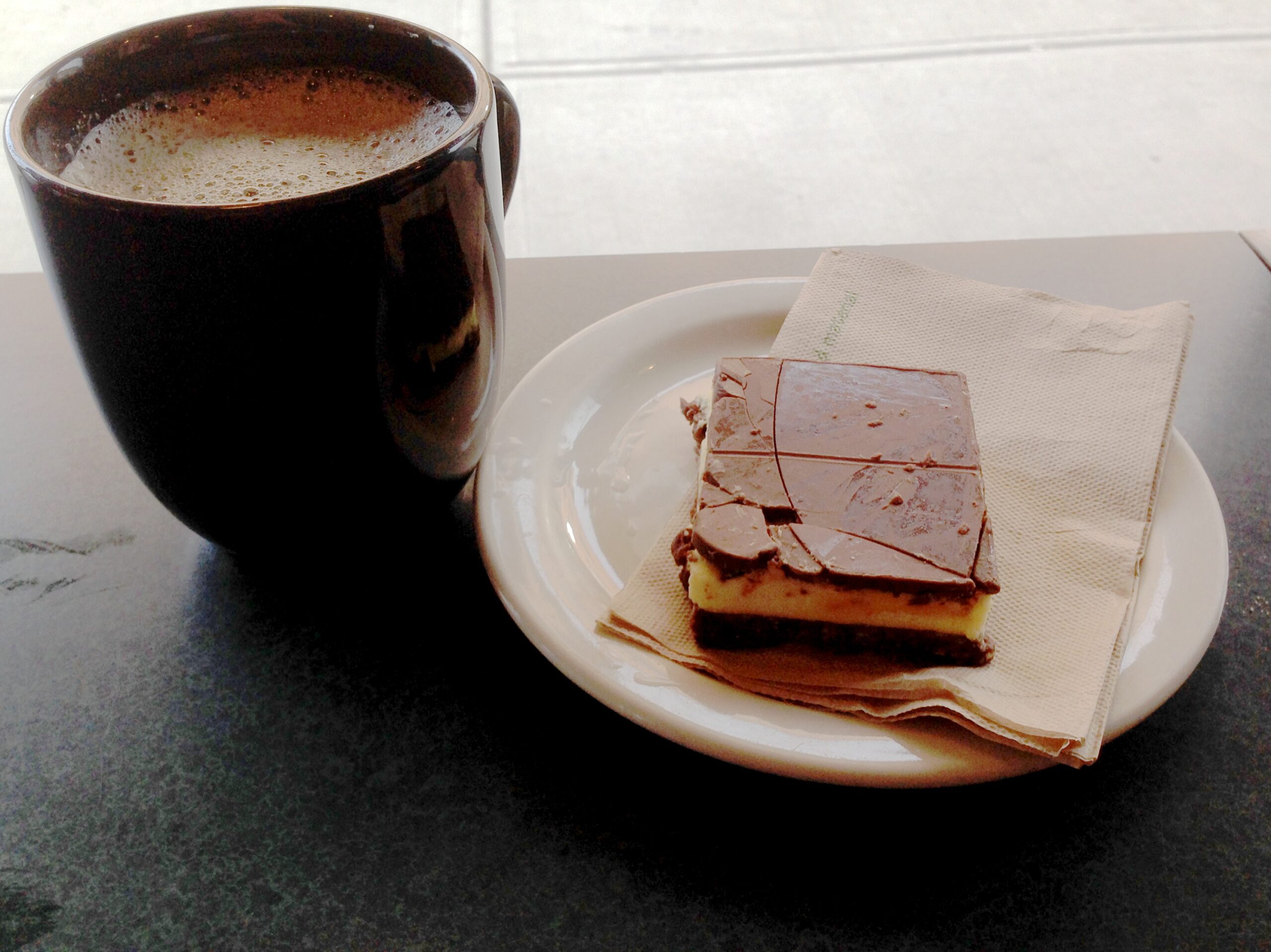
Chocolate is where many family recipes split into factions. The City of Nanaimo's published recipe calls for semisweet chocolate in the top layer, but plenty of bakers move darker to tame the bar's sweetness and create a sharper contrast with the sugary filling.
A dark chocolate finish can also change the texture. With a higher cocoa content, the top tends to set firmer and taste less creamy, which some people prefer because it gives the dessert a cleaner finish. Others find it too severe for a treat that is supposed to be lush and nostalgic. The divide says a lot about the bar itself: it sits right on the line between candy square and classic dessert.
The peanut butter spin
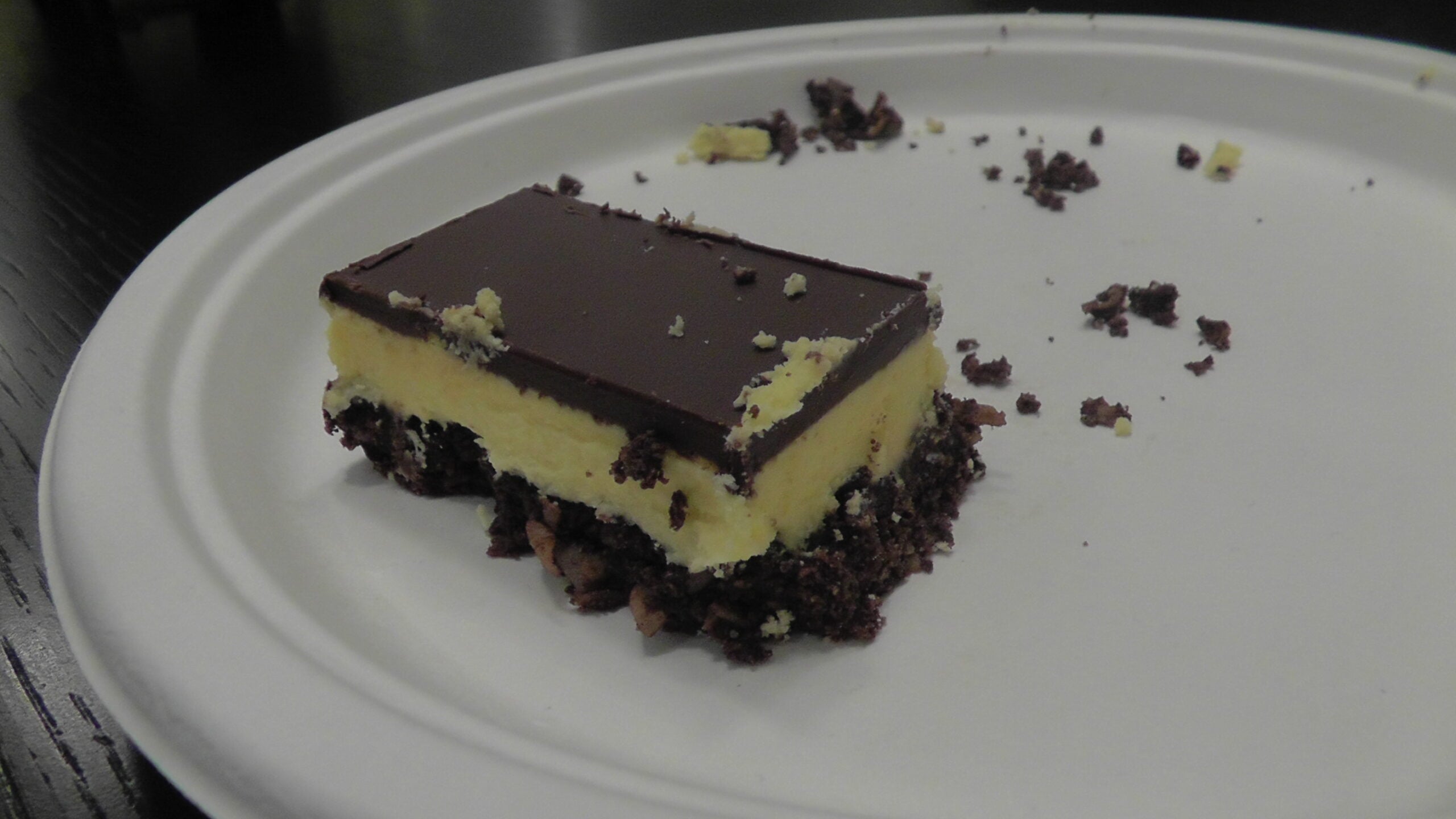
Peanut butter versions are common enough that many Canadians have grown up thinking they are nearly standard. Usually the peanut butter is worked into the filling or base, adding salt and roasted nut flavor to a recipe that can otherwise lean heavily sweet.
This adaptation is easy to understand once you taste it. Peanut butter softens the custard note and makes the square feel more familiar to people who love chocolate peanut butter cups. Still, traditionalists push back because peanut butter changes the identity of the bar more than a chocolate swap does. It turns a regionally rooted recipe into something broader, almost North American in style rather than distinctly Nanaimo.
The mint chocolate contender
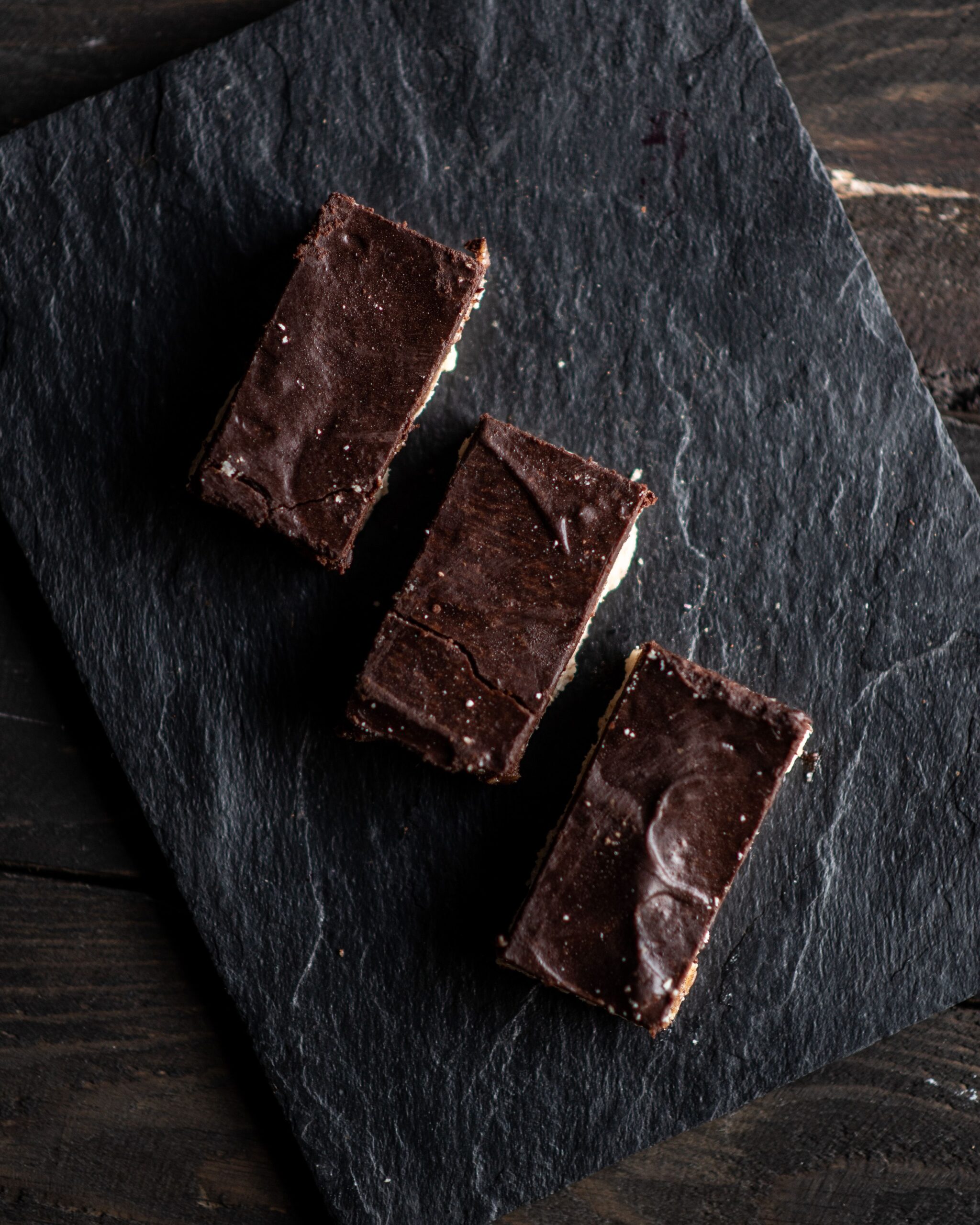
Mint chocolate Nanaimo bars have become a recurring holiday variation, especially on dessert trays where visual contrast matters. A green tinted middle layer signals the flavor immediately and sets the square apart from the standard yellow custard version.
The appeal is partly seasonal, but not only seasonal. Mint cuts through richness, which helps on a dessert table crowded with fudge, shortbread and butter tarts. At the same time, mint is one of those flavors people tend to love or reject completely. That makes this version a reliable argument starter. Supporters call it fresher and lighter tasting. Critics say it steps too far away from the original bar's mellow custard profile.
The no coconut, no nuts compromise
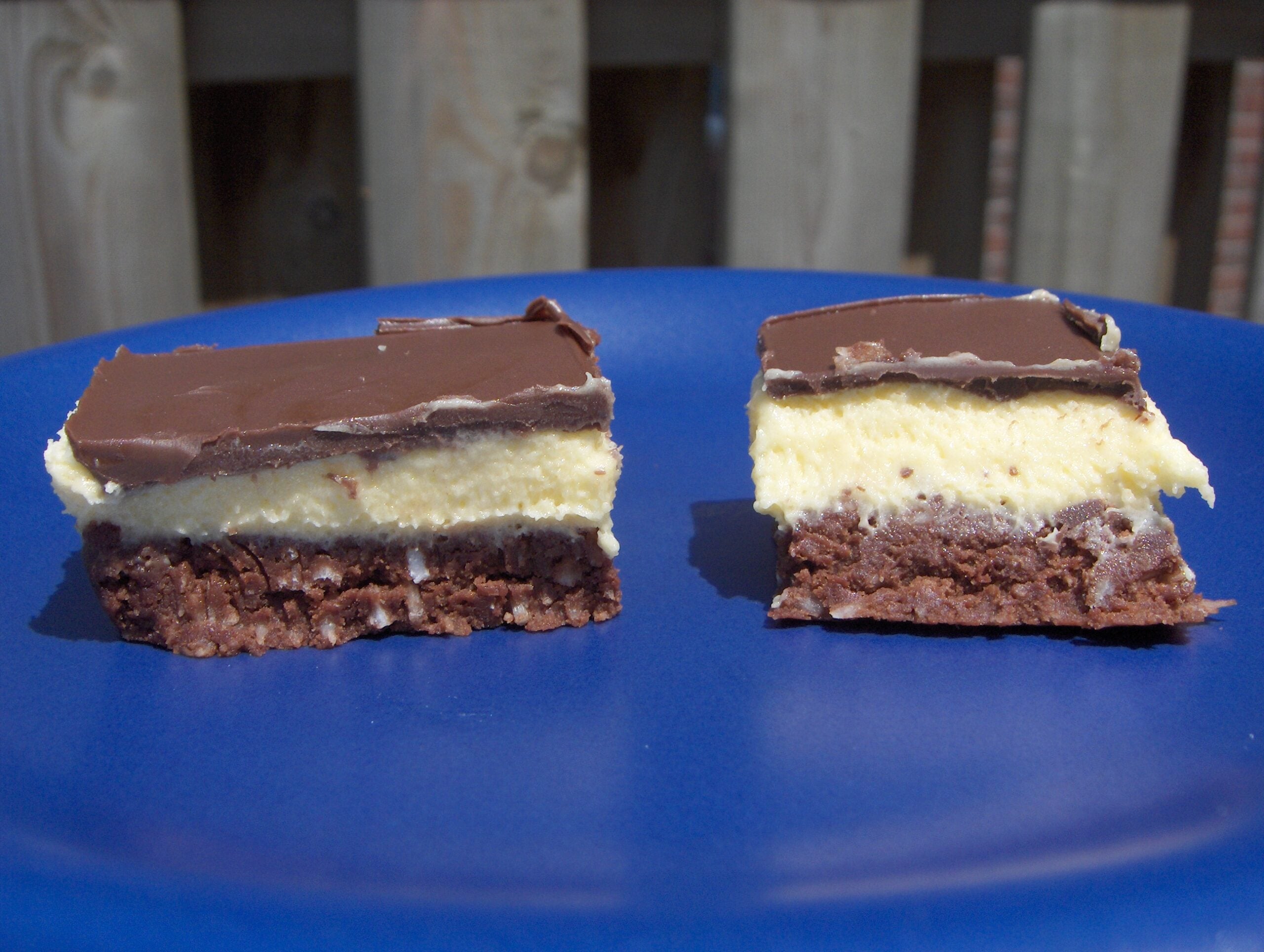
A quiet but important version leaves out coconut, walnuts, or both. Sometimes that is about preference, and sometimes it is about allergies or texture aversions. The result is often a smoother, more uniform base that still carries cocoa and graham flavor but loses some of the rough chew of the classic.
This compromise version explains why Nanaimo bars endure. The dessert is recognizable even when families edit the details to suit their table. That flexibility keeps the bar in circulation far beyond British Columbia, where it began. Ask Canadians what the best Nanaimo bar looks like, and the answer often reveals something personal: the one they grew up with, the one their aunt made, or the one whose layers tasted most in balance to them.



Leave a Reply