
A quiet but important shift is happening in Canadian kitchens. More households are now putting a larger share of their food budget toward takeout and restaurant meals than groceries, and experts say that trend carries real financial and health risks.
A historic change in how Canadians buy food
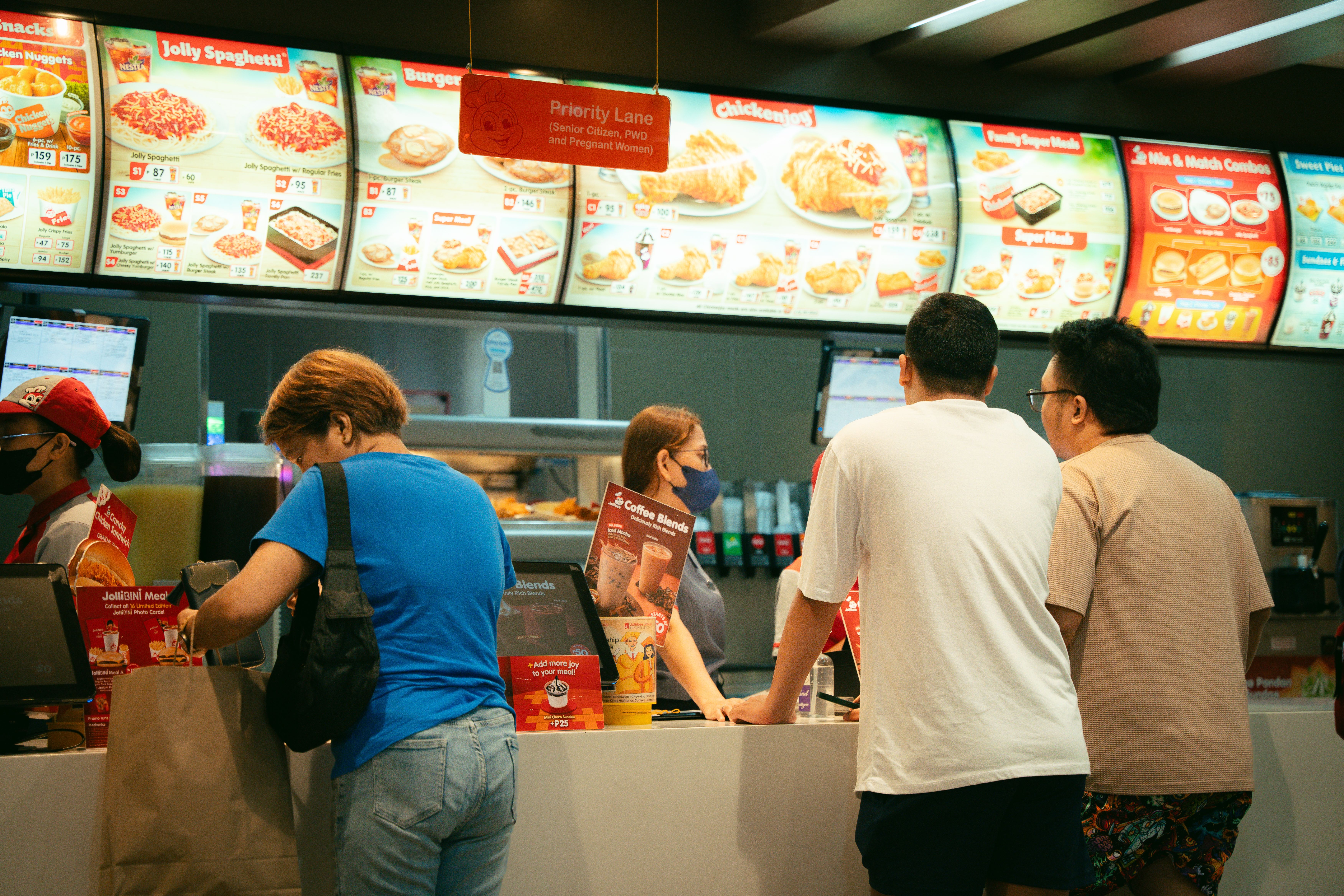
This is not just a passing habit. It marks a major change in household spending patterns across the country.
Recent data from Statistics Canada show that spending on food purchased from restaurants, including takeout and delivery, has overtaken spending on food bought from grocery stores for the first time on record. That reversal would have seemed unlikely a decade ago, when eating at home was still clearly the cheaper and more routine option for most families.
Economists say the shift reflects a mix of inflation, lifestyle pressure, and the normalization of app-based delivery. During the pandemic, Canadians became used to ordering meals with a few taps. Even after lockdowns ended, the convenience remained, and many households never fully returned to pre-pandemic grocery habits.
Why takeout suddenly feels like the easier option

Convenience has become one of the strongest forces in food spending. For many workers, especially those balancing commuting, childcare, and long hours, takeout now feels less like a treat and more like a coping tool.
Food delivery platforms have made restaurant meals frictionless. A consumer no longer needs to leave home, call in an order, or even carry cash. Experts in consumer behavior say that when buying becomes nearly effortless, people are more likely to spend impulsively and more often than they realize.
There is also a psychological factor. Grocery prices have climbed sharply, and many shoppers report "sticker shock" at the checkout. When a cart of basic items seems expensive anyway, a prepared meal can start to feel relatively reasonable, even if it usually costs more per serving.
Inflation is distorting the math for households
At first glance, spending more on takeout than groceries sounds irrational. In reality, many households are reacting to a food economy that feels increasingly hard to control.
Grocery inflation in Canada has been especially painful in staples such as meat, dairy, produce, and packaged basics. When consumers see smaller portions, higher prices, and less confidence that groceries will stretch through the week, they often begin mixing more prepared meals into their routine. Over time, that can turn into a default behavior.
Experts warn that the comparison is not always simple. Some grocery bills are reduced because people are shopping more often and buying less at a time, while restaurant spending appears in cleaner, more visible transactions. But even with those nuances, the broader trend points to a genuine shift in spending priorities.
Why health experts are paying close attention

The concern is not only financial. Nutrition specialists say a sustained move toward takeout can reshape diets in ways that are easy to miss at first.
Restaurant and fast-food meals tend to be higher in sodium, saturated fat, and calories than meals prepared at home. Portion sizes are often larger, and consumers have less control over ingredients. Over weeks and months, that can contribute to weight gain, higher blood pressure, and poorer overall diet quality, according to public health researchers.
Families with children may be especially vulnerable. When busy evenings are routinely solved with delivery, home cooking skills can weaken over time, and children may grow up seeing restaurant food as the norm rather than the exception. Experts say that can influence habits for years.
The financial strain goes beyond the dinner bill
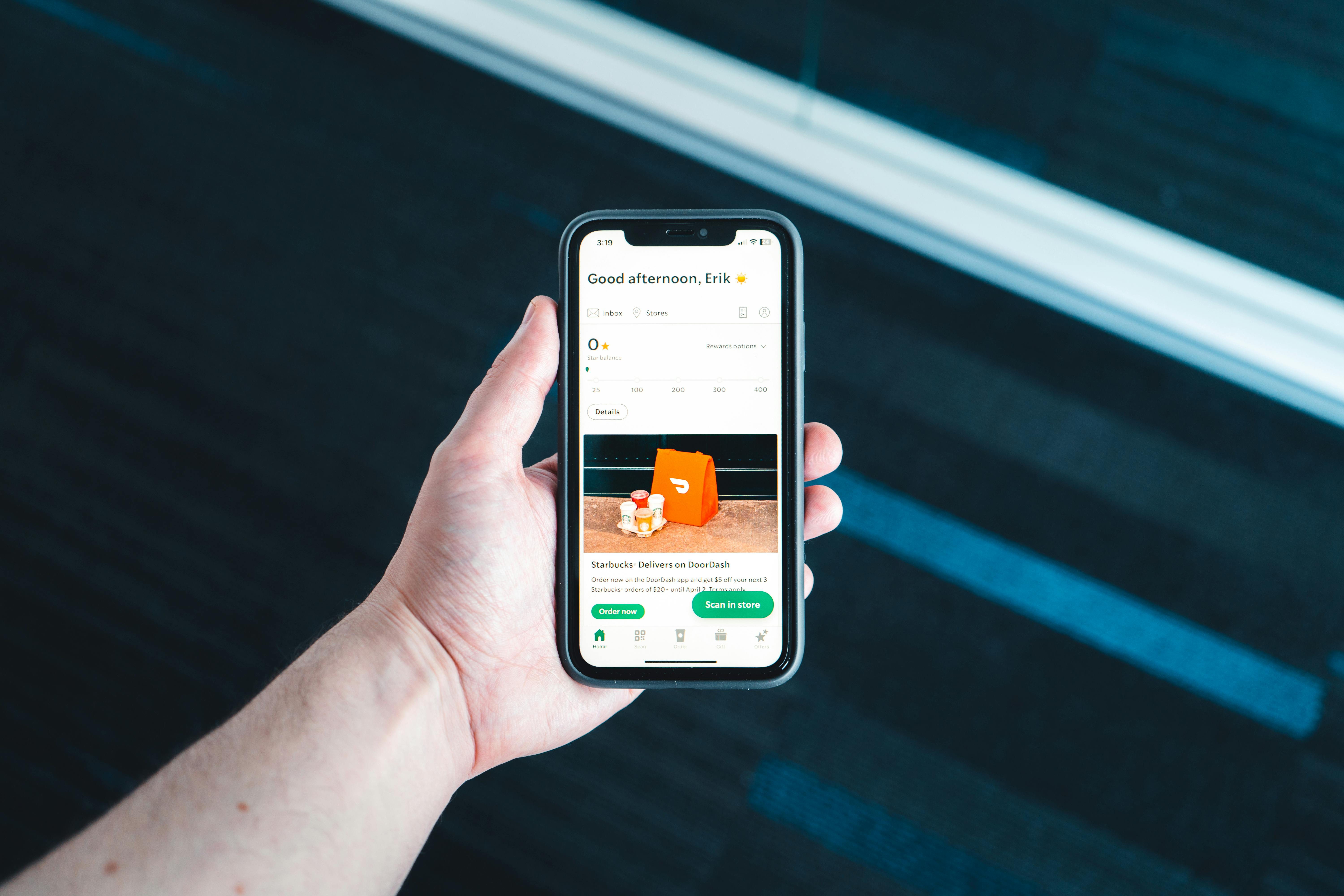
What looks like a small indulgence can quietly become a budget problem. A few extra delivery orders each week often bring hidden costs that add up quickly.
Menu prices on delivery apps are frequently higher than in-store prices. Then come service charges, delivery fees, and tips. A meal that might cost $18 at pickup can easily reach $28 or more by the time it arrives, which makes repeated ordering far more expensive than many people estimate.
Financial planners say this matters because food is one of the most frequent household expenses. Unlike a major one-time purchase, repeated overspending on meals can slowly erode savings, increase credit card balances, and leave less room for rent, transportation, or emergency costs. That is why experts are treating this trend as more than a lifestyle story.
What Canadians can do as this trend grows
There is no single fix, because the pressures behind this shift are real. Time is scarce, groceries are expensive, and many people are simply trying to make daily life manageable.
Still, experts say modest changes can make a difference. Planning 2-3 simple meals each week, using prepared grocery items strategically, and limiting delivery to specific days can reduce costs without demanding a complete lifestyle overhaul. Even replacing one takeout meal with a home-cooked dinner each week can produce meaningful savings over a month.
Researchers say the larger issue will not disappear unless food affordability improves and households feel less squeezed. Until then, Canada's takeout boom may continue, but the concerns around debt, nutrition, and long-term habits are likely to grow with it.



Leave a Reply