
Canada's food spending habits are changing quickly. Grocery apps, delivery platforms and plant based products are gaining ground, but higher prices and food waste show how complicated the modern food bill has become.
Online grocery carts

Online grocery sales in Canada reached $8 billion in 2023, according to Worldmetrics. That figure helps explain why food shopping now often starts on a phone screen instead of in a supermarket aisle.
The shift is not just about technology. Online ordering can make comparing prices easier, but it can also encourage impulse spending on convenience items, bundled promotions and delivery add-ons.
For a photo, think of a shopper filling a digital cart or a row of grocery pickup lockers. The image captures a wider change in how Canadians balance speed, planning and budget pressure in everyday food buying.
The plant based aisle
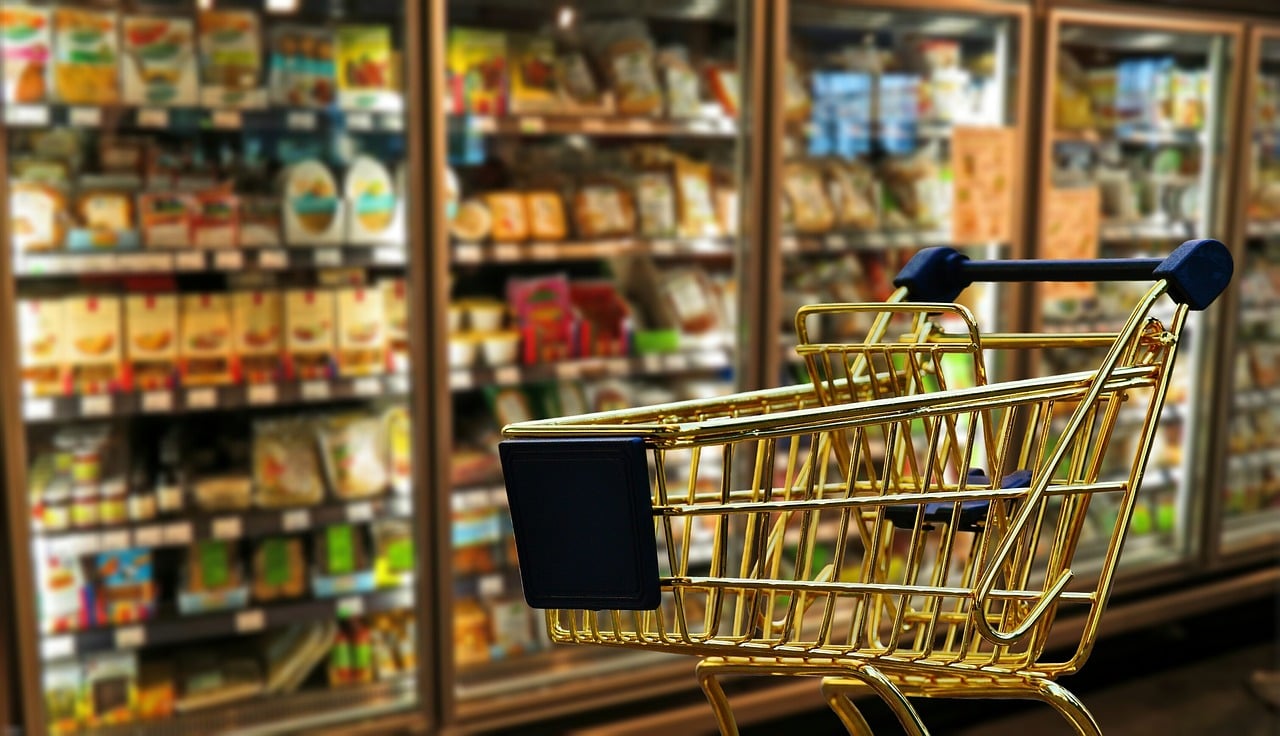
In 2023, 70% of Canadian consumers reported purchasing more plant based foods than in 2021. Worldmetrics says that growth was driven by environmental and health concerns, showing that this is not a fringe trend anymore.
Plant based spending can cover many kinds of products, from meat alternatives to dairy free basics and prepared meals. That matters because many of the fastest growing items are built for convenience as much as nutrition.
A photo of refrigerated meat alternatives, oat milk or a freezer case of plant based entrees would fit this slide well. It shows how these products have moved from specialty shelves into mainstream grocery shopping.
The higher household food bill

The average Canadian household spent $12,000 on food in 2022, and Worldmetrics reports that households spent $1,000 more on food in 2023 than in 2021. Inflation and supply chain issues were cited as the main reasons.
That increase lands at a time when people are also paying for convenience. Ready to eat meals, delivery fees and fast pickup options can save time, but they also add to the total bill.
A useful image here would be a grocery receipt beside bags of staples. It turns an abstract inflation story into something familiar: the visible cost of feeding a household now compared with just a few years ago.
Takeaway and delivery meals
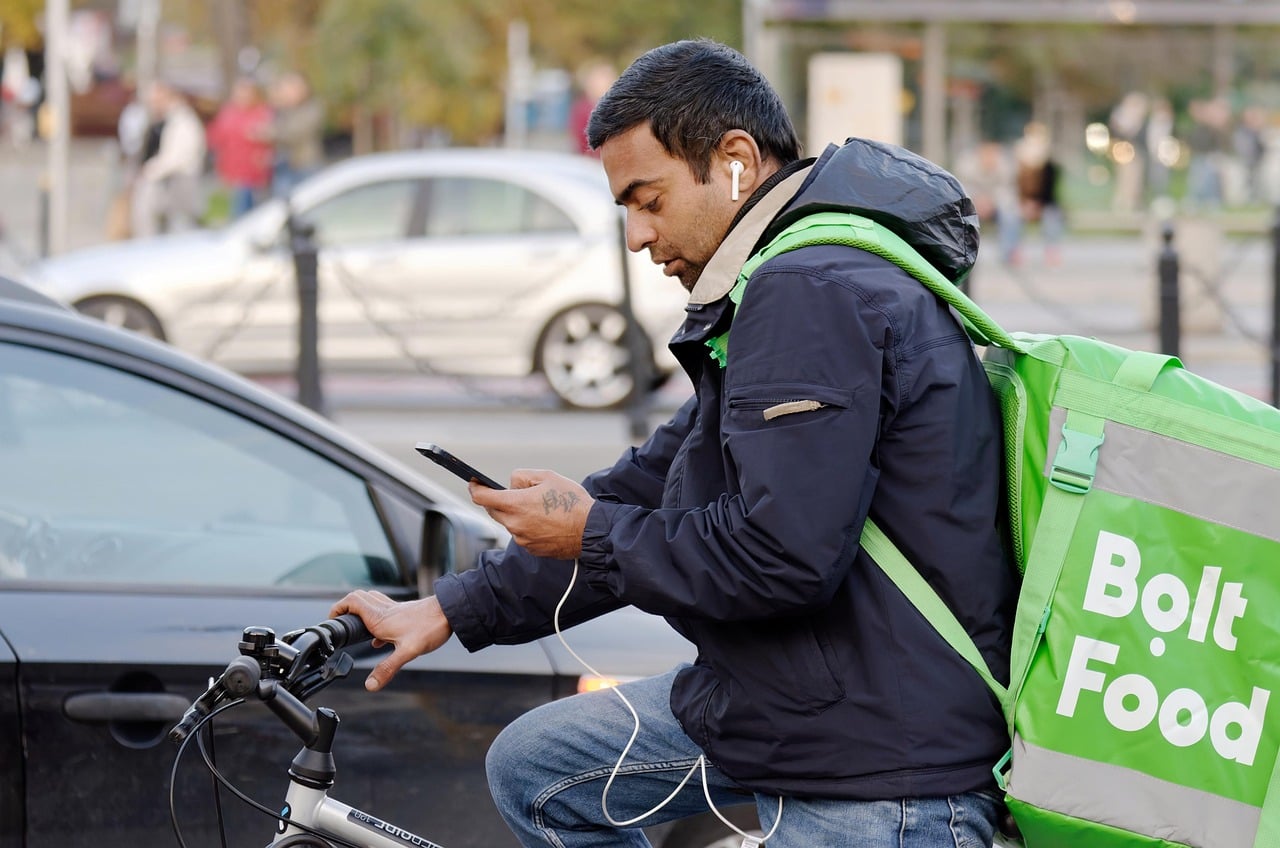
Takeaway and delivery food sales in Canada reached $25 billion in 2023, a 30% increase from 2022. Worldmetrics also says Uber Eats and SkipTheDishes accounted for 60% of those sales.
This is one of the clearest signs that convenience is reshaping food spending. For many households, restaurant food is no longer just an occasional treat, but part of the weekly routine.
An image of a courier carrying takeout bags or a doorstep delivery works because it represents both ease and expense. The convenience economy is thriving, even while consumers say they are worried about rising food costs.
Organic and convenience choices

Organic food sales in Canada reached $12 billion in 2023, up 12% from 2022. Worldmetrics notes that millennials made up 45% of organic buyers, linking food values to a younger group with strong influence on shopping trends.
Organic and plant based products often overlap in the same basket, especially in prepared foods, snacks and refrigerated meals. That combination shows how many shoppers are trying to align ethics, health and ease in a single purchase.
A strong image would show a refrigerated case with organic labels or a shopper choosing packaged organic meals. It highlights how premium choices remain attractive even when food budgets are under strain.
The food waste problem at home

Canadian households wasted about 50 kilograms of food per person in 2022, and 30% of that was edible but discarded. That may be the most sobering number in the whole picture.
Waste undercuts efforts to save money, shop thoughtfully and reduce environmental impact. It also shows the downside of buying for convenience, since prepared foods, produce and leftovers can all be lost when plans change.
A photo of leftovers in a refrigerator or food scraps in a kitchen compost bin would bring the issue into focus. As Canadians spend more on food, what gets thrown away matters just as much as what gets bought.



Leave a Reply