
The change is subtle, but it is happening across Canada. More people are walking past restaurant patios and heading straight to the prepared food counter at their local grocery store.
Why the shift is gaining speed
Sticker shock is the clearest driver. Restaurant prices in Canada have climbed sharply over the past few years, pushed up by higher wages, rent, utilities, and ingredient costs. For many households, a basic lunch or casual dinner now feels like a small luxury rather than an easy default.
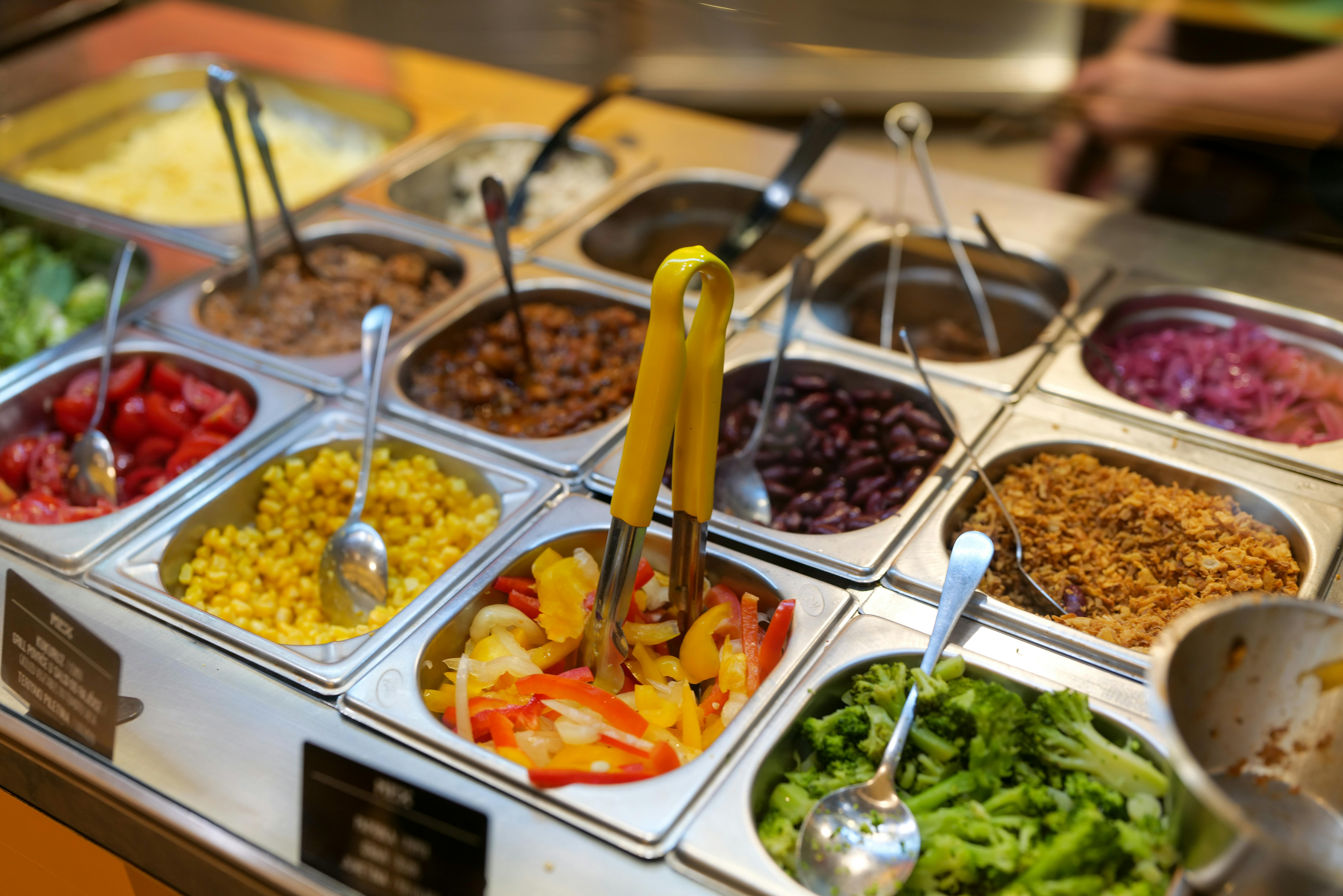
Grocery store hot bars offer a middle ground between cooking and dining out. Shoppers can buy a warm meal without paying for table service, tipping, or beverage markups. A container of roast chicken, rice, vegetables, soup, or pasta often lands well below the cost of a restaurant plate.
This matters especially for office workers, students, seniors, and parents managing tight weekly budgets. In cities such as Toronto, Vancouver, and Calgary, a quick restaurant lunch can easily stretch past $20. A grocery hot bar meal, while not always cheap, often keeps the total closer to what people feel is reasonable.
Convenience is doing as much work as price

The appeal is not only financial. Grocery stores have become skilled at serving people who want dinner solved in minutes, particularly after work when energy is low and time is short. Walking in for milk and leaving with a full hot meal fits the rhythm of modern life.
Unlike traditional takeout, prepared food counters let customers mix exactly what they want. Someone can grab a few chicken strips, a scoop of salad, some roasted potatoes, and a container of soup without committing to one full menu item. That flexibility feels practical and less wasteful.
For families, the convenience is even stronger. Parents can patch together different meals for different preferences in one stop, which is harder to do at many restaurants without overspending. Grocery chains have noticed this and expanded ready-to-eat sections accordingly.
Grocery stores are acting more like food halls
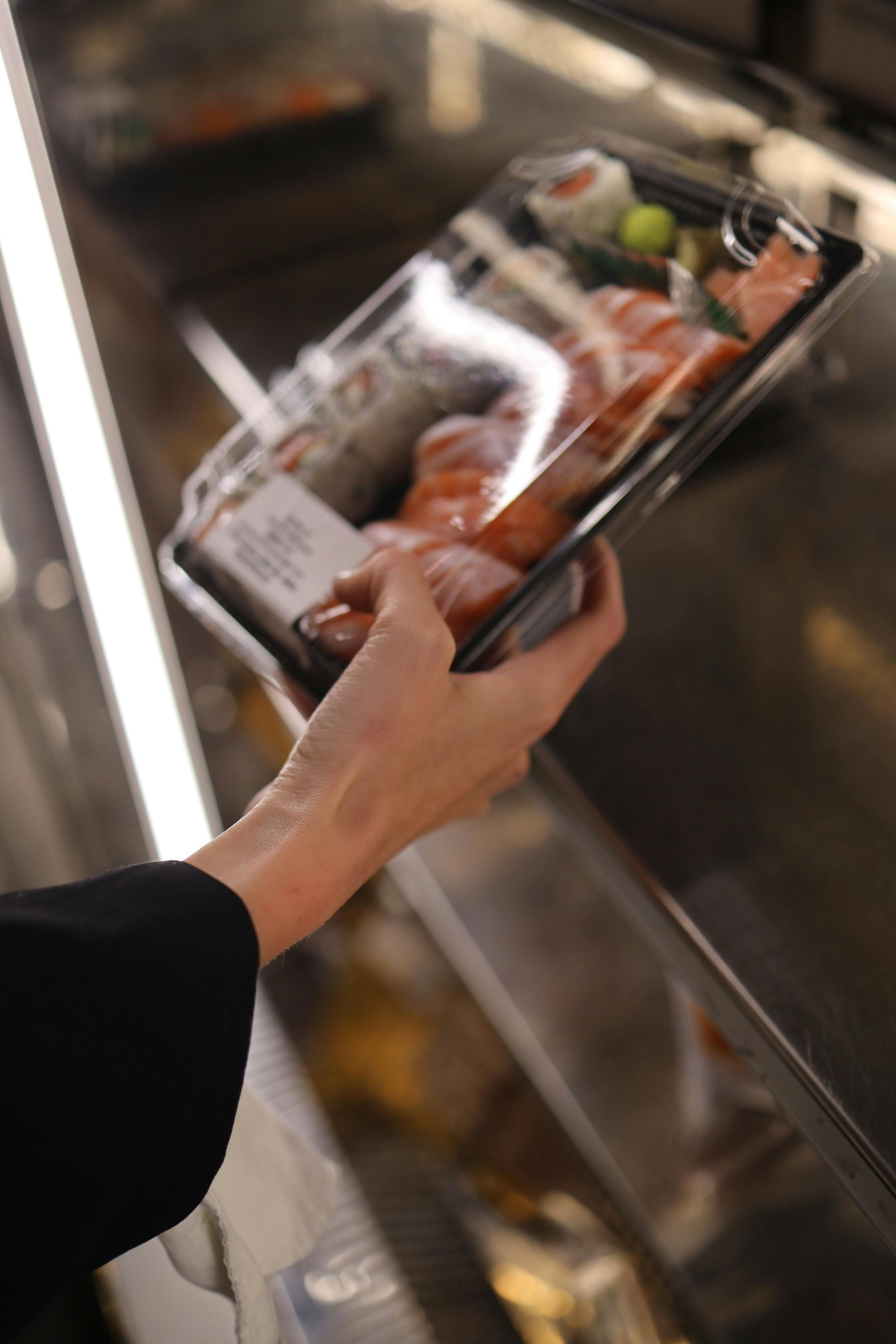
Today's hot bars are not the old supermarket steam tables many Canadians remember. Major chains have upgraded their prepared food offerings with sushi counters, carved meats, global dishes, grain bowls, and rotating seasonal meals that resemble fast-casual restaurant menus.
Stores such as Loblaws, Sobeys, Metro, and Save-On-Foods have spent years refining this model. Many locations now position ready-made meals near store entrances, creating a strong visual cue for shoppers who arrive hungry. The message is simple: dinner is already made.
This is part of a broader retail strategy. Grocery companies know shoppers facing higher food bills want value, but they also know convenience carries emotional weight. Prepared foods can deliver better margins than some packaged groceries, which gives retailers a strong reason to keep improving quality and variety.
Restaurants are feeling pressure from every angle
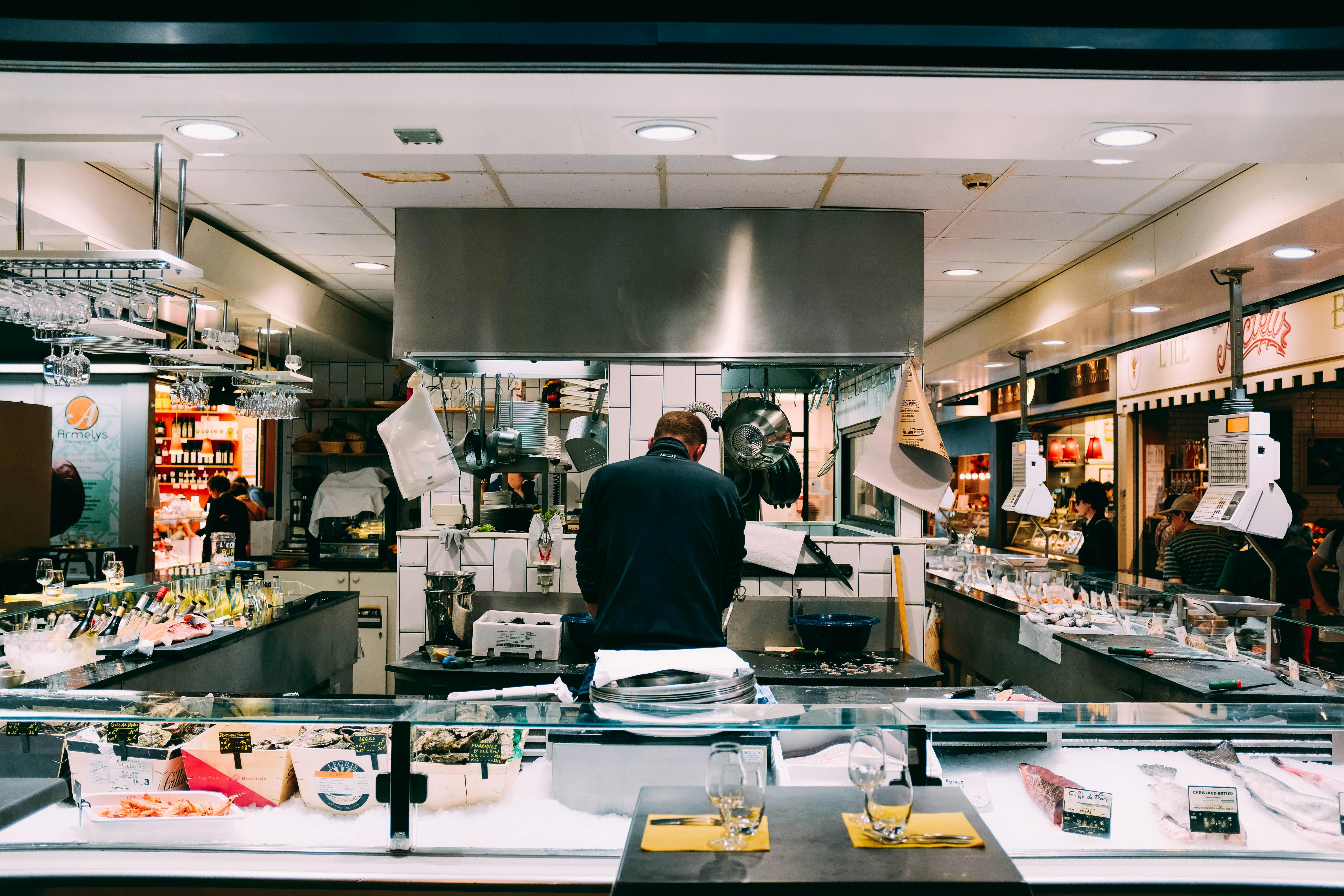
This shift does not mean Canadians are abandoning restaurants altogether. Full-service dining still plays an important role for social occasions, celebrations, and experiences people cannot replicate at home or in a supermarket seating area. But routine meal occasions are becoming more contested.
The biggest vulnerability is casual dining and quick lunch traffic. If consumers can buy a solid hot meal while picking up groceries, many will skip the separate restaurant stop. That is especially true when tipping expectations and drink prices make restaurant totals feel unpredictable.
According to industry reporting and market analysts, restaurants have been battling softer discretionary spending for months. When consumers trim budgets, they often start with meals that feel replaceable. Grocery hot bars fit neatly into that gap by offering immediacy without the full cost of eating out.
Quality perceptions have changed dramatically
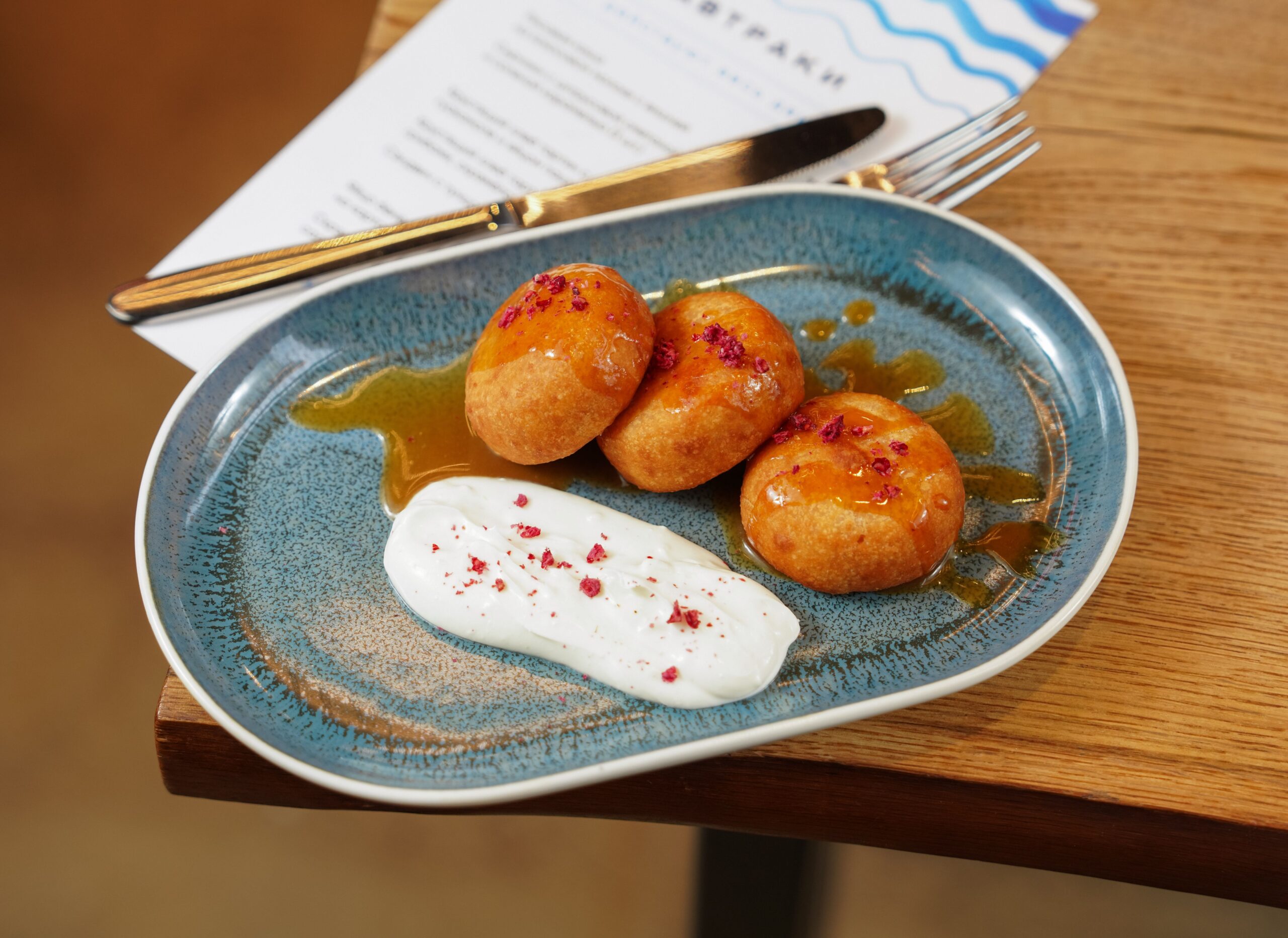
Many Canadians once viewed grocery prepared food as a backup plan. That perception has improved as stores invested in fresher ingredients, better packaging, in-house kitchens, and menus shaped by local tastes. In some neighbourhoods, the hot bar is now considered dependable rather than second-rate.
There is also growing demand for control. Shoppers like seeing portions before they buy, choosing lighter sides, and avoiding the extra friction of reservations, wait times, or service delays. For solo diners in particular, grocery meals can feel easier and more comfortable than sitting in a restaurant.
Health also plays a role, even if the picture is mixed. Some hot bar items are heavily salted or fried, but many stores now offer grilled proteins, cut fruit, salads, steamed vegetables, and soup. Consumers who read labels can often build a meal that feels balanced enough for a workday.
What this says about Canadian food habits
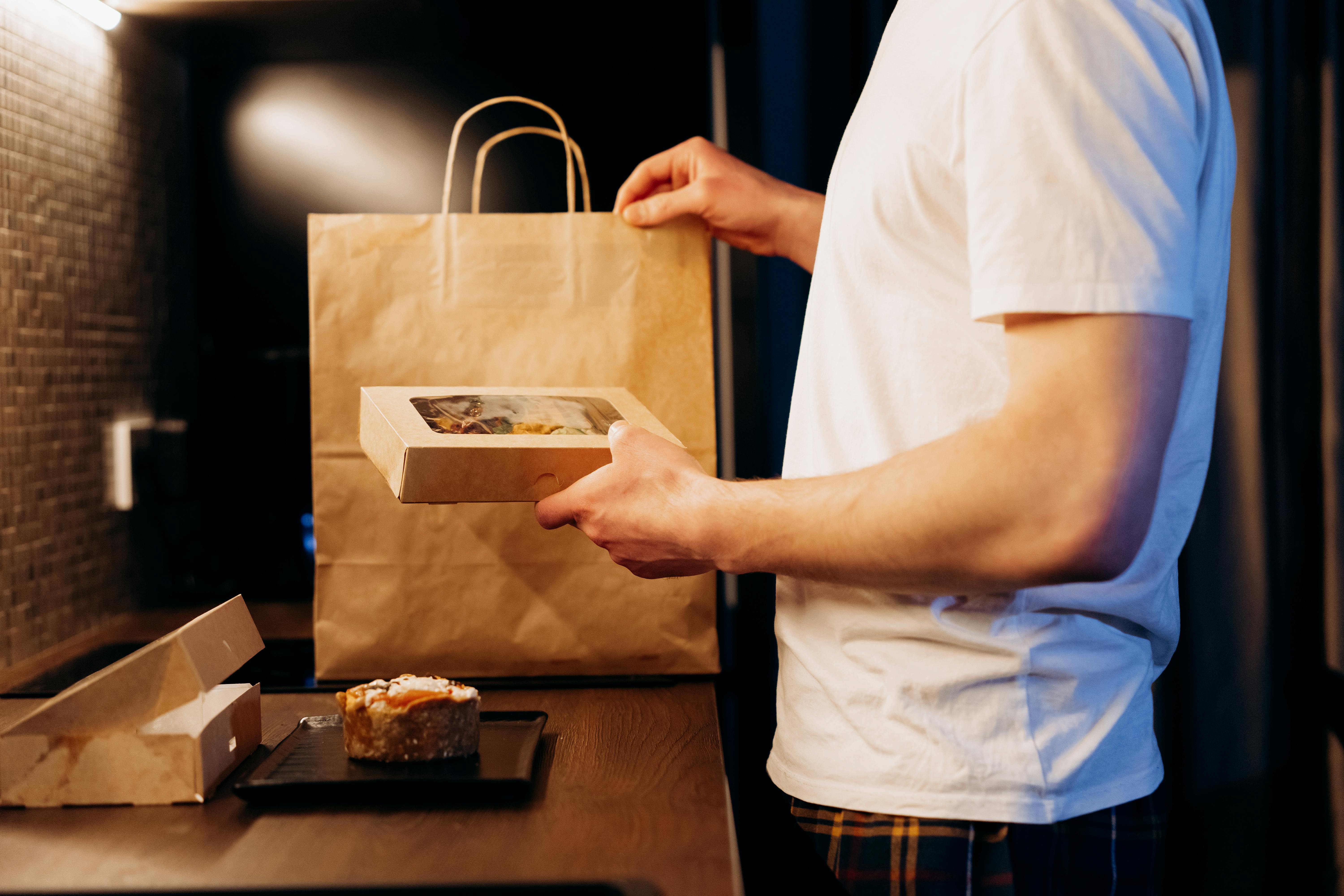
At its core, this trend reflects a more careful consumer. Canadians are not necessarily giving up on enjoyment. They are recalibrating what counts as a good value meal and deciding that convenience, speed, and price transparency matter as much as atmosphere on ordinary days.
It also shows how the line between retail and food service is blurring. Grocery stores are no longer just ingredient sellers, and restaurants are no longer guaranteed the everyday meal occasion. The competition now includes anyone who can feed people quickly, reliably, and at a fair price.
If inflation stays sticky and household budgets remain under pressure, grocery hot bars may keep gaining ground. What looks like a quiet behavioral change today could become a lasting shift in how Canadians eat, shop, and define the modern weeknight meal.




Leave a Reply