
Canadian grocery carts are changing fast. What used to be a niche preference has become a mainstream buying habit, and it is reshaping food shelves across the country.
Why clean label now carries real pricing power

Shoppers in Canada are increasingly willing to pay more for products they believe are simpler, safer, and easier to understand. In practice, "clean label" usually means shorter ingredient lists, fewer artificial colours or preservatives, recognizable kitchen-style ingredients, and claims that suggest minimal processing.
That willingness to pay a premium is showing up across pantry staples, snacks, dairy, frozen foods, and beverages. Market researchers and food industry analysts have repeatedly found that consumers now connect transparent labels with higher quality, even when products are otherwise similar in taste or function.
Inflation has not erased that demand. Instead, it has split the market, with many households cutting back in some areas while still spending extra on products they see as healthier or more trustworthy for themselves and their families.
What Canadian shoppers think they are buying

The appeal of clean label is not only nutritional. It is also emotional. Many consumers read a simple label as a sign that a company has nothing to hide, especially at a time when shoppers are skeptical of ultra-processed foods and increasingly alert to ingredient terminology they do not recognize.
Parents are a major force here. For families comparing lunchbox snacks, yogurt, bread, or cereal, labels that avoid artificial sweeteners, synthetic dyes, and long additive lists often feel like a safer choice, even if the actual nutritional differences vary from one product to another.
This matters because buying decisions are often made in seconds. A front-of-pack claim such as "no artificial flavours" or "made with simple ingredients" can influence shoppers before they ever study the nutrition table on the back.
Why brands are reformulating at speed
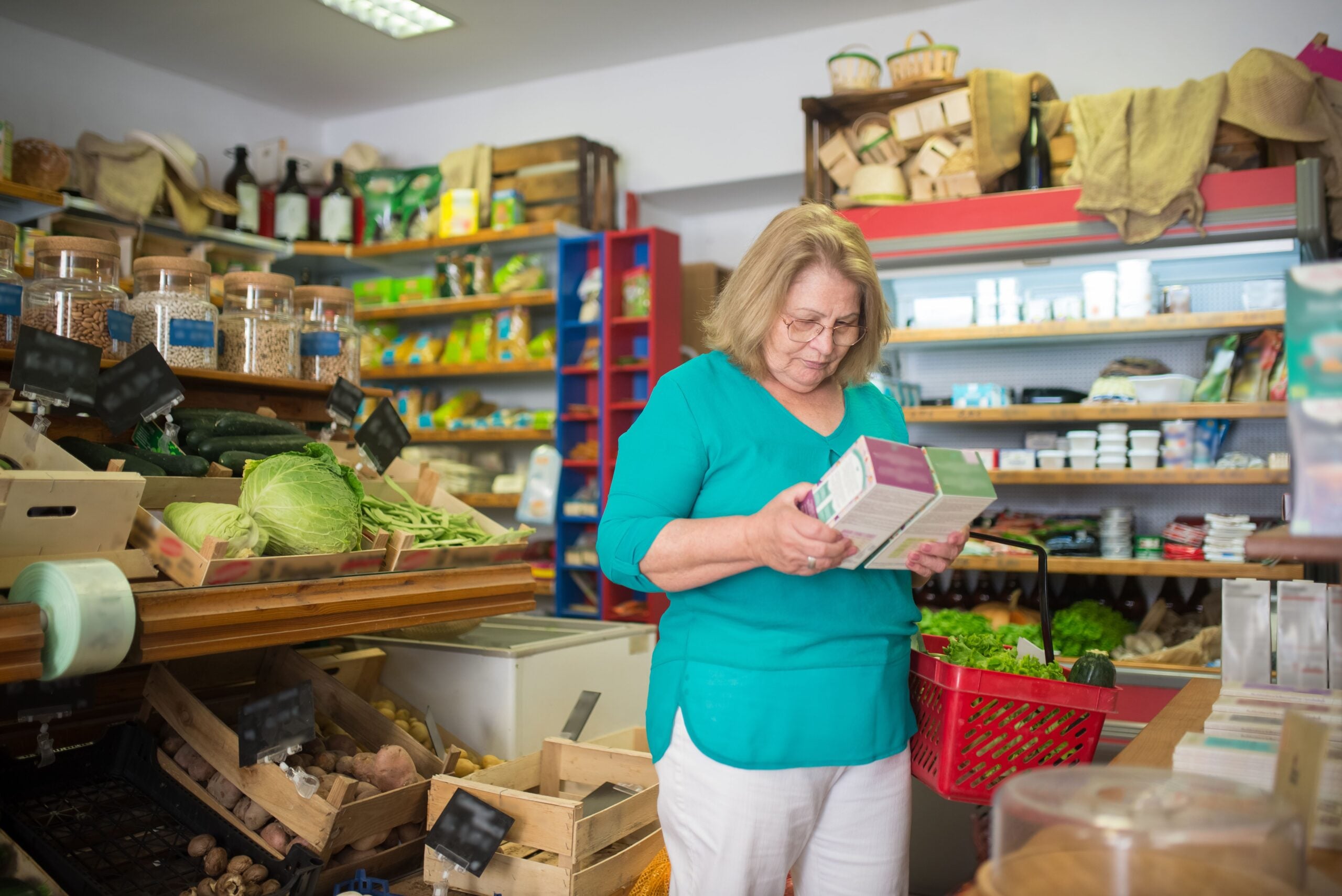
Food makers are responding because clean label has moved from a marketing advantage to a competitive necessity. Large manufacturers and smaller Canadian brands alike are revisiting recipes to remove ingredients that consumers increasingly question, from certain preservatives to artificial colouring agents.
That is harder than it sounds. Additives often do important jobs, including extending shelf life, stabilizing texture, preserving colour, and maintaining consistency through transport and storage. Replacing them can raise production costs and create technical challenges that ripple through the supply chain.
A bakery product without familiar dough conditioners may stale faster. A fruit snack without certain colour additives may look duller on the shelf. Brands therefore have to balance label simplicity with food safety, taste, appearance, and the commercial realities of national distribution.
Retailers and private labels are helping drive the shift
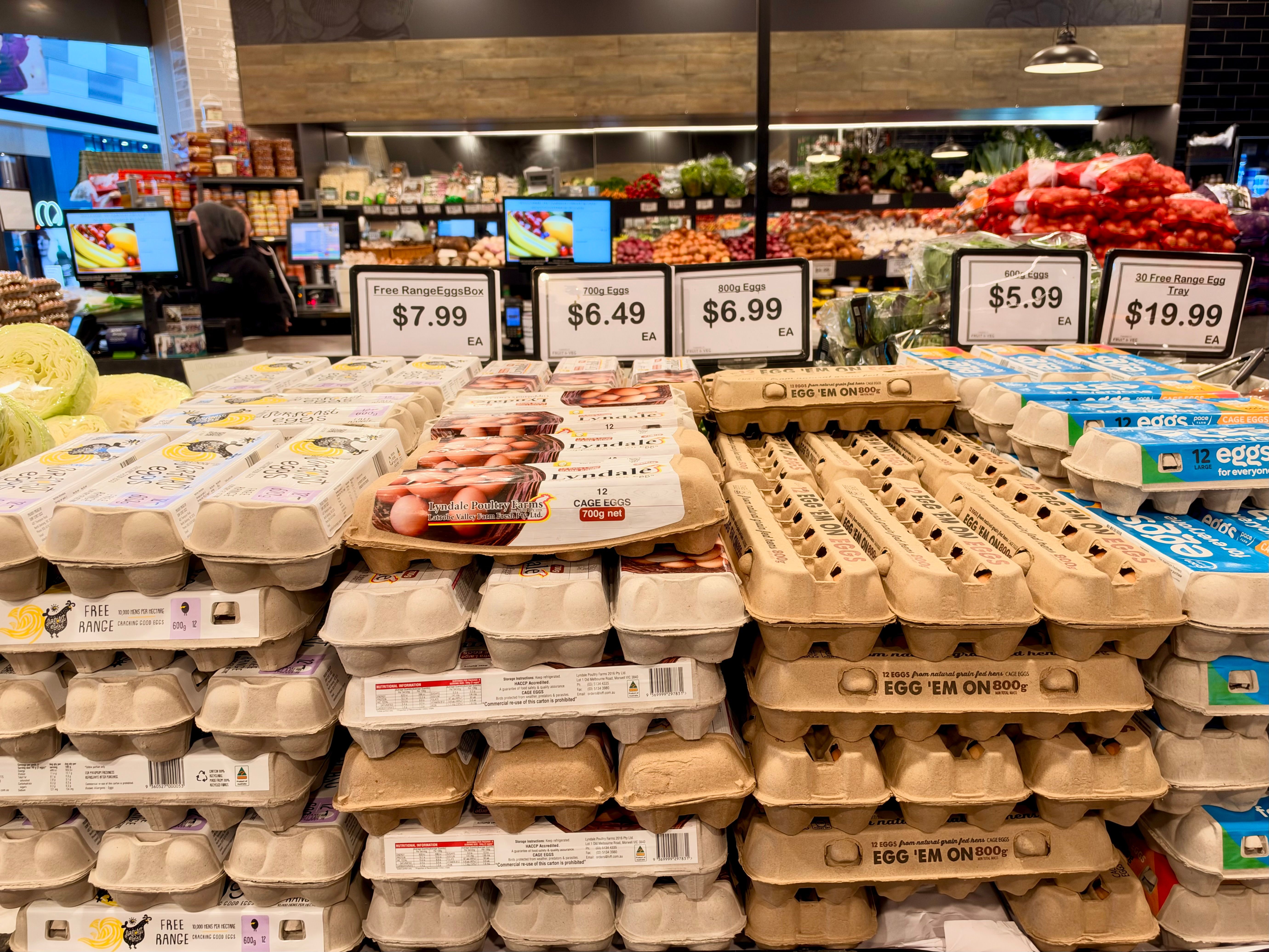
Grocers are not just reacting to the trend. They are helping shape it. Major retailers in Canada have expanded private-label lines that lean heavily on ingredient simplicity, organic positioning, or reduced additive claims, giving shoppers more clean-label options at several price points.
That matters because private label often becomes the benchmark for value. If a store brand offers a shorter ingredient list at a lower price than a national brand, the pressure on established manufacturers intensifies quickly.
Retail shelf placement also plays a role. Products with clear packaging, straightforward claims, and recognizable ingredients are often merchandised to stand out, especially in high-growth categories such as snack bars, plant-based foods, ready meals, and refrigerated beverages.
The premium is real, but so are the tradeoffs
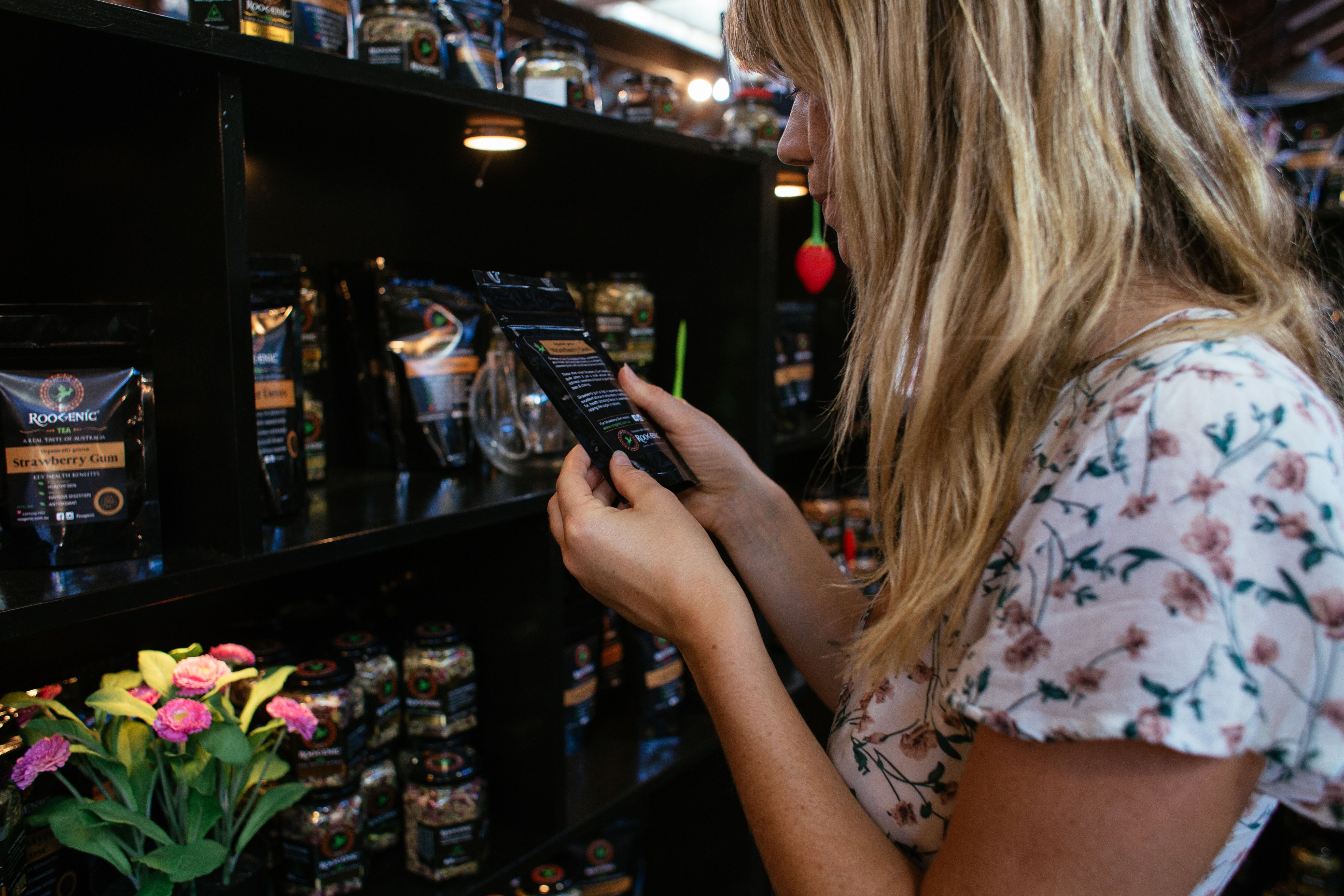
Clean label products often cost more because the ingredients themselves can be more expensive, and reformulation can require new sourcing, new processing methods, and shorter production windows. Packaging updates, certification costs, and smaller batch sizes can further push up prices.
There is also a risk of confusion. "Clean label" has no single legal definition in the way some regulated food claims do. That leaves room for broad marketing language, which can lead consumers to assume a product is automatically healthier when it may still be high in sugar, sodium, or saturated fat.
For that reason, experts often urge shoppers to look beyond the front of the package. A simpler ingredient list can be meaningful, but it is only one part of the overall nutrition and value equation.
What comes next for Canada's food industry

The clean label push is unlikely to fade soon. Health concerns, ingredient transparency, distrust of heavily processed foods, and social media-driven scrutiny are all reinforcing the same message to brands: explain what is in the product, and make that explanation easy to accept.
The next phase will likely focus on proof, not just promises. Consumers are becoming more sophisticated, and many now expect brands to back up claims with clearer sourcing information, processing transparency, and practical reasons why an ingredient is included.
In the end, Canadian companies that succeed will be the ones that treat clean label as a product development discipline, not just a packaging trend. Shoppers have shown they will pay more, but they also expect brands to earn that premium every time.




Leave a Reply