
Canadians are rethinking alcohol in a way that would have seemed unlikely just a few years ago. The 18% drop is not a blip. It reflects a real cultural reset.
Health concerns have moved from the margins to the mainstream

What changed first was the conversation around risk. For years, moderate drinking was often treated as harmless, or even socially beneficial, but that framing has weakened. Updated public health guidance in Canada helped push the issue into everyday discussion by making it clear that even low levels of alcohol carry some degree of risk.
That message landed at a moment when many people were already paying closer attention to sleep, anxiety, weight, and long-term wellness. Alcohol began to look less like a routine pleasure and more like a tradeoff. For consumers trying to improve energy or mental clarity, cutting back became one of the easiest lifestyle changes to make.
Doctors, wellness experts, and addiction specialists have also become more direct. Instead of focusing only on heavy drinking, they now speak more openly about cumulative effects, including cancer risk, liver strain, and the link between alcohol and depression. That broader medical framing has made moderation feel less optional and more practical.
Inflation has made drinking noticeably more expensive

A second major shift is financial. Alcohol has become harder to justify in a country where households are already absorbing higher costs for groceries, rent, mortgages, and restaurant meals. When budgets tighten, discretionary spending is usually among the first things to change, and alcohol often falls into that category.
The effect is visible both at retail and in bars. A case of beer, a bottle of wine, or a round of cocktails simply costs more than it did four years ago. In major cities, a casual night out can easily turn into a costly evening, especially once food, transportation, and tips are included.
That changes behavior even among people who have not stopped drinking entirely. Many are choosing fewer drinks per outing, drinking less often, or shifting gatherings back into the home. Others are skipping alcohol altogether because it no longer feels worth the price relative to the temporary payoff.
Younger adults are changing the culture of socializing

One of the clearest forces behind the decline is generational. Younger Canadians, especially Gen Z, tend to approach alcohol with more caution than earlier age groups did at the same life stage. Surveys in Canada and other Western countries have repeatedly shown lower interest in binge drinking, stronger wellness habits, and greater comfort opting out.
Part of this is cultural, not just medical. Social media has made image, fitness, and personal branding more central to daily life, and heavy drinking does not fit neatly with those priorities. Looking hungover, losing control, or posting regrettable moments carries a different kind of social cost than it once did.
At the same time, younger adults have expanded what a night out can look like. Coffee shops, daytime meetups, fitness classes, alcohol-free events, and curated house gatherings now compete with bars and clubs. Alcohol is no longer the automatic center of social connection, and that changes demand over time.
The alcohol-free market has become far more credible
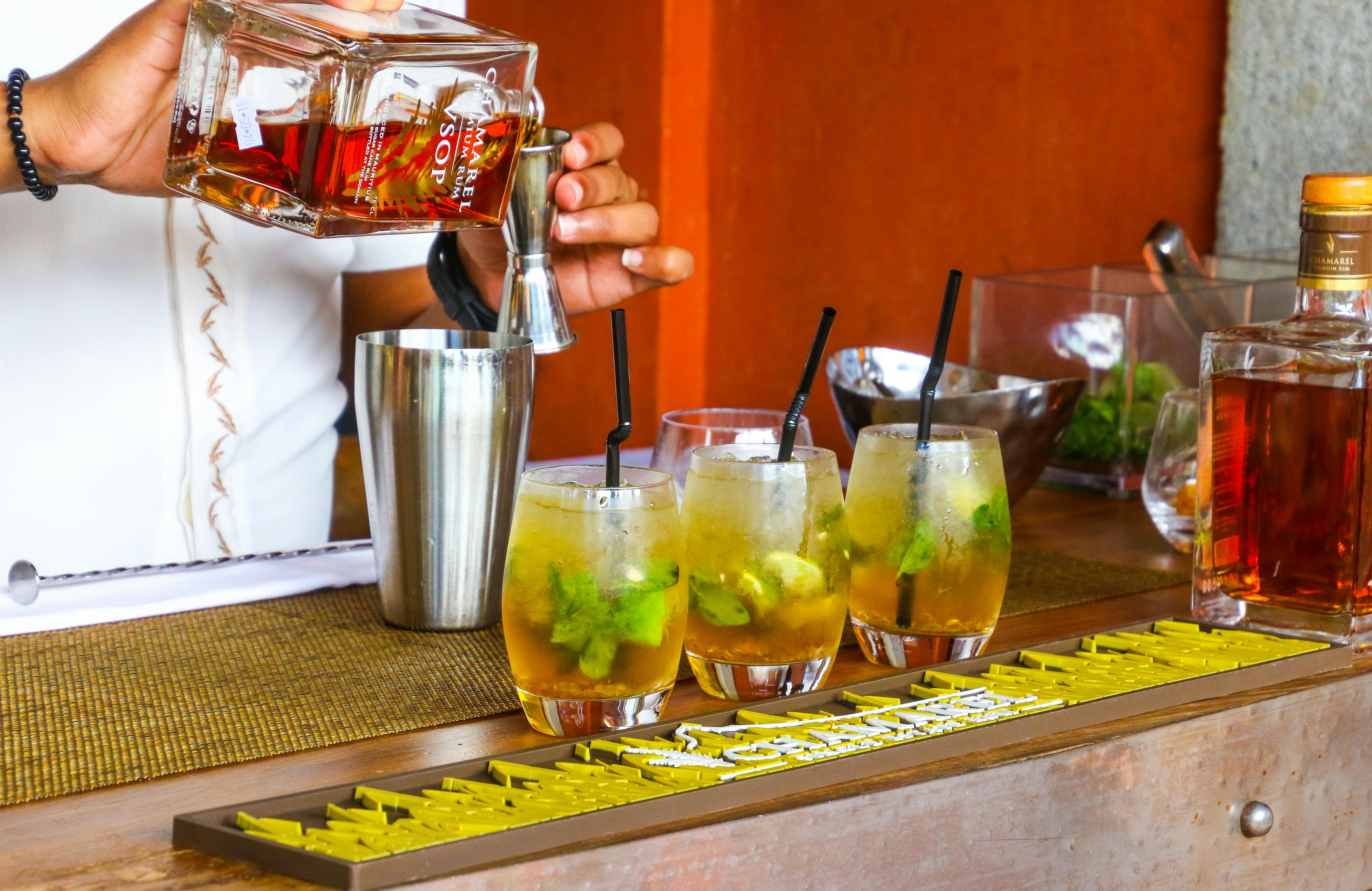
Cutting back is easier when there are better substitutes. Four years ago, many non-alcoholic options still felt like compromises, but the category has improved quickly. Today, Canadian consumers can find alcohol-free beer, sparkling cocktails, zero-proof spirits, and dealcoholized wines that are marketed with the same seriousness as traditional drinks.
Restaurants and bars have responded because they can see the demand. It is increasingly common to find thoughtful mocktail menus rather than a token sugary option. That matters because one reason people kept drinking in social settings was the lack of an adult alternative that still felt festive, complex, and inclusive.
Retailers have noticed as well. Dedicated shelf space for low- and no-alcohol products has expanded, and major producers have invested heavily in the segment. What was once niche is now normal, which lowers the friction for anyone experimenting with moderation, sobriety, or month-long breaks from drinking.
The pandemic changed routines, then exposed their downsides

The pandemic years disrupted drinking habits in both directions. Early on, some Canadians drank more at home, driven by stress, boredom, and the collapse of normal routines. But that same period also made many people more aware of what regular drinking was doing to their sleep, mood, productivity, and relationships.
As life normalized, a lot of consumers did not return to old patterns. Some had already broken the habit of after-work drinks or late-night social drinking. Others began questioning routines that had once seemed automatic, especially after realizing how much alcohol had been tied to stress management rather than enjoyment.
Employers, therapists, and public health advocates also started talking more openly about burnout and coping mechanisms. That wider recognition helped remove some of the stigma around saying no. In effect, the pandemic accelerated self-auditing, and for many Canadians, alcohol did not pass that review.
This is becoming a long-term shift, not a temporary dip

An 18% decline over four years suggests something deeper than a short-lived reaction. The drivers behind it, health awareness, high prices, generational change, better alternatives, and altered routines, all point in the same direction. Each factor reinforces the others, making reduced drinking easier to sustain.
That does not mean alcohol is disappearing from Canadian life. It still plays a role in celebrations, hospitality, and nightlife, and many consumers remain moderate regular drinkers. But the old assumption that drinking is the default setting for adulthood is clearly weaker than it used to be.
For producers, restaurants, and policymakers, the challenge now is adaptation. Businesses that embrace low- and no-alcohol demand are likely to fare better, while public health officials may see this as proof that information and culture can move together. Canadians are not merely drinking less. They are redefining what drinking is for.




Leave a Reply