
Canadian Thanksgiving arrives on the second Monday of October, about six weeks before the American holiday in late November. That timing matters, because cool mid-October weather invites hot, savory leftover dishes in a way late November often does not.
Mid-October changes the whole leftovers mood
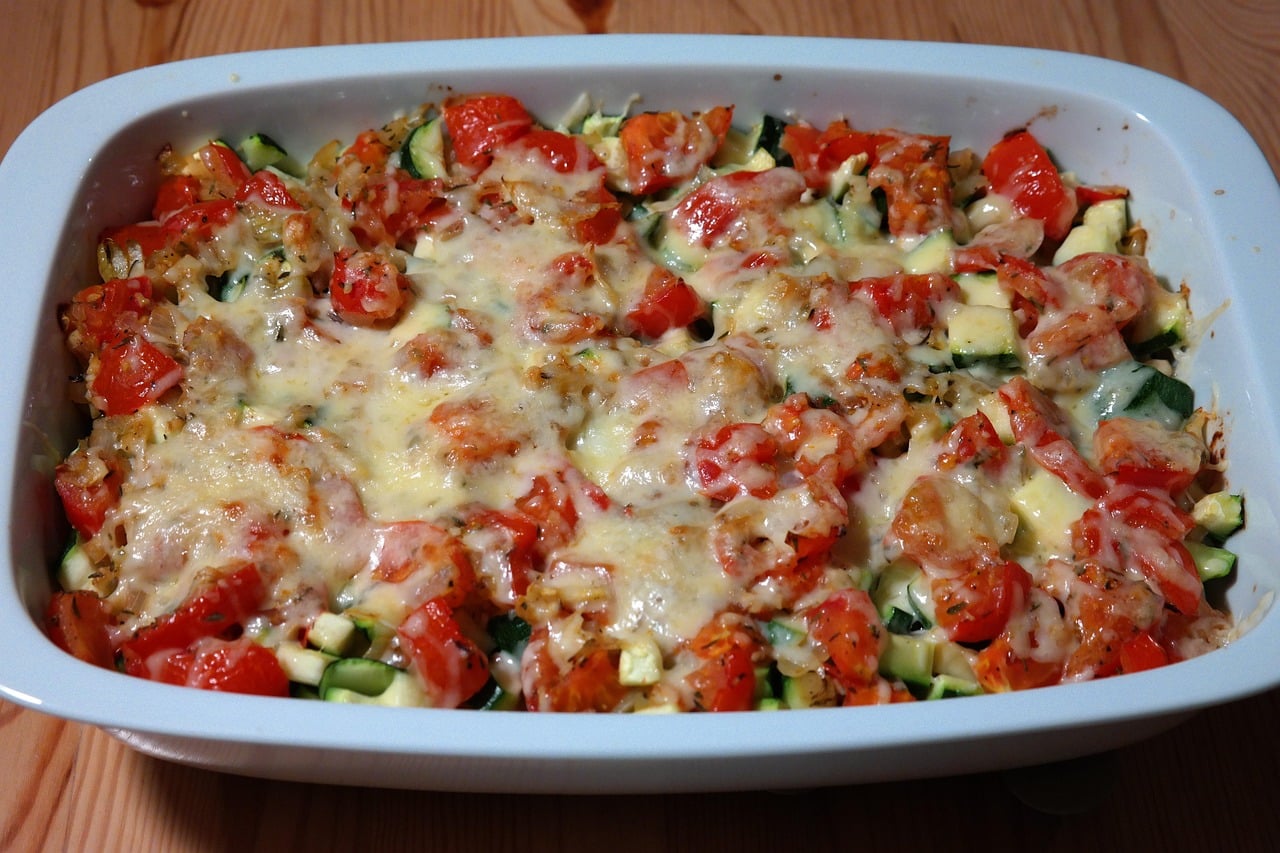
The strongest case for Canadian leftovers is not patriotism, it is the calendar. Thanksgiving in Canada lands just as the air turns cold in many places, so the instinct is to rework turkey into something warm, filling, and practical for the week ahead.
That seasonal slot encourages casseroles, soups, and pastry-topped bakes instead of defaulting to chilled slices on bread. By late November in the United States, many home cooks are already shifting toward December baking, holiday parties, and Christmas shopping. Canadian leftovers get a cleaner moment of their own, and the food reflects it.
Turkey soup tastes right in October
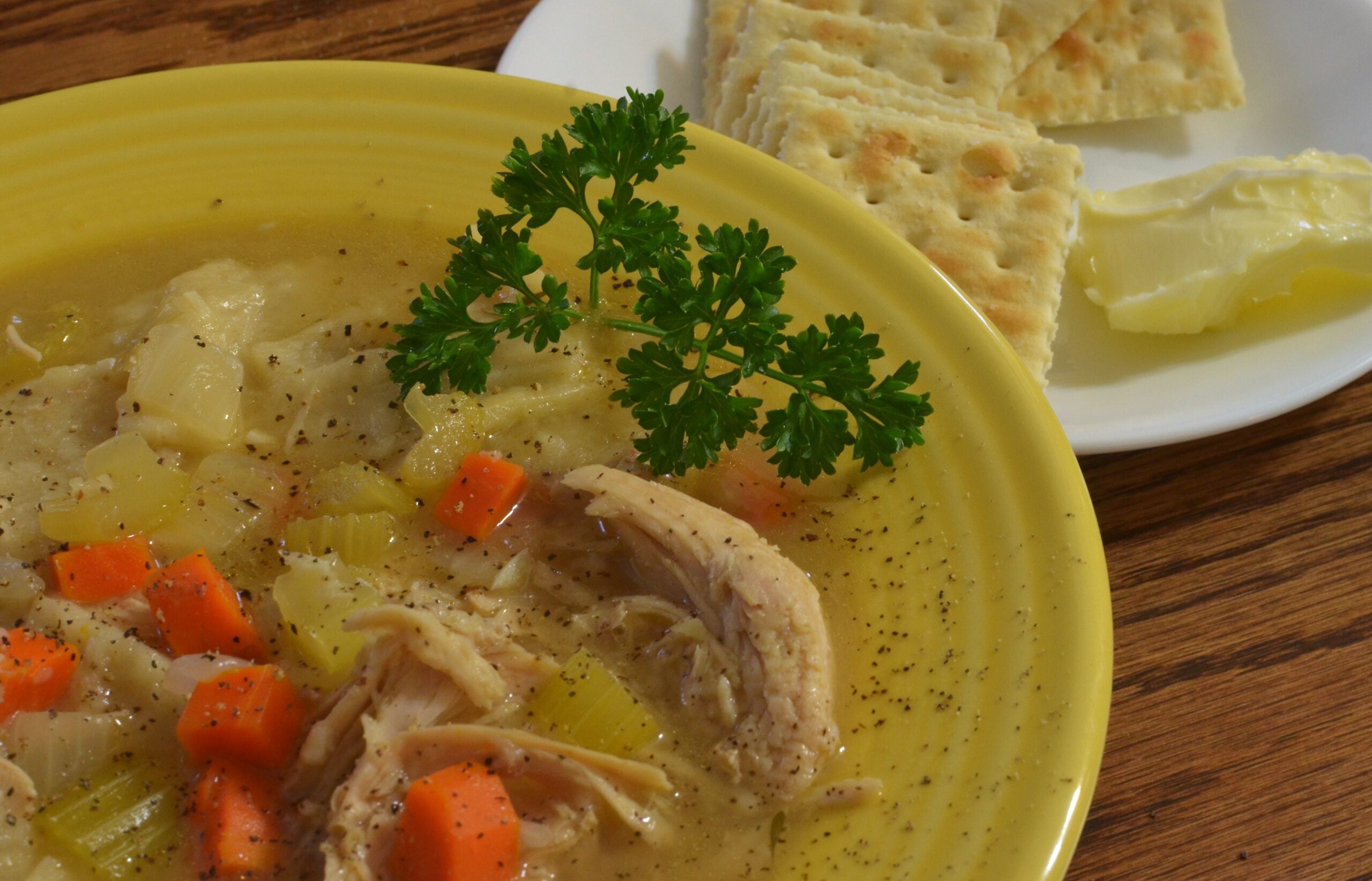
A pot of turkey soup feels like the most logical next step after a Canadian Thanksgiving meal. The carcass becomes stock, the stock becomes dinner, and a roast bird stretches into something deeply economical without feeling like a repeat of the feast.
This is where timing helps again. Mid-October is cool enough for steaming bowls with barley, wild rice, root vegetables, or noodles, but not so deep into winter that the dish feels obligatory. A strong version starts with stock made from the bones, then adds shredded turkey, onion, celery, carrots, herbs, and a grain or pasta. It is comfort food, but also smart kitchen planning.
Turkey tourtière is the standout remake
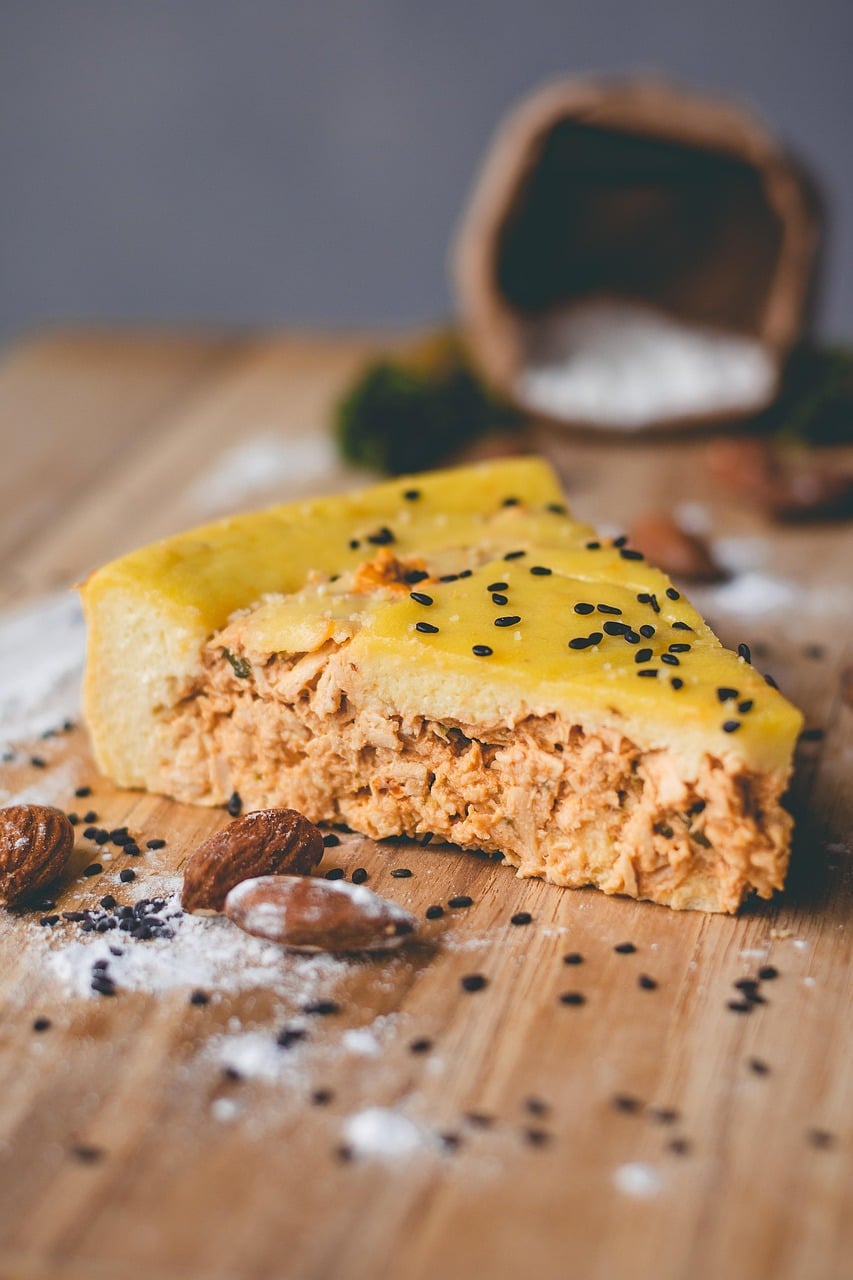
If one leftover dish makes the Canadian argument in a single bite, it is turkey tourtière. Tourtière is a French Canadian meat pie, traditionally associated with Quebec, and the format suits chopped leftover turkey surprisingly well.
The usual flavor structure does the heavy lifting: onion, garlic, stock, and warming spices such as cinnamon, clove, allspice, or savory, all tucked into pastry. The result tastes seasonal rather than improvised. It also solves a common leftover problem, which is dryness, because the filling can be bound with gravy or stock. Compared with a plain sandwich, a turkey tourtière feels like an actual second meal, not just a holding pattern.
Shepherd's pie gets a sweet potato upgrade
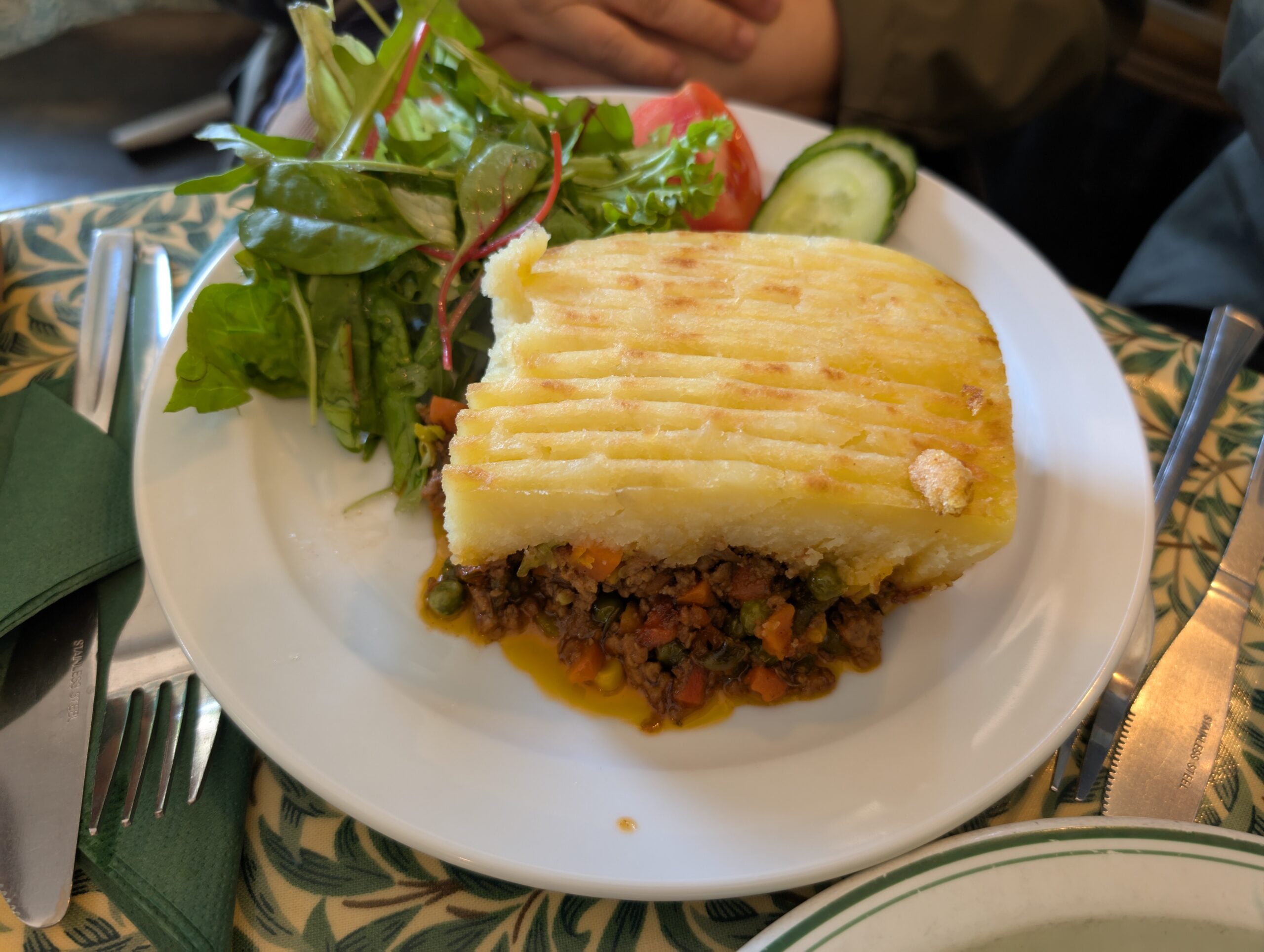
Another cold-weather winner is turkey shepherd's pie topped with mashed sweet potato. In a Canadian Thanksgiving context, it makes sense because it gathers several leftovers into one dish: turkey, gravy, vegetables, and sweet potato from the holiday table.
The playful version adds mini marshmallows on top, echoing a classic sweet potato casserole while keeping the base savory. That contrast sounds odd until you remember how often Thanksgiving plates already mix sweet and salty in the same forkful. Bake the filling until bubbling, then brown the topping just enough to toast the marshmallow edges. It is hearty, slightly kitschy, and much more memorable than eating components separately for days.
Turkey and cranberry sushi rolls are smarter than they sound
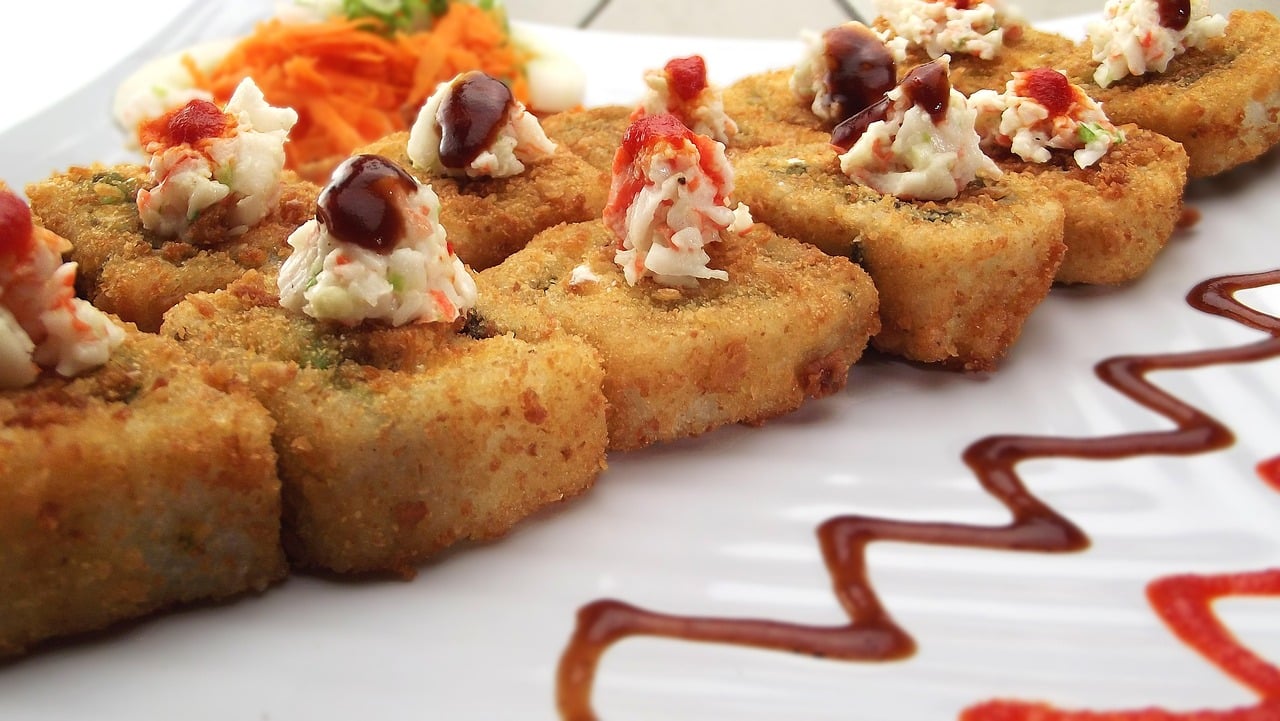
This is the kind of leftover move that sounds like a joke until you picture the textures. Turkey and cranberry sushi rolls turn soft rice, sliced turkey, and a swipe of cranberry sauce into neat bite-size pieces, usually with cucumber for crunch.
The point is not authenticity. It is structure, freshness, and contrast. Nori keeps everything tidy, the rice gives the leftovers a new identity, and the cranberry behaves a lot like a sweet tart sauce. For families tired of reheated plates by day two, this is a useful reset. It makes leftovers feel intentional, and it photographs beautifully, which never hurts a dish trying to earn a second life.
Turkey waffles with gravy make the best finish

The most convincing closing argument may be turkey waffles with gravy, because it turns leftovers into a full brunch. Crisp waffles bring texture that leftover turkey often lacks, and warm gravy ties everything together better than mayonnaise ever could.
A good version uses shredded turkey over savory waffles, then finishes with gravy and, if available, a spoonful of cranberry sauce for brightness. It is rich, seasonal, and perfectly suited to a cool October morning after a long weekend. This is the real difference in the Canadian approach: leftovers are not treated like obligation food. They become the start of a new meal, and often a better one.


Leave a Reply