
Canadian Thanksgiving falls on October 12 in 2026, but many of the country's tables are already set to look different. Higher grocery bills are pushing families to rethink the classic feast, from the bird at the center to the sides and desserts that make the meal feel complete.
Smaller turkeys are taking center stage
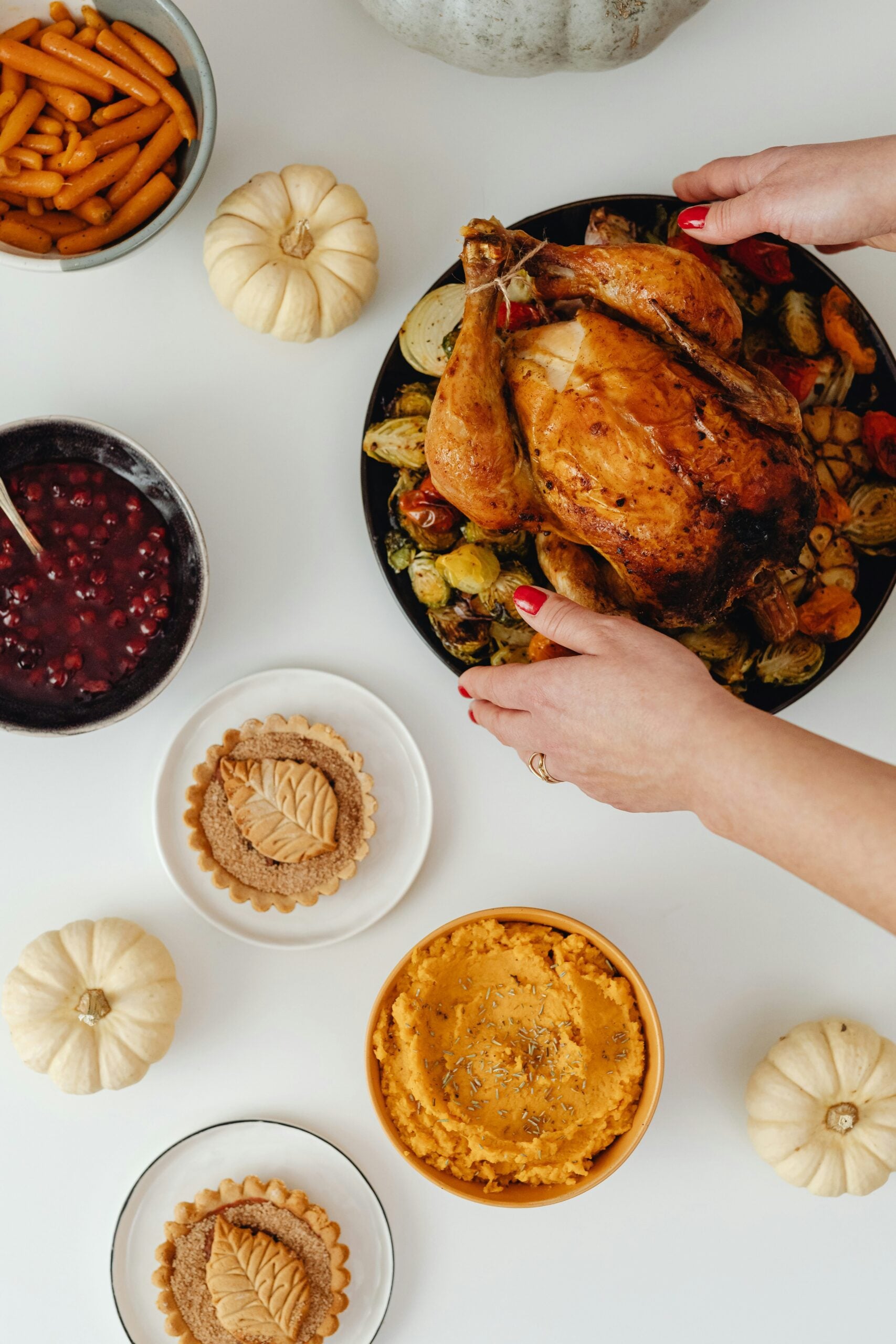
The biggest visual change may be the size of the main dish. When food budgets tighten, a smaller turkey becomes one of the easiest ways to cut the bill without dropping the holiday meal altogether.
Turkey prices have climbed in recent years, and shoppers have grown more price sensitive across the meat case. Statistics Canada has reported broad food inflation over the past few years, while retailers have increasingly promoted smaller formats and value packs to match tighter household spending.
That means more Thanksgiving tables are likely to feature a lighter bird, a turkey breast, or a meal scaled for fewer leftovers. It still looks like Thanksgiving in a photo, but the economics behind it are different, and many families are choosing moderation over abundance.
Ham, chicken and roasts are replacing the classic bird
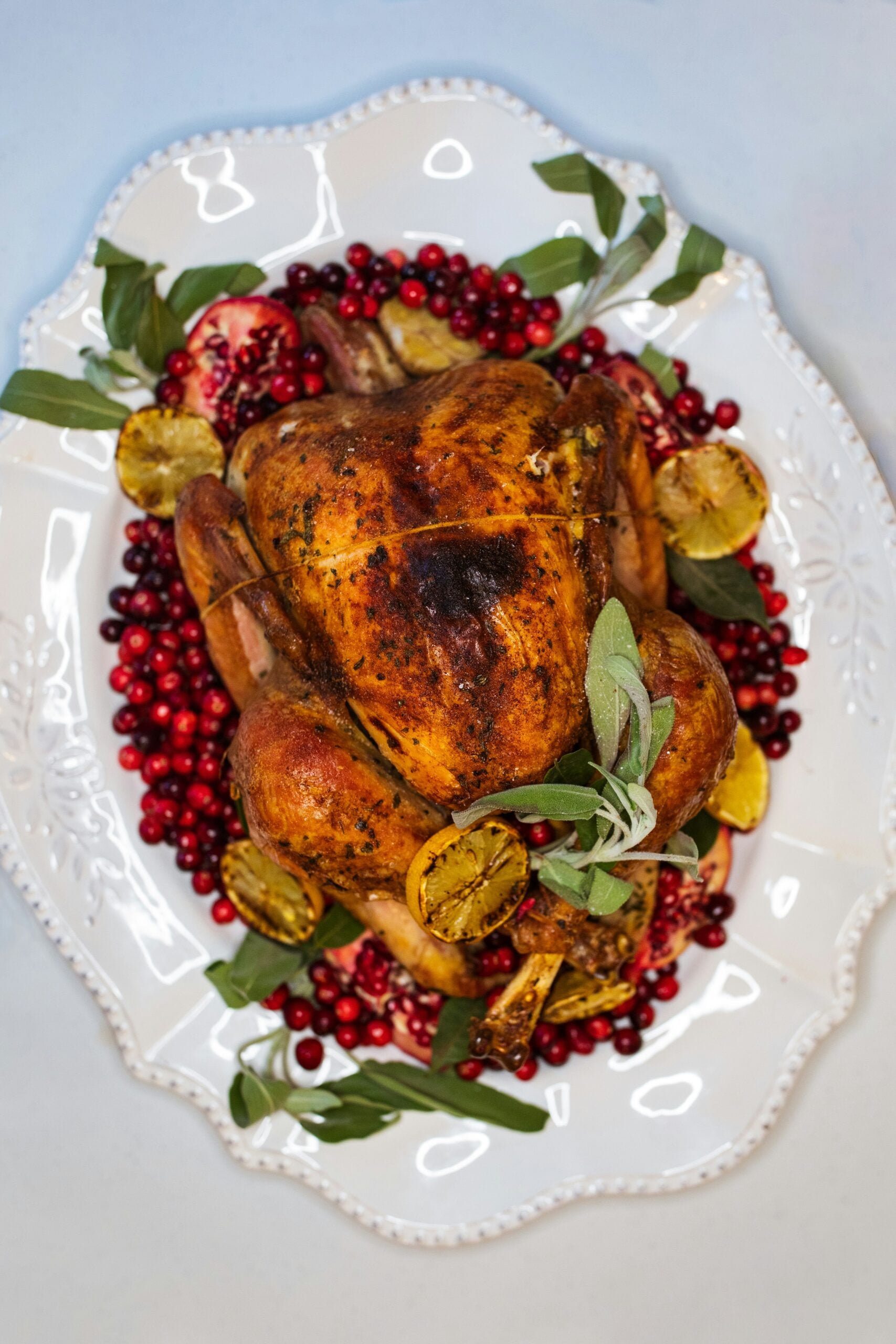
For some households, downsizing does not stop at choosing a smaller turkey. It means leaving turkey off the menu entirely and switching to proteins that feel more manageable at the checkout counter.
Chicken, pork and budget beef cuts can feed a group for less, especially when stores run holiday promotions on roasting chickens or hams. Those substitutions are not just about price per kilogram. They also reduce waste for smaller gatherings, which matters when every grocery dollar needs to stretch further.
The result is a Thanksgiving table that may look less traditional but still feels familiar. A glazed ham, roast chicken or pot roast can carry the same role as turkey, while freeing up room in the budget for sides, dessert and extras that guests notice just as much.
Side dishes are doing more of the heavy lifting
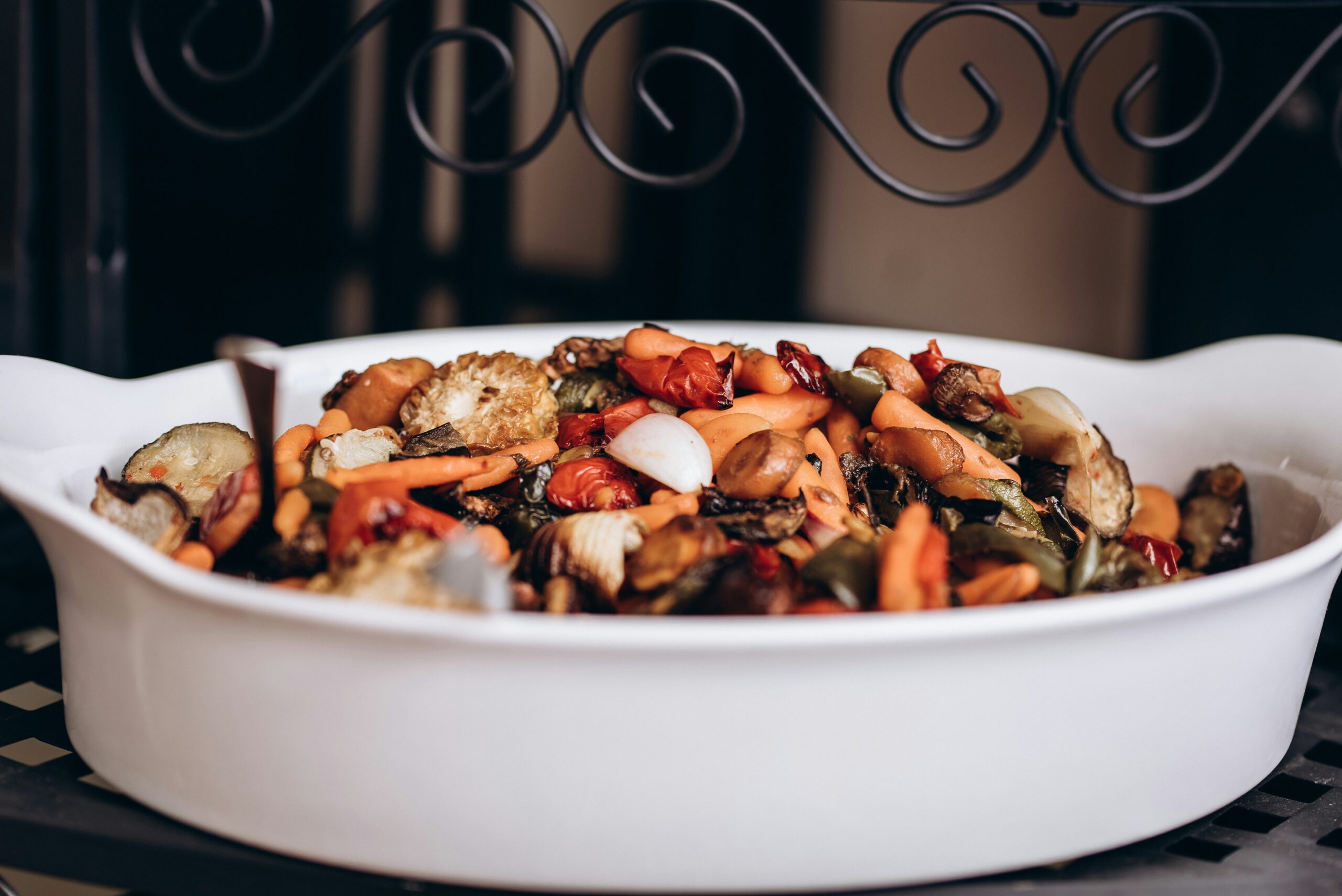
When the main protein gets smaller or cheaper, side dishes start to define the meal. That shift may be one of the clearest signs of how Canadian Thanksgiving is adapting to higher prices.
Potatoes, carrots, squash and bread based dishes often deliver more servings for less money than meat. Seasonal produce can also help, especially when cooks build menus around vegetables that are widely available in October. A tray of roasted root vegetables or a baked stuffing dish can feed many people without dramatically raising the total bill.
This makes the holiday spread look fuller even when spending is restrained. In practical terms, families are using lower cost, filling dishes to preserve the generosity associated with Thanksgiving, while keeping the final grocery receipt from becoming the story of the day.
Store brands and freezer staples are moving up the table
Another visible change is not always obvious in a finished photo, but it shapes the meal all the same. More hosts are likely to rely on private label groceries, frozen ingredients and prepared shortcuts to keep holiday cooking affordable.
That can mean frozen pie shells instead of bakery desserts, store brand broth for gravy, or bagged vegetables that reduce both prep time and waste. Over the past few years, value seeking has become a defining grocery habit in Canada, as shoppers compare prices more closely and trade down where they can.
These choices do not necessarily lower the quality of the meal. In many cases, they simply move spending away from premium labels and toward convenience that protects the budget. Thanksgiving still arrives on the plate, just with a more deliberate strategy behind every item.
Desserts are getting simpler and more selective
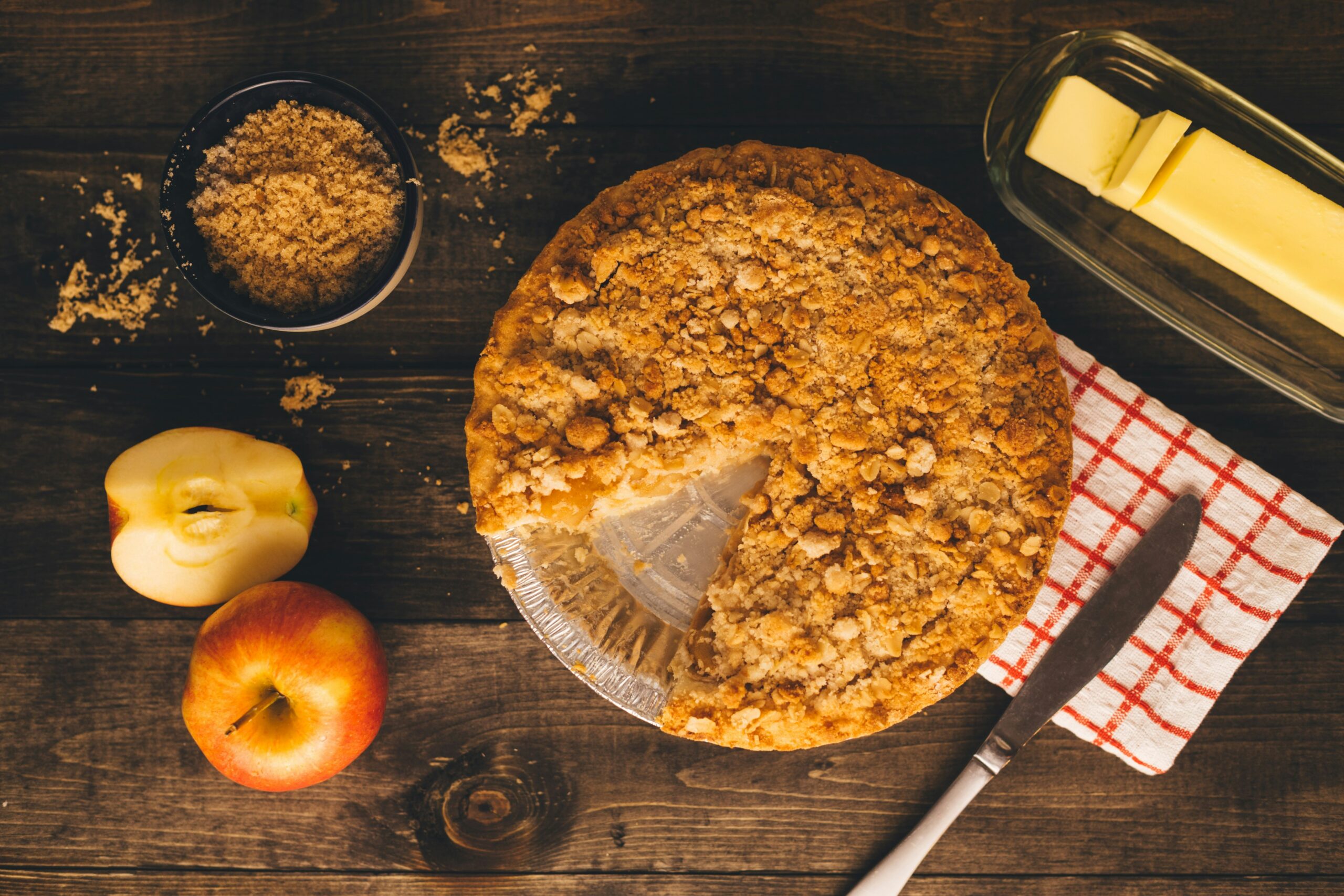
Holiday desserts are another place where families can quietly save money. Instead of offering several pies, tarts and sweets, more households may choose one or two reliable favorites and stop there.
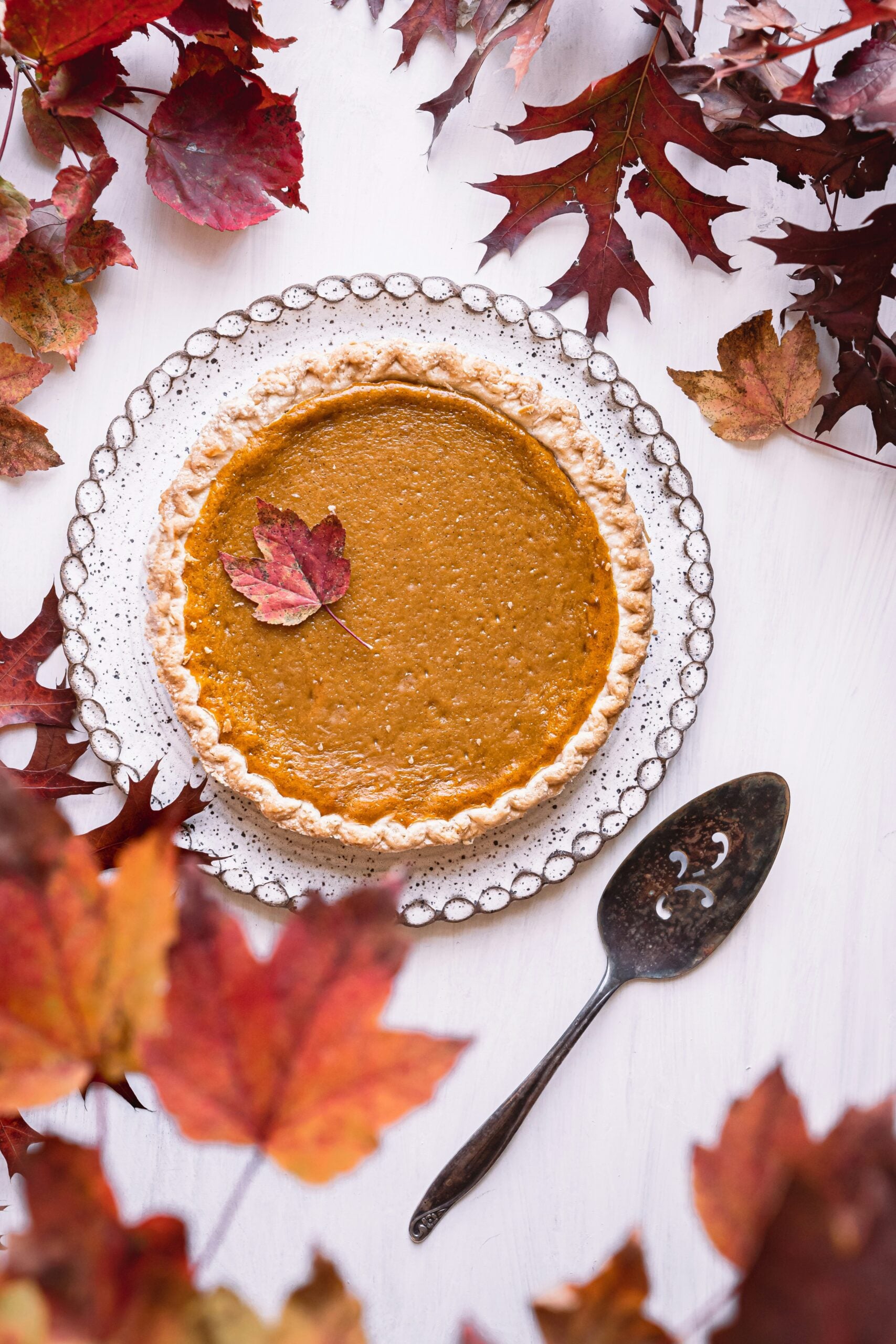
Pumpkin pie remains a natural fit because it stretches well for a crowd and relies on pantry basics. Apple desserts can also make sense in fall, especially when apples are plentiful and versatile. By comparison, more elaborate baking with multiple specialty ingredients can become harder to justify when grocery costs are already elevated.
The change is subtle but telling. Dessert tables that once signaled abundance through variety may now reflect a different kind of care, where restraint, planning and fewer but better chosen dishes matter more than sheer volume.
Potluck style gatherings are helping families share the cost
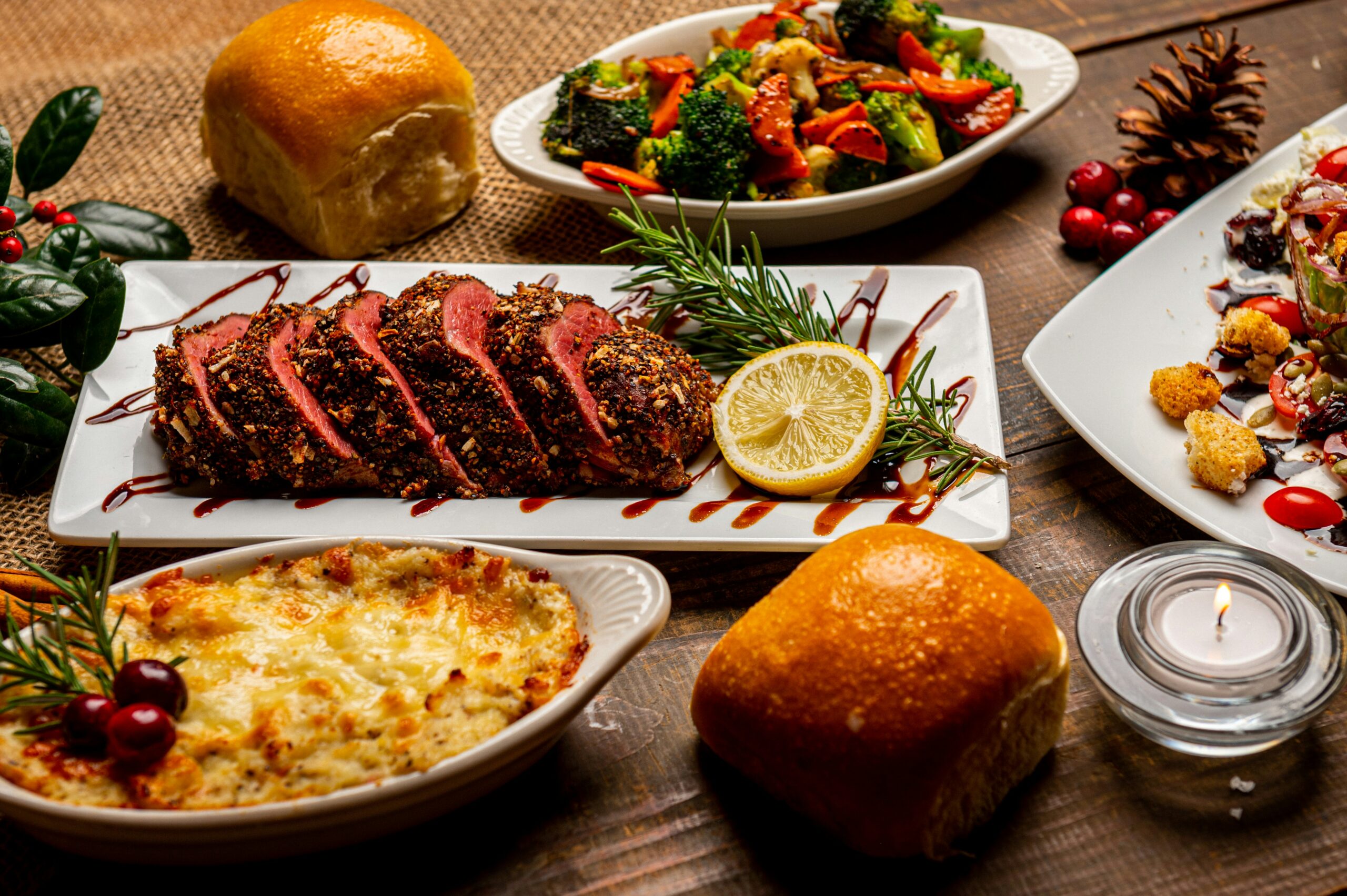
The most important shift may be social rather than culinary. As hosting gets more expensive, more families are likely to spread the cost by asking guests to bring a dish, drinks or dessert.
That approach changes the table in a visible way because the menu becomes more mixed, more regional and sometimes more inventive. One guest brings stuffing, another brings salad, someone else brings butter tarts or buns. The meal may be less uniform, but it can also feel more collaborative and less financially heavy for one host.
In that sense, Canadian Thanksgiving 2026 is not only about cutting back. It is also about adaptation. Families are finding ways to preserve the meaning of the holiday, even as the traditional spread gets smaller, simpler and more carefully planned.




Leave a Reply