
Canadian meatloaf is a good example of how a practical home cooking habit can age into real wisdom. In many 1960s kitchens, the version your grandmother made with oats was not a compromise, it was a smart design that kept the loaf tender, affordable, and satisfying.
The oat binder that did more with less
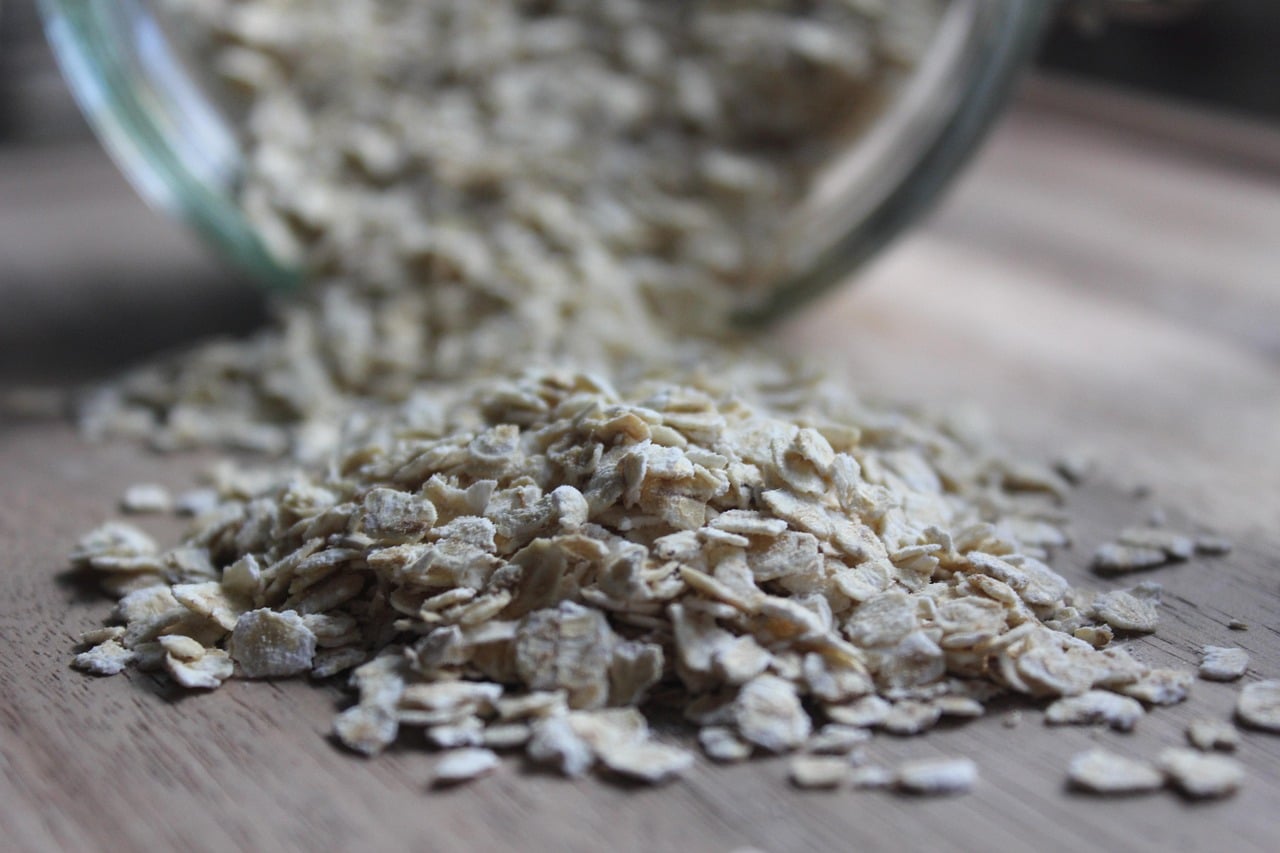
What looked like thrift was often technique. In Canadian home cooking, rolled oats were used as a binder because they absorbed moisture gradually and helped hold ground meat together without turning dense.
That habit had roots in Depression era cooking, when stretching meat mattered. Oats cost less than meat, were easy to keep in the cupboard, and let a cook feed more people from the same package of ground beef.
The result was not just economical. Oats also added fiber and a softer interior texture, giving the loaf a sliceable structure that still felt moist when served hot.
Why breadcrumbs changed the texture
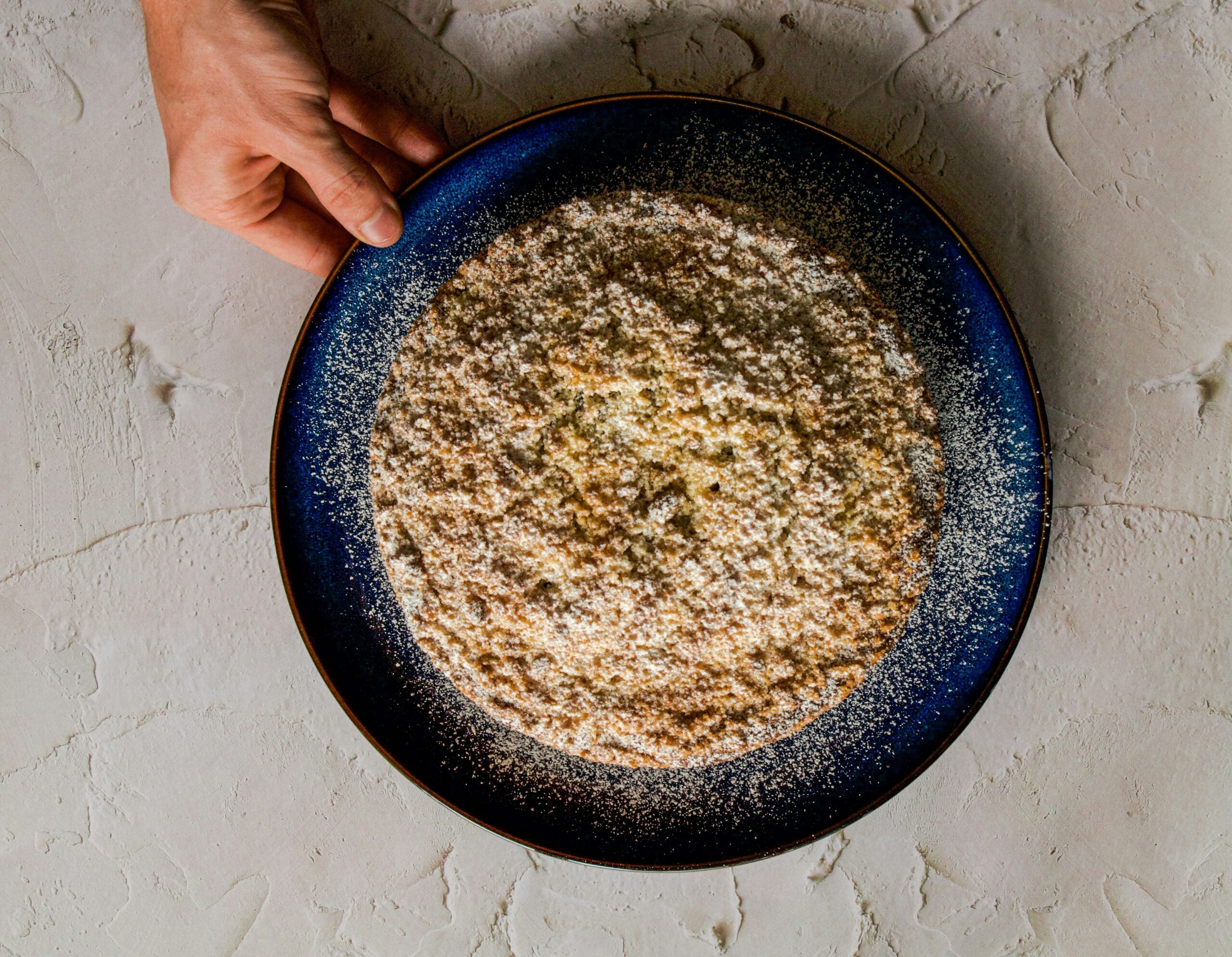
Modern meatloaf recipes often call for fresh or dry breadcrumbs, and the switch sounds harmless. In practice, breadcrumbs can soak up moisture quickly, then leave the loaf feeling tighter and drier once baked through.
That difference matters because meatloaf is a balancing act between structure and juiciness. A binder should support the meat, not pull too much liquid away from it as it cooks.
Breadcrumbs still have uses, especially in lighter mixtures or when milk is added generously. But in a simple beef meatloaf, oats often create a more forgiving texture, especially for home cooks who do not measure with strict precision.
A better fit for Canadian pantry cooking
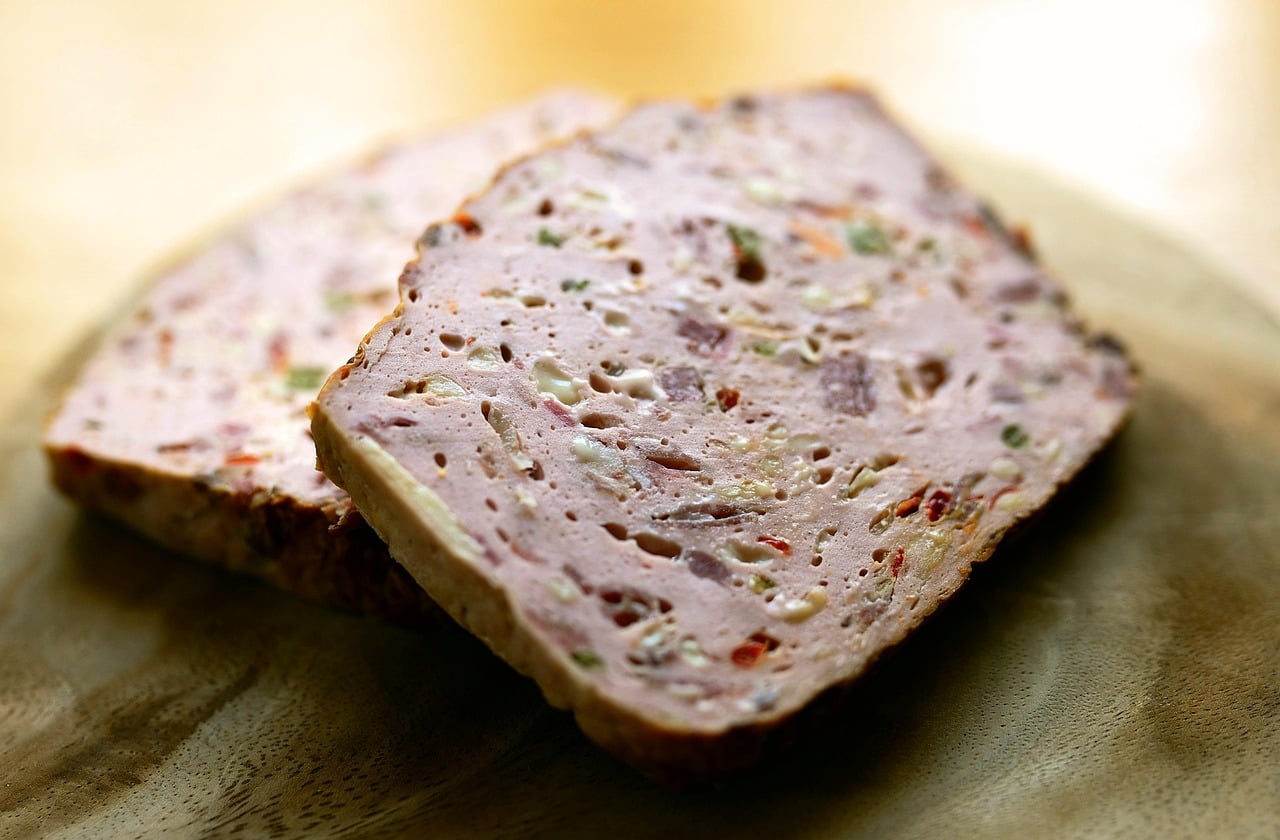
The older style meatloaf also matched the realities of midcentury Canadian kitchens. Families often relied on pantry ingredients that were inexpensive, filling, and versatile, and oats fit that pattern perfectly.
A bag of rolled oats could go into porridge, baking, or supper. That made it easier to justify buying in quantity, and it meant the binder for meatloaf was already on hand instead of being a special ingredient.
This kind of cooking valued reliability over novelty. The loaf had to work on a weeknight, reheat well the next day, and satisfy adults and children alike, which is exactly where the oat version excelled.
The nutrition edge people now notice again
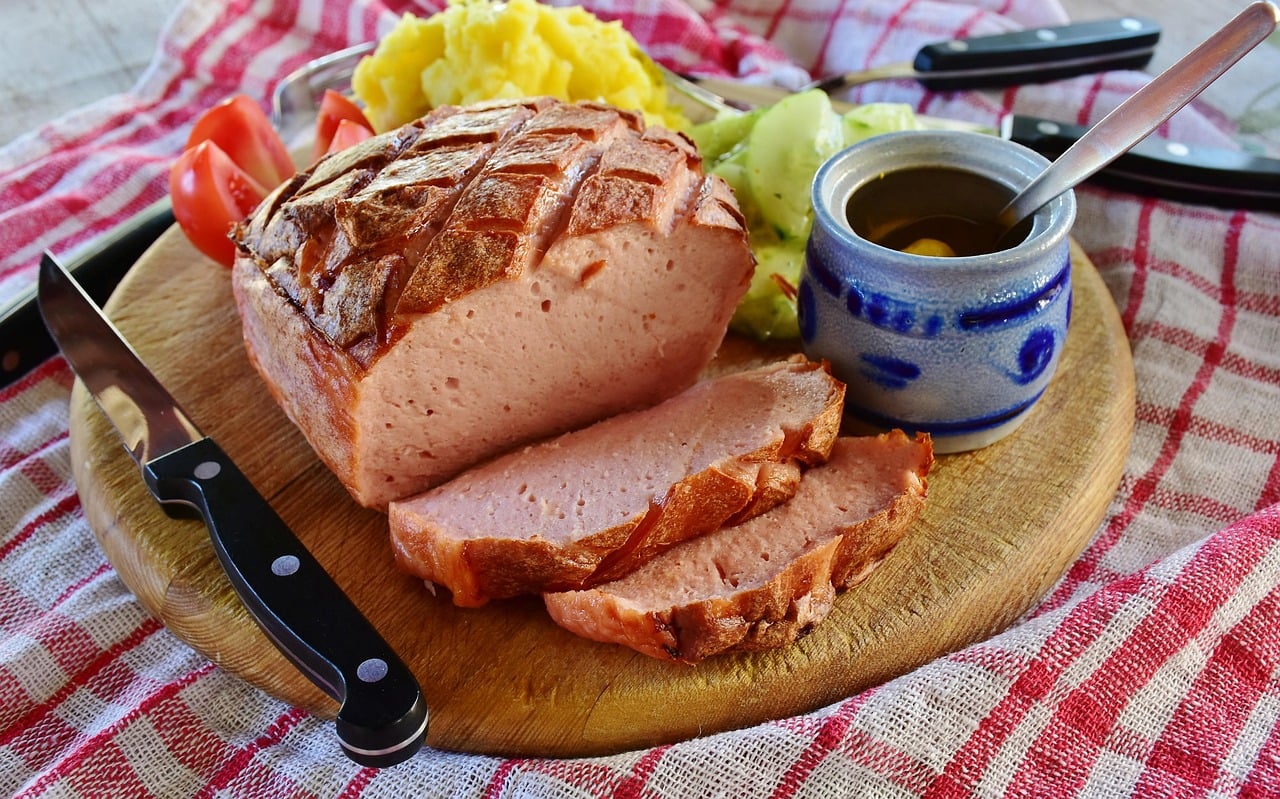
What many cooks saw then as simple thrift now reads as nutritional common sense. Oats bring fiber, minerals, and a slower digesting starch than many refined breadcrumb options.
That does not turn meatloaf into health food, but it does improve the balance of the dish. A loaf made with oats can be more filling without requiring extra meat, which helps portion costs and can moderate heaviness at the table.
In that sense, the older recipe was ahead of current habits that favor whole grains and less processed pantry staples. The smart part was that nobody had to call it a trend for it to work.
Moisture was the real genius
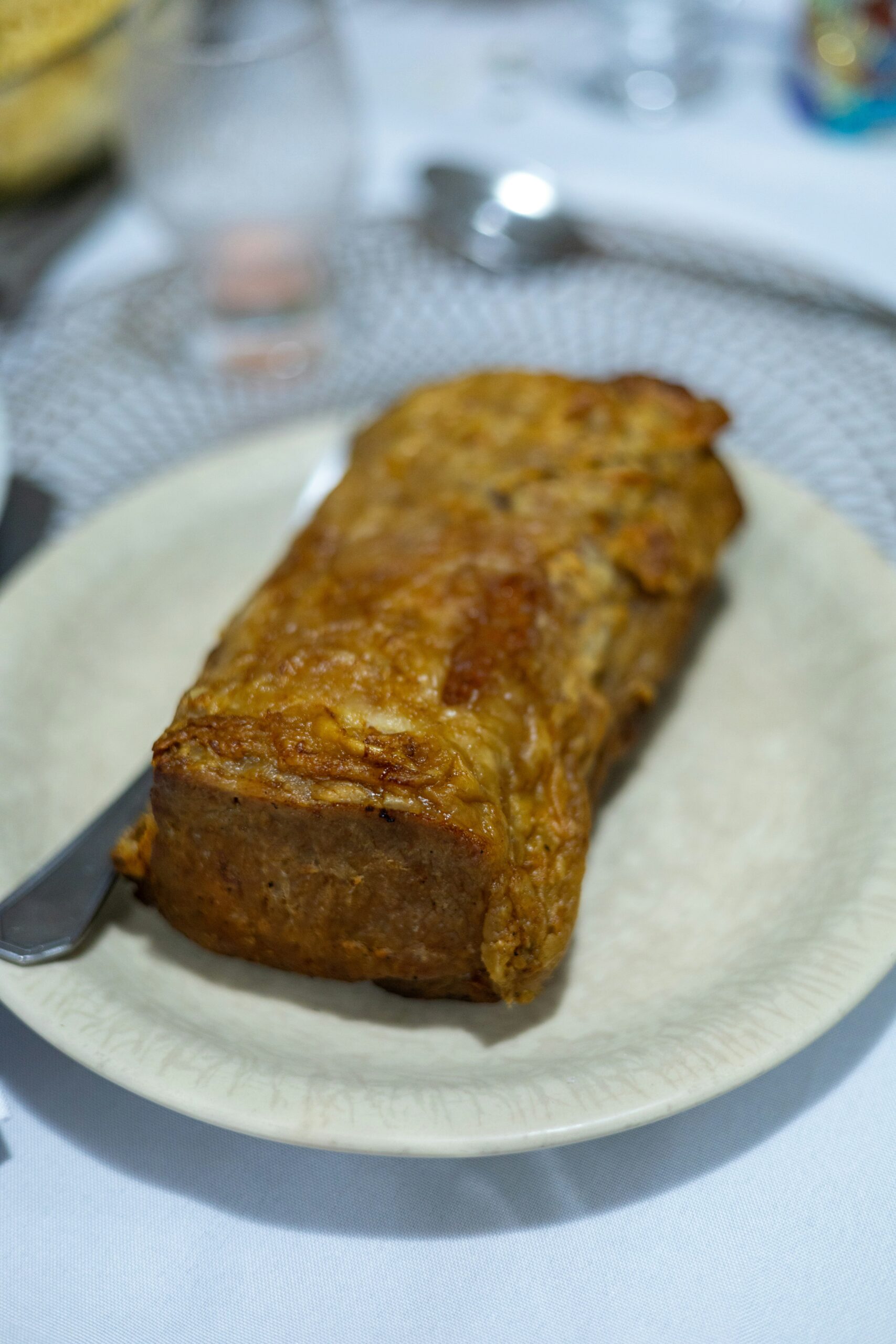
The biggest advantage of the old method was moisture control. Oats swell as they absorb liquid from eggs, milk, grated onion, or the meat itself, and they do it in a way that supports tenderness instead of turning pasty.
That helped protect the loaf during baking, especially in ovens that ran hot or unevenly. A grandmother did not need modern food science language to understand that the mixture should feel soft before it went into the pan.
This is why many older meatloaves stayed pleasant even as leftovers. The texture held, slices stayed neat, and the loaf did not crumble or dry into a stiff block by the second meal.
Why the old version still deserves a comeback
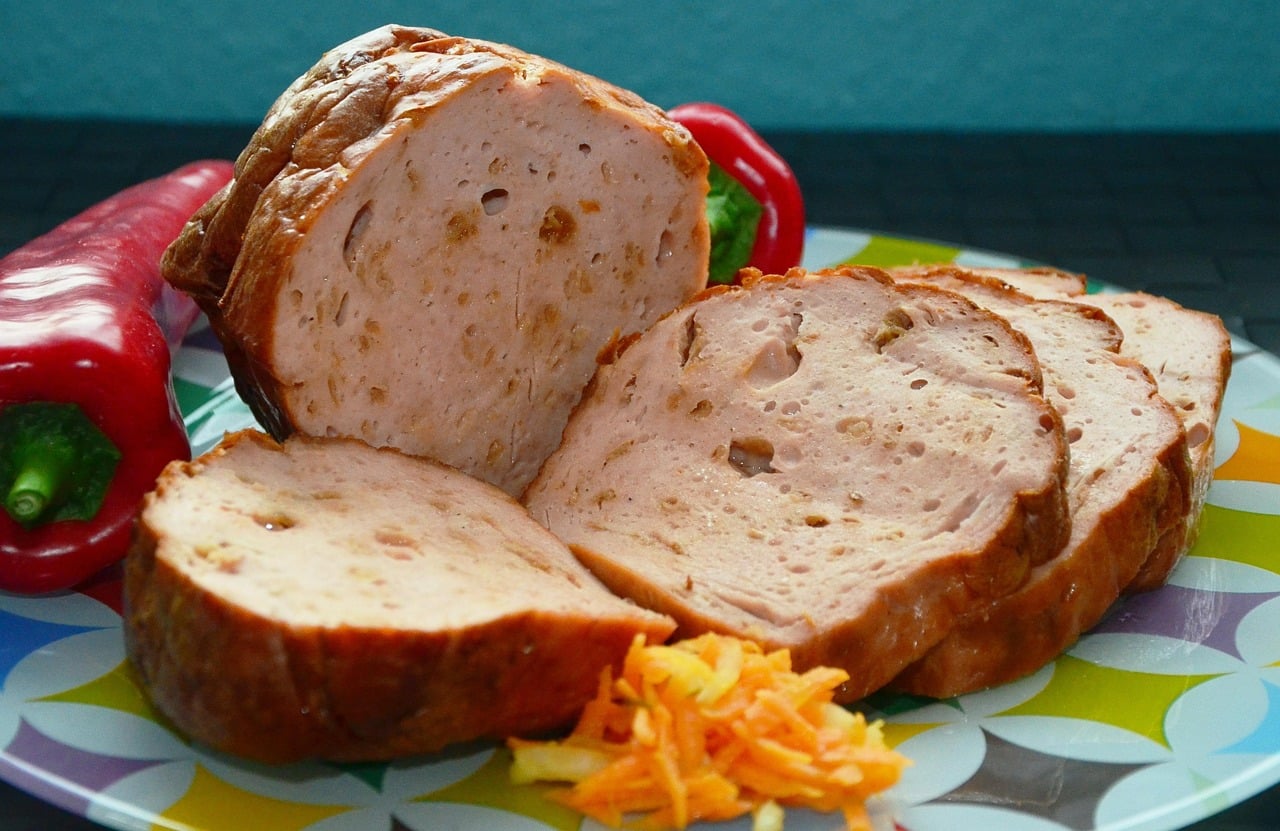
The lesson from Canadian meatloaf is not that every old recipe was better. It is that some traditional methods solved problems modern recipes accidentally reintroduced.
Using oats made the loaf cheaper, more nourishing, and often more tender than breadcrumb heavy versions. That is a rare combination, especially in a dish built to be practical.
Your grandmother's meatloaf was clever because it respected ingredients, budget, and appetite at the same time. What looked plain on the plate was, in fact, a very efficient piece of home cooking.




Leave a Reply