
Canada is putting new money behind agricultural research that could shorten the wait for better seeds. The federal investment centers on AI, crop breeding, and the practical problems Eastern Canadian farmers face in the field.
A federal boost for crop research
The Government of Canada announced up to $571,521 over 3 years for Céréla Inc. through the AgriScience Program, Projects Component. The funding sits under the Sustainable Canadian Agricultural Partnership, a 5 year, $3.5 billion agreement running from 2023 to 2028.
The announcement was made by Daniel Gobeil on behalf of Agriculture and Agri-Food Minister Heath MacDonald, alongside Joël Lightbound. The support is aimed at research that can help farmers access stronger crop varieties sooner.
At its core, this is an investment in pre commercial applied science. That matters because farmers often wait years for new seed varieties to move from the lab to the marketplace.
Why AI matters in plant breeding
Traditional crop breeding is slow. According to Agriculture and Agri-Food Canada, developing a new variety usually takes more than ten years from the first genetic crosses to commercialization.
Céréla plans to use artificial intelligence to cut into that timeline. In practical terms, AI can help researchers analyze plant traits faster and identify promising breeding paths sooner than older methods alone.
The promise here is speed with a purpose. If useful traits can be developed years faster, growers may get access to seeds that are better suited to disease pressure, changing weather, and market demands before those problems deepen.
Soybeans built for Eastern Canada
One major target is soybeans adapted to Eastern Canada's growing conditions. That focus reflects the crop's weight in Canadian agriculture, with Canada producing about 7 million tonnes of soybeans each year.
The regional angle is important too. In 2023, Ontario and Quebec accounted for 70% of Canada's total soybean acreage, making Eastern Canada a key place for research that can pay off quickly on farms.
Céréla's soybean work will focus on varieties without anti trypsin factors. Those compounds can limit how soybeans are used, so breeding them out could improve the crop's value while keeping the project tied to practical farm and market needs.
Barley with stronger disease resistance
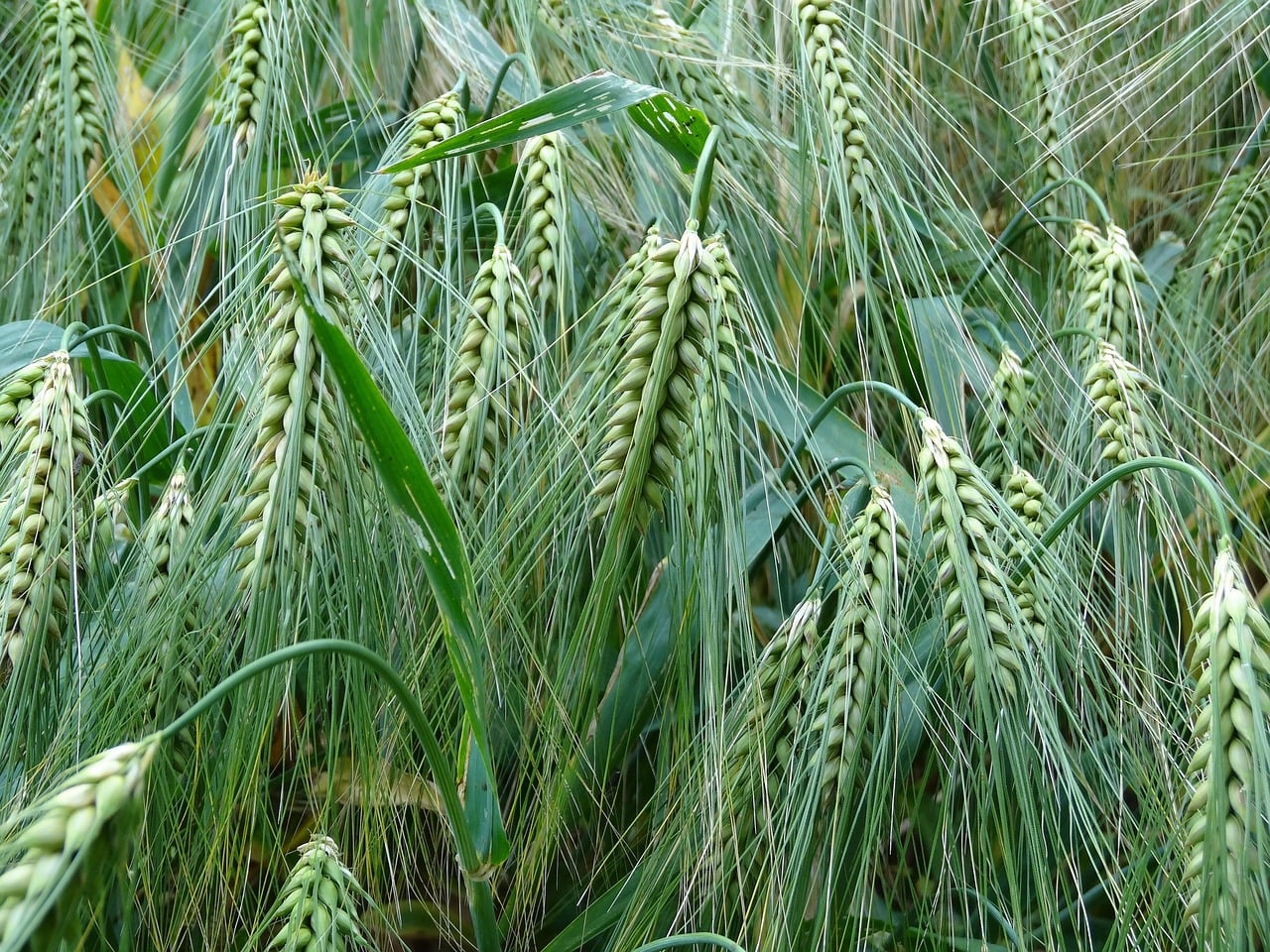
The barley side of the project is just as specific. Céréla is working on barley that resists Fusarium head blight, a damaging plant disease that can hurt both yield and grain quality.
That goal has special relevance in Quebec, where barley accounts for about 11% of all grain production. A more resilient barley variety could help reduce one of the major risks growers face during the season.
This is where the AI angle meets a very visible farm problem. Faster breeding is not just about efficiency on paper, it is about getting disease resistant seed into farmers' hands sooner, before repeated losses chip away at profitability and stability.
The company behind the project
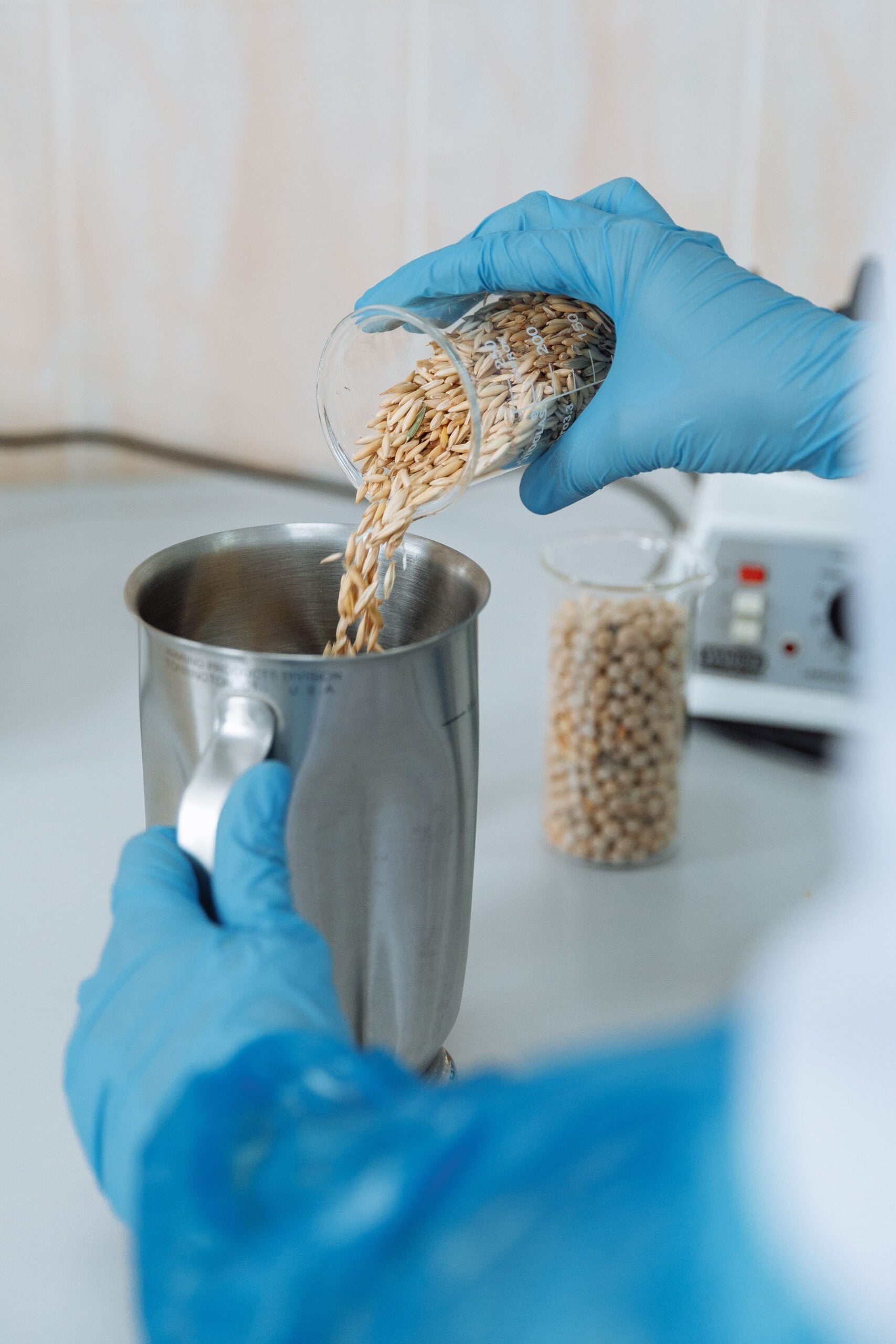
Céréla Inc. was established in 2010 and specializes in developing non GMO varieties of wheat, barley, oats, and soybeans for Canadian and international markets. That existing focus helps explain why the company is positioned to lead this kind of targeted breeding work.
Owner Dominique Lanoie said the investment comes at a particularly important time for Canadian agricultural research. His point echoes the wider challenge facing the sector, which is to be more productive, innovative, and competitive.
For readers, the takeaway is simple. This is not a new company stepping into an unfamiliar field, but a crop developer already working in the exact area the federal funding is meant to strengthen.
What the investment could mean for farmers
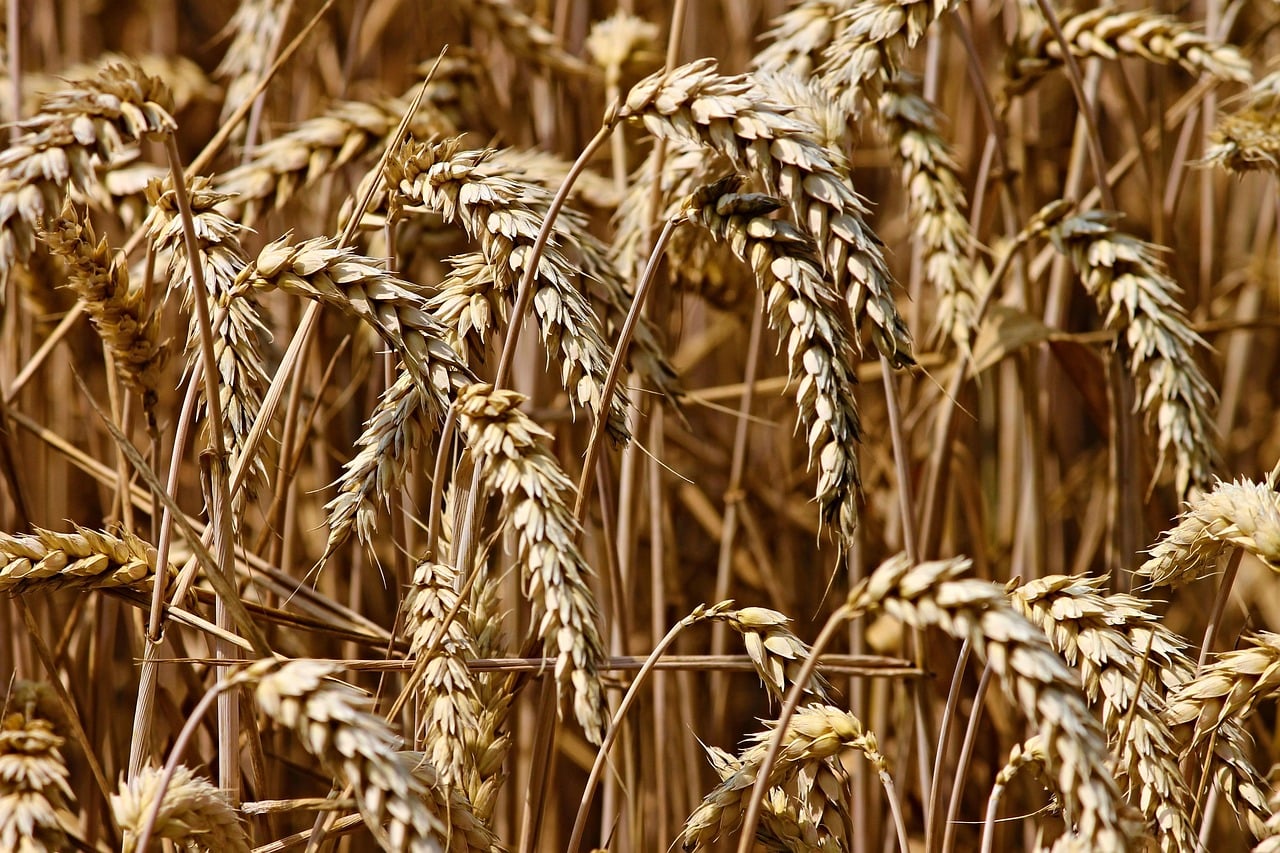
Federal officials framed the project as a response to several pressures at once: plant disease, extreme weather, food supply protection, and economic competitiveness. The expected benefit is quicker access to high yielding, resilient soybean and barley varieties.
Heath MacDonald said innovation helps put resilient seeds into farmers' hands sooner. Daniel Gobeil linked the funding to the need for tools that help farm businesses stay viable in a changing climate.
The project also fits into a broader policy picture. While this announcement comes through the AgriScience Program, the government said it complements other efforts, including the separate $3.2 billion National Food Security Strategy launched on June 11, 2026.




Leave a Reply