
Canada and the four Atlantic provinces are extending a major seafood funding program for another five years. The renewed Atlantic Fisheries Fund pairs federal and provincial money to support projects that can help Atlantic seafood businesses adapt, innovate and sell into more markets.
The $300 million commitment
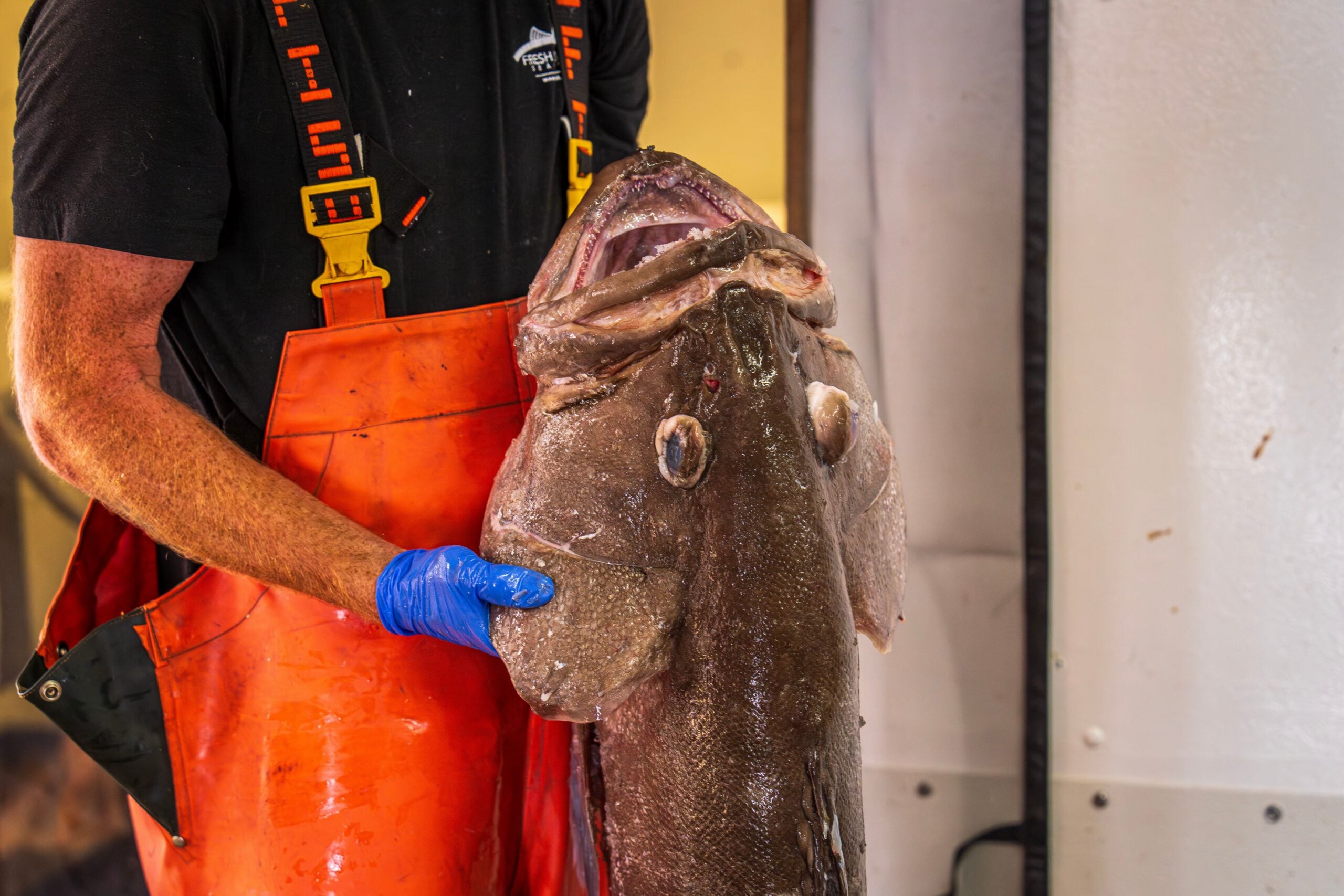
The renewed Atlantic Fisheries Fund will invest over $300 million in projects across Atlantic Canada over the next five years. The funding is shared between the Government of Canada and the provinces of Nova Scotia, New Brunswick, Prince Edward Island, and Newfoundland and Labrador.
This time, the cost split is 60% federal and 40% provincial. That is a notable shift from the original fund, which launched in 2017 with over $370 million and a 70/30 split between Ottawa and the Atlantic provinces.
Minister of Fisheries Joanne Thompson announced the renewal alongside Kent Smith of Nova Scotia, Pat Finnigan of New Brunswick, Ernie Hudson of Prince Edward Island, and Loyola O'Driscoll of Newfoundland and Labrador. The fund began accepting applications the same day as the announcement.
A new push beyond traditional markets
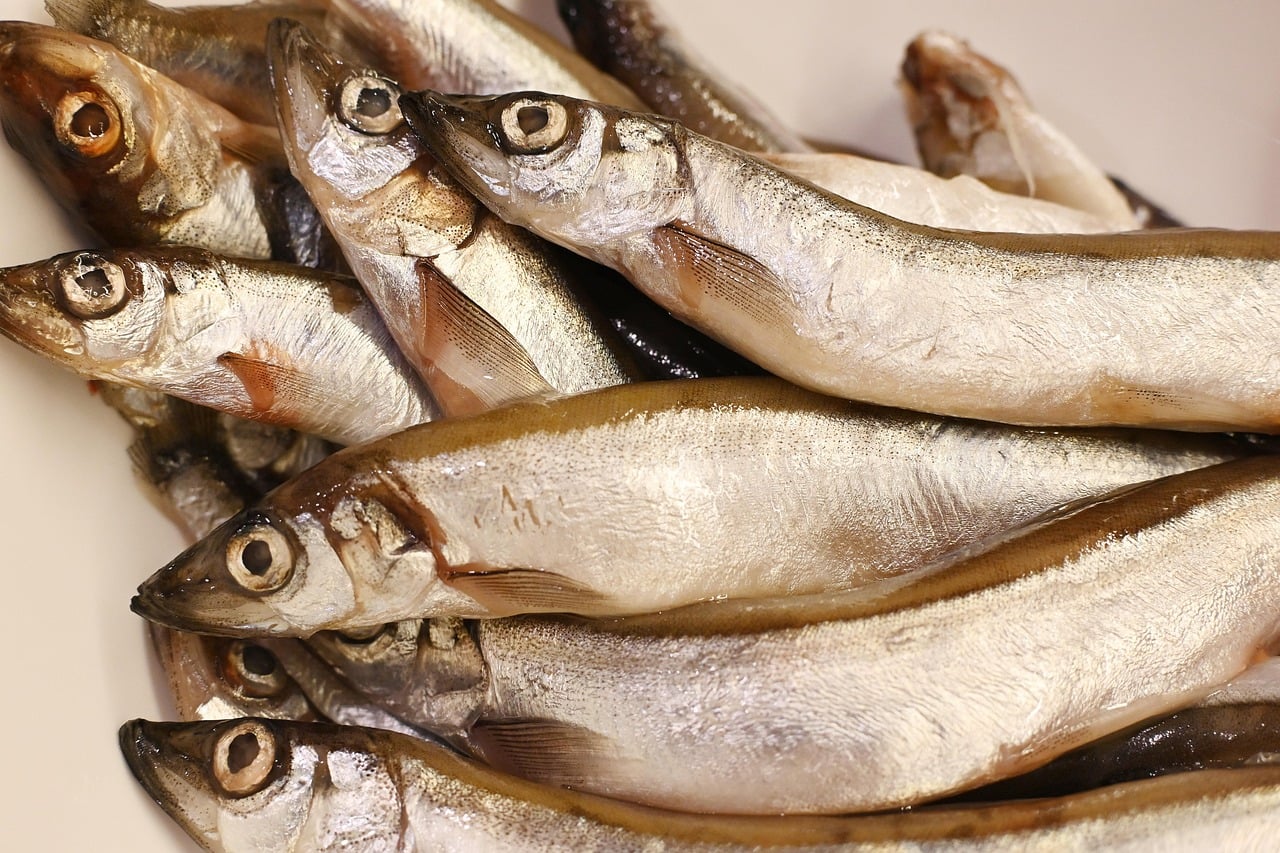
The headline change in the renewed program is a new pillar called Market Diversification. It is designed to help seafood businesses look beyond traditional buyers and become less exposed to global trade disruptions.
Eligible activities include export-focused advertising, market analysis, industry branding, promotion and advertising, and sharing research tied to market access requirements such as regulatory standards. In practical terms, that means support for the kind of groundwork companies need before a shipment ever leaves a dock or processing plant.
Federal officials described this new pillar as essential in a changing global economic landscape. The idea is straightforward: if Atlantic seafood reaches more countries and customer bases, the sector has a better chance of staying resilient when demand or trade rules shift in one market.
The three continuing pillars
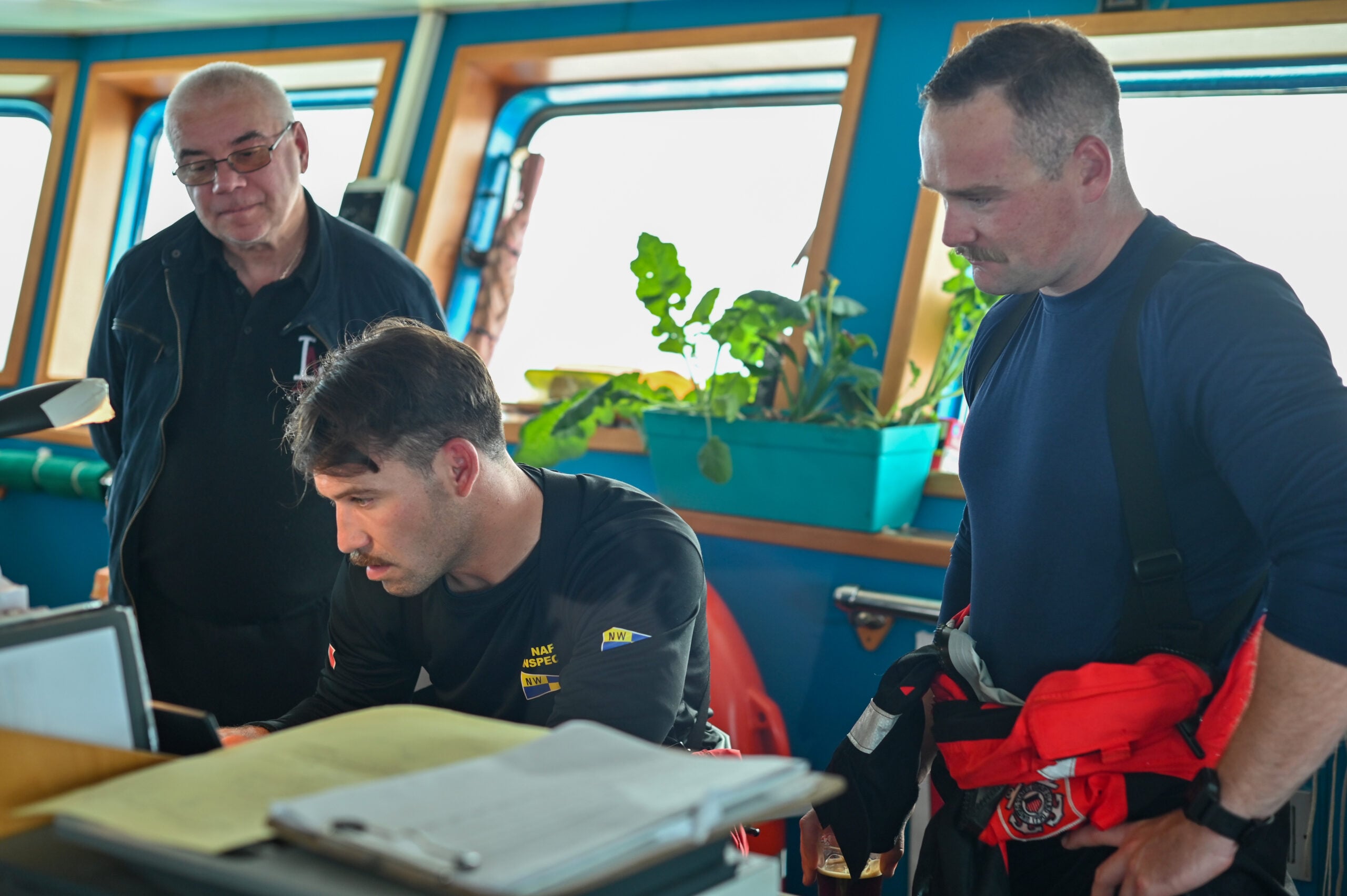
The renewed fund keeps three familiar areas from the earlier version of AFF: Innovation, Infrastructure, and Science Partnerships. Together, they cover much of the chain from research lab to vessel deck to processing line.
Innovation funding can support research and development that improves productivity and sustainability, along with partnerships and networks that encourage new ideas in the sector. Infrastructure support can help businesses adopt or adapt technologies, equipment, or processes that improve efficiency and sustainability.
Science Partnerships focus on industry-based work with academia and institutions. These projects are meant to build knowledge around changing oceanographic conditions, adaptability measures, and sustainable harvesting technology, all issues that matter more as ocean conditions continue to change.
What the first fund already backed
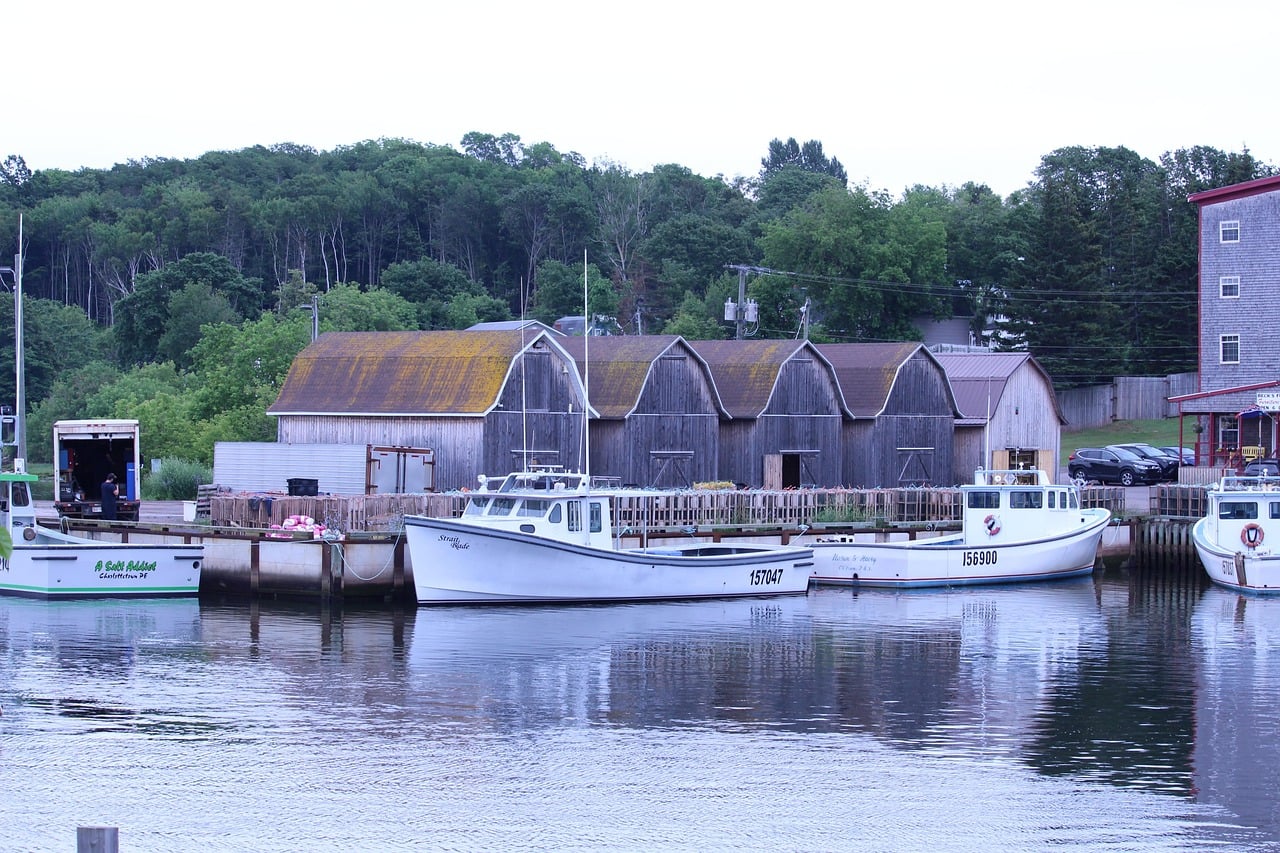
The original Atlantic Fisheries Fund offers a useful picture of the kinds of projects this money can touch. From its start in 2017 to March 31, 2026, the program funded 1,331 projects across the Atlantic region.
Those projects included innovation in seafood processing, freezing, packing, and shipping. Other support went to scientific partnerships studying climate impacts, infrastructure upgrades aimed at improving efficiency for workers, and vessel upgrades for live storage of lobsters.
That matters because the renewed program is not starting from scratch. The earlier categories remain eligible, so businesses already familiar with AFF can continue developing projects while the new market diversification stream adds a fresh export and branding focus.
Why provinces are highlighting local impacts
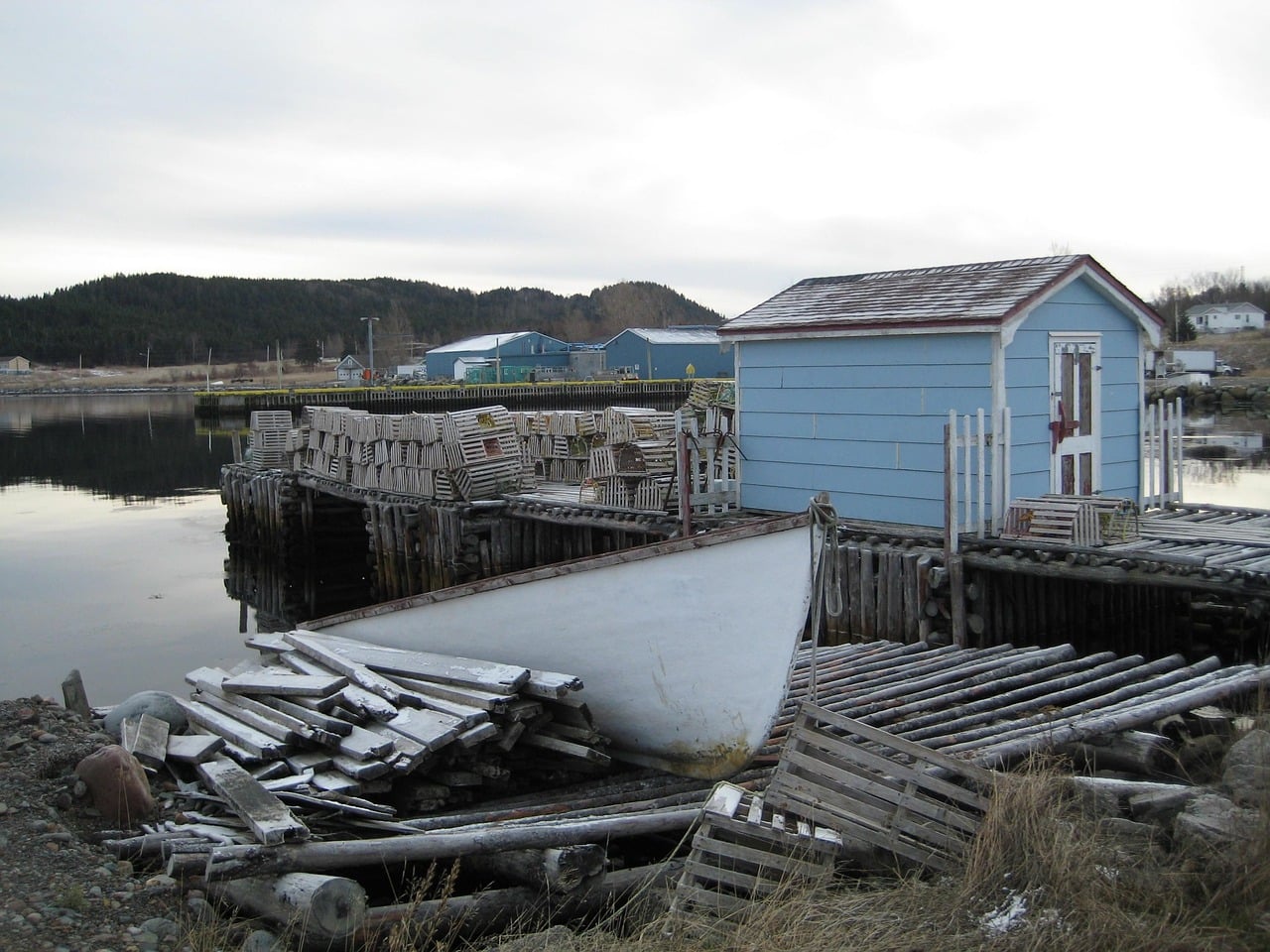
Each province tied the renewed fund to jobs, competitiveness, and coastal community stability. That reflects how deeply the fish and seafood sector is woven into many Atlantic communities, from harvesters and processors to aquaculture operators.
In New Brunswick, Pat Finnigan said the fund will help businesses invest in innovation, strengthen competitiveness, and create opportunities for future growth. In Nova Scotia, Kent Smith described seafood as a cornerstone of the provincial economy, with potential to contribute even more to GDP growth.
Prince Edward Island and Newfoundland and Labrador put special emphasis on market access and sustainable growth. Ernie Hudson said he was particularly pleased with the new focus on market development and diversification, while Loyola O'Driscoll linked the agreement to rural and coastal communities, employment, and long-term industry prosperity.
What businesses can apply for now
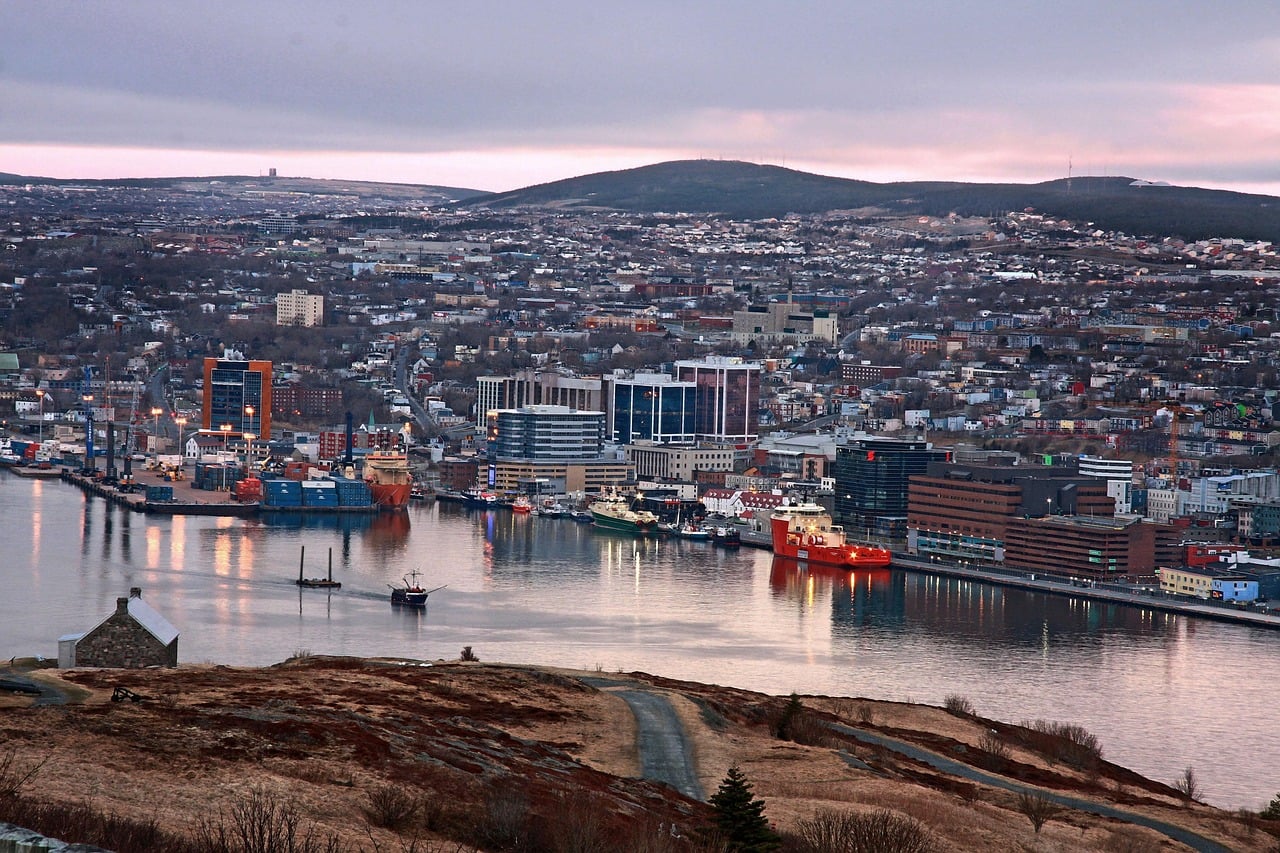
Applications for the renewed Atlantic Fisheries Fund are now open. Projects must align with one of the four pillars: Market Diversification, Innovation, Infrastructure, or Science Partnerships.
That means a seafood company looking to improve packing or freezing equipment could still fit the program, but so could a project built around branding, export promotion, or understanding regulatory requirements in a new market. The structure is broad by design, covering both physical upgrades and market strategy.
Fisheries and Oceans Canada says AFF staff are available to help proponents develop proposals and answer questions. For Atlantic seafood businesses, the message is clear: the next phase of the fund is meant not only to support what happens on the water and in plants, but also to help more of that seafood find buyers around the world.




Leave a Reply