
Canada's food identity is often painted as wholesome and rugged. But some of its most iconic products become controversial the moment they cross a border.
Raw milk cheese and the safety divide
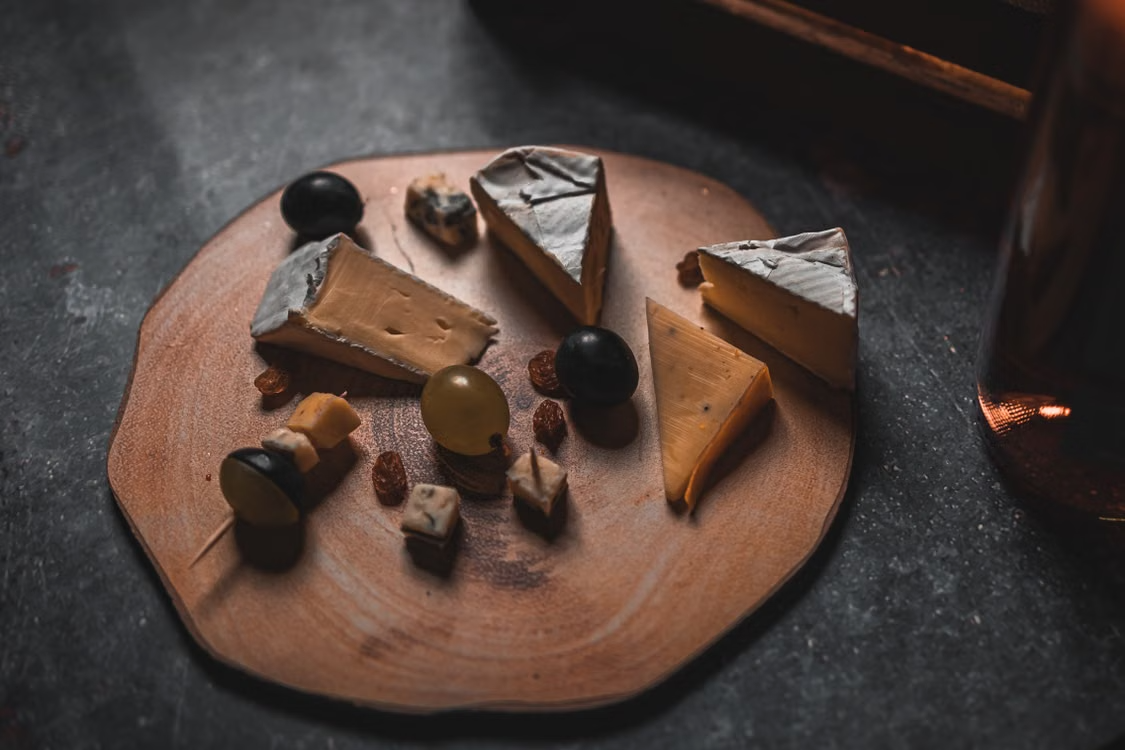
Few foods show global regulatory differences more clearly than raw milk cheese. Canada produces respected raw milk cheeses, especially in Quebec, where traditional methods are central to the craft and flavor profile.
The issue is not taste but microbiology. Because raw milk is not pasteurized, regulators in some countries treat it as a higher-risk product that can carry pathogens such as Listeria, E. coli, and Salmonella if production controls fail.
The United States allows some raw milk cheeses if they are aged at least 60 days, but other jurisdictions impose tighter standards or practical barriers that make import and sale difficult. Australia has historically been especially strict, though some categories have been reassessed under controlled rules.
For Canadian producers, this means a cheese celebrated at home may be blocked abroad not because it lacks quality, but because another country defines acceptable risk very differently. Food law, not flavor, often decides where it can be sold.
Seal meat and the politics of hunting

No Canadian food has sparked more international backlash than seal meat. In Inuit and other northern communities, seal is not a novelty item. It is a traditional food tied to nutrition, culture, and local economies in places where imported food is often expensive and limited.
Opposition abroad has centered on animal welfare. The European Union banned trade in many seal products, while allowing narrow exemptions linked to Indigenous hunts. That distinction matters legally, but in practice the broader market for seal-derived goods collapsed.
The ban affected more than luxury pelts. It also damaged the commercial viability of seal meat exports, since food markets rarely operate in isolation from public opinion. Once a product becomes politically charged, restaurants and retailers tend to avoid it even where it may still be technically legal.
Canada has repeatedly argued that its seal hunt is regulated and humane under federal oversight. Still, moral objections in foreign markets have proven stronger than Canada's case for sustainable management and cultural legitimacy.
Haggis-style products and the lung problem

Canada is home to Scottish culinary traditions, particularly in Atlantic Canada and parts of Ontario, where haggis-style preparations appear at Burns Night dinners and specialty butcher shops. Trouble begins when recipes include sheep lung, a traditional ingredient in classic haggis.
The United States has long prohibited the use of livestock lung in food for human consumption. The concern relates to the possibility of contaminants such as stomach fluids entering the lungs during slaughter, creating food safety and inspection challenges.
That rule means a Canadian-made haggis containing lung cannot legally enter the American market in its traditional form. Producers who want to export must reformulate the recipe, usually replacing lung with other offal while trying to preserve texture and depth.
This is a clear example of how a culturally authentic food can become "banned" in practice because one component violates foreign inspection rules. The product name may survive, but the original recipe often does not.
Unpasteurized milk and direct sale restrictions
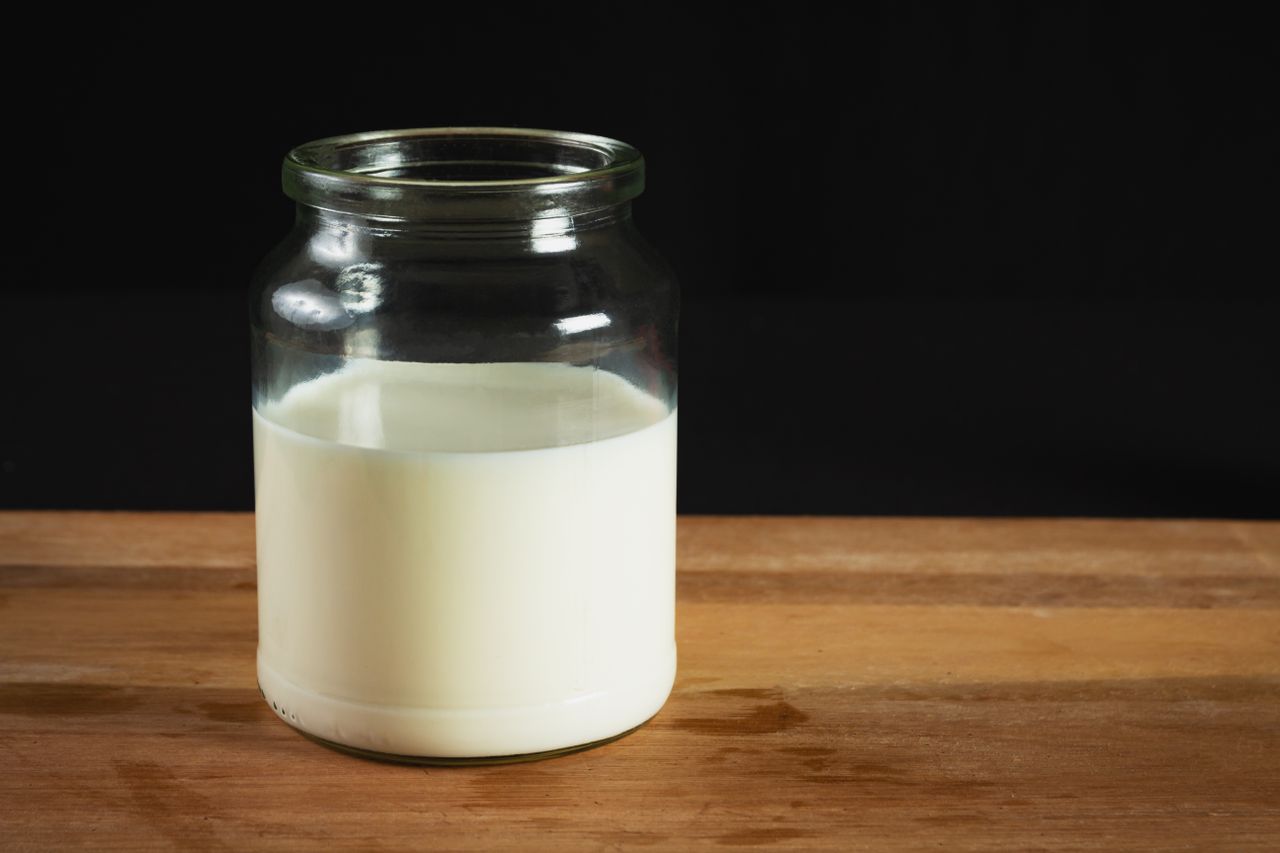
Fluid raw milk is another flashpoint. In Canada, the retail sale of unpasteurized milk is broadly prohibited across provinces, yet the broader international picture is even more fragmented, with some countries allowing limited farm-gate sales and others banning distribution almost entirely.
When raw milk products are shipped or promoted internationally, they can run straight into foreign public health law. Many regulators view raw milk as an avoidable hazard because pasteurization sharply reduces the risk of bacterial illness without requiring consumers to judge safety themselves.
That matters for Canadian farms trying to market old-world dairy traditions. A product admired in one country as natural and artisanal may be classified elsewhere as unsafe for ordinary commerce, particularly after outbreaks tied to raw dairy in Europe and North America shaped policy.
So while raw milk is not a mainstream legal food export from Canada, its restrictions still illustrate a bigger truth. "Natural" foods do not travel freely when governments disagree over baseline safety standards.
Farmed salmon and import health barriers
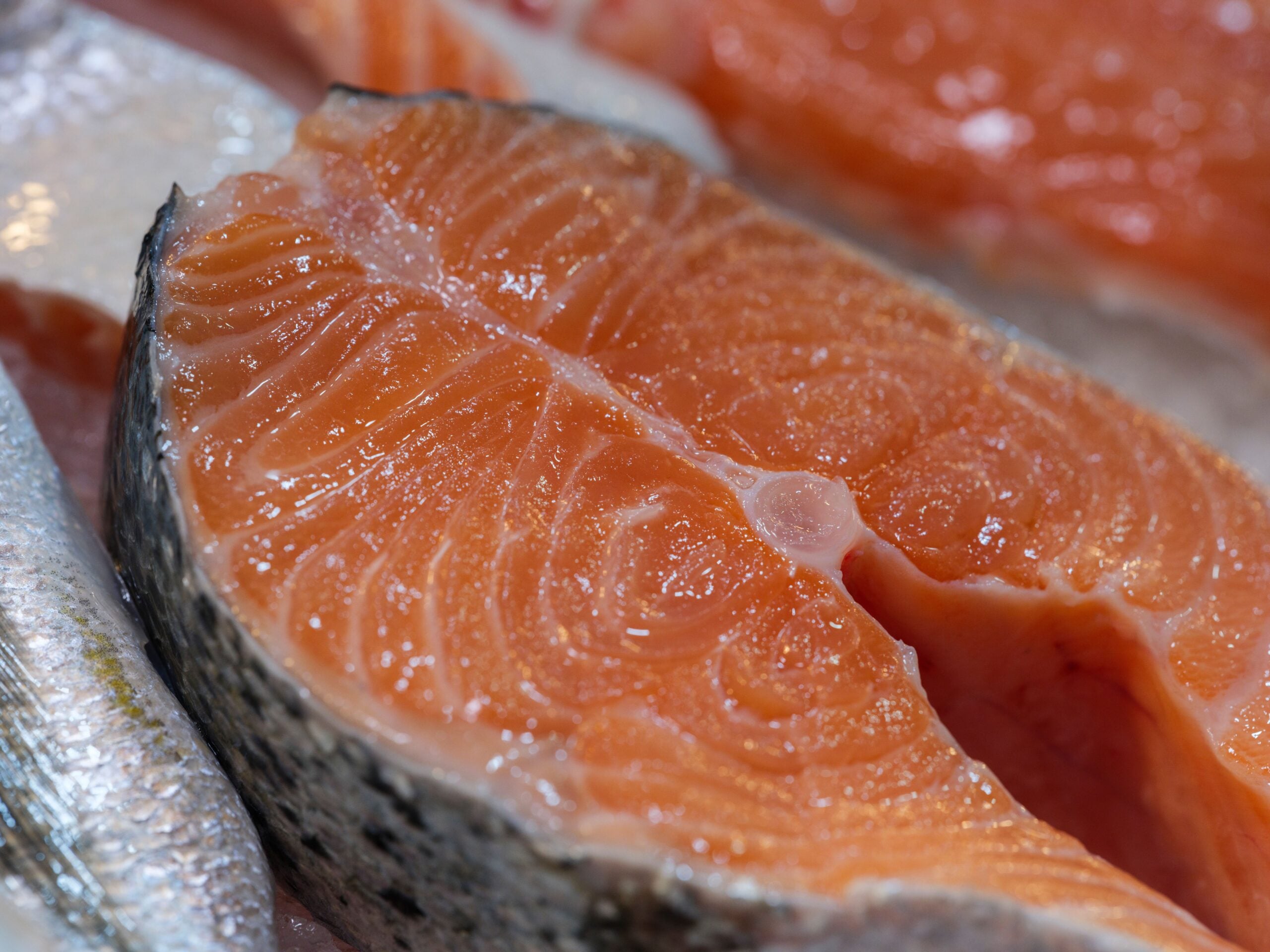
Canadian salmon is globally recognized, but fish exports can face rejection when importing countries detect disease concerns, parasites, or residue issues. In these cases, the ban is usually not against salmon as a food itself, but against shipments from a place, producer, or health status category.
Australia, for example, spent years tightly controlling salmon imports over fears of introducing fish diseases into local ecosystems. The argument was biosecurity, not consumer disgust, and the stakes included wild fisheries as well as domestic aquaculture.
Trade disputes over salmon have shown how food bans can be shaped by environmental protection as much as by kitchen safety. According to World Trade Organization case history, countries often defend such controls as scientifically necessary even when exporters see them as disguised trade barriers.
For Canadian seafood companies, that distinction matters little in practice. If a destination market refuses entry, whether for pathogens, parasites, or ecosystem risk, the commercial outcome is the same: a prized national product is shut out.
Horse meat and the market stigma factor

Horse meat is legally produced and consumed in parts of Canada, and Quebec in particular has been associated with it for both domestic use and export. Yet in many countries, especially English-speaking ones, horse occupies a cultural category closer to companion animal than livestock.
That emotional divide can translate into bans, import restrictions, or market collapse. The United States has not had a stable legal and commercial pathway for horse slaughter and sale in the way some other countries do, and public opinion has remained intensely hostile.
European scrutiny has also affected the sector, especially after the 2013 horse meat labeling scandal exposed major weaknesses in traceability across supply chains. The scandal did not target Canada specifically, but it sharpened oversight and consumer suspicion around the product.
Horse meat shows that food bans are not always about contamination or disease. Sometimes they are driven by ethics, identity, and trust, which can be just as powerful as science in determining what the world will or will not eat.




Leave a Reply