
Polished food content is no longer guaranteed to win attention online. Across social platforms, older home cooks, especially grandmothers, are drawing large audiences with practical recipes, calm authority and meals people actually want to make, and that shift is giving chefs in Canada a lot to think about.
The appeal of the unpolished kitchen
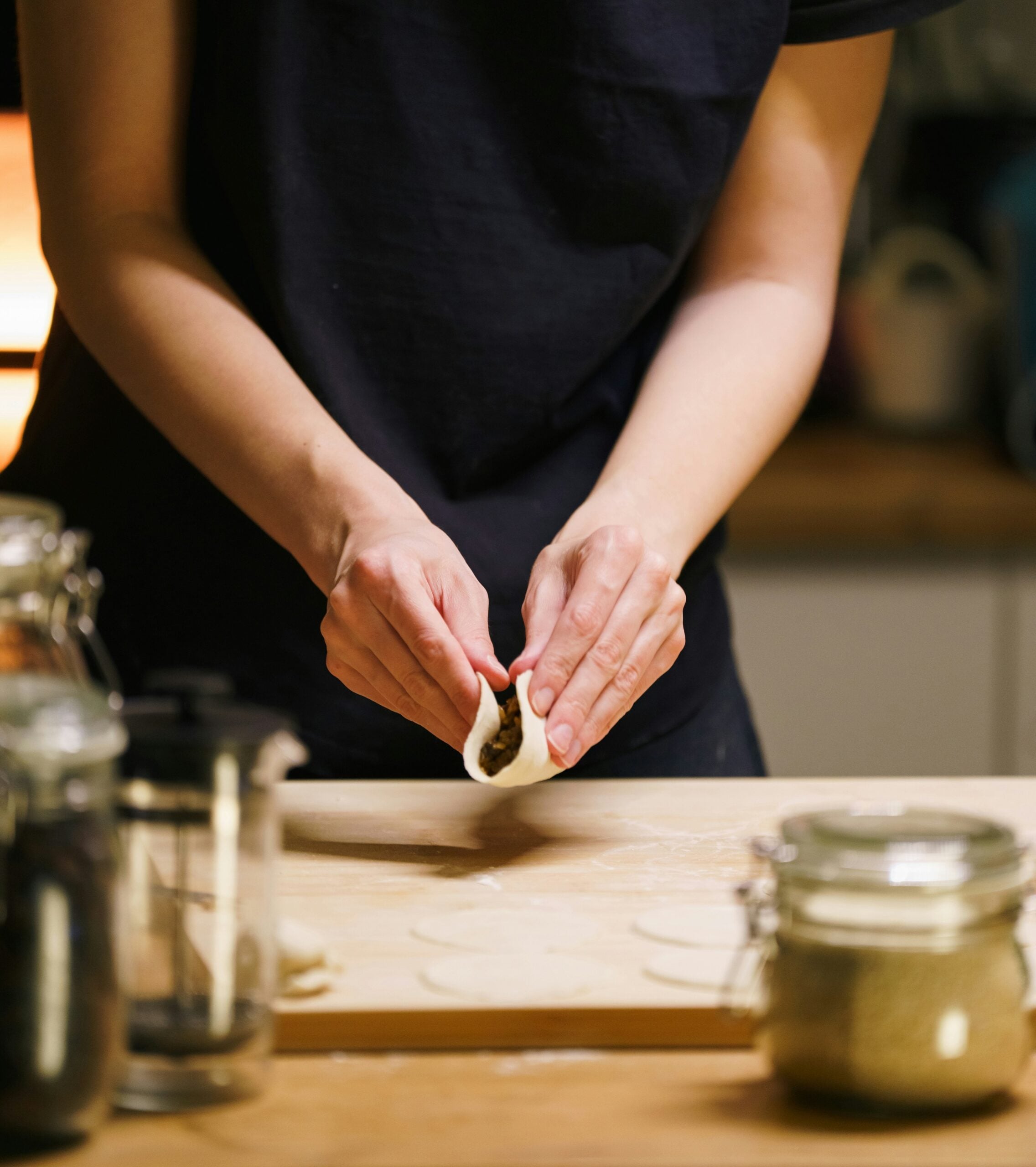
A carefully lit test kitchen used to signal credibility. Now, many viewers respond more strongly to a regular home kitchen, a stained recipe card and a cook who measures by feel. The appeal is not sloppiness. It is proof that the food is real and that the person making it has done this for years.
That change matters because food content now competes with endless advice, trends and sponsored posts. Grandmothers often cut through that noise by showing routine, not performance. Their videos tend to focus on soup, dumplings, stews, preserves and baked goods, recipes tied to memory and repetition. For audiences tired of algorithm friendly tricks, that kind of cooking reads as trustworthy.
Why grandmother creators feel more believable
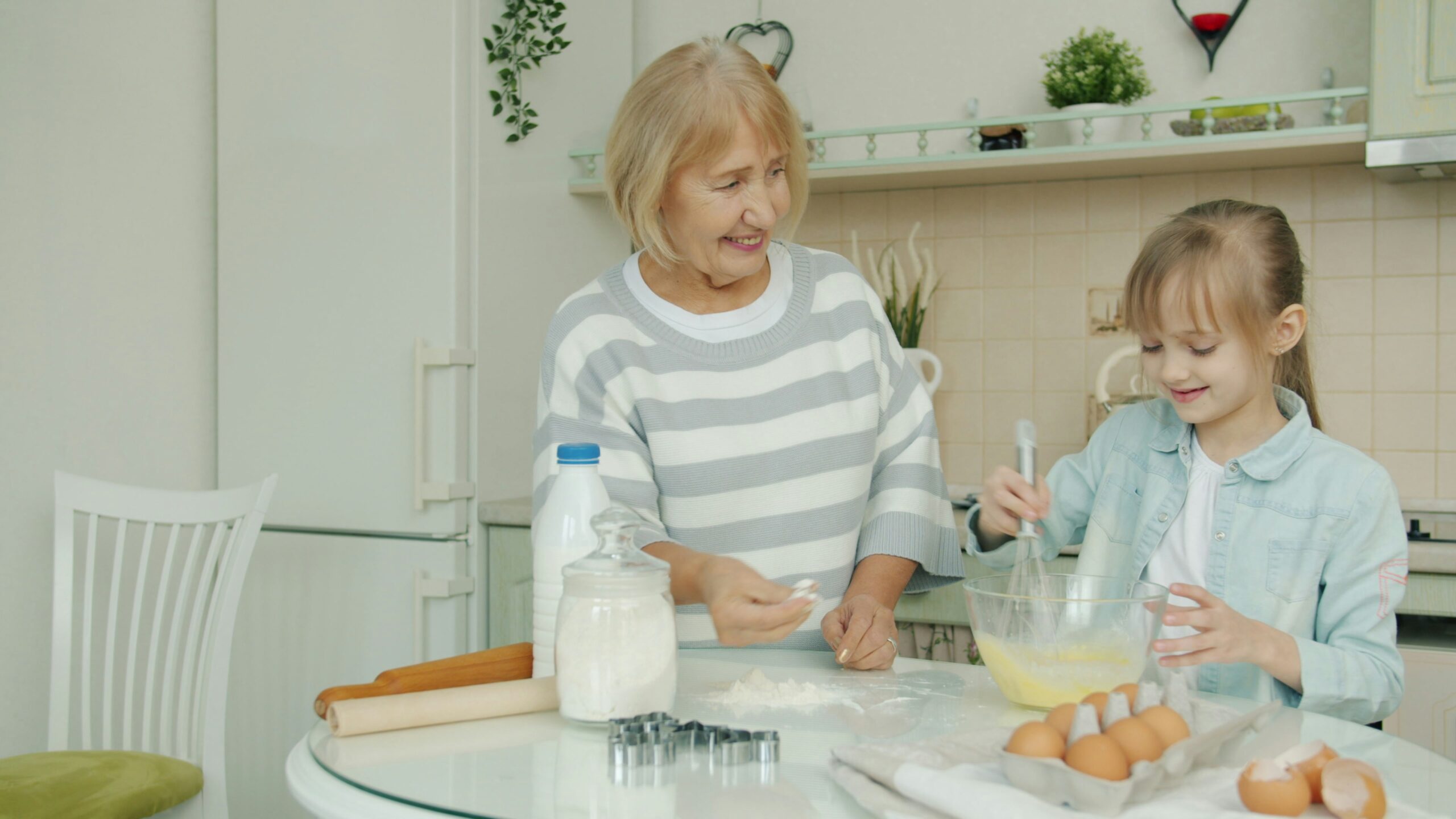
Trust is the currency of online food. Many grandmother led accounts feel believable because the recipes come with visible history. A hand rolling pierogi, pinching dumplings or stirring jam in a familiar pot communicates knowledge before a word is spoken.
That credibility is also emotional, but not in a vague way. Viewers often see techniques that have been passed down in families, including substitutions made during tight times and methods built around reducing waste. In Canada, where food prices have stayed a major household concern, practical cooking advice has extra weight. A creator who teaches how to stretch leftovers or make a filling meal from pantry basics can feel more useful than a trend driven food personality.
Canadian chefs are studying the shift
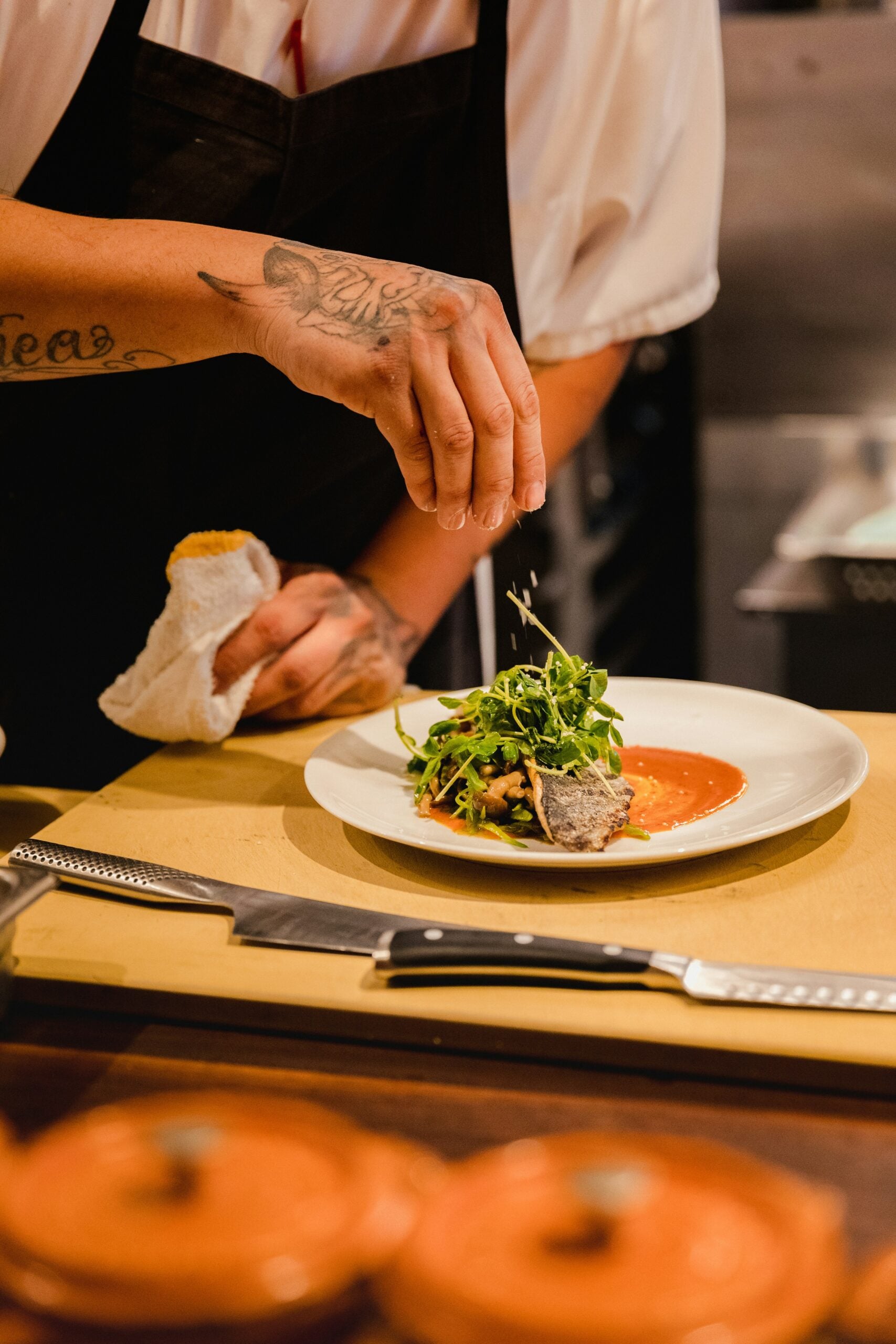
Chefs are not simply copying grandmother creators. The smarter ones are paying attention to what makes the videos work: clarity, confidence and food with a clear purpose. Restaurant cooks spend years refining plating and precision, but social audiences often reward a different skill, which is explaining why a dish matters and how it fits into daily life.
For Canadian chefs, that can mean highlighting family meals, staff recipes or regional comfort foods instead of only polished restaurant plates. It can also mean showing process without too much editing, so viewers understand texture, timing and mistakes. The lesson is not to act older. It is to make expertise feel useful and grounded.
Comfort food travels well on social media
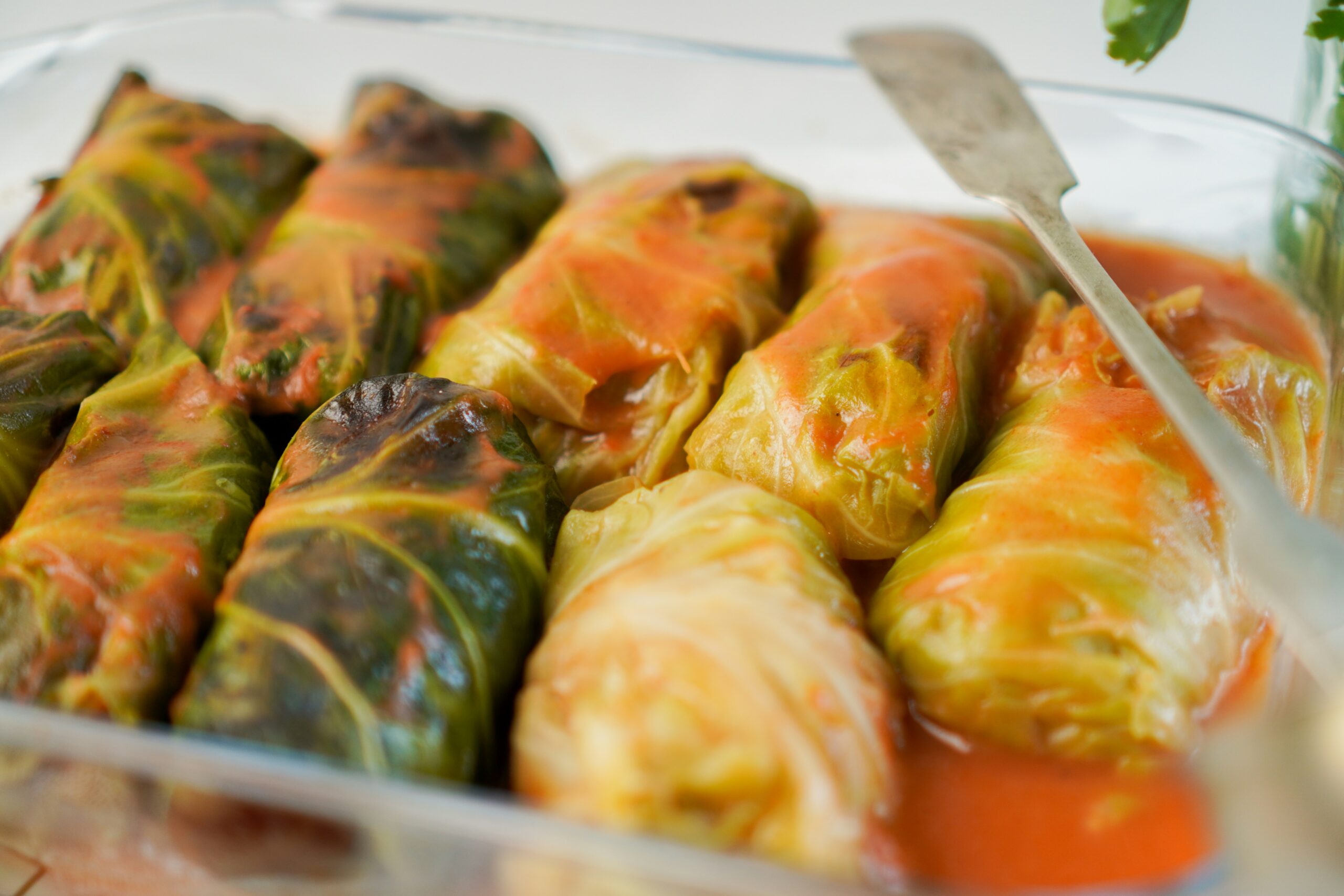
Not every dish benefits from a close up on a phone screen. Grandmother style food often does because it is visually legible. You can instantly read a tray of cabbage rolls, a pot of chicken soup or a loaf cake cooling on a rack. The food looks filling, recognizable and achievable.
That matters on fast moving platforms. People stop scrolling when they can imagine taste, effort and outcome in seconds. Comfort food also carries cultural identity well. In Canada, that can include French Canadian tourtière, Caribbean stews, Punjabi parathas, bannock inspired home baking or Ukrainian family dishes. A single recipe can communicate migration, season, thrift and celebration all at once.
The algorithm favors connection, not polish alone
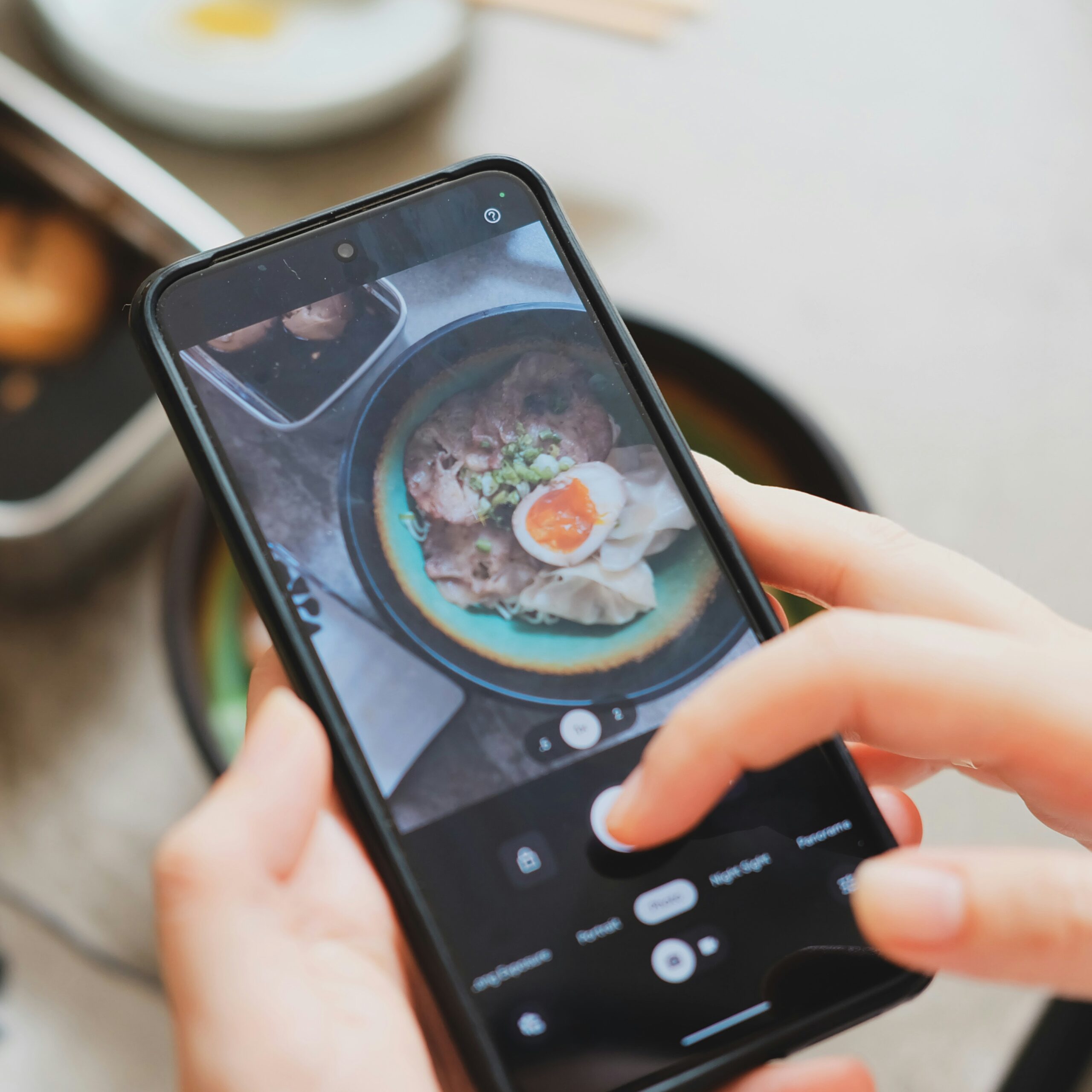
Social platforms still reward strong visuals, but polish by itself is no longer enough. Watch time, comments, saves and shares often rise when viewers feel they are learning from a person rather than being marketed to. Grandmother creators frequently invite that response by speaking plainly, moving at a human pace and offering recipes people can repeat without specialty tools.
That creates a strong feedback loop. A viewer saves the recipe, tries it, reports back and feels seen when the creator responds. Chefs and food bloggers who want similar loyalty may need to show more than finished dishes. They need to show habit, generosity and context, the things that turn content into a relationship.
What food creators are likely to borrow next
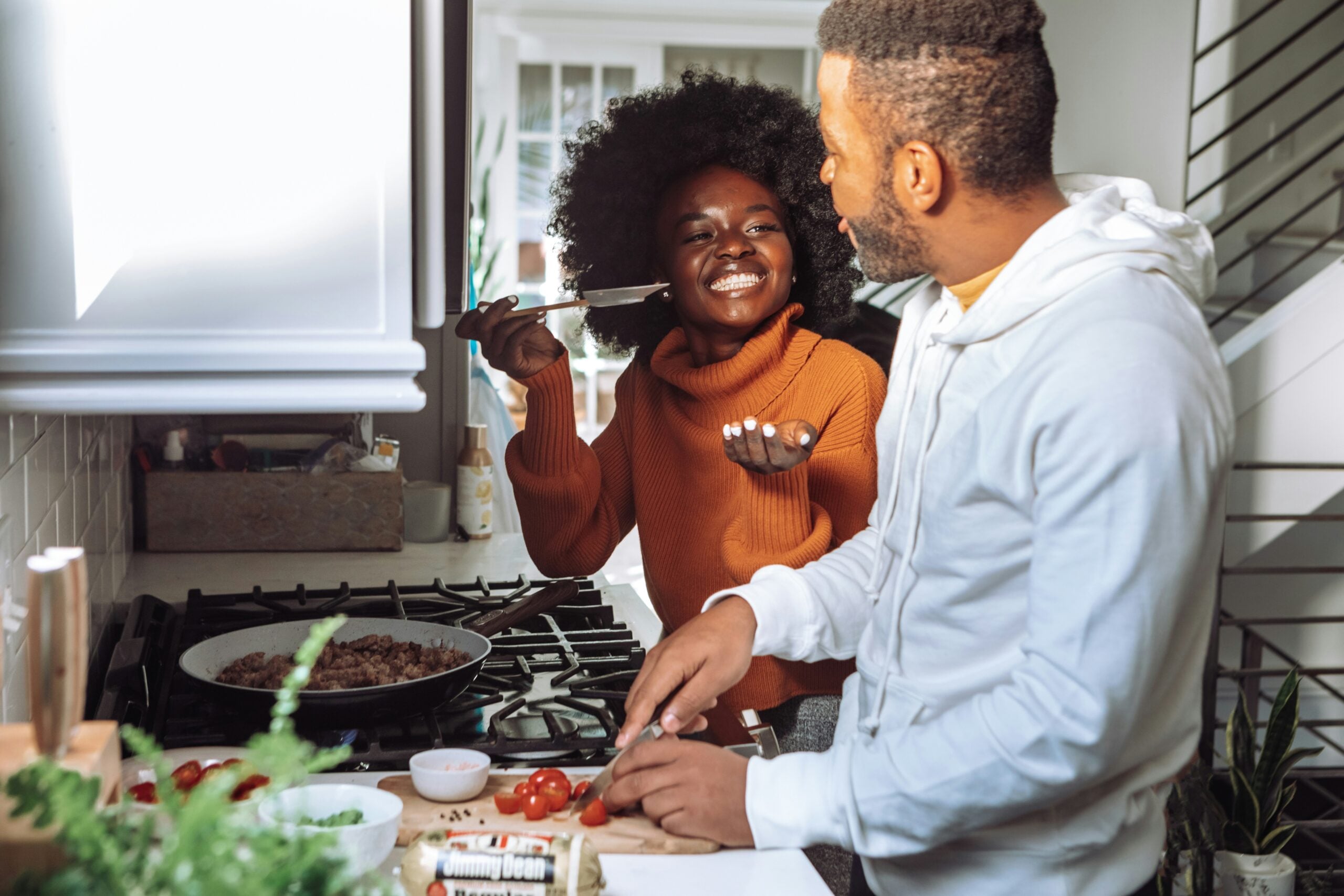
The strongest lesson from grandmother led food content is not nostalgia by itself. It is usefulness delivered with authority. People want recipes that respect time, budget and skill level, and they want to learn from someone who seems honest about all three.
That is why chefs are likely to borrow specific habits rather than a costume or persona. Expect more family recipes on menus, more staff meal stories, more everyday ingredients and more direct teaching in short videos. For Canadian food bloggers, the message is simple: viewers still care about beauty, but they trust experience they can actually use in their own kitchens.




Leave a Reply