
Canadian restaurants are increasingly building menus around small portions of expensive proteins, then charging prices that would have looked ambitious a few years ago. The appeal is not hard to see: diners get a taste of luxury, chefs reduce risk and waste, and restaurants create dishes that feel special even when the serving is modest.
Wagyu in bite sized servings
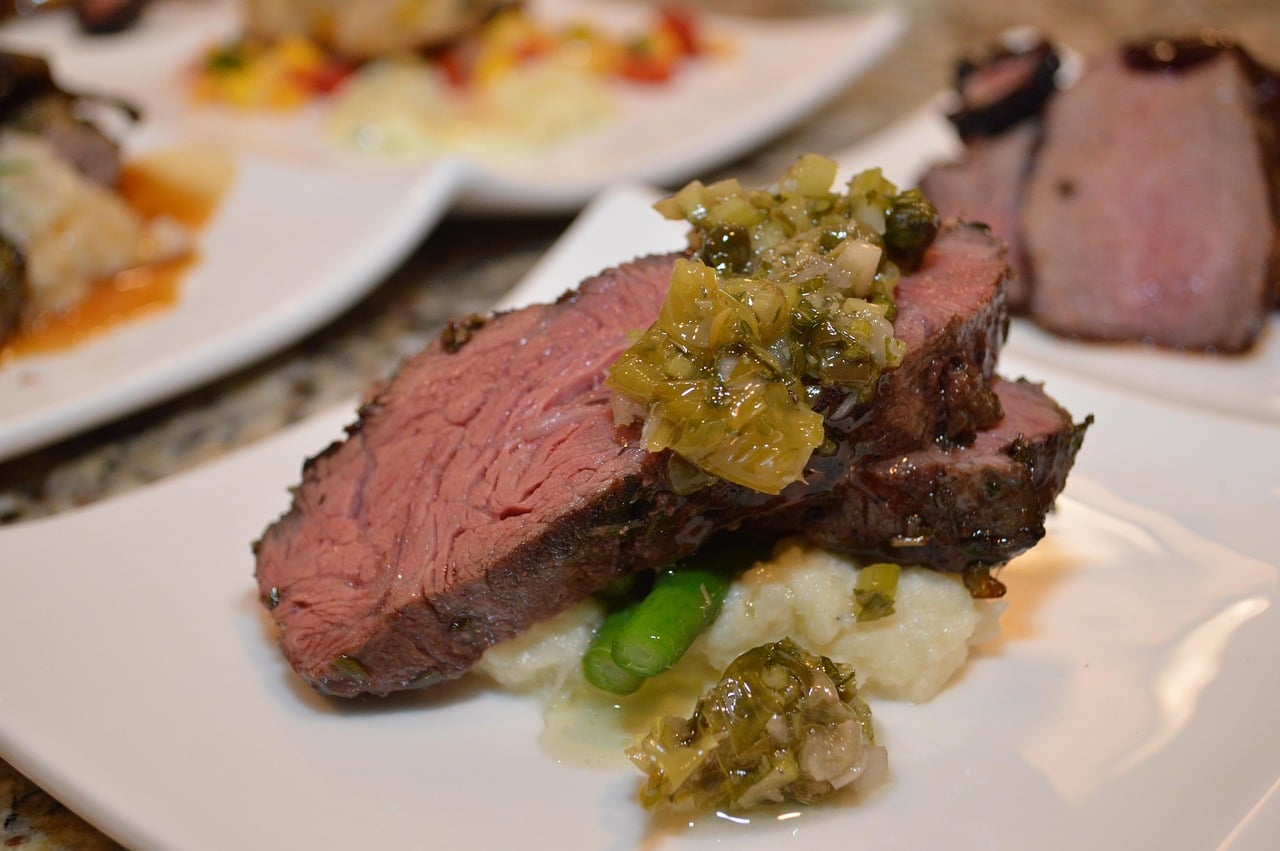
A few slices of wagyu can now anchor a plate that sells for far more than a conventional steak dinner. Instead of offering a large cut, chefs often serve a tasting portion, sometimes just enough for a few rich bites, because the beef's intense marbling can make a small amount feel complete.
This approach also helps manage one of the biggest pressures in restaurants: ingredient cost. Imported Japanese wagyu and high grade domestic wagyu are expensive, and shrinking the portion lets a kitchen feature a premium product without pricing a main course beyond what many guests will accept.
For diners, the pitch is clear. A smaller serving lowers the barrier to ordering something luxurious, especially on tasting menus or as a shared plate. It turns a rare splurge into an experience, not just a quantity purchase.
Lobster used as a finishing touch
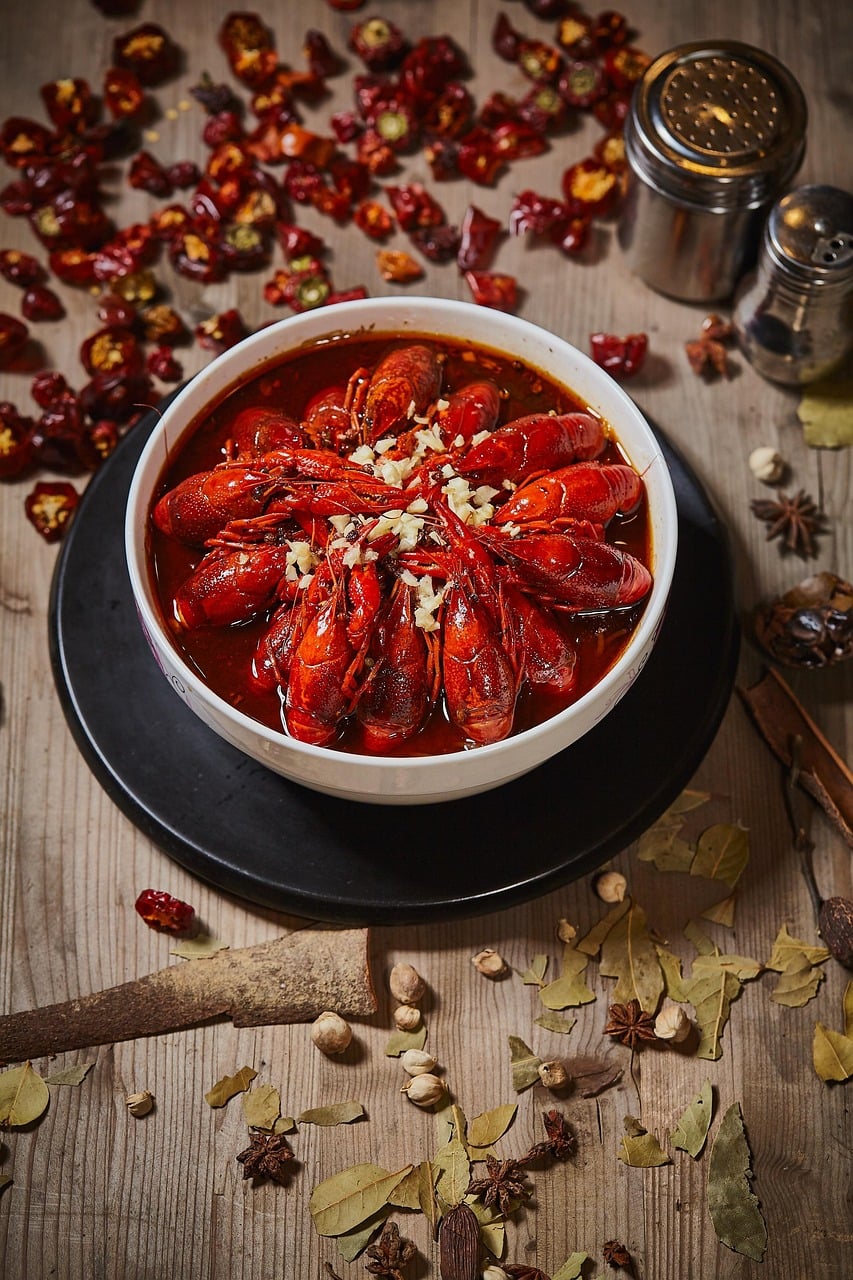
Lobster once signaled a full entrée, but on many upscale Canadian menus it now appears in tighter, more deliberate portions. A restaurant may place a small medallion of tail meat over pasta, spoon a bit onto a canapé or fold it into a composed starter where the lobster is the star, even in a limited amount.
There is a practical reason behind that shift. Lobster prices can swing with season, supply and transport costs, and smaller portions help kitchens keep menu prices steady while still advertising a sought after ingredient.
It also changes how the dish is perceived. When lobster is treated almost like a garnish with purpose, chefs can focus attention on texture, butter sauces, herbs and presentation. Guests are paying for precision and prestige as much as volume.
Duck presented with more restraint
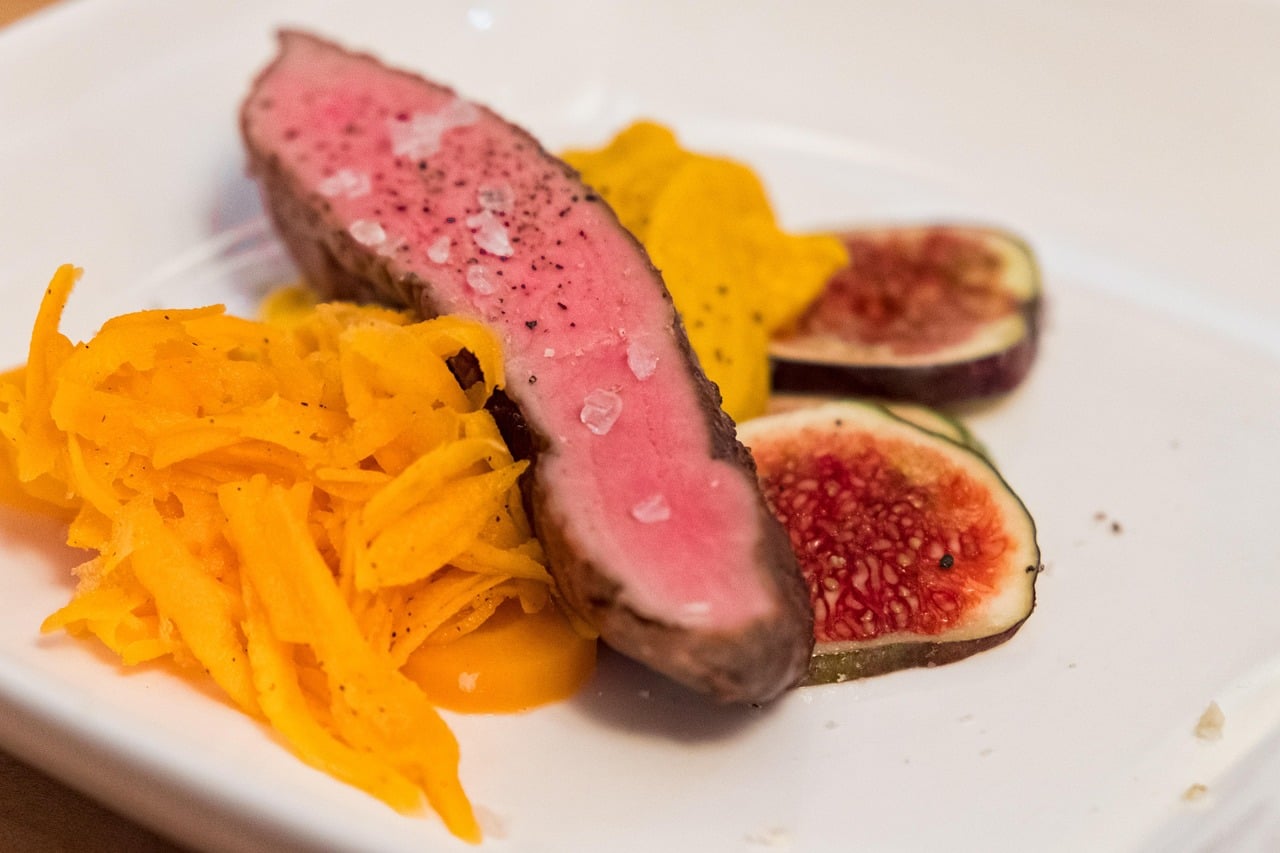
Duck has long lived between comfort food and fine dining, and Canadian chefs are increasingly leaning into the latter by trimming portions and refining presentation. Rather than a heavy plate with a full breast and rich sides, many kitchens now offer a few carefully cooked slices with a glossy sauce and a tightly edited set of accompaniments.
That style suits the ingredient. Duck is flavorful and fatty, so a smaller serving can still feel satisfying. It also allows chefs to balance the dish with fruit, acidity or bitter greens, making each component stand out instead of crowding the plate.
From a business angle, portion control matters here too. Serving less protein gives restaurants more flexibility on plate design and price, while preserving the sense that guests are ordering something elevated and restaurant specific.
Caviar beyond the ultra wealthy table
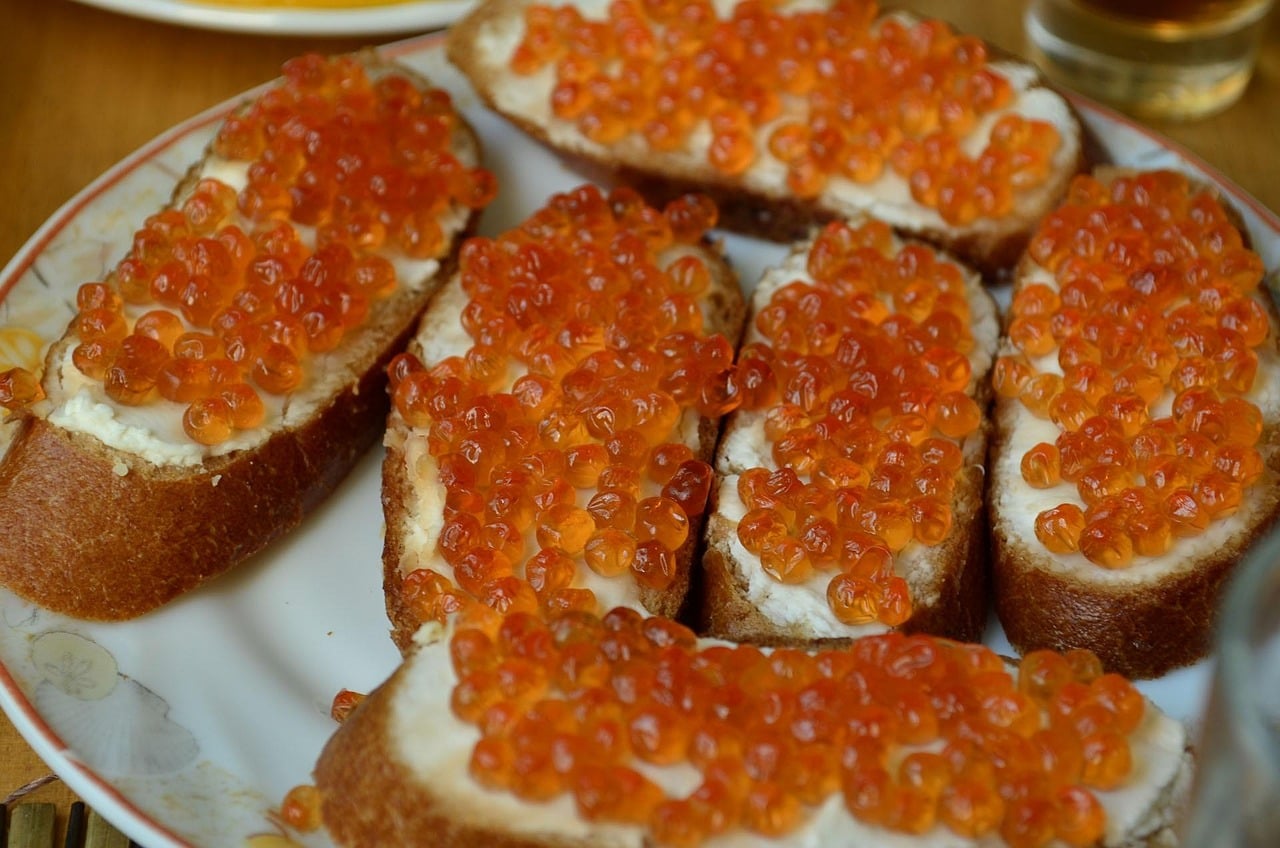
Caviar has become one of the clearest examples of luxury in miniature. Instead of reserving it for the rarest formal service, some restaurants now place a small spoonful on chips, blini, eggs or crème fraîche, creating an entry point that is still expensive, but not completely out of reach.
That tiny serving can carry a striking price because caviar is sold as an accent with instant status. In a dining room, the visual cue alone can shape how a dish is valued, especially when paired with careful plating and tableside explanation.
For customers, part of the draw is access. A modest amount makes caviar feel attainable for birthdays, date nights or tasting menu upgrades. The quantity is small, but the symbolism remains large.
Tasting menus encourage smaller protein moments
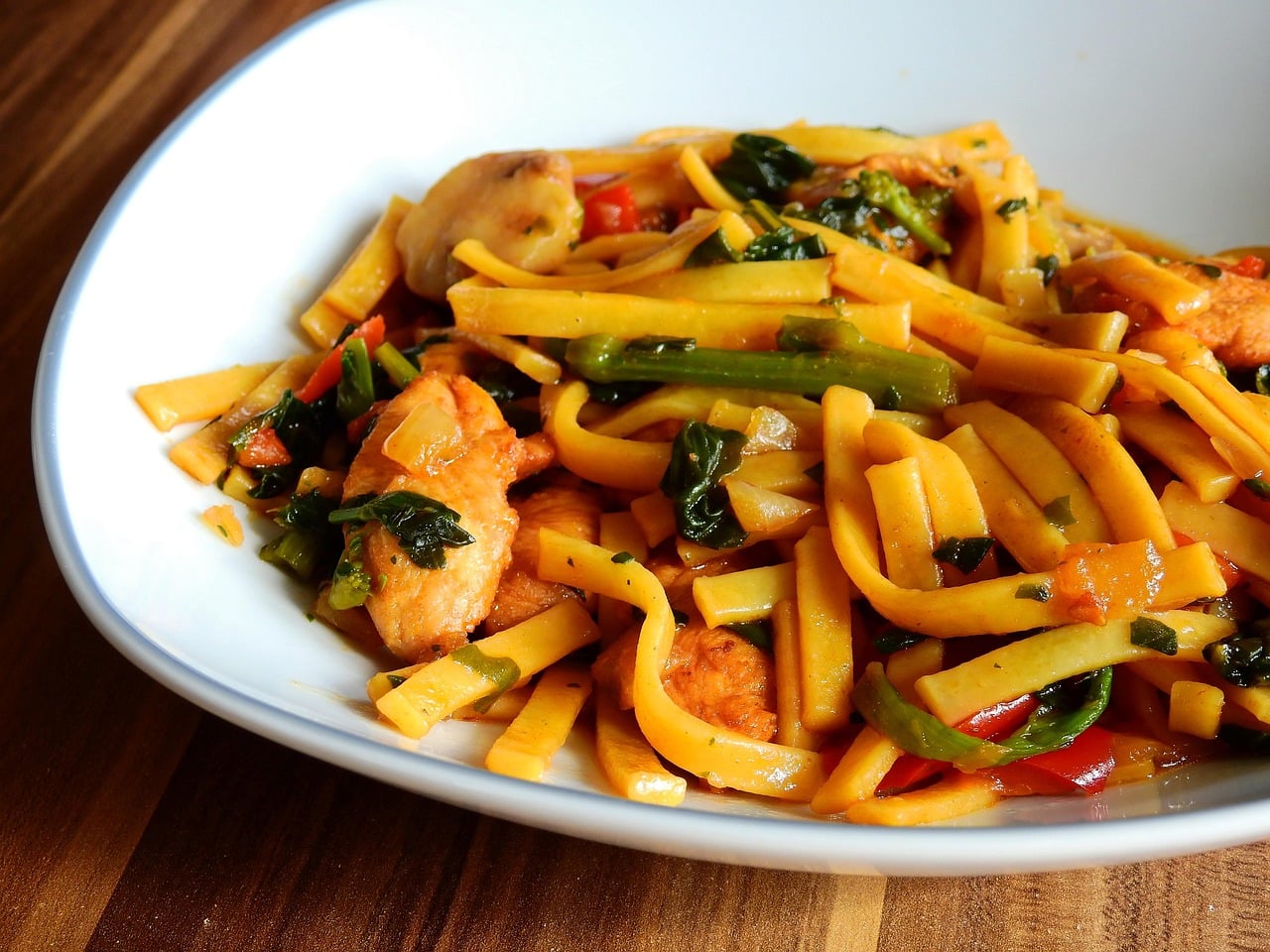
The rise of tasting menus has helped normalize these compact luxury portions. In that format, guests expect a sequence of small courses, so a chef can serve scallop, venison, foie gras or aged beef in restrained amounts without making the meal feel skimpy.
This structure changes how value is judged. Diners are not measuring one plate against the price of a full supermarket cut of meat. They are buying the progression, the technique, the pacing and the chance to sample several premium ingredients in one sitting.
For restaurants, that can be a smart model in an era of high labor and supply costs. Smaller servings stretch expensive inventory across more covers while preserving a sense of abundance through variety.
Why Canadians are still paying
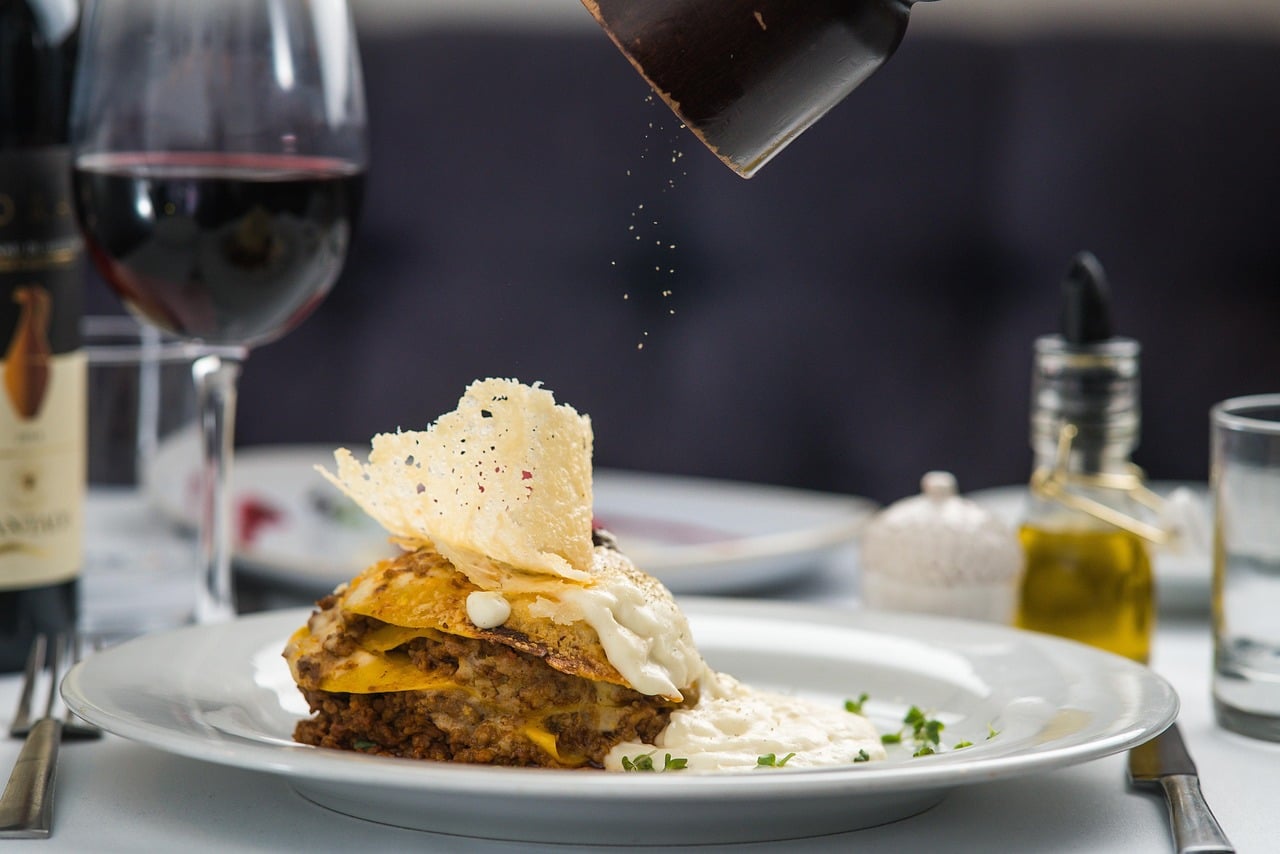
The strongest reason these dishes keep appearing is simple: enough people keep ordering them. Even as dining out becomes more expensive, many customers still spend on meals that feel memorable, and a small plate built around a luxury protein can deliver that feeling quickly.
There is also a cultural shift at work. Many diners now prioritize novelty, presentation and story over sheer portion size, especially in big city restaurants where social occasions and special experiences carry real value.
In that sense, the tiny luxury protein plate is not just about less food for more money. It reflects how modern restaurants package indulgence, and how many guests now define a worthwhile night out.




Leave a Reply