
Your next grocery trip may look exactly the same, but a major change is already reshaping how food reaches store shelves across Canada. Here's what the new Grocery Code of Conduct means, why it was introduced, and how it could quietly influence everything from product availability to the future of food prices.
A New Rulebook for Canada's Grocery Industry

Starting in January 2026, Canada's Grocery Code of Conduct became fully operational after years of discussions between retailers, suppliers, governments, and industry groups. Rather than creating new laws that control grocery prices, the Code establishes a common set of standards that participating grocery businesses agree to follow when working with one another.
The goal is to create more predictable and transparent business relationships. The Code covers how contracts are handled, when changes can be made, how promotions are managed, and how disputes should be resolved. It is designed to reduce misunderstandings that can create costly disagreements throughout the supply chain.
For shoppers, the change happens mostly behind the scenes. You will not see different checkout procedures or new store policies overnight. Instead, the expectation is that stronger business practices between retailers and suppliers will contribute to a grocery system that operates more smoothly over time.
Why the Grocery Code Was Introduced

The Code did not appear overnight. It was developed after years of concern from food suppliers, many of whom argued that unexpected fees, sudden contract changes, and inconsistent business practices made it difficult to operate efficiently, especially for smaller companies.
When suppliers face uncertainty, it can affect everything from production schedules to inventory planning. Unexpected costs or last-minute changes can ripple across the supply chain, making it harder to keep products moving consistently from manufacturers to grocery shelves.
The Grocery Code aims to reduce these problems by encouraging fairness and accountability on both sides. Clear expectations help retailers and suppliers work through challenges before they become larger disputes, creating a business environment that is intended to benefit the entire grocery sector.
What the Code Could Mean for Grocery Shoppers
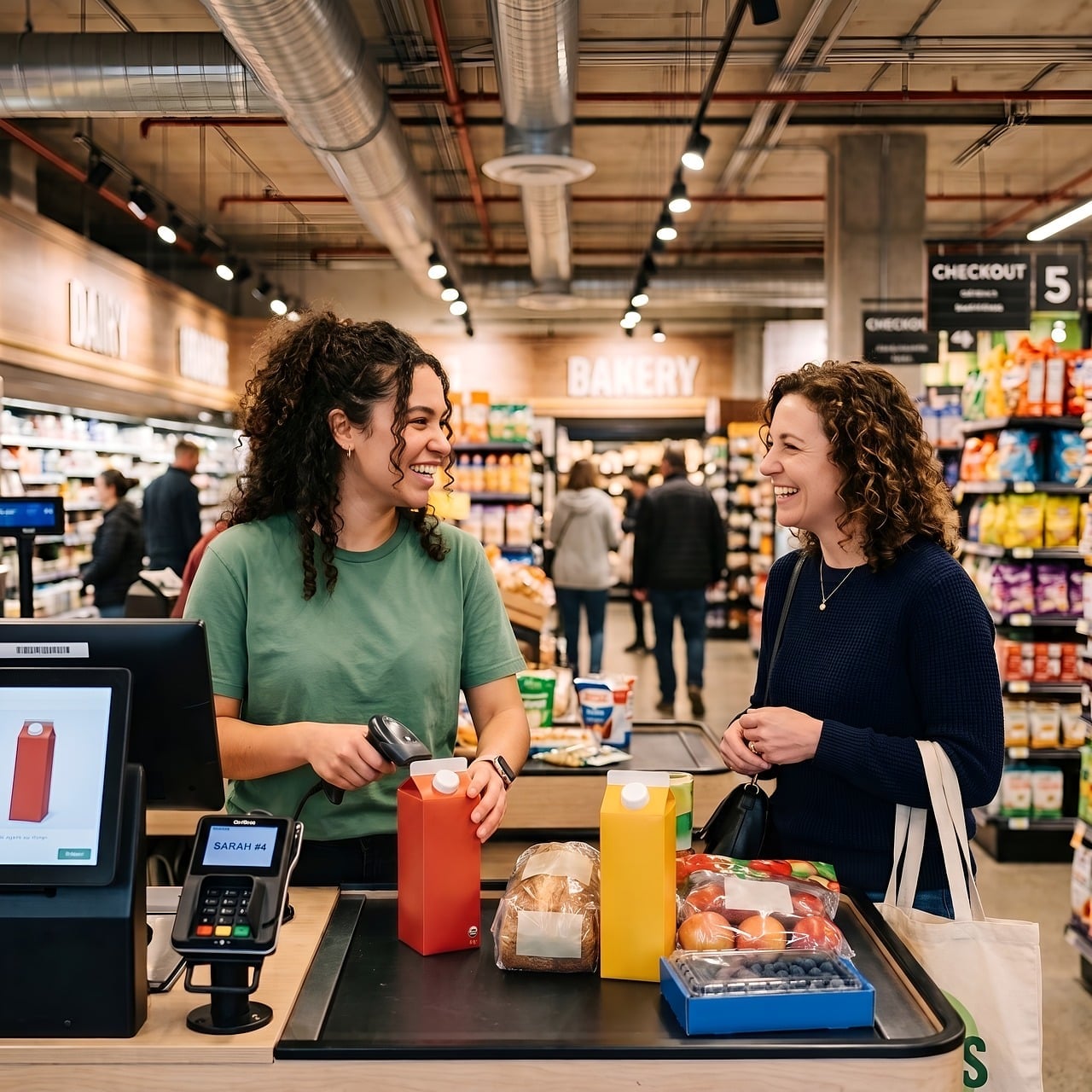
Most shoppers are unlikely to notice immediate changes during their weekly grocery trip. The purpose of the Code is not to change the shopping experience directly but to improve how grocery businesses operate behind the scenes.
If retailers and suppliers communicate more effectively and resolve disagreements sooner, stores may experience fewer disruptions in product availability. That could mean a more consistent selection of everyday items and fewer supply interruptions caused by commercial disputes rather than actual product shortages.
Over time, a more predictable supply chain can improve the overall shopping experience. While no system can prevent shortages caused by weather, transportation issues, or global events, stronger business relationships may reduce avoidable disruptions that stem from disagreements between companies.
A Fairer Playing Field for Food Suppliers

One of the biggest goals of the Grocery Code is to create a more balanced relationship between large grocery retailers and the companies that supply food products. This matters because Canada's grocery market is dominated by a relatively small number of major chains.
Smaller suppliers often have fewer resources to absorb unexpected costs or negotiate contract changes. Clearer guidelines on business practices can give these companies greater confidence when investing in new products, expanding production, or entering agreements with large retailers.
A healthier supplier network may eventually benefit consumers as well. When smaller businesses have better opportunities to compete, grocery stores may gain access to a broader range of products, including regional brands and innovative food options that might otherwise struggle to reach national shelves.
A Formal Process to Resolve Business Disagreements

Business disagreements are inevitable, but the Grocery Code introduces an independent Dispute Resolution Management Process to help participating companies resolve conflicts in a structured and transparent way instead of relying solely on private negotiations.
The process encourages concerns to be addressed through clear procedures before they grow into lengthy disputes. Having an agreed-upon framework can reduce uncertainty, lower legal costs, and allow businesses to focus more on serving customers than on resolving commercial conflicts.
Although consumers will rarely see this process in action, it plays an important role in supporting a stable grocery system. Faster and more consistent dispute resolution can help prevent disagreements from affecting product availability or disrupting normal business operations.
Will the Grocery Code Lower Food Prices?

One of the biggest questions surrounding the Grocery Code is whether it will reduce grocery bills. The answer is that consumers should not expect immediate price cuts simply because the Code is now in place.
Food prices are influenced by many factors beyond retailer-supplier relationships, including transportation costs, labour expenses, fuel prices, weather conditions, crop yields, global commodity markets, and currency fluctuations. The Code does not regulate or cap grocery prices.
Instead, supporters believe that more efficient and predictable business relationships could strengthen the grocery supply chain over the long term. While that may help reduce unnecessary costs in some situations, any financial benefits are expected to develop gradually rather than appearing as an immediate reduction in grocery prices.



Leave a Reply