
A Michelin star is one of the world's most coveted culinary honours, but not every chef is chasing it. As Canada's Michelin Guide grows, some acclaimed restaurants are choosing a different path, proving that success isn't always measured in stars.
Michelin's Presence in Canada Is Growing
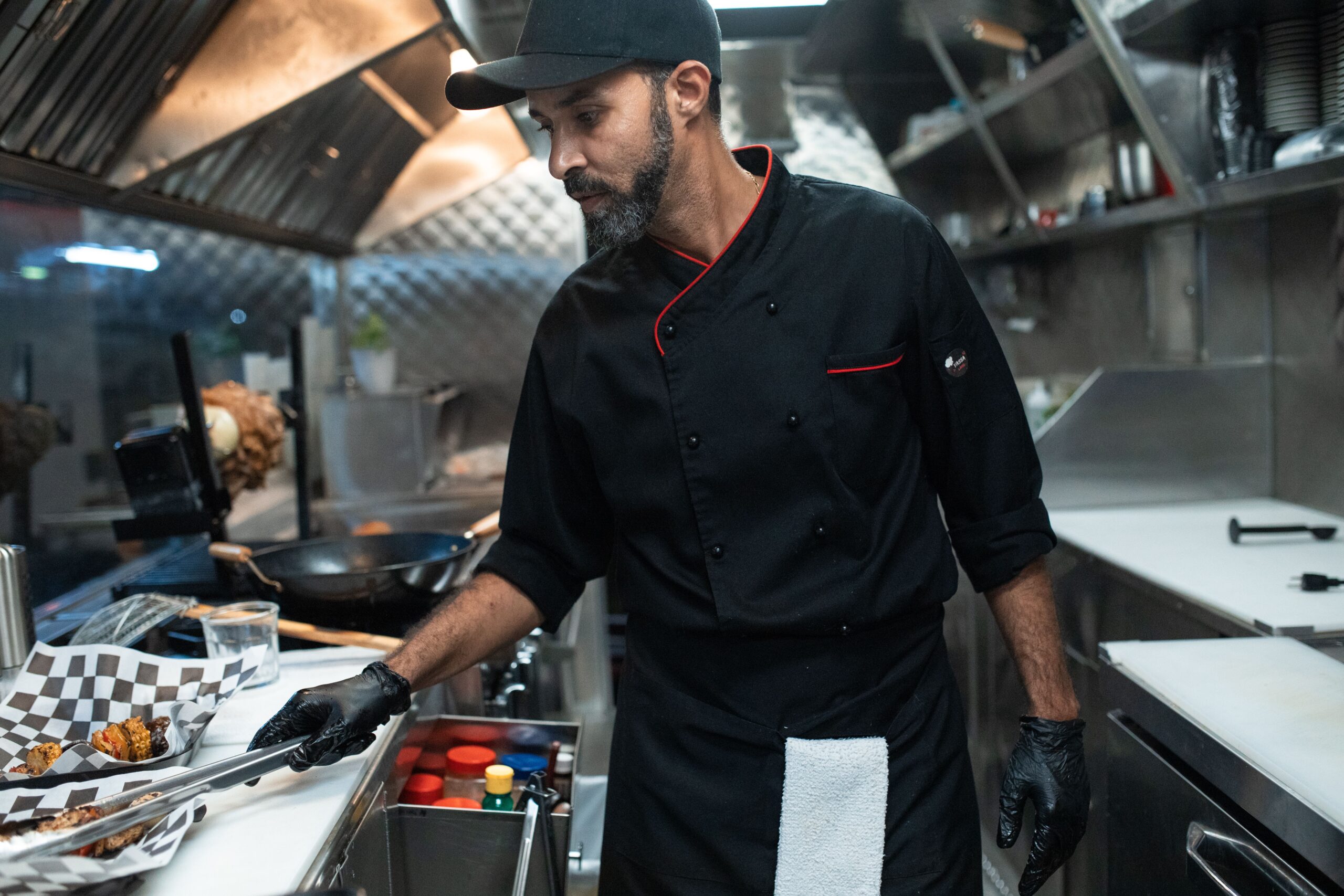
Canada's culinary reputation has expanded rapidly since the Michelin Guide first arrived in Toronto in 2022. The guide has since added Vancouver, Quebec, and more recently expanded its reach to additional destinations, bringing greater international attention to Canadian restaurants and chefs.
A Michelin star remains one of the most recognized honours in the restaurant industry. Inspectors evaluate restaurants based on the quality of ingredients, mastery of cooking techniques, harmony of flavours, the chef's personality reflected in the cuisine, and consistency over time.
As more Canadian restaurants earn recognition, the country's dining scene continues to gain global visibility. For many chefs, a Michelin star represents years of dedication, creativity, and hard work.
Not Every Chef Is Chasing a Star
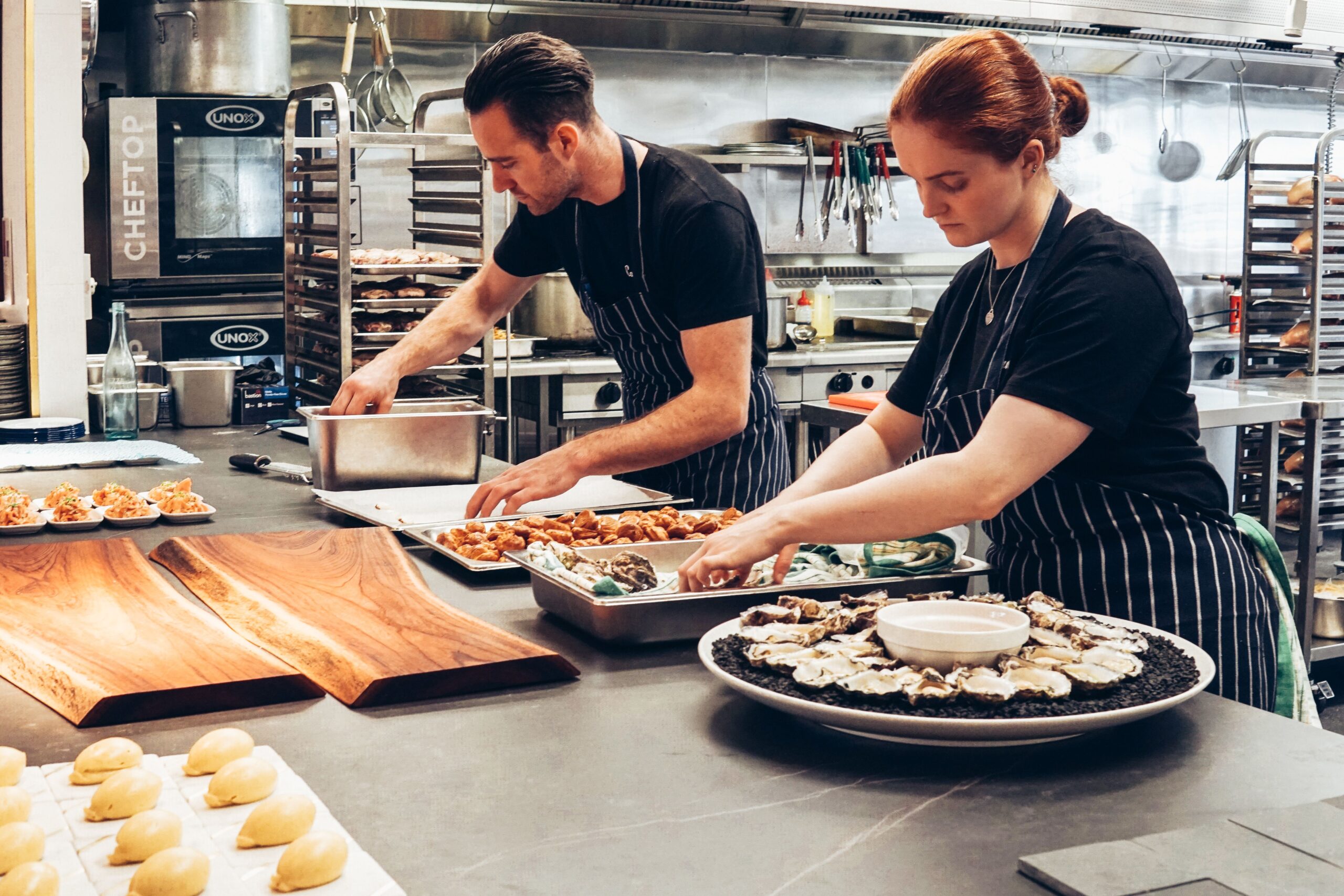
While Michelin recognition is widely respected, not every chef dreams of earning a star. Some restaurant owners have openly said they would rather focus on serving great food consistently than operate under the intense expectations that often accompany Michelin recognition.
A Michelin-starred restaurant can experience an immediate surge in demand. Reservations may become harder to secure, customer expectations rise, and every meal is served under the assumption that excellence will never slip.
For some chefs, that pressure can change the entire atmosphere of a restaurant. Instead of concentrating on creativity and hospitality, they may feel compelled to constantly protect a reputation that has become part of their business identity.
A Michelin Star Brings New Business Challenges

Receiving a Michelin star often attracts more customers, international tourists, and media attention. While that can increase revenue, it also creates operational challenges that many diners never see.
Restaurants may need to hire additional staff, expand kitchen operations, purchase more premium ingredients, and improve service standards to meet growing demand. These investments can significantly increase operating costs.
Some restaurants also face longer waiting lists and higher customer expectations. Every guest arrives anticipating an exceptional dining experience, making consistency even more important than before.
Creativity Can Sometimes Feel More Restricted
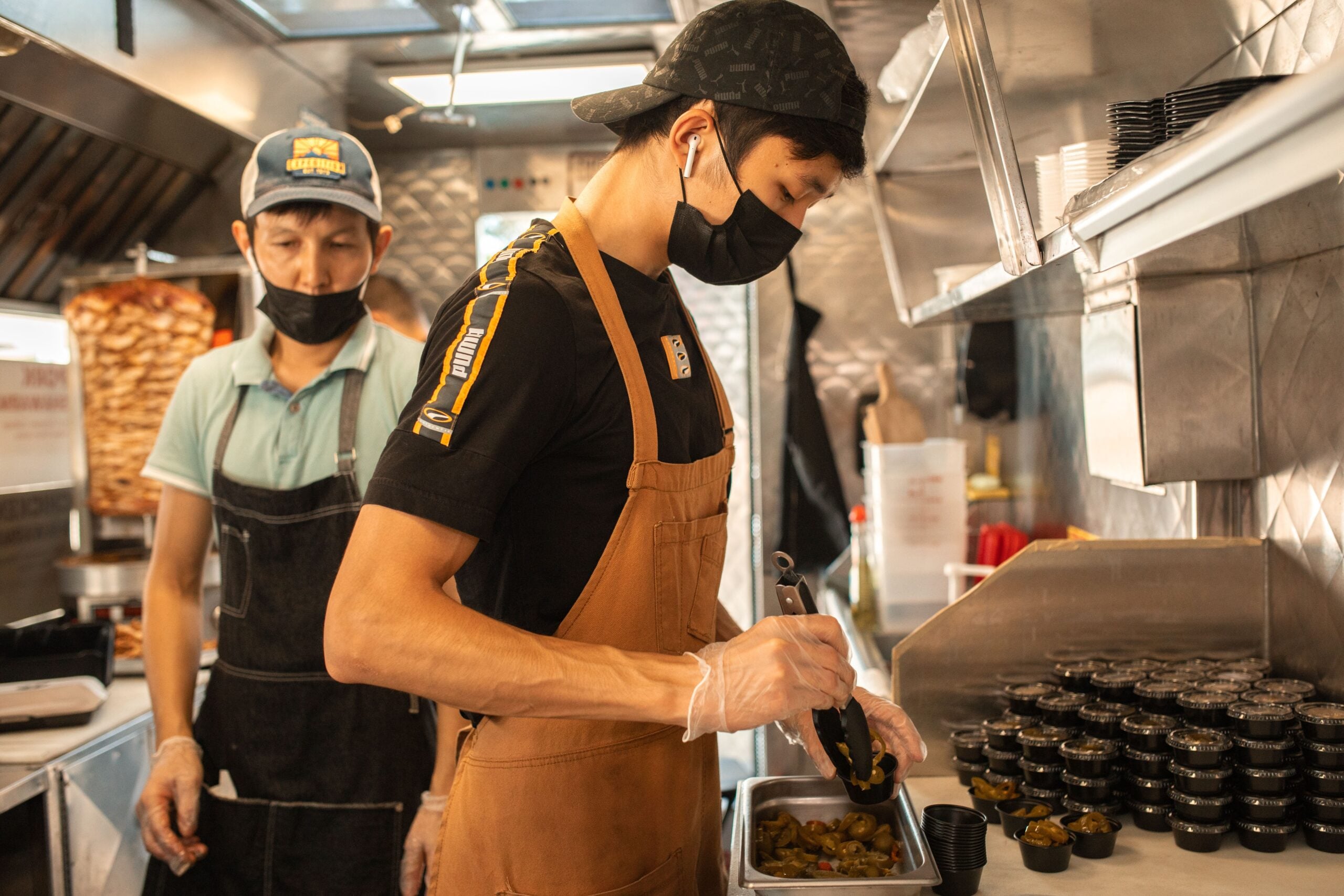
Many chefs value the freedom to change menus, experiment with new ingredients, and create relaxed dining experiences. Michelin recognition can sometimes make that flexibility more difficult because customers often expect the same exceptional standard every visit.
Maintaining consistency is one of Michelin's core evaluation principles. That encourages precision, but it can also make some chefs more cautious about introducing dramatic menu changes or taking creative risks.
For restaurants focused on casual dining or constantly evolving menus, preserving their original vision may matter more than pursuing formal recognition from international guides.
Success Looks Different for Every Restaurant

A Michelin star is only one measure of success. Many Canadian restaurants thrive without ever appearing in the guide by building loyal local customers, offering excellent hospitality, and creating memorable dining experiences.
Some chefs prioritize work-life balance, sustainable business growth, and employee well-being over international awards. They believe long-term stability can be just as meaningful as industry recognition.
Others simply operate in styles or locations that are less likely to attract Michelin inspectors. Their success depends on serving their communities rather than competing for prestigious accolades.
Canada's Food Scene Continues to Evolve

The expansion of the Michelin Guide reflects the growing diversity and quality of Canadian cuisine. Restaurants across the country are gaining recognition for showcasing regional ingredients, multicultural influences, and innovative cooking techniques.
At the same time, the conversation around Michelin has become more balanced. Many chefs appreciate the exposure and prestige, while others believe outstanding food should not depend on awards alone.
Together, these perspectives highlight the strength of Canada's restaurant industry. Whether a restaurant earns a Michelin star or chooses not to pursue one, its greatest achievement often lies in consistently serving memorable meals that keep guests coming back.




Leave a Reply