
Canadian shoppers are asking more from food in 2026. Tastewise data shows comfort is up 87% in Canada over the past 12 months, and it is growing alongside functional food demand rather than replacing it.
A bowl that feels familiar
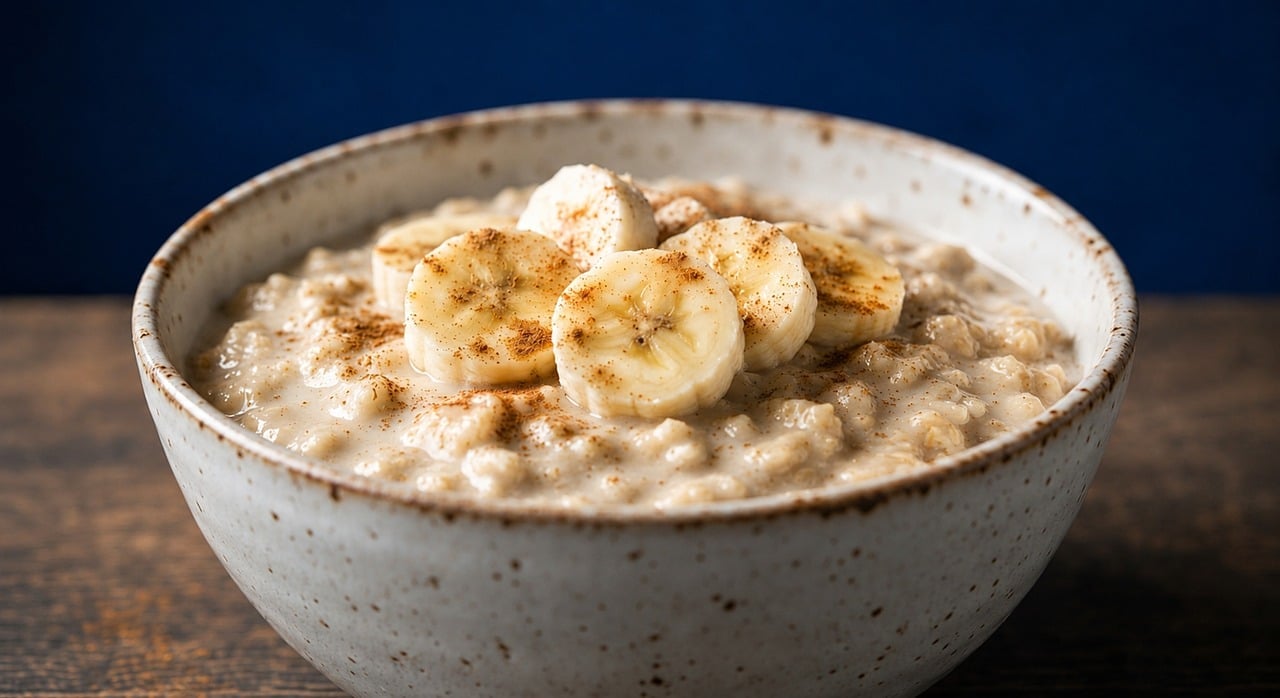
Comfort food is gaining real momentum, but the story is not just about indulgence. Tastewise says comfort as a motivator is up 87% in Canada, while nostalgia is up 56% and authentic is up 24%. That points to foods that feel recognizable and grounded.
In practice, that can mean classic textures, warming flavors, and heritage cues. The winning idea is not old-fashioned food for its own sake. It is food that feels reassuring while still meeting modern expectations around health, ingredients, and convenience.
The label shoppers are reading
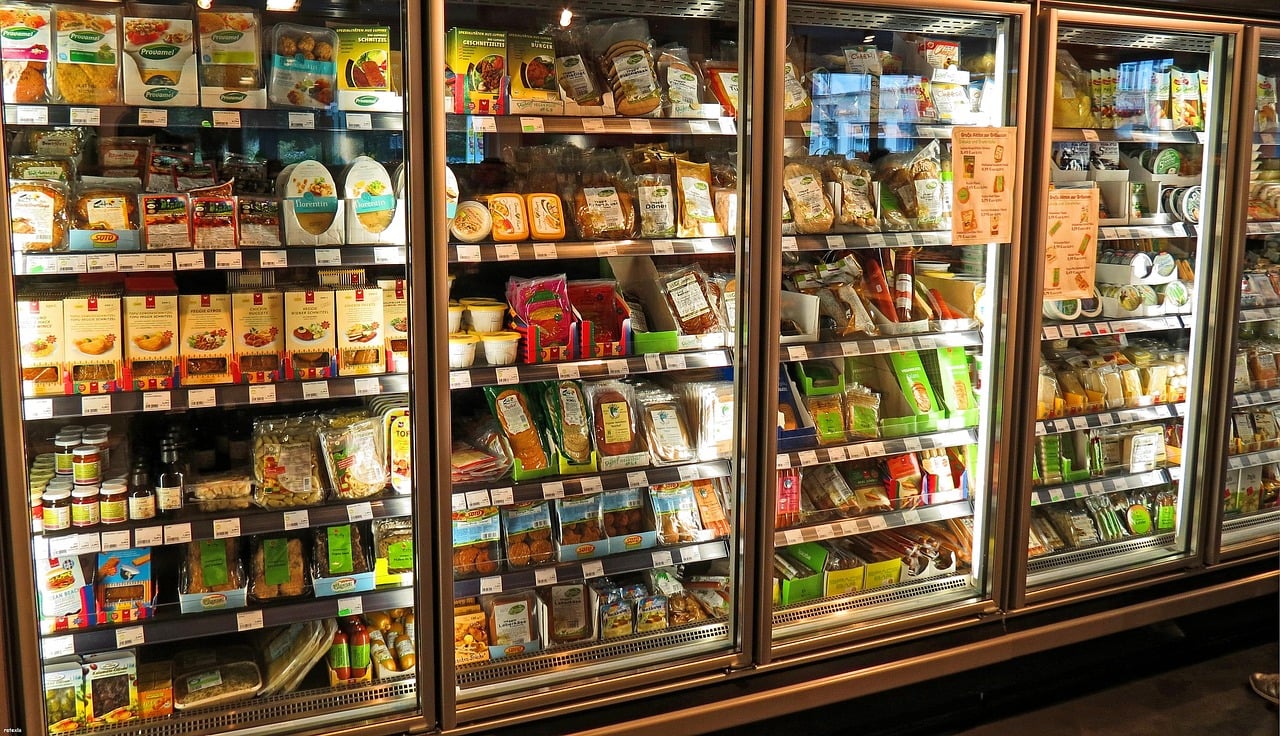
Functional health claims are now a mainstream purchase driver in Canada. Energy is up 91% in the past year, metabolism is up 169%, and blood sugar is up 92%, according to Tastewise. Anti-inflammatory is up 168%, detox is up 203%, and electrolytes are up 207%.
This shift is especially strong at home. Tastewise says anti-inflammatory, detox, blood sugar, and metabolism claims are 88% to 95% home-weighted on the consumer panel. That suggests shoppers are reading labels closely and choosing foods that promise a clear everyday benefit.
Matcha moves beyond the cafe

Matcha is the standout ingredient story in Canada right now. Tastewise reports it is up 87% in the past year and holds a 1.3% menu share, compared with a 1.79% consumer share. That gap suggests demand is running ahead of availability.
Why does that matter in a photo gallery about comfort and function. Matcha bridges both ideas neatly. It offers a functional energy cue, but it can also appear in soft, familiar formats like lattes, yogurt, overnight oats, and desserts that feel easy to fit into daily routines.
Breakfast becomes the new protein aisle

Protein growth in Canada is not staying in the sports nutrition corner. Tastewise says high protein is up 44% and protein powder is up 51% since last year, with breakfast, snack, and on-the-go formats building volume.
That makes breakfast one of the clearest places to see the comfort and function crossover. Oats are up 44%, overnight oats are up 119%, yogurt is up 53%, and Greek yogurt is up 86%. These are familiar foods, but now they are also being used as clean, convenient bases for protein and gut health positioning.
Drinks start doing more

Beverages are playing a bigger role in how Canadians shop for wellness. Tastewise highlights functional soda, up 61%, as an emerging space tied to alcohol-free occasions and a hydration and gut health crossover. Smoothies are up 43%, while smoothie bowls have surged 311%.
These formats work because they package function into something easy to recognize. A drink or bowl can signal refreshment, convenience, and flavor first, then layer in probiotics, protein, or electrolyte cues. That makes the health message feel accessible instead of clinical.
The shelf opportunity ahead

The biggest opening may be products that combine a familiar base with a clear benefit. Tastewise points to yogurt, oats, matcha, and broth as examples of recognizable ingredients that can carry claims like gut health, anti-inflammatory support, or energy.
There is also a local angle. The term Canadian is up 17% on the panel, with a 61% share weighted toward home occasions. In 2026, the strongest food story in Canada is not comfort or function alone. It is the combination of familiar, useful, and clearly sourced.




Leave a Reply