
Boston was not just a trade-show stop. It was a carefully chosen stage for Canada to remind buyers, chefs, importers, and investors that Canadian seafood remains one of the country's strongest global food brands.
Why Boston mattered for Canada's seafood pitch
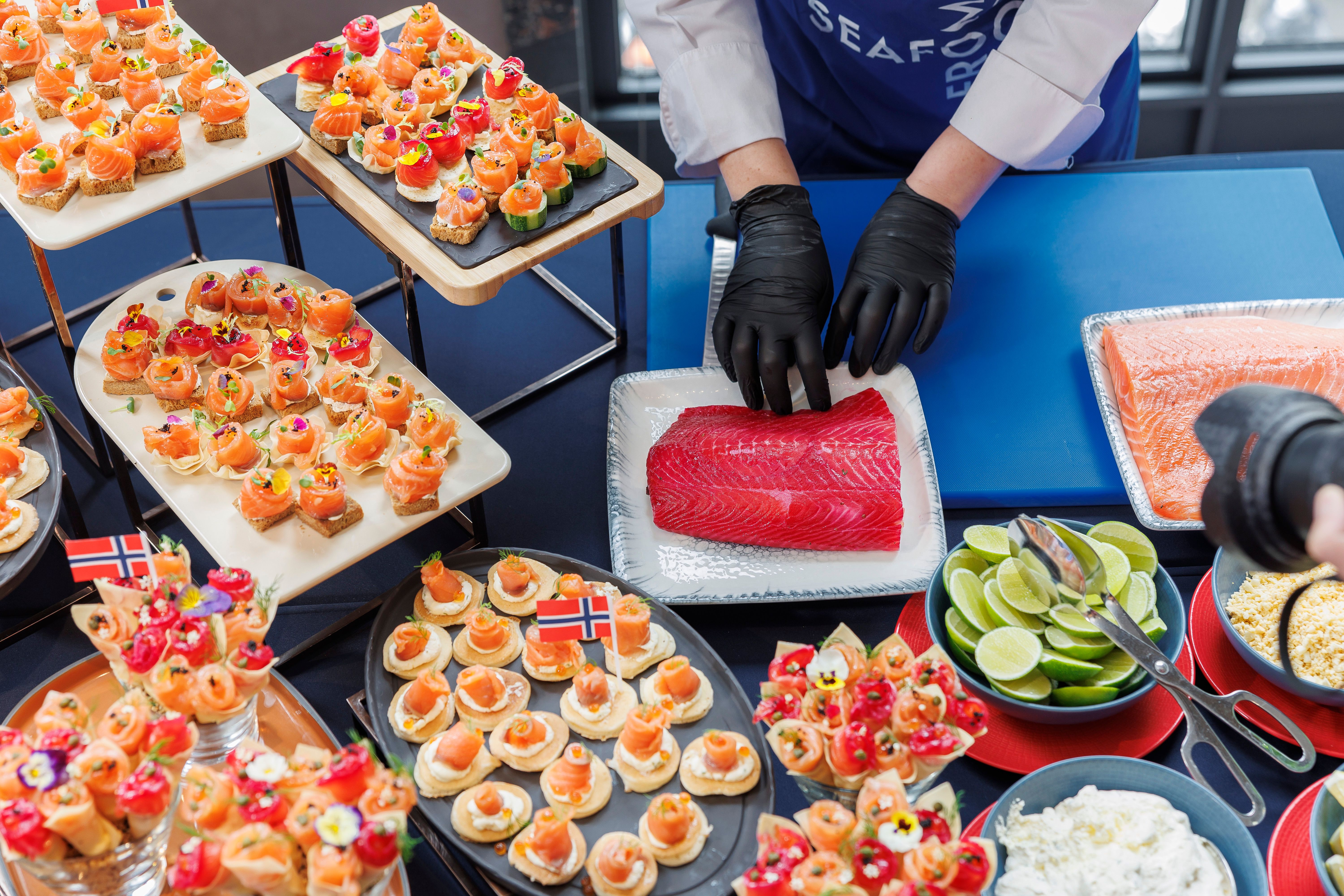
The Seafood Expo North America in Boston is one of the industry's most important annual marketplaces. It brings together harvesters, processors, distributors, retailers, restaurant buyers, logistics firms, and government officials from across the world. For Canada, showing up at ministerial level sent a message that seafood is not a side business. It is a national export priority.
Canada has long depended on the United States as its biggest seafood customer, but Boston offers more than access to American buyers. The event is also a global meeting point where European, Asian, and Latin American purchasers compare suppliers side by side. That makes it the ideal venue to defend market share and open new channels at the same time.
Sending the fisheries minister also gave Canada political visibility at a moment when food trade is tied closely to inflation, supply chain resilience, and sustainability claims. In that setting, the pitch was not simply about fish. It was about reliability, traceability, and the idea that Canada can deliver premium seafood in uncertain global markets.
What was literally on the table

Canadian exhibits at major seafood shows typically center on the species that define the country's export strength. Lobster is usually the headline act, especially live Atlantic lobster from Nova Scotia, New Brunswick, Prince Edward Island, and Newfoundland and Labrador. It is high-value, globally recognized, and easy for buyers to associate with Canadian coastal identity.
Snow crab is another likely focal point because it remains a cornerstone of Atlantic fisheries, even as quotas and stock conditions are watched closely. Buyers also look for cold-water shrimp, scallops, mussels, oysters, and value-added shellfish products that can move beyond raw commodity sales into prepared retail and foodservice categories.
On the finfish side, Atlantic salmon, farmed salmon, and premium wild species such as halibut, sablefish, and certain groundfish varieties help round out the offering. Smoked salmon, portioned fillets, frozen-at-sea products, and ready-to-cook formats matter because international buyers increasingly want convenience, consistent sizing, and dependable year-round supply, not only beautiful raw product.
The sales message behind the seafood

Canada's seafood marketing case usually rests on four pillars: cold clean waters, strict food safety systems, sustainability controls, and stable access to North American logistics. Those claims are not just promotional language. For wholesale buyers, each one affects insurance costs, shelf life, compliance risk, and brand reputation once the product reaches stores or restaurant kitchens.
That is why trade officials and exporters often talk about certification, stock management, and science-based oversight. In many premium markets, especially in Europe and parts of Asia, seafood buyers now ask hard questions about traceability and harvesting methods before discussing price. Canada's advantage is that it can connect product quality with a regulatory framework that many importers already trust.
There is also a clear value story. Canadian seafood is rarely the cheapest option in any category, but it is frequently marketed as dependable and premium. That matters in a business where a distributor would rather pay more for consistent shipment quality than save money on a product that creates customer complaints, spoilage issues, or menu inconsistency.
Trade pressures shaped the conversation

This year's pitch did not happen in a vacuum. Canadian seafood producers have been dealing with inflation in fuel, labor, bait, packaging, transport, and cold storage, all of which squeeze margins. At the same time, climate variability and stock shifts are reshaping how much product can be landed, when seasons open, and which species are most commercially secure.
Snow crab has been one of the clearest examples. In recent seasons, lower quotas in some regions have forced exporters and buyers to rethink supply expectations. That changes the tone of trade-show conversations. Selling seafood is no longer only about promoting abundance. It is also about explaining how companies will manage scarcity, protect quality, and maintain customer trust.
Competition is another factor. Norway, Chile, the United States, Iceland, and major Asian processors all compete hard in Boston. Canada therefore needs more than patriotic branding. It needs strong pricing logic, visible quality, and a persuasive case that its products can help buyers meet consumer demand for premium proteins without inviting supply surprises or reputational risk.
What buyers were likely listening for

Serious seafood buyers usually come to Boston with practical questions first. Can suppliers fill volume commitments across the year? Are logistics dependable during storms, labor disruptions, or border slowdowns? Can product be customized by cut, pack size, private label, or frozen format? The companies that win business are often the ones with the clearest answers, not simply the prettiest booth.
Canadian sellers have a strong hand when those questions arise because the country offers both wild-capture and aquaculture products across multiple provinces. That geographic spread can help diversify supply. It also lets exporters tell a broader story, from Atlantic lobster and shellfish to British Columbia salmon, sablefish, and premium West Coast species.
Buyers were likely paying attention to value-added processing as well. Whole fish and live shellfish remain important, but supermarkets and foodservice chains increasingly want portion control, branded packaging, and labor-saving products. In that sense, what was on the table was not only seafood itself. It was also Canada's capacity to turn raw catch into modern, market-ready food products.
The bigger meaning of the Boston visit
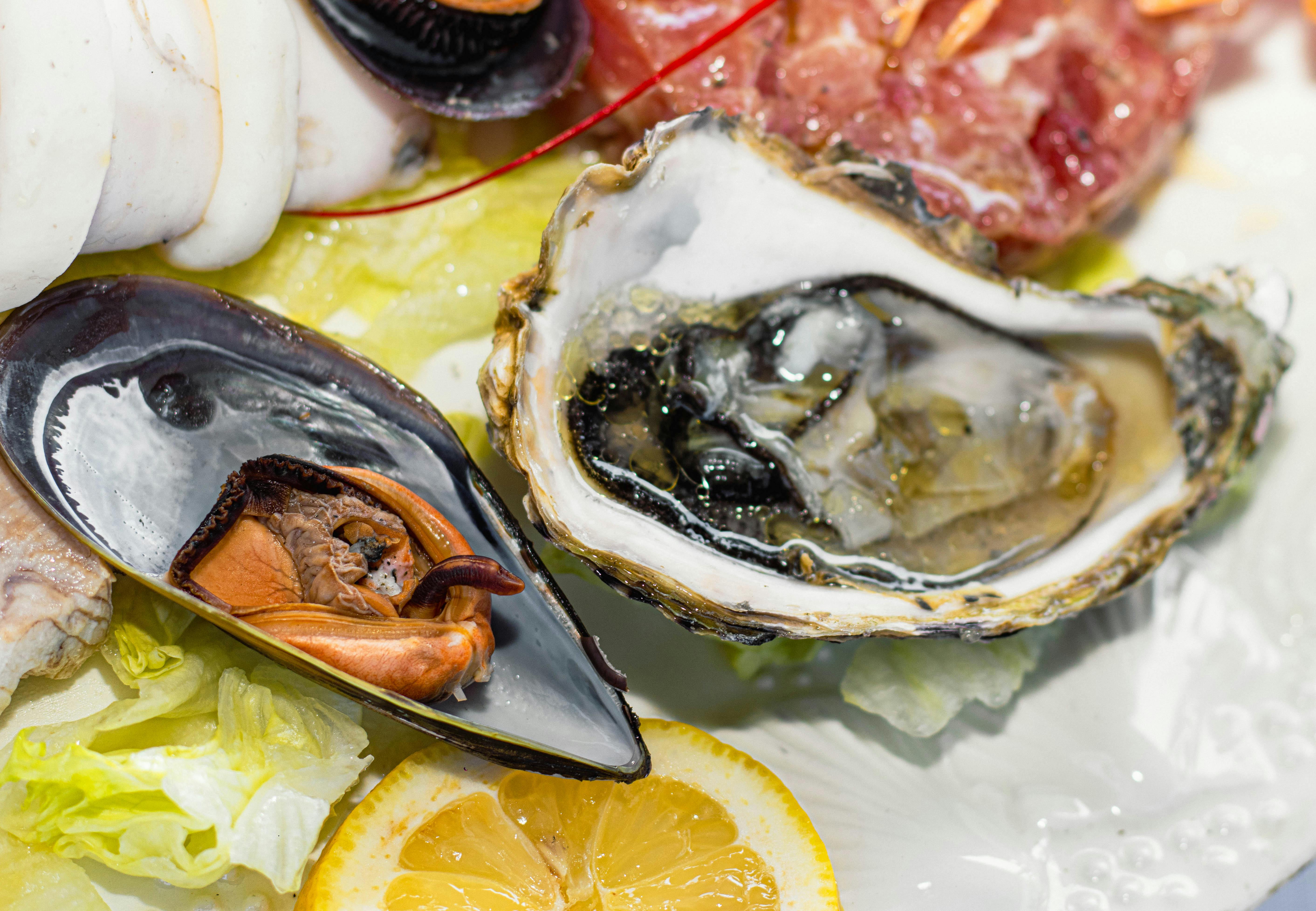
A ministerial trade mission is ultimately about confidence. When a country sends a senior official to a major commercial event, it tells the market that the sector has political backing and long-term importance. For Canada, that matters because seafood supports coastal jobs, export earnings, Indigenous participation, regional infrastructure, and a wide network of processors and transport businesses.
The visit also reflected a broader shift in how food-exporting nations sell themselves. It is no longer enough to claim great natural resources. Governments and producers now have to prove sustainability, resilience, and responsiveness to changing consumer expectations. In seafood, those expectations include animal handling, carbon footprint concerns, packaging standards, and transparent sourcing information.
So what was on the table in Boston was larger than lobster tails, salmon fillets, and crab sections. Canada was presenting a full national proposition: premium species, regulated harvesting, advanced processing, and dependable trade relationships. In a crowded global seafood market, that combination may be the country's strongest selling point of all.




Leave a Reply