
Canadians buy more than 1.7 million packages of Kraft Dinner each week, out of about 7 million sold worldwide. That makes Canada the product's biggest per-capita market, a striking result for a country with a much smaller population than the United States.
The yellow box that became a Canadian staple
Few grocery products are as instantly recognizable in Canada as Kraft Dinner, often shortened to KD. The bright box has been a regular part of Canadian kitchens for generations, valued for the same reasons many packaged staples endure: it is fast, familiar, and easy on the budget.
What makes the Canadian relationship stand out is scale. Kraft Heinz says Canadians purchase more than 1.7 million packages a week, from a worldwide total of roughly 7 million. On a per-person basis, that puts Canada ahead of the United States and every other market where the brand is sold.
Why the numbers matter

The raw sales figure is notable on its own, but the per-capita comparison is what makes the story interesting. Canada has only a fraction of the U.S. population, yet it still accounts for nearly a quarter of all Kraft Dinner boxes sold globally in a typical week.
That kind of share suggests something deeper than a passing preference. It points to a product that has moved beyond convenience food and into everyday culture, where it serves students, families, late-night eaters, and anyone looking for a quick meal that requires little planning.
A budget meal with unusual staying power
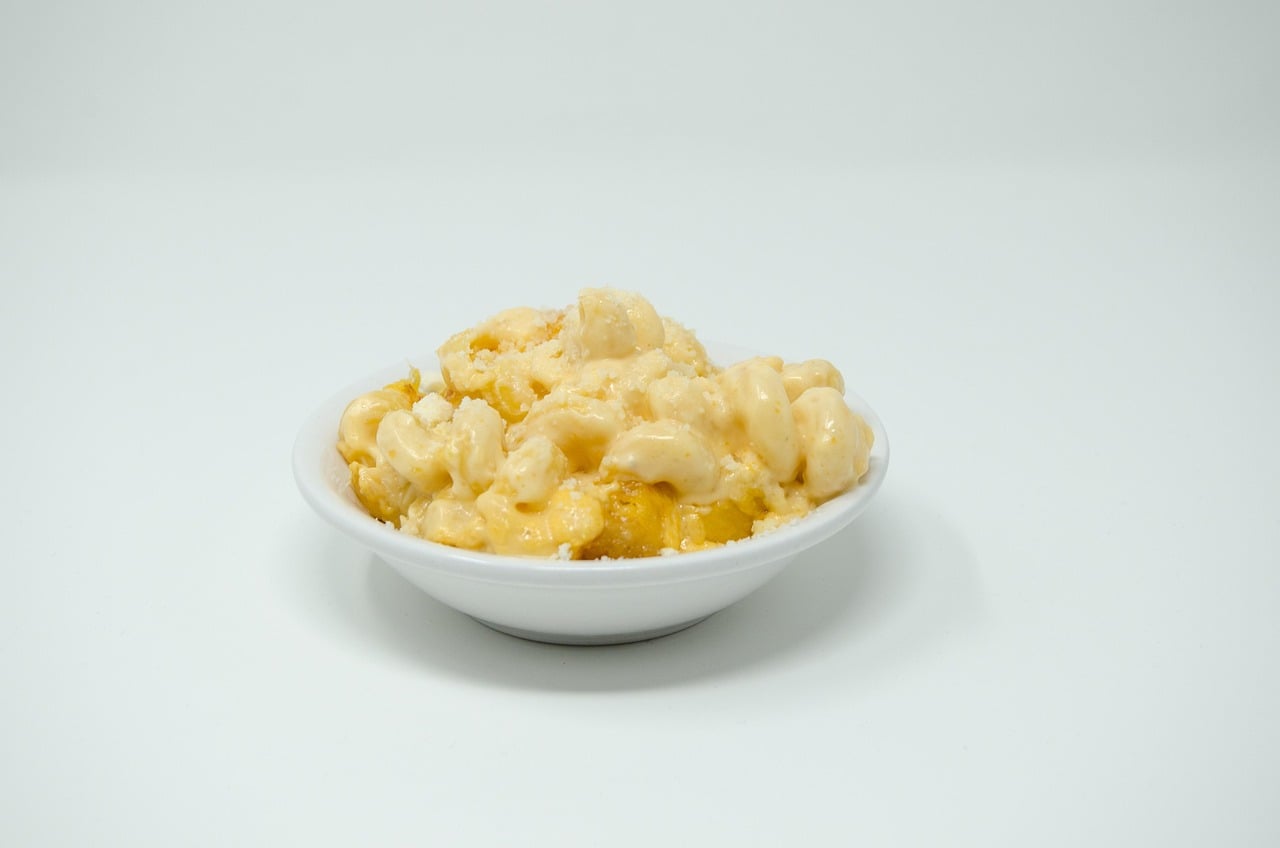
Boxed macaroni and cheese has always benefited from a simple formula: dried pasta, powdered cheese sauce, and a short cooking time. In periods when shoppers pay close attention to grocery bills, that combination becomes even more appealing.
Kraft Dinner's strength in Canada also reflects consistency. It is shelf-stable, widely available, and easy to customize with ingredients people already have at home, from hot dogs and peas to ground beef or extra shredded cheese. That flexibility helps explain why it stays relevant across age groups and income levels.
More than food, it is part of the culture
In Canada, Kraft Dinner has long carried a cultural weight that goes beyond sales. It shows up in dorm rooms, family pantries, cottage kitchens, and pop culture references, which gives the product a kind of everyday familiarity that many national food habits share.
The shorthand name matters too. Canadians commonly say KD, a sign that the brand has been absorbed into ordinary speech. When a packaged meal reaches that level of recognition, it stops being just another grocery item and starts functioning as a small marker of shared experience.
Canada's edge over the U.S.
The United States sells enormous quantities of packaged food, so Canada leading this category per person is not a small technicality. It means the average Canadian is more likely than the average American to bring home a box of Kraft Dinner in any given week.
That edge likely reflects a mix of habit, branding, and routine household use rather than one dramatic factor. The product has had years to cement itself as a low-effort meal, and once an item earns that place in family shopping patterns, it can hold on through changing food trends.
What the Kraft Dinner lead really shows
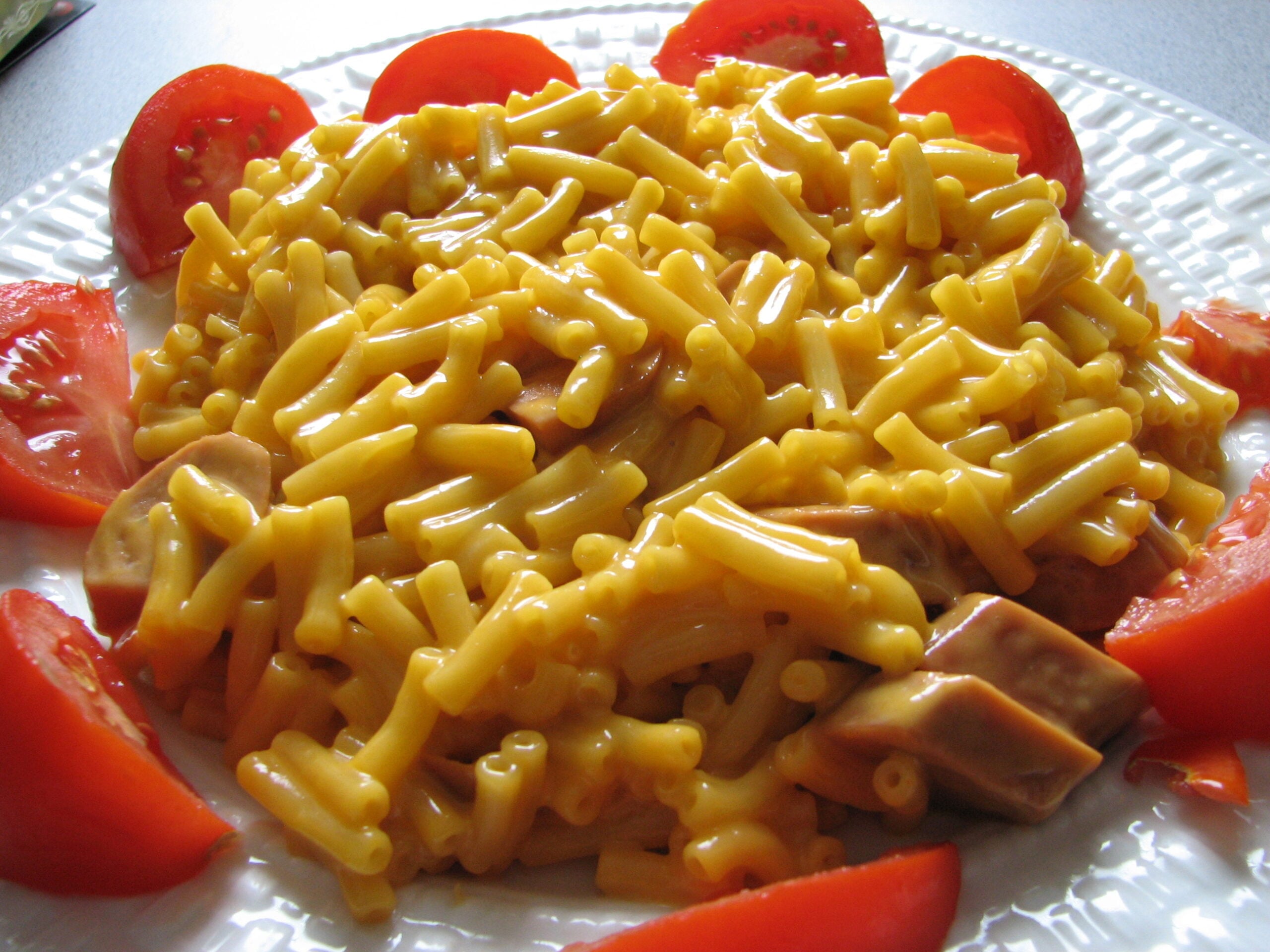
Canada's quiet lead in Kraft Dinner says something broader about grocery behavior. Big food stories are not always about luxury items or viral trends. Sometimes they are about a dependable pantry product that keeps winning because it solves the same problem, dinner in a hurry, over and over again.
In that sense, KD is less a novelty than a case study in loyalty. With more than 1.7 million packages bought weekly in Canada alone, the box continues to outperform its size in the global market and remains one of the clearest examples of a food that Canadians have truly made their own.




Leave a Reply