
Food fraud sounds like a punchline until you realize entire legal systems exist to stop it. In Canada and beyond, some foods are protected so tightly that names, ingredients, and even geography are enforced by law.
Canada's maple syrup rules are about more than breakfast

Maple syrup is one of Canada's most recognizable foods, and the country treats fake versions as a serious labeling issue. Federal rules distinguish real maple syrup from flavored table syrups made with corn syrup, sugar, coloring, or artificial flavor.
Under Canadian food law, products marketed as maple syrup must meet composition standards tied to genuine sap-based production. Provinces, especially Quebec, also play a major role through grading, inspection, and marketing controls that protect both producers and consumers.
That strictness exists for a reason. Maple syrup is economically and culturally important, and misleading labels can undercut trust in a premium product that depends on labor, seasonality, and regional identity.
Parmigiano Reggiano is protected down to its birthplace
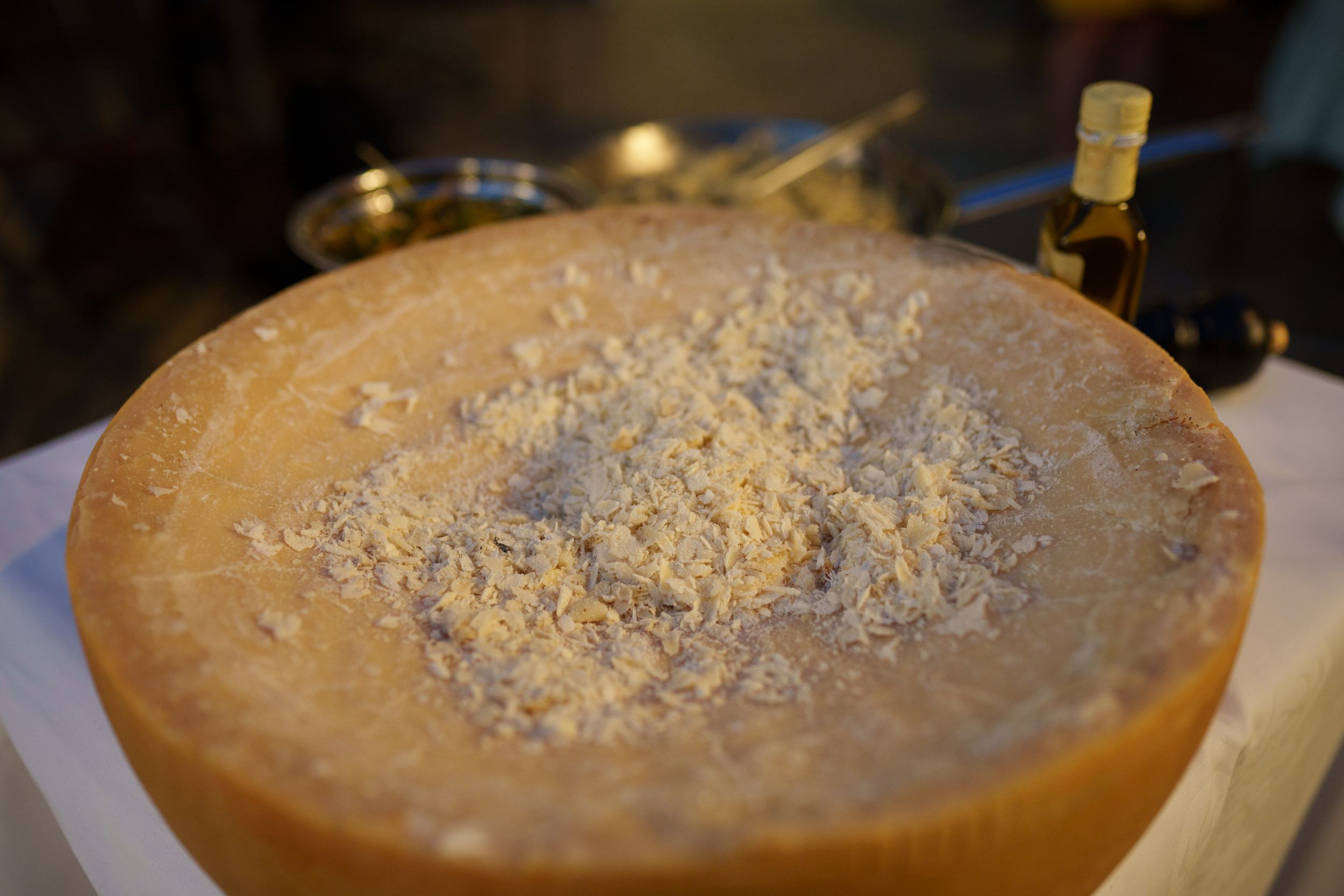
Few foods illustrate legal protection better than Parmigiano Reggiano. In Europe, it carries Protected Designation of Origin status, meaning production must occur in a tightly defined part of Italy and follow long-established methods.
That includes the feed given to cows, the aging process, and the ban on additives in the cheese itself. Wheels are inspected, marked, and traceable, which is why authentic Parmigiano Reggiano can be identified with remarkable precision.
This matters because "parmesan" became a generic term in some markets, creating years of legal tension. European authorities and the consortium behind the cheese have fought hard to preserve the original name as a guarantee of place, skill, and quality.
Champagne is a legal identity, not just a sparkling wine

The word Champagne is one of the world's most defended food and drink names. By law, true Champagne must come from France's Champagne region and be made under strict appellation rules governing grapes, blending, and secondary fermentation.
Those protections were built over decades to stop copycats from borrowing the prestige of the name. Producers and French authorities have challenged misuse globally, from wine labels to perfume marketing, because the term carries enormous commercial value.
For consumers, the law creates clarity. A bottle labeled Champagne is not just sparkling wine with a fancy price tag; it reflects a specific origin, production system, and regulatory tradition designed to preserve a distinct style.
Roquefort's legal shield began long before modern branding

Roquefort shows how old these protections can be. French law has long tied the blue cheese to sheep's milk and maturation in the natural caves of Roquefort-sur-Soulzon, where local conditions shape its texture and flavor.
It later gained European protected status, reinforcing requirements about origin and production. This means a blue cheese made elsewhere, even if similar in taste, cannot legally use the Roquefort name in protected markets.
The product has also appeared in trade disputes, showing how food law intersects with economics and politics. Roquefort's defenders argue that the name describes far more than a recipe; it captures terroir, technique, and centuries of regional expertise.
Kobe beef proves that reputation can be regulated too

Kobe beef is famous worldwide, but legally authentic Kobe is far narrower than many restaurant menus suggest. In Japan, the designation applies only to beef from Tajima-strain cattle born, raised, and processed in Hyogo Prefecture under strict grading standards.
The cattle must meet detailed benchmarks for marbling, carcass weight, and quality. That system helps explain why genuine Kobe is rare and expensive, and why Japanese authorities and industry groups have worked to stop overseas misuse of the name.
The broader lesson is simple. Legal food protection is not only about prestige; it is about preventing deception, preserving regional economies, and making sure celebrated names still mean something concrete when they reach the dinner table.




Leave a Reply