
Canadians still love their coffee runs and quick meals. But the country's fast food crown appears to be shifting.
A changing of the guard in Canadian fast food
For decades, Tim Hortons has held a near-symbolic place in Canadian daily life. It has been more than a restaurant chain, serving as a cultural marker tied to road trips, morning commutes, hockey arenas, and small-town routines. That is why any sign that another brand has overtaken it in popularity carries more weight than a routine restaurant ranking. It suggests a broader change in what Canadians want from fast food.
Recent consumer surveys and brand perception studies have pointed to McDonald's as the chain now leading in overall favourability among Canadians. The shift is not simply about burger sales. It reflects stronger performance in convenience, consistency, digital ordering, menu breadth, and value perception. In a market where consumers are more selective with spending, brands that deliver reliably across multiple dayparts are gaining ground.
This transition has been gradual rather than dramatic. Tim Hortons remains one of the country's most visited chains and still commands deep loyalty, especially in coffee and breakfast. But the new pecking order suggests Canadians are increasingly judging fast food brands on execution, not nostalgia. That distinction matters in a competitive industry where convenience and quality now carry equal importance.
Why McDonald's is gaining broader appeal
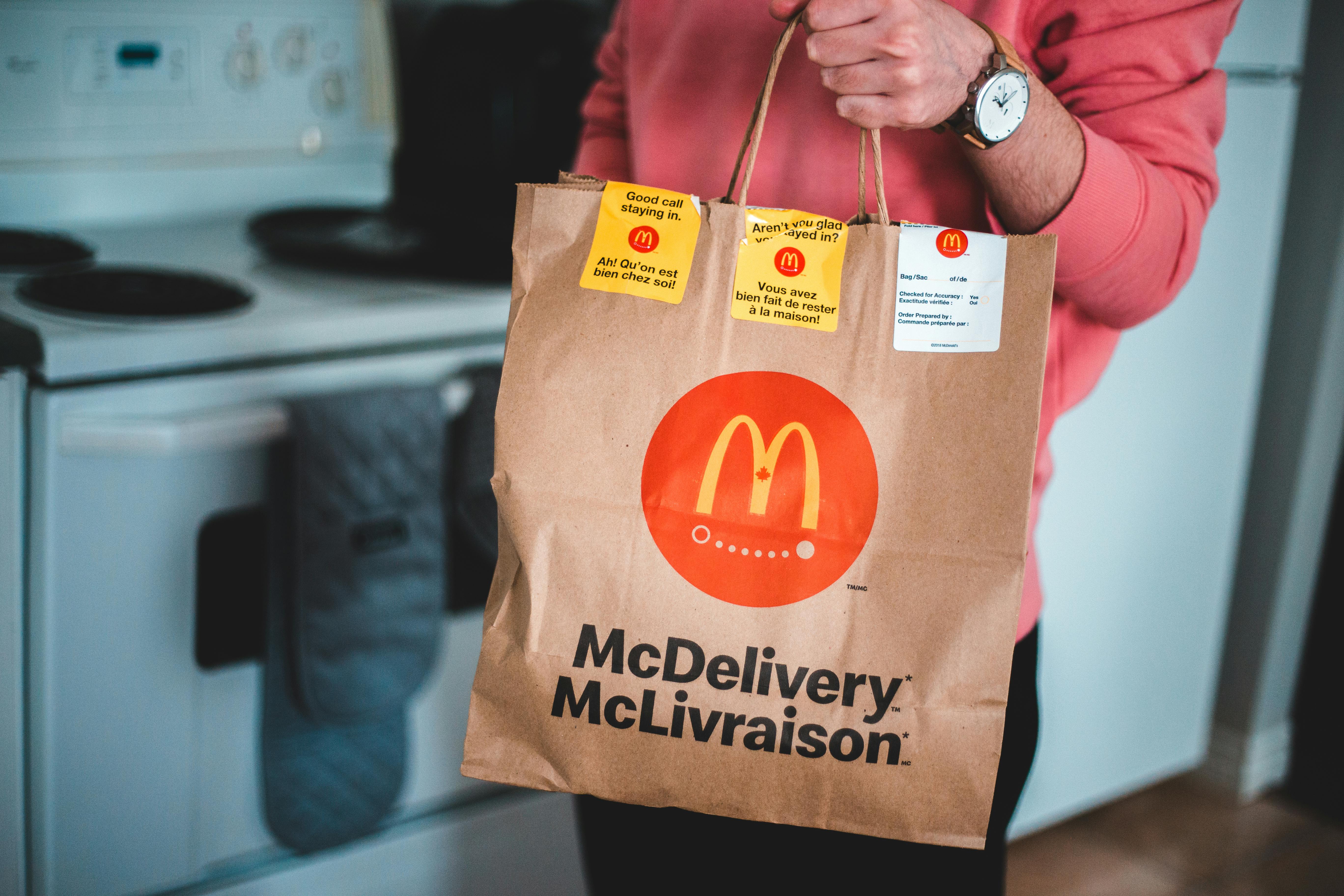
One reason McDonald's has strengthened its position is its ability to serve different customer needs throughout the day. It remains a major breakfast player, competes aggressively at lunch and dinner, and appeals to families, solo diners, and app-based customers alike. That versatility gives it a reach that many chains struggle to match.
The company has also invested heavily in operations. Across Canada, McDonald's locations have improved mobile ordering, drive-thru speed, loyalty rewards, and menu consistency. Customers may forgive a premium price if they know exactly what they will receive and how fast it will arrive. In fast food, that confidence often becomes a deciding factor.
Its beverage and coffee business has also become more important than many people realize. McDonald's McCafé platform helped reposition the chain as a realistic coffee stop, not just a burger destination. For consumers who once treated Tim Hortons as the default caffeine choice, that opened the door to comparison. Once customers start comparing, brand loyalty becomes easier to break.
Tim Hortons still matters, but its edge has narrowed
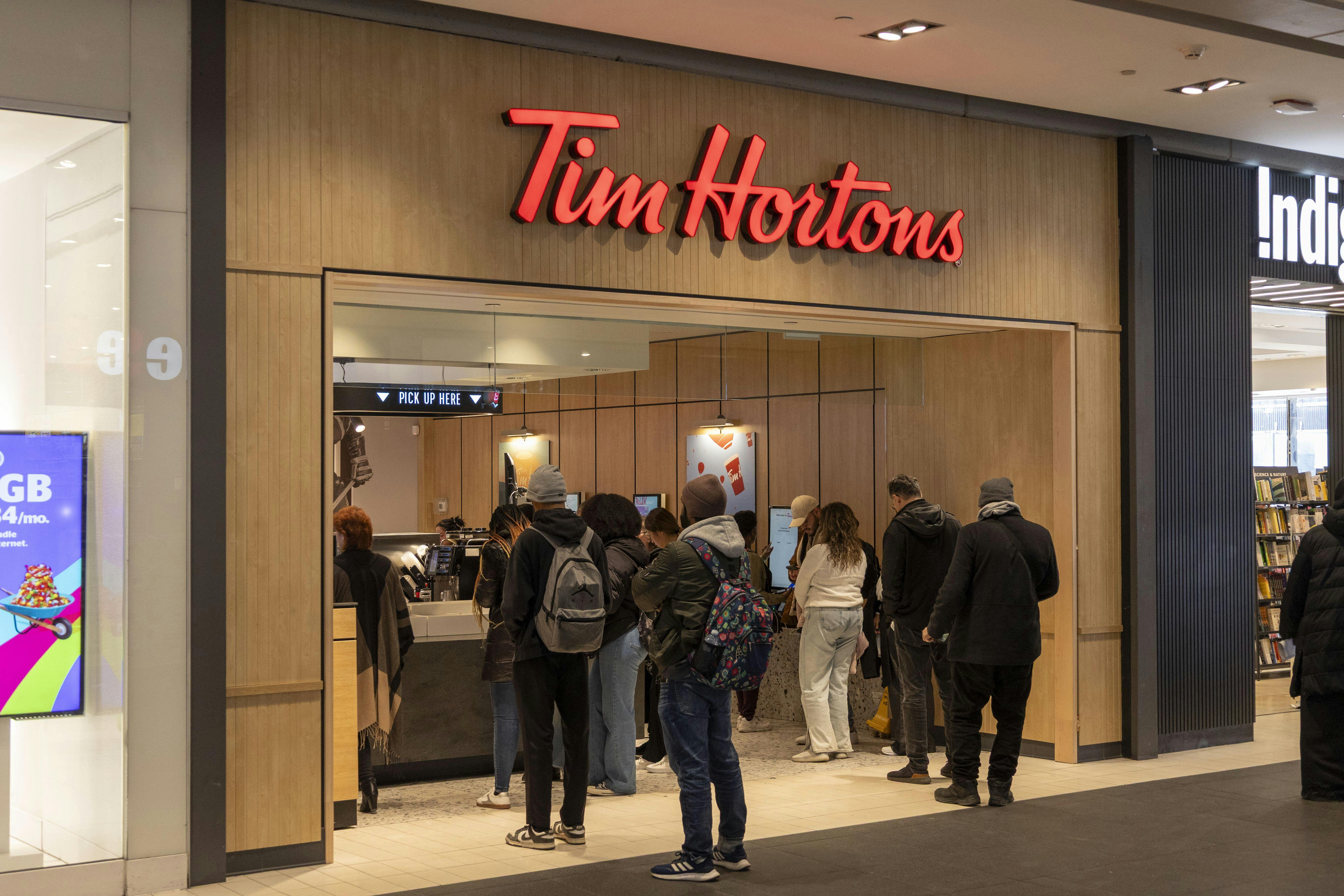
Tim Hortons is far from irrelevant. It remains deeply embedded in Canadian routines, and its footprint gives it an advantage in both urban neighbourhoods and smaller communities. In many places, it is still the most convenient option for coffee, snacks, and quick breakfasts. Its brand recognition remains among the strongest in the country.
Still, convenience alone no longer guarantees first place. In recent years, customer criticism has often focused on inconsistent food quality, slower service at some locations, and concerns that the brand has drifted from the simplicity that once made it so trusted. When those complaints become common, even a beloved chain can lose momentum.
The challenge for Tim Hortons is partly emotional and partly operational. Canadians still feel connected to the brand, but sentiment does not always translate into preference. If another chain is seen as more dependable, more modern, or better value for money, customers may shift habits without fully abandoning their affection. That is often how market leadership changes in real life.
The role of price, convenience, and digital habits

Fast food competition in Canada is being reshaped by inflation and tighter household budgets. Consumers are watching prices more carefully, but they are also weighing convenience against cost. A meal that feels predictable, fast, and easy to order can still win even if it is not the absolute cheapest option. Perceived value now matters as much as sticker price.
Apps and rewards programs are playing a bigger role in that calculation. McDonald's has benefited from a digital ecosystem that gives customers frequent offers, simple ordering, and a smoother pickup process. That matters because modern fast food is no longer judged only at the counter. It is judged on the phone screen long before a customer arrives.
Tim Hortons has expanded its own digital tools, but the competitive standard has risen quickly. Customers want accurate orders, personalized deals, and short wait times whether they go inside, use the drive-thru, or order ahead. Chains that connect all of those touchpoints effectively are building stronger habits. In that environment, digital performance can influence national preference as much as menu taste.
What this says about Canadian consumer tastes

The rise of a new favourite chain shows that Canadian fast food preferences are becoming more practical and less symbolic. Consumers are still drawn to familiar brands, but they are increasingly rewarding businesses that fit seamlessly into busy, cost-conscious lives. Reliability has become a form of brand power.
There is also a generational shift at work. Younger consumers tend to move more easily between brands and are often less attached to legacy identities. They are more likely to compare app offers, delivery options, limited-time menus, and online reviews. For them, a chain's national mythology matters less than whether the experience feels smooth and worth the money.
This does not mean Canadians have stopped caring about local identity or tradition. It means those qualities must now be backed up by strong execution. A brand can be iconic and still lose ground if competitors adapt faster. The market is rewarding chains that combine familiarity with efficiency, and that balance is now shaping the national fast food conversation.
What happens next for the fast food race

McDonald's current momentum does not guarantee permanent dominance. Fast food rankings can shift quickly when economic pressure, menu innovation, or service quality changes. A strong year in customer favourability can be followed by a weaker one if expectations rise and execution slips. That is especially true in a market as brand-aware as Canada.
For Tim Hortons, the path back is clear even if it is not easy. Sharper focus on core products, stronger in-store consistency, and better service could restore some of the trust that made it a category leader for so long. Because its footprint and recognition are still enormous, even modest improvements could have a meaningful effect.
What matters most is that Canadians are sending a clear message. They are not choosing favourites out of habit alone. They are rewarding the chain that best meets their everyday needs, and right now that appears to be McDonald's. For the country's fast food industry, that is more than a headline. It is a signal of where consumer expectations are headed.




Leave a Reply