
Canada's seafood trade is not a side story in the national economy. It is one of the clearest examples of how natural resources, global demand, and skilled coastal work come together to create real export power.
Lobster Was the Clear Star of the Export Year

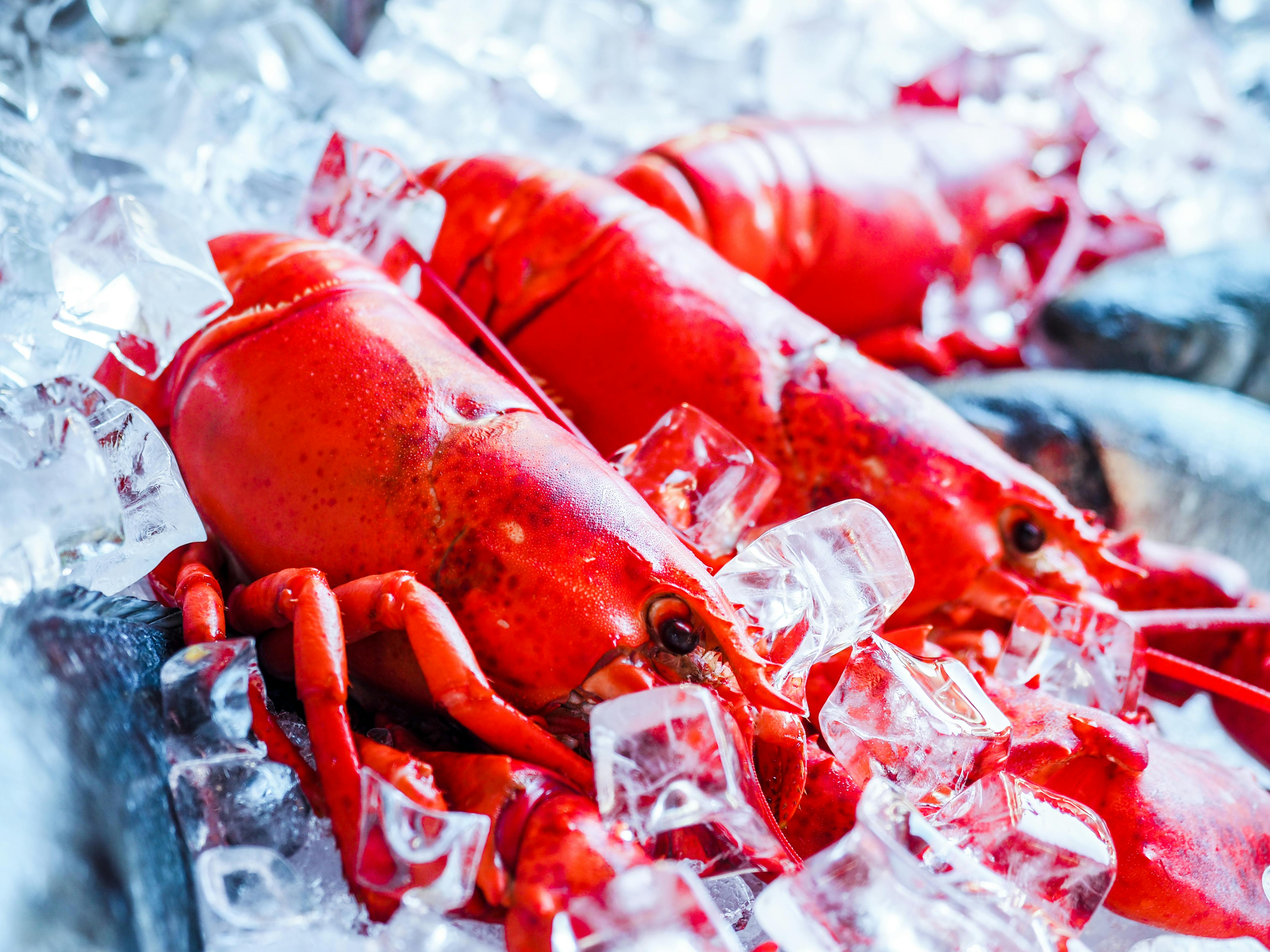
One number stood above the rest: $3 billion from lobster exports alone. That means lobster accounted for more than ⅓ of Canada's total seafood export value, making it the single biggest driver in a sector worth $8.5 billion overall.
The reason is simple. Canadian lobster has built a premium reputation in major markets because buyers associate it with cold, clean Atlantic waters, reliable quality, and strong handling standards from harvest to shipment.
Atlantic Canada sits at the center of that success. Nova Scotia, New Brunswick, Prince Edward Island, Newfoundland and Labrador, and parts of Quebec all depend heavily on lobster landings, processing, transport, and export activity tied to the species.
Demand also reflects how lobster is sold. It is not just a commodity product. It is marketed as a high-value food item in restaurants, holiday dining, luxury retail, and live seafood channels, which helps explain its outsized value.
The $8.5 Billion Figure Shows a Broad Industry Base

The headline lobster number is striking, but it sits inside a much wider seafood economy. Canada exports a large mix of species, including snow crab, shrimp, salmon, scallops, halibut, mussels, and several groundfish products.
That diversity matters because it spreads risk across markets and seasons. When pricing weakens for one species or one destination slows, processors and exporters can often lean on other products to maintain revenue and keep supply chains moving.
British Columbia contributes heavily through salmon, geoduck, sablefish, and other Pacific species. On the Atlantic side, shellfish dominate value, especially lobster and crab, giving Canada a seafood profile that is both regionally specialized and nationally significant.
According to trade reporting and industry data patterns seen in recent years, the sector's strength comes from a mix of wild capture fisheries, aquaculture, modern cold-chain logistics, and access to customers willing to pay for quality.
Global Buyers Keep Canada Deeply Connected to Seafood Trade
Export success depends on who is buying, and Canada sells seafood into some of the world's most important food markets. The United States remains the largest customer for many Canadian seafood categories because of its size, proximity, and integrated distribution systems.
China has also been a major buyer, especially for premium live seafood and shellfish, although volumes can swing depending on trade conditions, logistics, and consumer demand. Japan and Europe remain important for species with strong premium and restaurant demand.
This international reach gives Canadian exporters room to balance their sales strategies. Some products move fresh or live to maximize value, while others are frozen or processed for longer-distance shipping and more stable shelf life.
Market access is only part of the equation. Meeting food safety rules, traceability expectations, and import requirements in multiple countries is essential, and Canadian exporters have spent years building that credibility.
Coastal Communities Depend on More Than the Boats

It is easy to picture seafood exports beginning and ending at the wharf, but the real economy around them is much larger. Every trap hauled or catch unloaded supports workers in grading, processing, packaging, trucking, warehousing, and freight forwarding.
In many coastal towns, seafood is one of the few industries that anchors year-round economic activity. Seasonal harvest income often feeds local retail spending, supports marine suppliers, and helps sustain small-business networks that would otherwise face sharper declines.
Processing plants are particularly important employers. They create jobs for skilled cutters, quality-control staff, machine operators, maintenance teams, and office personnel, turning raw landings into export-ready products that meet exacting buyer specifications.
Ports and airports also benefit. High-value products like live lobster need speed, oxygen management, temperature control, and dependable transport links, which means seafood exports support infrastructure far beyond the fishing fleet itself.
Price, Sustainability, and Supply Shape the Industry's Future

A strong export year does not mean the sector is free of pressure. Seafood values can rise even when volumes do not, especially when global supply is tight and premium buyers compete for limited high-quality product.
That is especially relevant for lobster. Weather, bait costs, fuel prices, labour availability, and shifting marine conditions all affect what harvesters can land and what exporters can profitably ship into foreign markets.
Sustainability is now central to market confidence. Buyers increasingly want proof that fisheries are managed responsibly, stocks are monitored, and harvest practices can support long-term production without undermining the ecosystems behind the industry.
Climate change adds another layer of uncertainty. Ocean warming, species movement, and changing habitat conditions could alter where key species thrive, forcing regulators, harvesters, and processors to adapt faster than in the past.
Why Lobster's Dominance Tells a Bigger Canadian Story

Lobster's $3 billion share is not just a statistic about one species. It shows how Canada has succeeded in turning a regional specialty into a global premium product supported by branding, logistics, and generations of harvesting knowledge.
It also highlights how concentrated value can become in resource industries. When one product contributes such a large share of export earnings, governments and businesses have strong reasons to protect market access, maintain stock health, and invest in resilience.
The broader lesson is that Canada's seafood sector combines tradition with sophisticated trade execution. From small harbor communities to international cargo networks, the industry has learned how to move perishable, high-value food across borders at scale.
If that system remains efficient and sustainable, seafood will continue to be one of Canada's most important export stories. And as last year's numbers make clear, lobster will remain at the heart of it.




Leave a Reply