
Butter has long been treated like a dietary villain. But newer evidence suggests its role in diabetes risk is more nuanced than the old advice implied.
Why this finding is getting attention
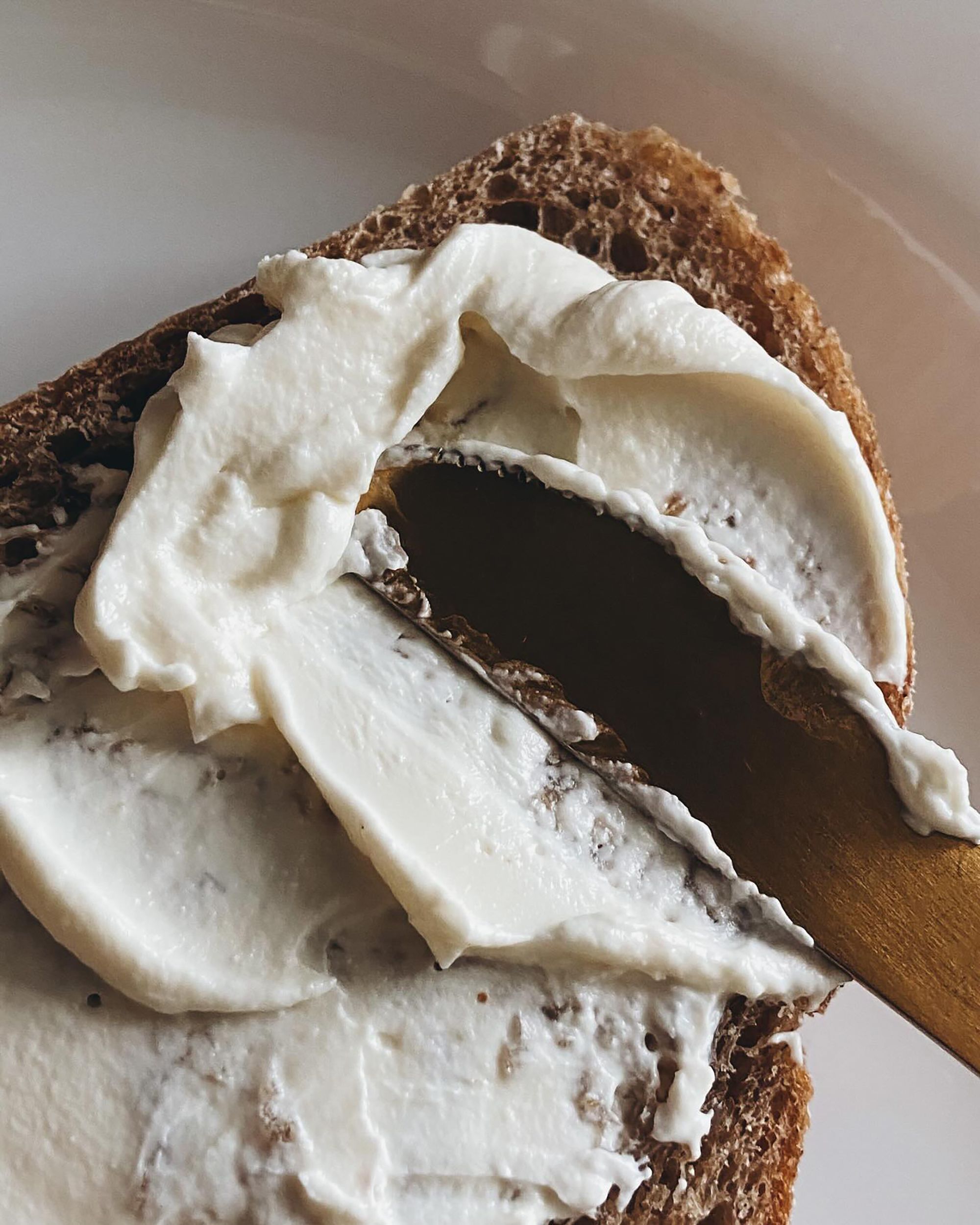
For years, butter was grouped with foods people were told to limit strictly because of saturated fat. That guidance came from a broader effort to reduce heart disease risk, and it often spilled into diabetes advice too. As a result, many people came to assume butter directly worsened blood sugar control.
A newer body of nutrition research paints a more complicated picture. Some large observational studies have found that moderate butter intake is not strongly linked with a higher risk of developing type 2 diabetes. In some analyses, dairy fat has even shown neutral or slightly favorable associations, though that does not prove cause and effect.
What makes this notable is not that butter has become a health food. It is that dietary risk rarely comes down to one ingredient alone. Researchers increasingly look at whole eating patterns, including refined carbohydrate intake, weight changes, and the difference between processed foods and minimally processed foods.
What the study suggests about butter and diabetes

The key takeaway from recent findings is that butter does not appear to have the dramatic harmful effect on diabetes risk that many people once feared. In practical terms, eating small amounts of butter on its own is unlikely to be the deciding factor that pushes someone toward type 2 diabetes.
That matters because diabetes risk is driven by many overlapping factors. Body fat distribution, family history, sleep, physical activity, and long-term calorie balance all play larger roles. A person who uses a little butter in a diet rich in vegetables, legumes, whole grains, and protein is in a very different position from someone eating a heavily processed diet.
Researchers also note that food substitution changes the outcome. Replacing butter with highly refined carbohydrates, such as white bread or sugary spreads, may offer no benefit and could even worsen metabolic health. Replacing some butter with unsaturated fats from nuts, seeds, olive oil, or avocado is still generally considered the stronger move for overall health.
Why the old assumptions may have been too simple

Nutrition science has moved away from judging foods only by a single nutrient. Butter contains saturated fat, but it is also part of a complex dairy matrix that may behave differently in the body than isolated fats in laboratory models. That distinction has become increasingly important in modern diet research.
Some scientists point to the fact that fermented dairy products such as yogurt and cheese are often linked with lower diabetes risk. Butter is not nutritionally identical to those foods, but the broader dairy category has not behaved as uniformly negatively as older guidance suggested. This helped push researchers to reexamine assumptions.
Another issue is that many early public health messages were simplified for clarity. Telling people to cut back on saturated fat was easier than explaining food patterns, substitutions, and dose. But simple messages can create misconceptions, including the idea that one pat of butter matters more than chronic overeating, inactivity, or sugar-heavy diets.
What matters more than butter alone

Here is the central point most experts agree on: the full dietary pattern matters far more than one spread or cooking fat. Type 2 diabetes risk rises most clearly with excess calorie intake, weight gain, low fiber intake, and regular consumption of ultra-processed foods and sugary drinks.
Real-world eating habits show why context matters. Butter on steamed vegetables or a small amount used in home cooking is not the same as butter consumed in pastries, fast food sandwiches, or large restaurant meals loaded with refined starch and sodium. The surrounding ingredients often tell the more important metabolic story.
Portion size still counts. Butter is calorie-dense, so frequent large servings can contribute to weight gain over time, and excess body weight remains one of the strongest risk factors for type 2 diabetes. That is why this kind of study should be read as reassurance against oversimplification, not as a green light for unlimited use.
How to use this information in everyday eating

A sensible approach is to stop thinking in absolutes. If you enjoy butter, modest amounts can likely fit into an otherwise balanced diet without meaningfully increasing diabetes risk. The best strategy is to use it intentionally rather than automatically.
For example, spreading a thin layer of butter on whole-grain toast alongside eggs and fruit is a different nutritional choice from eating butter-rich baked goods every day. Cooking methods matter too. A small amount used for flavor in a vegetable dish is easier to accommodate than repeatedly adding large amounts to refined starches.
If you are trying to lower diabetes risk, focus first on proven habits. Maintain a healthy weight, build meals around fiber-rich foods, stay active, sleep well, and limit sugar-sweetened drinks. Those changes have much stronger evidence behind them than obsessing over whether a teaspoon of butter is inherently dangerous.
The bottom line for health-conscious readers

The newest message is less dramatic than old diet debates, but more useful. Butter probably is not the major driver of diabetes risk it was once made out to be, especially when eaten in moderation as part of a high-quality diet.
At the same time, moderation remains important because butter is still high in saturated fat and calories. Health organizations continue to favor unsaturated fats for heart health, and that advice still stands. The smartest interpretation is balance, not backlash.
In other words, butter can have a place at the table without dominating it. If your overall diet is rich in whole foods and low in ultra-processed products, a little butter is unlikely to make or break your metabolic health. The broader pattern, repeated day after day, is what counts most.




Leave a Reply