
A quiet change is happening in the nut butter aisle. For many boomers, walnut butter is becoming the smarter, more appealing spread.
A health-first generation is rethinking old staples

Baby boomers have spent years adjusting their diets around cholesterol, blood pressure, inflammation, and healthy aging. That makes every daily food choice feel more important than it did decades ago. Peanut butter still offers protein and convenience, but it also carries a processed, familiar image that no longer excites many older shoppers. Walnut butter, by contrast, feels more aligned with current nutrition advice and a more intentional way of eating.
Walnuts have long been associated with heart health. According to major nutrition research and guidance from cardiology-focused dietitians, walnuts stand out for their polyunsaturated fats, including plant-based omega-3 ALA. Peanut butter contains healthy fats too, but it does not bring the same omega-3 profile to the table. For boomers who read labels and follow nutrition news, that difference matters.
Many older adults are not chasing trends for the sake of novelty. They are making practical swaps that may support long-term wellness. Walnut butter fits neatly into that mindset because it sounds less like a snack food and more like a functional pantry item.
The fat profile is a major reason for the switch
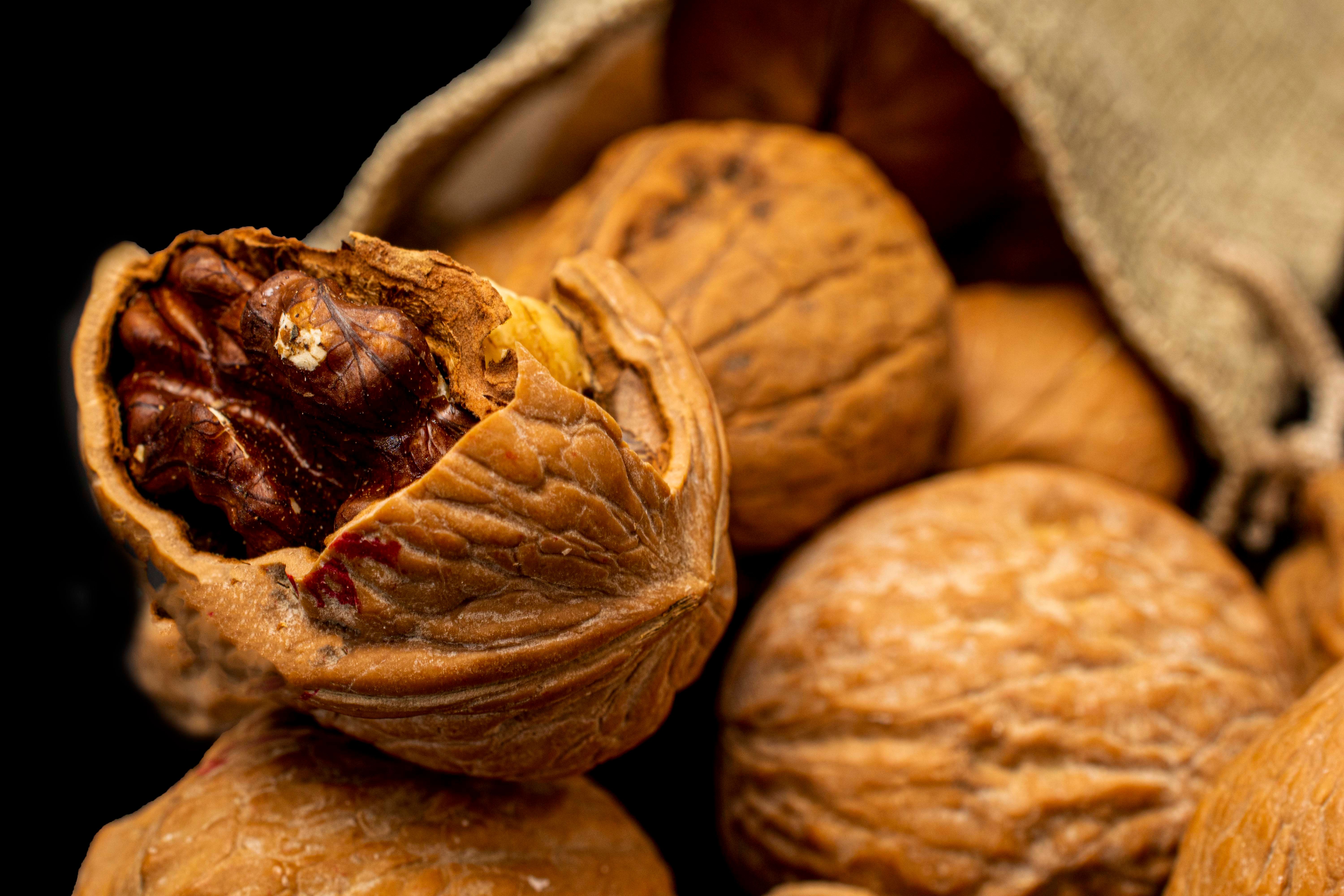
One of the strongest arguments in walnut butter's favor is its fat composition. Walnuts are naturally rich in unsaturated fats, especially polyunsaturated fats, which are often linked with cardiovascular benefits when they replace saturated fats in the diet. For boomers managing family histories of heart disease or trying to keep LDL cholesterol in check, that is a persuasive point. The ingredient itself communicates health in a way many can immediately recognize.
Peanut butter is not unhealthy by default, but commercial versions often come with added sugar, palm oil, and extra sodium. Natural peanut butter avoids some of those concerns, yet many consumers still associate the category with sweetened supermarket brands. Walnut butter tends to enter the cart as a premium product with a cleaner reputation. That perception alone can influence buying behavior.
There is also the issue of portion quality over portion size. Boomers who are eating less overall often want those calories to do more. A spread with omega-3s, minerals, and a more distinctive nutrient identity can seem worth the higher price.
Taste, texture, and variety are winning people over

Flavor fatigue is real, especially for shoppers who have eaten peanut butter sandwiches for half a century. Walnut butter offers a deeper, earthier taste that feels more grown-up and versatile. It works on toast, but it also pairs well with sliced pears, cinnamon oatmeal, roasted sweet potatoes, and whole-grain crackers. That culinary flexibility gives it a broader role than many people expect.
Texture matters too. Walnut butter often has a silky, slightly looser consistency that appeals to people who want something easy to spread and easy to blend into foods. It can be stirred into yogurt, folded into smoothies, or used in salad dressings without dominating the dish. That makes it attractive to older consumers who cook simply but still want flavor.
Retail trends support this shift toward variety. Specialty grocers and natural food chains have expanded shelf space for alternative nut and seed butters, and mainstream stores are following. Once walnut butter became easier to find, trying it became a much smaller leap.
Digestibility and allergy concerns also play a role

For some boomers, the move away from peanut butter is not only nutritional. It is also about comfort and tolerance. Peanuts are legumes, not tree nuts, and some people report that peanut products feel heavier or harder to digest, especially when combined with added oils and sweeteners. Walnut butter is not automatically easier for everyone, but some consumers perceive it as a cleaner, lighter option.
Allergy awareness has changed food habits across generations. Even adults without peanut allergies may keep fewer peanut products at home because grandchildren, guests, or community spaces have peanut restrictions. Walnut butter is still an allergen and not safe for people with tree nut allergies, but it does offer a practical alternative in some households where peanuts are avoided specifically.
Doctors and dietitians often encourage older adults to personalize their diets rather than cling to one default staple. In that context, experimenting with walnut butter can be part of a broader effort to find foods that feel better and fit changing needs.
Premium foods now feel like everyday investments
Boomers control significant household spending, and many are willing to pay more for foods they view as useful, not indulgent. Walnut butter is more expensive than peanut butter, but it fits the modern idea of affordable wellness. Instead of spending broadly on processed snacks, many older shoppers are concentrating their budgets on fewer, better pantry items. A jar of walnut butter can fall squarely into that logic.
This is part of a wider shift toward premium basics. Greek yogurt, extra-virgin olive oil, seeded crackers, fermented foods, and high-fiber cereals have all benefited from it. Walnut butter joins that list because it feels upgraded without being complicated. It is recognizable, practical, and easy to use daily.
Packaging and branding also matter. Walnut butter is often marketed with simple labels, short ingredient lists, and wellness-forward messaging. For boomers who have become skeptical of heavily engineered food products, that cleaner presentation can be surprisingly persuasive.
Walnut butter reflects a bigger generational food shift

The rise of walnut butter says something larger about how boomers eat now. This generation is moving away from convenience foods that once symbolized modern living and toward foods that promise function, transparency, and quality. They are not abandoning nostalgia entirely, but they are redefining what a staple looks like in later life. Peanut butter remains popular, yet it no longer owns the category the way it once did.
What replaces it matters. Walnut butter signals interest in better fats, richer flavor, and more thoughtful eating habits. It is not a miracle food, and it will not replace peanut butter in every home. Still, for boomers trying to align everyday meals with longevity and enjoyment, the switch makes clear, practical sense.




Leave a Reply