
Bone broth used to live in stockpots and soup bowls. Now it is turning up in coffee cups, shaker bottles, and wellness menus.
Why bone broth is moving beyond soup

What looks like a novelty is really a collision of several food trends at once. Consumers want more protein, less sugar, and functional ingredients they can recognize. Bone broth fits that profile neatly because it feels traditional while also being easy to market as modern wellness.
Another factor is portability. A mug of broth already behaves like a beverage, so the leap into drink culture is smaller than it sounds. Ready-to-sip cartons, powdered mixes, and concentrated shots have helped reframe it from cooking base to daily ritual.
There is also the language around comfort. Broth suggests warmth, nourishment, and recovery in a way many supplements do not. That emotional appeal matters, especially when brands position it as an afternoon pick-me-up or post-workout option rather than just an ingredient for soup.
What people are actually putting it into

The simplest version is still the most common: heated bone broth in a cup, seasoned like tea or coffee. Many people add turmeric, ginger, black pepper, miso, or lemon for a stronger flavor profile. Some cafes and wellness counters now sell savory broth drinks beside espresso and matcha.
Powdered bone broth has opened the door to more experimentation. It is being stirred into smoothies, blended with greens, and added to high-protein shakes. That works best when the flavor is mild, though poultry-based broths usually disappear more easily into mixed drinks than beef-heavy versions.
Then there are hybrid drinks aimed at adventurous consumers. Savory lattes with broth, mushroom blends, collagen powders, or adaptogens are appearing in niche markets. These are less mainstream, but they show how bone broth is being treated not just as nourishment, but as a customizable functional beverage base.
The nutrition case and where it gets overstated

Bone broth does contain protein, especially when concentrated, and it may provide collagen-derived amino acids such as glycine and proline. Those nutrients are part of why it appeals to athletes, older adults, and people trying to increase protein intake without relying on sweet shakes.
Still, the health halo can grow larger than the evidence. Nutrition content varies dramatically by brand, recipe, and serving size. Some products are rich and substantial, while others deliver far less protein than their packaging language might lead shoppers to expect.
Claims about gut health, skin quality, or joint support are popular, but they are not all equally well established. A 2024 study on collagen peptides may support some benefits in specific contexts, yet bone broth itself is not a guaranteed cure-all. It is better understood as a useful food, not a miracle drink.
Why brands and cafes see a business opportunity

From a business perspective, bone broth solves a shelf-positioning problem in a clever way. It can sit near soup, supplements, sports nutrition, or grab-and-go beverages. That flexibility makes it attractive to retailers looking for products that cross categories and capture multiple kinds of shoppers.
Cafes also benefit from differentiation. Selling a savory hot drink gives them something most chains do not offer. In wellness-focused neighborhoods, a broth-based menu item can signal that a shop understands current demand for functional, lower-sugar options with more substance than standard flavored drinks.
Price helps too. Consumers are often willing to pay premium beverage prices for products tied to protein, collagen, or recovery. That allows broth makers to move beyond the low-margin image of stock and into the more profitable world of lifestyle beverages, where branding can matter as much as taste.
The biggest challenge is flavor, not hype

The main barrier is obvious after the first sip. Many people simply do not want a meaty note in a drink format, especially if they expect the experience to resemble juice, coffee, or a sweet protein shake. Bone broth asks consumers to rethink what a beverage can taste like.
That challenge has pushed product developers to soften, season, or disguise the profile. Chicken broth tends to be lighter and more versatile, while beef broth can feel heavier and more polarizing. Herbs, spices, and umami ingredients help, but they do not erase the fact that this is a savory proposition.
Texture matters as well. A drink that feels greasy, overly gelatinous, or salty will struggle to win repeat buyers. The brands gaining traction are usually the ones that treat broth like a beverage first, balancing mouthfeel and sodium carefully instead of assuming nutritional messaging alone will carry the product.
Is this a fad or a lasting shift?
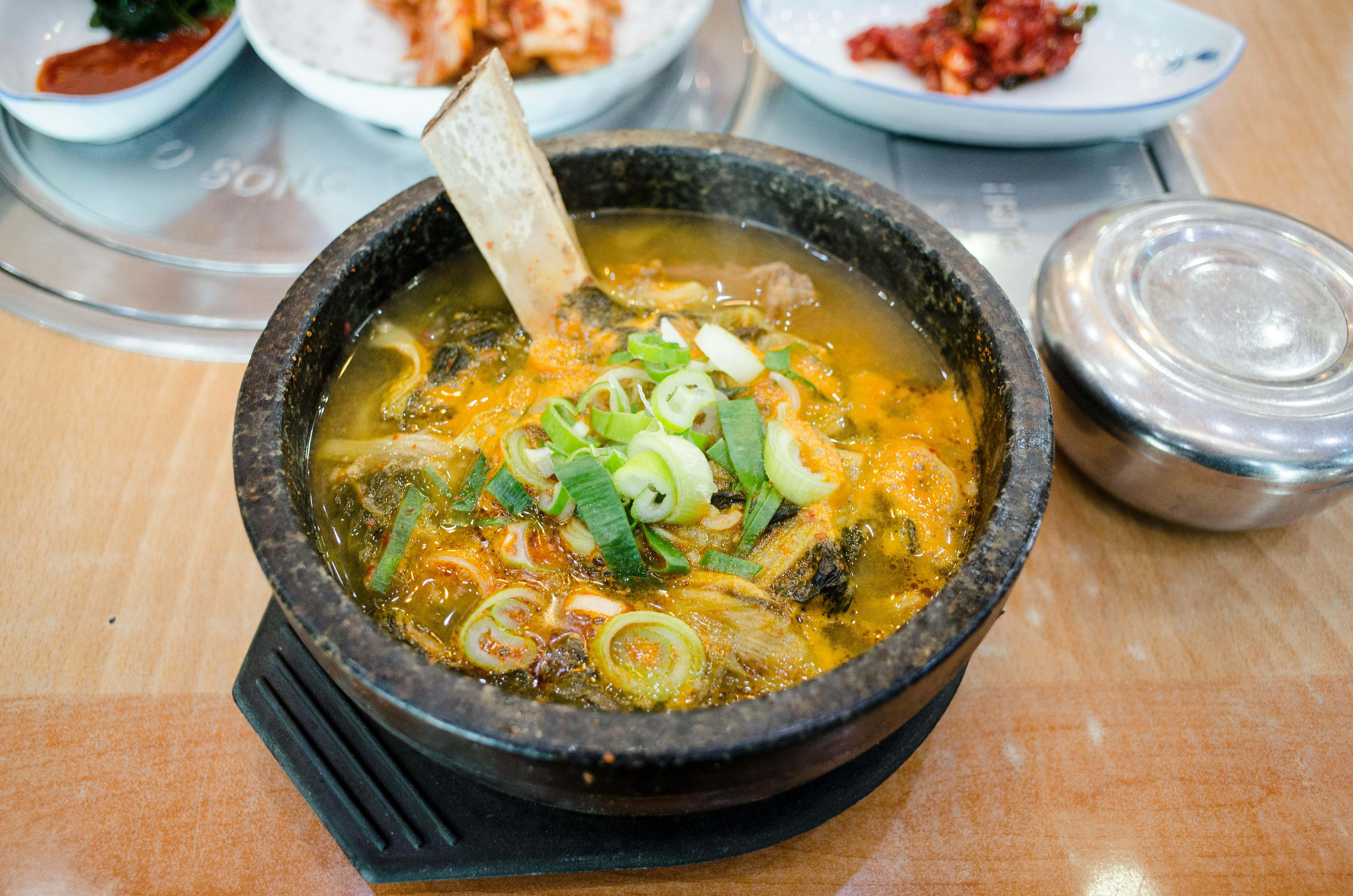
Bone broth in drinks may sound like peak trend culture, but parts of it are likely to stick. Warm, savory beverages already have a place in many food traditions, from miso-based drinks to sipping broths served for comfort or recovery. What is new is the packaging and wellness positioning.
The broader shift is toward beverages that do more than refresh. Consumers increasingly expect satiety, protein, functional benefits, and cleaner labels from what they drink. In that environment, bone broth makes sense, even if only a minority of people embrace the more experimental versions.
So the real future is probably not broth smoothies taking over breakfast. It is a steadier normalization of sip-ready broth, savory café offerings, and protein-forward drinks that borrow from culinary traditions. Bone broth has not abandoned soup entirely, but it has clearly claimed space at the beverage table.




Leave a Reply