Dinner is changing fast. What used to be a longer evening ritual is increasingly becoming a race against the clock.
Ben's Original Street Food Noodles Arrive at the Right Time
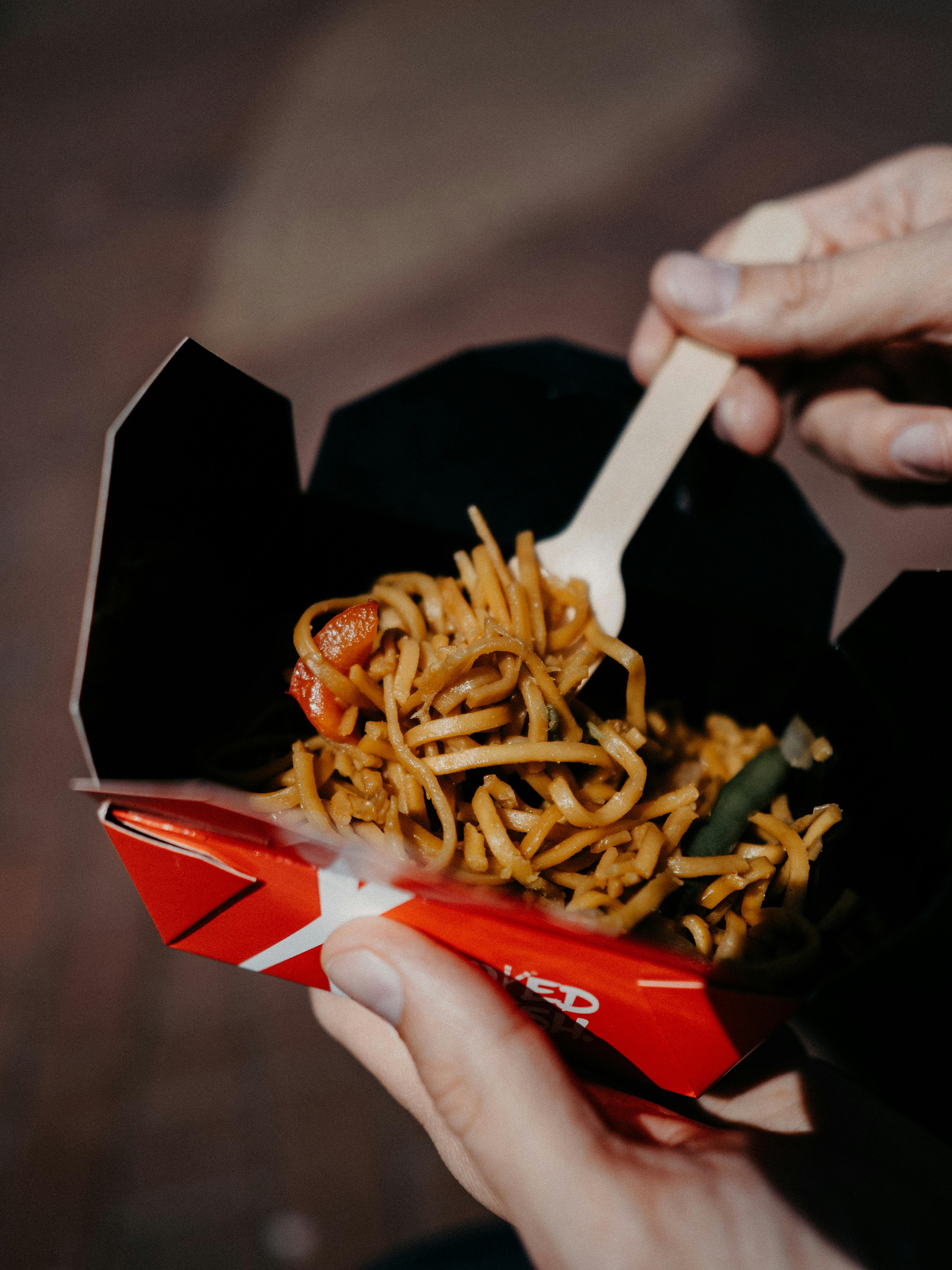
Ben's Original Street Food Noodles were launched in Canada in March 2026 with a very clear promise: globally inspired flavor in a microwave-ready pouch in just 90 seconds. According to the company announcement, the line includes five varieties: Chinese Stir Fry, Korean Style BBQ, Spicy Indonesian, Thai Stir Fry, and Japanese Teriyaki. That range matters because it signals something bigger than a simple line extension. It shows how mainstream grocery brands are responding to consumers who want faster meals without giving up variety.
The product details are also carefully positioned for modern shoppers. Ben's Original says the noodles contain no artificial colours, flavours or preservatives, are suitable for vegetarians, and offer a source of fibre and protein. At a suggested retail price of $5.99 per pouch, the line aims to sit in the middle ground between ultra-cheap instant noodles and more expensive takeout. That middle tier has become one of the most contested spaces in grocery, especially as households look for convenience that feels like a justifiable value.
Mars Food & Nutrition Canada described noodles as one of the fastest-growing convenient meal categories in the country. That claim fits wider market dynamics. Ready meals in Canada are expected to grow 46 per cent between 2024 and 2030, reaching a $7.18 billion US industry, according to data cited in the launch announcement. When a category is expanding that quickly, companies are not simply adding products. They are trying to define what the next standard weeknight dinner will look like.
What stands out most is the way Ben's Original is pushing itself toward the "center of the plate." For years, rice brands often played a supporting role beside a protein or vegetable side. These noodle pouches instead present themselves as the main event. That shift speaks to a broader consumer reality: many people no longer want ingredients that require assembly. They want dinner to feel complete the moment it leaves the microwave.
Faster Dinners Are No Longer a Niche Habit
The rise of faster dinners is not just about laziness, and it is not limited to students or single people. It is rooted in changing work patterns, higher mental load, longer commutes for some workers, and packed family schedules that leave little room for elaborate cooking on weeknights. In many homes, the question is no longer whether dinner should be quick. The real question is how quick it can be without feeling like a compromise.
Time-use studies across North America have repeatedly shown that cooking time tends to compress during the workweek. Households may still enjoy cooking from scratch on weekends, but Monday through Thursday often operate under different rules. This has created space for a new class of products that are neither traditional pantry staples nor frozen TV dinners. Shelf-stable, microwaveable meals now fit into lunch breaks, after-school gaps, and late-night eating in ways older formats did not always manage well.
The cultural language around convenience has changed too. A decade ago, convenience food often carried a stigma, suggesting lower quality or a lack of care. Today, convenience is more likely to be framed as a practical response to modern life. The best-performing brands understand this and do not sell speed alone. They pair speed with descriptors like authentic, bold, wholesome, or globally inspired. Ben's Original Street Food Noodles follow that exact playbook by linking convenience with culinary exploration.
There is also an economic angle that should not be ignored. Restaurant takeout has become expensive enough that many consumers are looking for a substitute rather than an addition. A pouch that can be ready in 90 seconds and costs less than a delivery meal can start to look attractive, especially for office lunches or solo dinners. In that context, fast grocery meals are not only competing against other supermarket products. They are increasingly competing against quick-service restaurants, delivery apps, and the impulse to skip cooking altogether.
Why Global Flavors Matter More Than Ever
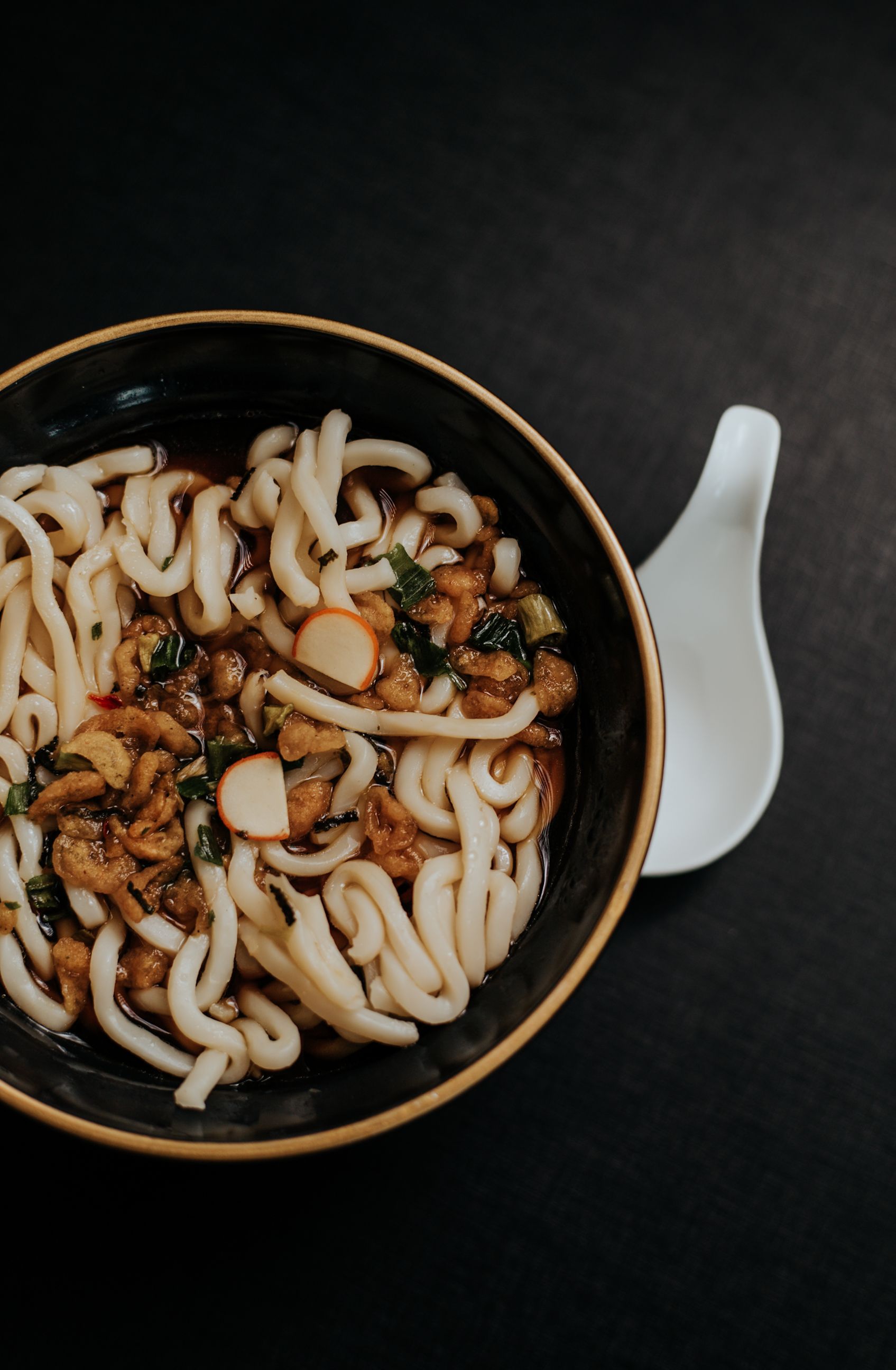
One reason Ben's Original Street Food Noodles stand out is that they are not being sold as generic "instant noodles." They are framed around recognizable world flavor cues: Korean BBQ, Indonesian spice, Thai stir fry, Japanese teriyaki, and Chinese-style stir fry. That strategy reflects a strong and lasting trend in packaged food. Consumers increasingly want meals that feel more adventurous, even when they are eating at home in sweatpants on a Tuesday night.
Food manufacturers have learned that global flavor is one of the easiest ways to make convenience feel exciting. A plain noodle pouch may solve hunger, but a noodle pouch inspired by regional street food culture offers a small experience. It suggests discovery, novelty, and escape, all without requiring culinary skill. For shoppers who may not have time to cook a full dish from scratch, these products provide a quick route into flavors they already know from restaurants, social media, or travel.
This trend is especially powerful among younger shoppers, but it is no longer confined to them. Mainstream grocery aisles have been steadily broadening their flavor vocabulary for years, with gochujang, teriyaki, tikka, harissa, and chili crisp moving from specialty shelves into ordinary supermarkets. Street food has become a useful shorthand because it implies boldness, informality, and local authenticity. Brands use it to suggest that a product is rooted in real eating traditions rather than bland, generalized fusion.
Still, this strategy comes with pressure. Consumers have become more informed and more skeptical, and they can tell when a "global" product feels watered down. That is why brands now emphasize specific vegetables, seasoning profiles, and balance of sweet, savory, smoky, or spicy notes. In the Ben's Original lineup, each variety is described with distinct ingredients and flavor cues, which helps support the idea that these are not five versions of the same meal. In a crowded market, detail helps build credibility.
The New Rules of Convenience: Speed, Nutrition, and Value
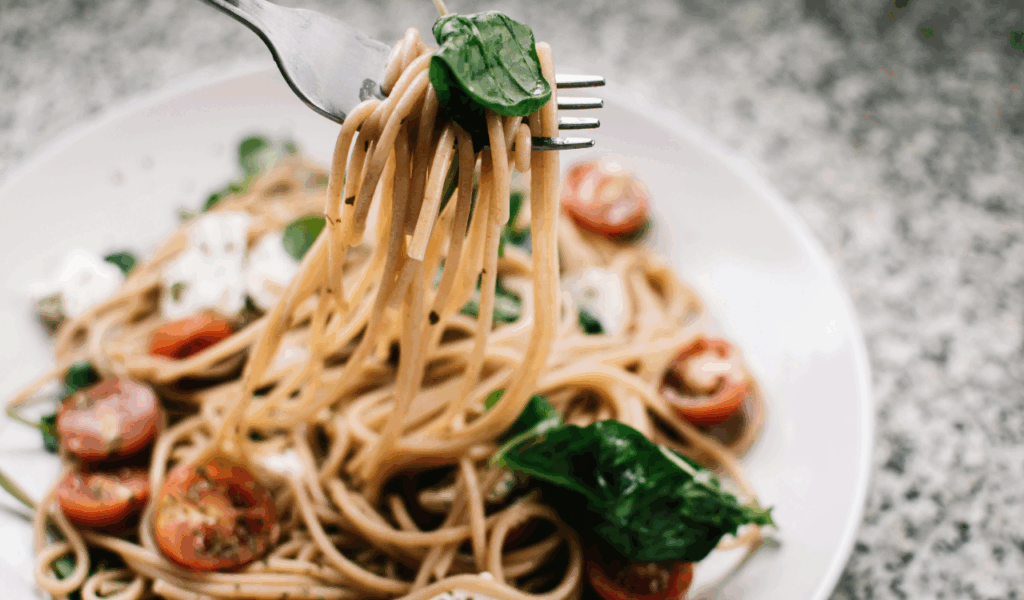
Convenience alone is not enough anymore. The modern ready meal must also clear basic expectations around nutrition, ingredient quality, and price. Ben's Original appears to understand that, which is why the launch messaging highlights no artificial colours, flavours or preservatives, plus fibre, protein, and vegetarian suitability. Those are not small add-ons. They are central to how consumers judge whether a fast dinner deserves repeat purchase.
The ready meal category has evolved from a purely emergency option into a regular meal solution. That means people read labels more carefully than they used to. They may not expect a microwave pouch to match a home-cooked meal in every respect, but they do expect a certain standard. Claims around fibre and protein matter because they suggest fullness and staying power. Ingredient language matters because shoppers often associate shorter, simpler lists with better quality, even if they still prioritize taste above almost everything else.
Value is the third part of the equation. At $5.99, Ben's Original Street Food Noodles are positioned as accessible but not bargain-basement cheap. That pricing reflects the broader premiumization of convenience food, where consumers accept a higher cost if the product offers better flavor, a stronger health profile, or greater satisfaction. It is the same logic that has helped premium frozen pizzas, salad kits, and meal bowls grow. People will pay more for convenience if it feels smarter, not merely faster.
Retailers have adapted to this shift by giving more shelf space to these hybrid products: not basic pantry staples, not high-end meal kits, but fast meals with enough quality cues to feel current. That is where the competition is fiercest. Brands must deliver on all fronts at once: taste that feels worth buying again, speed that genuinely saves time, and nutritional signals that reduce guilt. The winners are rarely the absolute cheapest products. They are the ones that make life easier without making dinner feel second-rate.
How Brands Turn Quick Meals Into Everyday Rituals
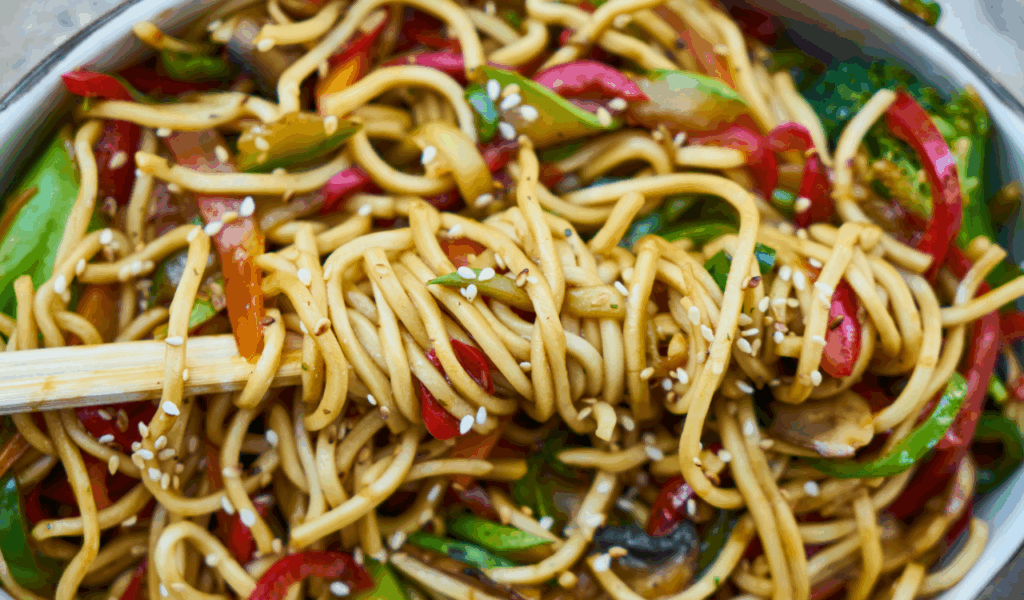
A successful convenience food launch is not just about what is inside the pouch. It is also about how the product fits into daily behavior. Ben's Original explicitly positions Street Food Noodles for quick lunches, easy weeknight dinners, and late-night cravings. That broad usage language is deliberate. It turns the product from a one-time curiosity into a repeatable habit that can fit multiple parts of the day.
Packaging format plays a big role here. Microwave-ready pouches reduce friction in a way that bowls, frozen trays, and stovetop options do not always match. There is no pot to wash, little cleanup, and almost no planning required. In practical terms, this convenience can be decisive for office workers between meetings, parents feeding themselves after children eat, or students trying to put together something fast without relying on delivery. The simpler the use case, the easier it is for a product to become part of routine life.
Promotions help reinforce that routine. Ben's Original paired the launch with a limited-time chopsticks giveaway for shoppers who bought two or more pouches. On the surface, it is a standard retail incentive. But it also adds a subtle lifestyle layer. Bamboo chopsticks in a travel case suggest portability, repeat use, and a more immersive eating moment. That kind of marketing matters because consumers do not just buy food. They buy the feeling of being someone who has found a smarter, better dinner solution.
This is where branding becomes especially powerful. A trusted household name can lower the risk of trial when entering a new category. Ben's Original already has shelf recognition in ready meals and pantry foods, so extending into noodles is less of a leap than it would be for an unknown brand. In a crowded convenience market, familiarity can be as important as innovation. It reassures shoppers that even a fast dinner can come from a brand they already associate with dependable mealtime solutions.
What Ben's Original Signals About the Future of Dinner
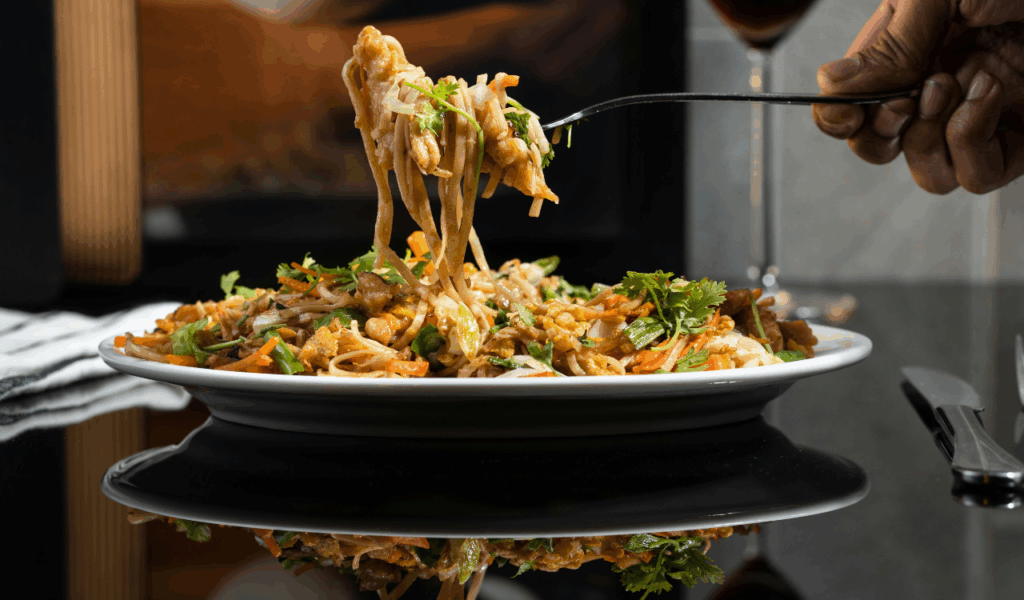
The launch of Street Food Noodles points to a larger truth about where home eating is headed. Dinner is becoming more modular, more flexible, and more shaped by time constraints than by old ideas of a fully cooked family meal. That does not mean cooking is disappearing. It means consumers are assembling different dinner strategies for different nights, and fast prepared meals now hold a permanent place in that mix.
In the near future, the strongest growth is likely to come from products that combine three things particularly well: cross-cultural flavor inspiration, genuine speed, and credible nutrition signals. That formula matches what modern shoppers are asking for in grocery aisles. They want food that can move at the pace of their lives, but they also want it to feel current and satisfying. A 90-second noodle pouch may seem simple, yet it captures many of the forces reshaping how people eat at home.
The competitive implications are broad. Traditional instant noodle brands now face pressure from more premium, flavor-forward options. Frozen meals face competition from shelf-stable products that require less storage space and often feel lighter or more contemporary. Even meal kits, once sold as the answer to weeknight convenience, may seem too demanding for shoppers who increasingly prioritize minimal prep and cleanup. In that environment, easy meals with strong flavor identities can gain ground quickly.
Ben's Original is not creating the faster-dinner movement, but it is clearly positioning itself to benefit from it. The brand is betting that convenience does not have to look dull, and that speed can coexist with flavor cues drawn from global street food traditions. If that bet pays off, Street Food Noodles will be more than a product launch. They will be another marker of a new dinner era, one in which the most valuable meal of the week may simply be the one people can actually make happen.