
Grocery shoppers have been waiting a long time for relief. Beef may be offering one of the first real tests of whether lower global prices can make it to the checkout.
Why Australian beef prices have fallen so sharply

The first reason is simple: Australia has a lot more cattle again. After years of rebuilding herds following drought, producers expanded supply, and that has pushed more beef into export channels at the same time global buyers have become more price sensitive.
Another key factor is Australia's export-heavy model. When domestic supply rises, packers and traders move aggressively into overseas markets, including North America. According to market analysts and trade reporting over the past year, that has created periods when imported Australian beef has been priced below comparable Canadian product, especially in frozen and lean grinding categories.
Currency movements have also mattered. A relatively softer Australian dollar can make exports more competitive in Canadian terms, even before freight is considered. Add efficient large-scale production and strong shipping networks, and Australian suppliers can suddenly look like the bargain option in a market that usually leans toward local beef.
Why Canadian beef remains expensive at home
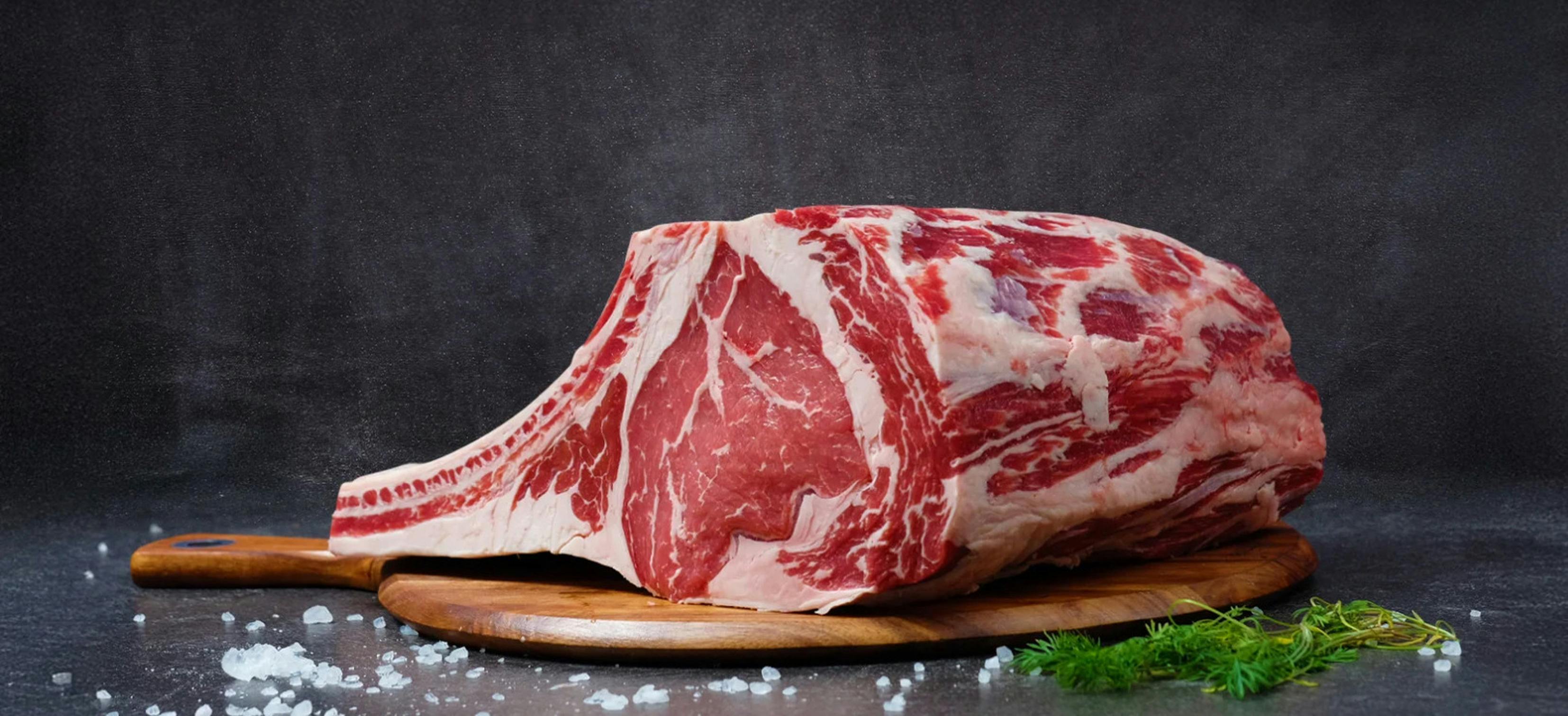
Canada's cattle sector has been dealing with tight supply for quite some time. Herd liquidation in parts of North America, high feed costs, dry weather in some ranching regions, and expensive borrowing conditions all made it harder for producers to expand quickly. Fewer animals generally mean higher prices.
Processing costs have stayed elevated as well. Labour, energy, transportation, packaging, and compliance expenses all feed into the final wholesale price. Even if a rancher is not getting a windfall on every animal, the cost structure through the supply chain can still keep retail beef stubbornly high.
There is also the issue of market concentration. In any food category where a limited number of large processors and retailers have pricing power, changes in input costs do not always show up immediately for consumers. Lower-cost imports can help, but they enter a system that does not automatically pass savings through in full or right away.
Where cheaper imports could actually lower prices
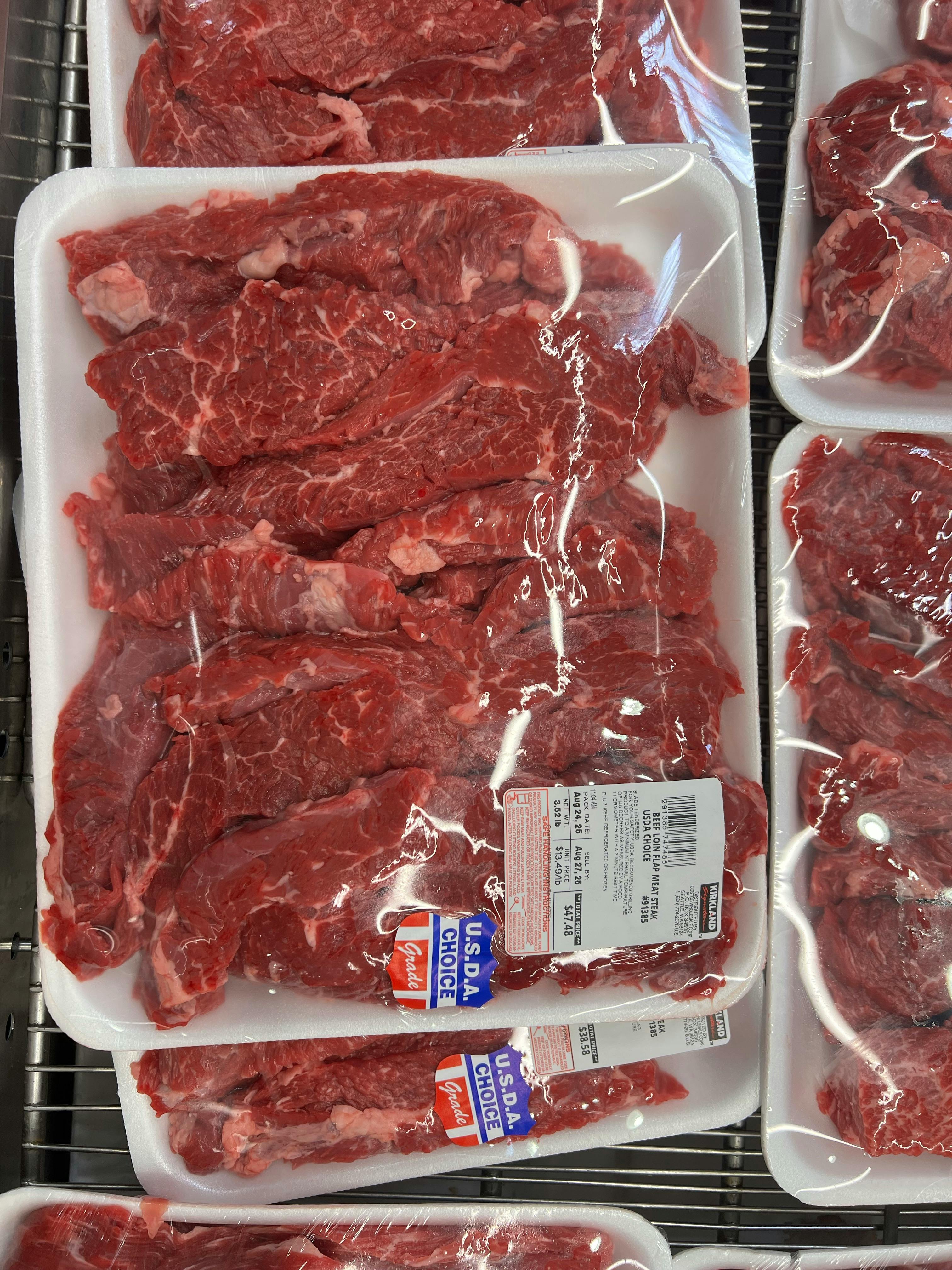
The clearest impact is likely in ground beef and processed products. Australia is a major supplier of lean beef used to blend with fattier domestic trim, especially for burgers, meatballs, and value-pack ground beef. If import costs drop, grocers and food manufacturers have more room to sharpen prices in those categories.
Food service may also react faster than supermarkets. Restaurant chains buy in volume and closely track commodity inputs, so lower imported beef costs can quickly influence menu engineering, promotions, or portion economics. That does not always mean cheaper steak dinners, but it can ease pressure on burger prices.
Frozen, private-label, and promotional meat lines are another area to watch. Retailers often use those products to signal value to budget-conscious shoppers. If Australian beef gives them cheaper supply options, weekly flyers may start reflecting that before premium fresh cuts do.
Why shoppers may not notice a big change immediately

Lower wholesale prices do not move through the system overnight. Retailers often buy under contracts, manage inventory already in distribution, and adjust shelf prices cautiously. That means the beef in a store cooler today may reflect costs locked in weeks or even months ago.
Stores also use selective pricing strategies. A grocer may cut the price of one high-visibility item, such as medium ground beef, while keeping margins firmer on steaks, roasts, or marinated products. Shoppers feel some relief, but not necessarily across the entire meat department.
Consumer inflation psychology matters too. After several years of rising food bills, retailers know households are watching every dollar, but they also know demand for beef has stayed surprisingly resilient. Unless competition becomes intense enough, businesses may choose partial pass-through rather than broad-based markdowns.
What the broader food inflation picture suggests

Beef is only one piece of the cart. Even if imported supply helps lower some meat prices, households still face elevated costs for housing, insurance, utilities, and many grocery staples. A cheaper pound of beef can help, but it will not by itself reset the cost of living.
Still, food inflation often turns at the category level before it shows up in headline numbers. Analysts frequently watch proteins, grains, and oils because they ripple into restaurant pricing and prepared foods. If beef joins other stabilizing categories, that could gradually improve the overall grocery picture.
There is a practical precedent here. Commodity costs have softened before without producing dramatic consumer savings, but competitive pressure eventually forces some response. If multiple chains begin promoting beef more aggressively, rivals usually follow, and that is when shoppers can start seeing meaningful weekly differences.
What Canadians should watch over the next few months
The best clues will not come from headlines alone. Watch weekly flyers, ground beef family-pack pricing, burger promotions, and frozen beef deals. Those tend to reflect import-cost changes sooner than premium fresh ribeye or specialty butcher-counter offerings.
It is also worth watching whether domestic cattle supplies begin recovering. If Canadian and broader North American production remains tight, imported Australian beef may act more like a pressure valve than a game changer. It can cap price spikes without fully reversing them.
The most realistic outcome is modest relief, not a dramatic drop. Australian beef being cheaper than Canadian beef is important because it introduces competition into a tight market. For consumers, that probably means better specials, more value options, and a small but welcome break at the meat counter.




Leave a Reply