
Some orders feel like a fun discovery. Others feel like homework disguised as lunch.
Why secret menus became so popular

The appeal starts with exclusivity. People enjoy feeling like they know something the average customer does not, and secret menus turn ordinary ordering into a small social win. A drink or burger suddenly feels more personal when it comes with an insider name and a story behind it.
Social media accelerated that appeal. TikTok, Instagram, and YouTube helped spread off-menu combinations far beyond local regulars, turning once-regional hacks into national talking points. Starbucks custom drinks, In-N-Out's Animal Style fries, and Chipotle "hacks" became content as much as food.
Brands benefit from that attention, even when they do not officially publish a secret menu. The idea generates free marketing, repeat visits, and a sense of community around customization. In practical terms, secret menus are often less about secrecy and more about turning customer creativity into buzz.
What customers actually gain from them
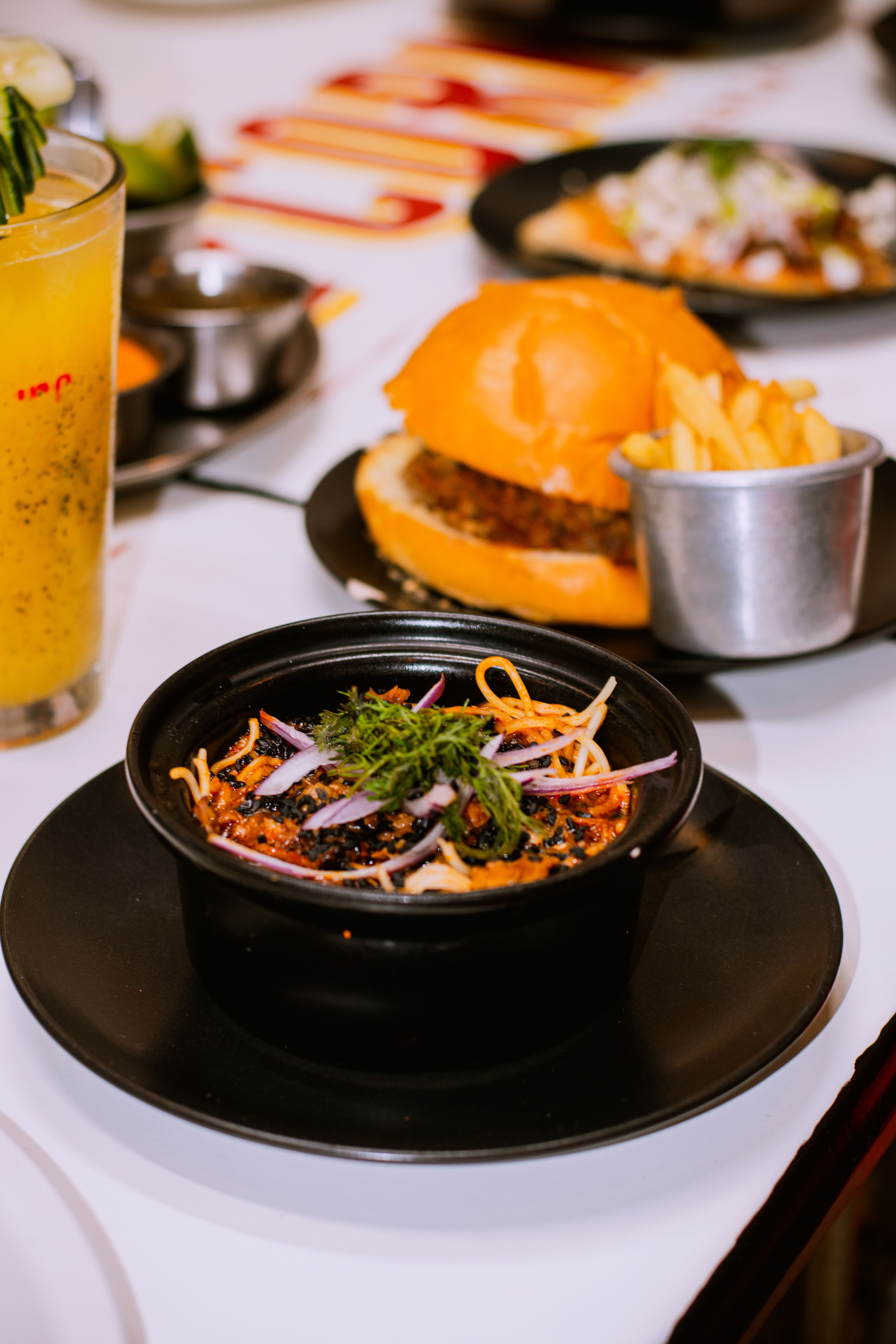
At their best, secret menus offer flexibility. They can help people tailor meals to taste, dietary needs, or value, especially in chains built around modular ingredients. A customer who wants extra spice, fewer carbs, or a dessert-style coffee drink may feel better served by off-menu customization than by the standard board.
There is also genuine novelty. Limited-time promotions come and go, but secret menu items can feel like a way to refresh a familiar brand without waiting for a corporate launch. That matters in a crowded restaurant market where even small variations can make a routine purchase feel new again.
For some diners, the experience itself is the reward. Knowing how to order a favorite variation can create loyalty and emotional attachment. In that sense, secret menus work because they make customers feel seen, even when the "secret" is simply a set of ingredients the kitchen already stocks.
Where the experience starts to break down
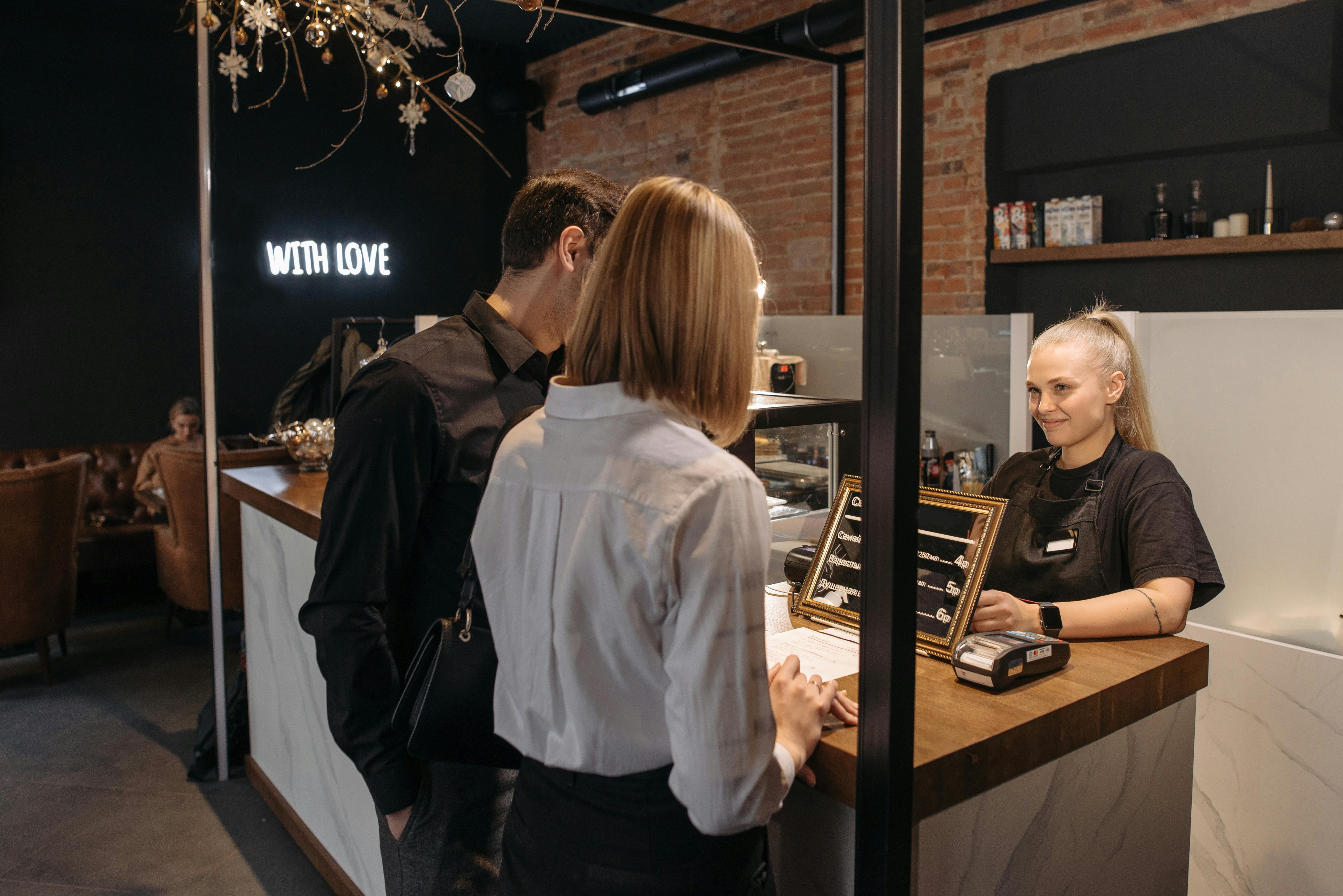
The problem begins when the customer assumes the staff knows every viral nickname. In many chains, employees are trained on ingredients and approved builds, not on internet-created labels. Asking for a "Purple Thunder" or "land, sea, and air" item may produce confusion, delays, or an incorrect order.
That confusion has a cost during busy periods. A line stalls when cashiers must decode a social media recipe, confirm substitutions, and explain pricing differences. Restaurant operators consistently stress that speed and consistency drive customer satisfaction, and secret-menu language can interfere with both.
It can also create awkward social pressure. Customers may feel embarrassed if an employee has never heard of the item, while workers can end up looking uninformed for not recognizing something unofficial. What is marketed as fun can quickly become friction for everyone involved.
How restaurant workers and operators see it
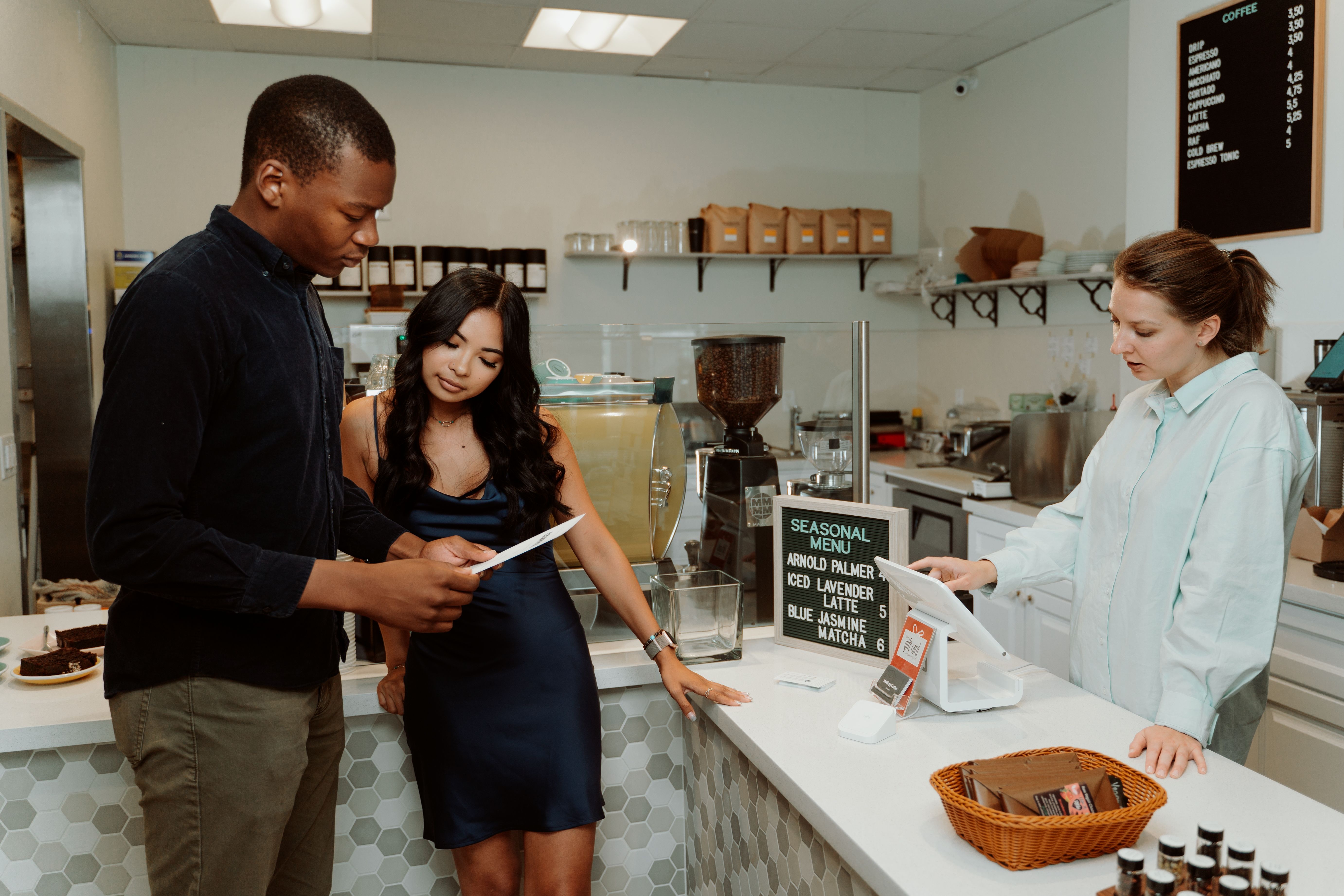
From the staff perspective, customization is manageable when it stays clear. Saying "a vanilla latte with two pumps of hazelnut and cold foam" is far easier than using a nickname that may vary by region or platform. Precision helps workers prepare the item correctly and keep the line moving.
Operators also have to think about food cost, inventory, and training. A highly customized item may require extra labor, unusual portioning, or packaging that slows execution. In fast-food settings, even a few extra seconds per order can affect throughput across an entire lunch rush.
Some companies embrace the phenomenon selectively. In-N-Out has long normalized a handful of off-menu staples because the recipes are standardized and widely understood. That is very different from internet-driven "secret menus" that change weekly and rely on employees to interpret unofficial instructions.
When secret menus are genuinely worth the hype
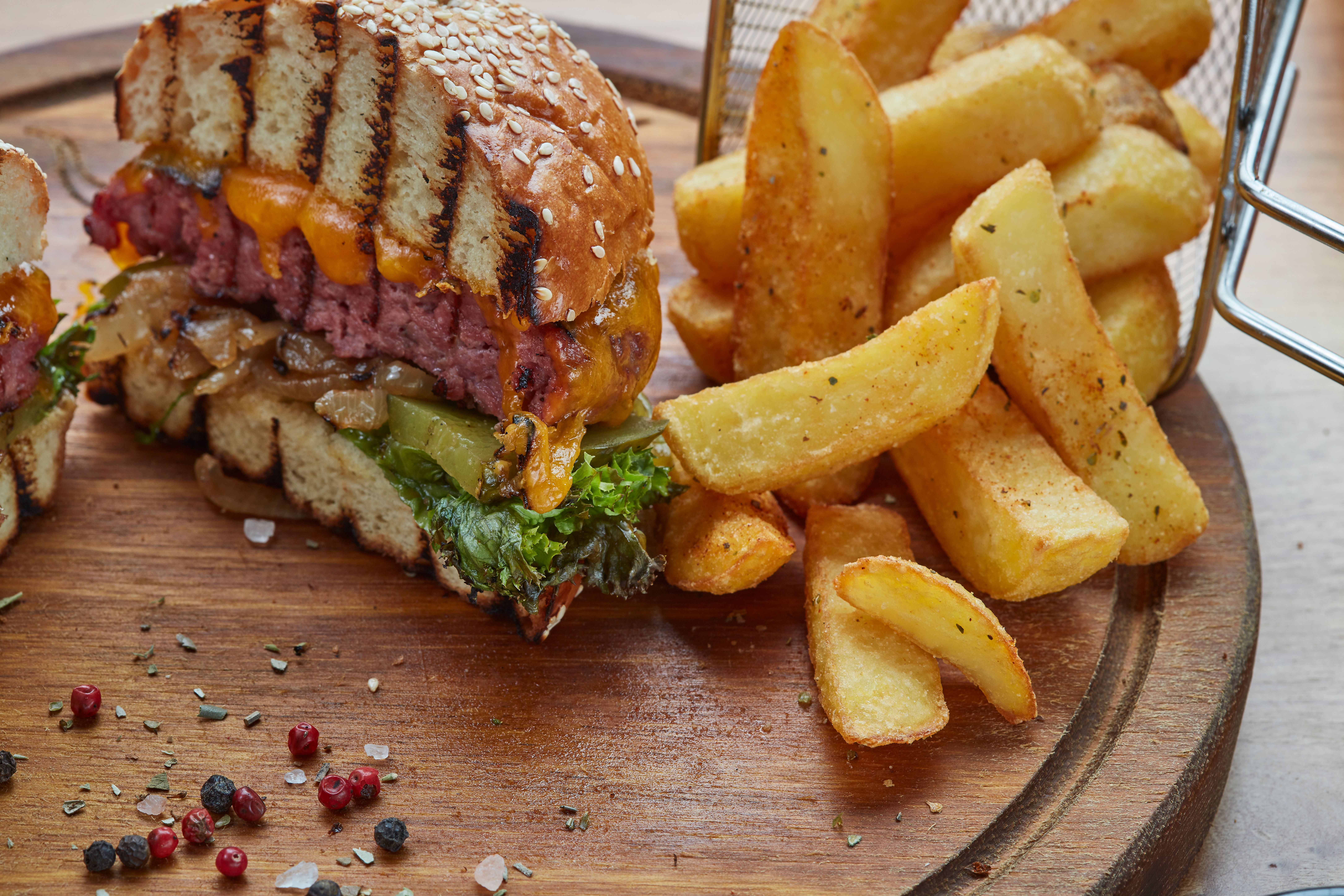
They are worth it when they improve choice without adding confusion. If the ingredients are available, the preparation is realistic, and the order can be described plainly, secret-menu items can be a smart extension of personalization. In that case, the customer gets something memorable and the staff can still work efficiently.
They also make sense when the brand quietly supports them. A few unofficial classics often become part of restaurant culture because employees recognize them and systems can handle them. That kind of organic consistency gives diners the thrill of discovery without turning the counter into a negotiation.
The best examples are simple, repeatable, and transparent on price. They do not depend on performative ordering or hidden rules. When a secret menu functions like a practical customization tool, it earns the hype.
The smarter way to order off-menu

The easiest rule is to order by ingredients, not by nickname. That removes guesswork and gives the employee a clear path to confirm availability, price, and modifications. It is the difference between sounding like a fan and sounding like a puzzle.
Timing matters too. A complicated custom order during a slow afternoon is very different from one placed in a packed morning rush. Respecting the pace of the business often leads to a better result, because staff have more room to get the order right.
So are secret menus worth it? Sometimes, yes, but only when they make dining more personal rather than more complicated. If an off-menu item adds flavor, convenience, or fun without slowing everyone down, it works. If it turns a simple purchase into a decoding exercise, the hype has clearly outrun the value.



Leave a Reply