
Protein is no longer just a nutrition label talking point. It is also a major business story, and in Canada, women are playing visible roles in the companies, labs and farm linked supply chains that are changing how protein is grown, processed and sold.
Pea protein plants on the Prairies
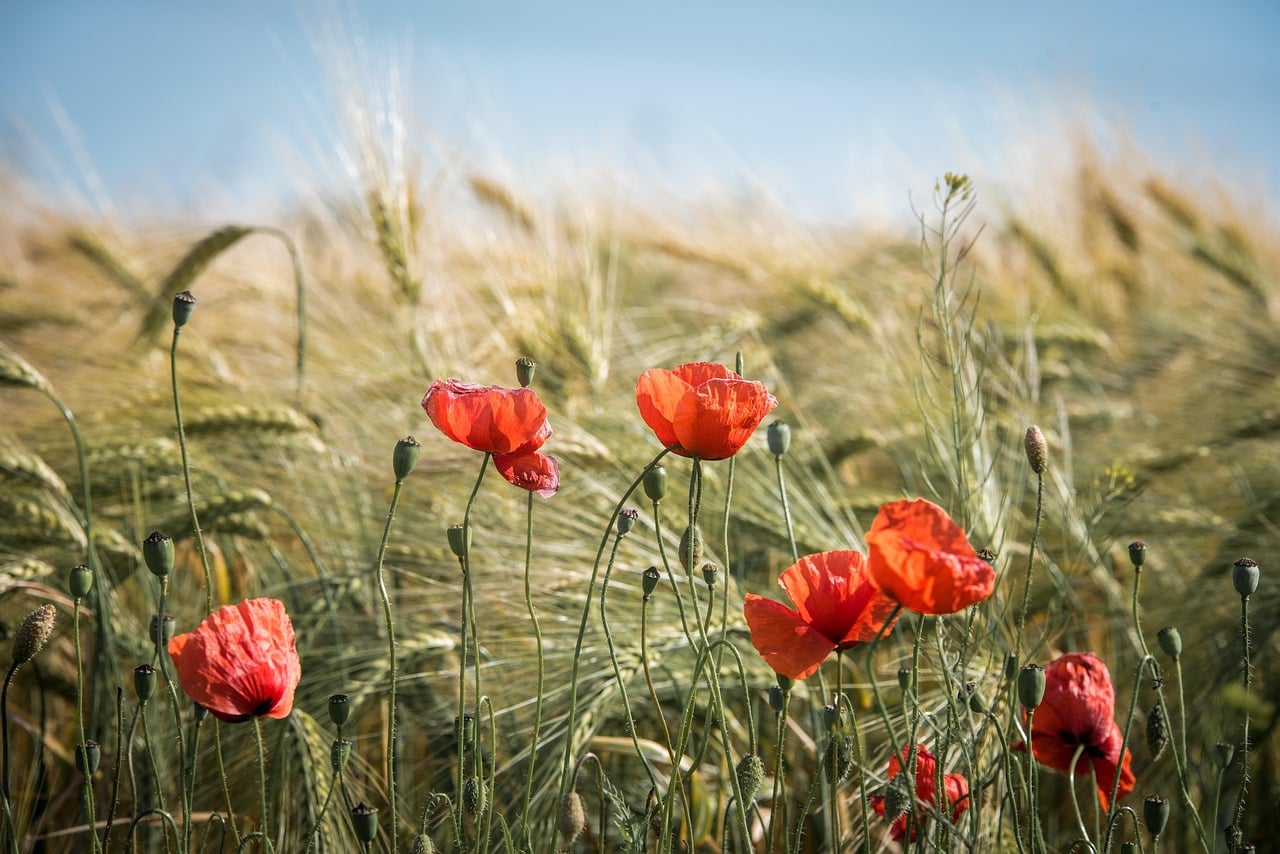
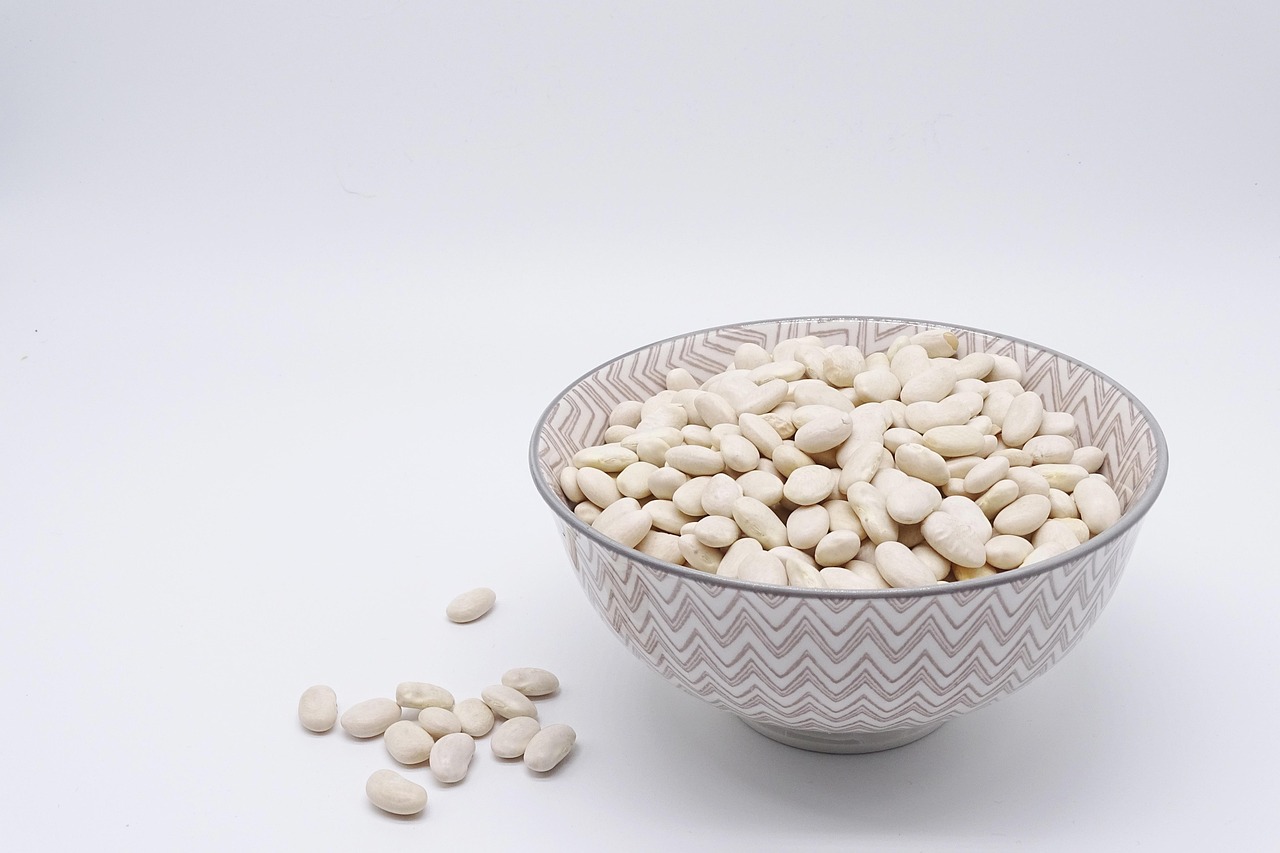
One of the clearest places to see Canada's protein push is in the Prairie provinces, where yellow peas have become a major ingredient for plant based foods. Canada is one of the world's largest producers and exporters of pulses, a group that includes peas, lentils and chickpeas, according to Agriculture and Agri Food Canada. That matters because pea protein is now used in drinks, meat alternatives and snack foods sold far beyond Canada.
Women are part of that story at multiple levels, from farm management and crop science to food manufacturing and executive leadership. In practical terms, the growth of pea protein has turned a familiar Prairie crop into a global ingredient, and Canadian women are among the people helping move it from field to finished product.
Roquette's Manitoba protein facility
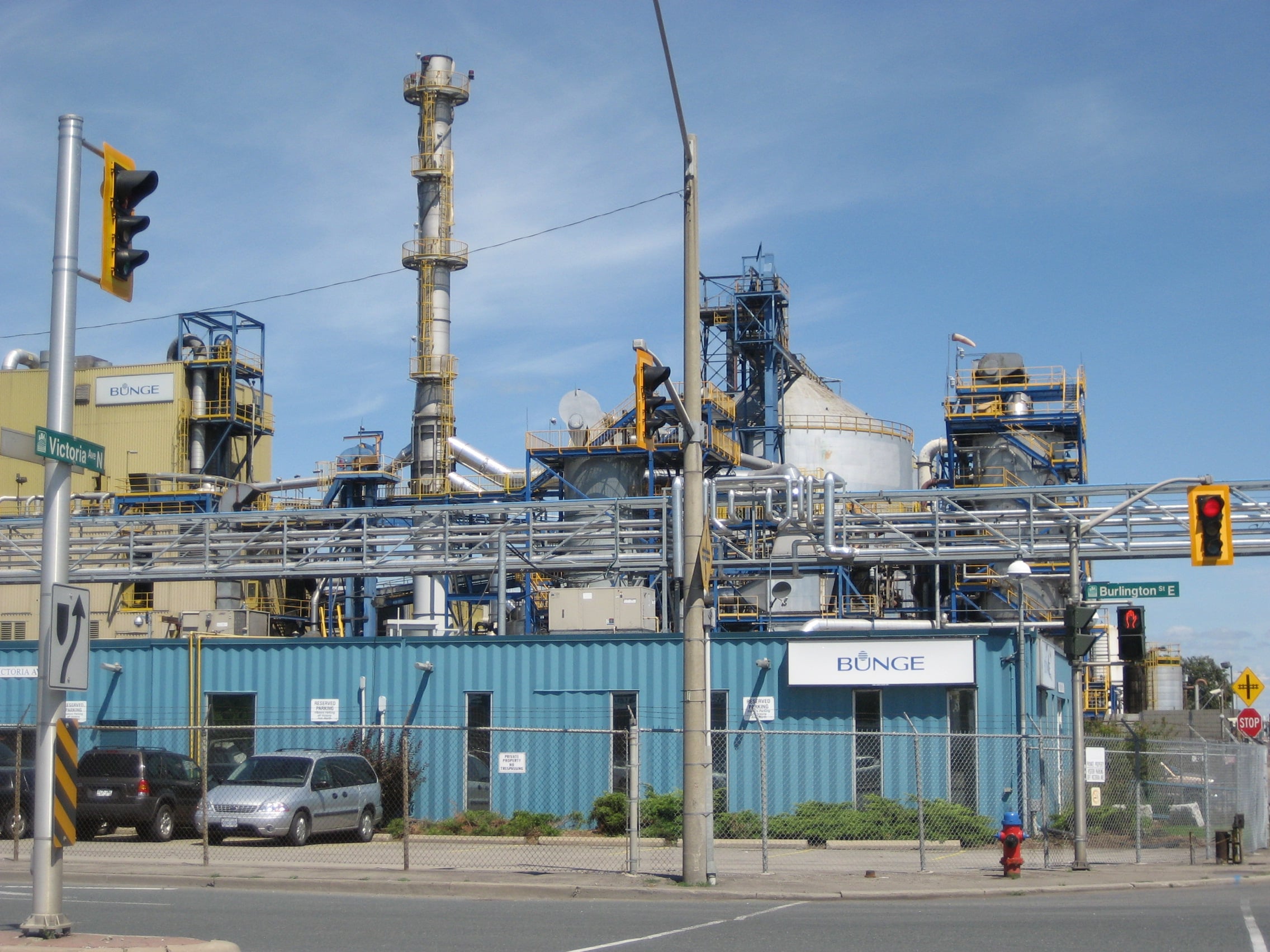
A single factory can say a lot about the size of this shift. In Portage la Prairie, Manitoba, Roquette opened what it described as the world's largest pea protein plant in 2021. The company said the site processes peas into ingredients for food, nutrition and health markets, showing how Canadian crops are feeding a global demand for alternative protein.
The broader significance is not just scale. It is specialization. Modern protein processing needs expertise in food science, quality control, logistics and product development, fields where women work across the value chain. A plant like this is photographable proof that Canada is not only exporting raw crops, it is also building the industrial capacity to turn them into higher value protein ingredients.
Canola and the rise of meal protein
When people think about protein, canola may not be the first thing that comes to mind. Yet canola meal, the protein rich material left after oil extraction, is a major part of the feed market and a growing area of innovation. The Canola Council of Canada notes that meal is widely used in livestock rations, making canola part of the global protein system even when it is not eaten directly by people.
This is another area where Canadian women influence outcomes, especially in agribusiness, animal nutrition and export trade. Their role may be less visible than a packaged food launch, but feed proteins matter because they shape meat, dairy and aquaculture supply chains. In other words, protein leadership is not only about trendy products, it is also about the ingredients that support everyday food production.
Women leaders in food and agriculture
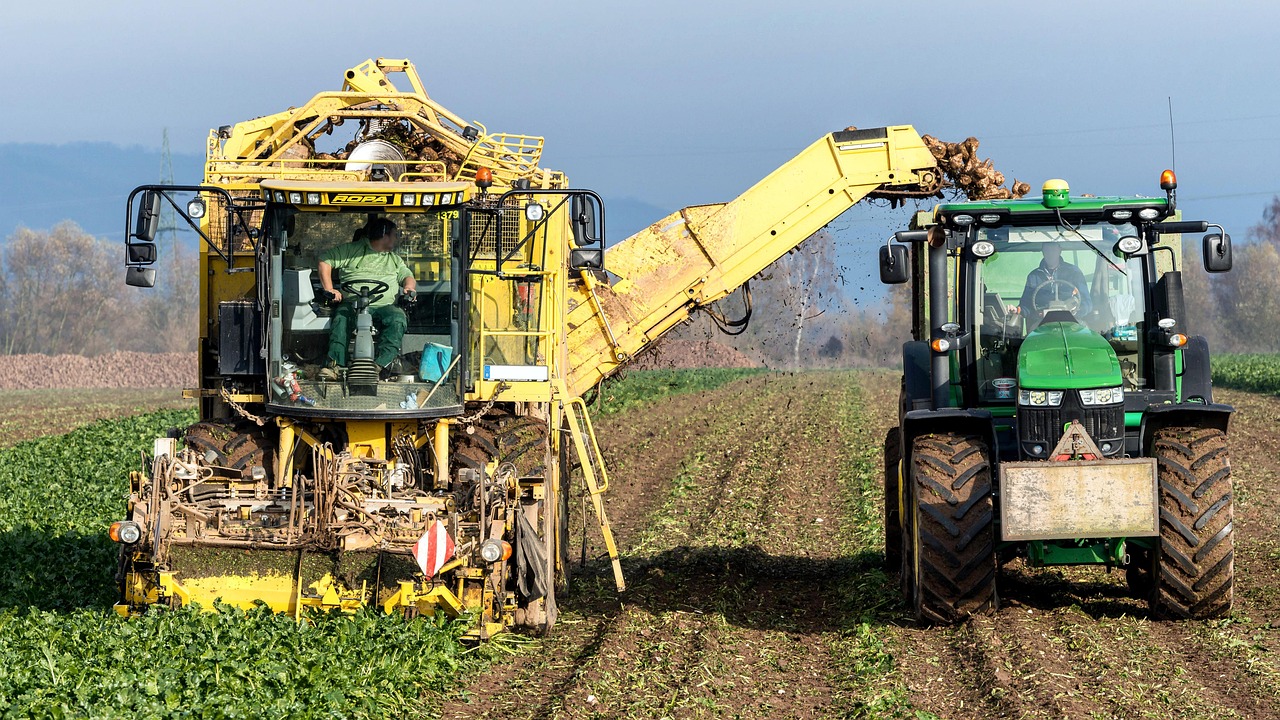
Leadership is one reason this topic extends beyond a single crop or factory. In Canada, women have become more prominent in food manufacturing, agricultural policy, ingredient development and sustainability work. Groups such as Protein Industries Canada, one of the country's Global Innovation Clusters, bring together companies, researchers and producers to expand plant based food and ingredient processing.
That kind of ecosystem does not hinge on one public figure. It depends on many people making decisions about investment, research priorities and commercialization. Canadian women are part of those decisions, which helps explain how influence works in this market. It is often structural rather than flashy, shaping what gets funded, what gets produced and how Canadian protein is positioned in international markets.
The shift from commodity crops to ingredients
A big part of the Canadian protein story is the move up the value chain. Selling crops is one business. Turning those crops into concentrates, isolates and specialized ingredients is another, and usually a more complex one. Protein Industries Canada has repeatedly framed this as an opportunity to process more of Canada's crops at home and capture more value before products are exported.
That shift creates room for expertise in branding, formulation, regulation and consumer research, not just farming. Women working in those areas help determine how protein ingredients fit into real products that shoppers will actually buy. The result is a more diversified protein economy, where influence comes from science, supply chains and product strategy as much as from acreage and harvest volumes.
A market being reshaped in plain sight

It would be too simple to say Canadian women alone are remaking the world's protein market. The sector is global, highly competitive and driven by many forces, including consumer demand, climate concerns and advances in food technology. But it is fair to say that women in Canada are helping shape key parts of that change through leadership roles, technical work and business development tied to both plant and feed proteins.
What makes this worth noticing is how concrete the evidence is. You can see it in Prairie crops, Manitoba processing plants and the ingredient pipelines behind foods sold around the world. The reshaping is not abstract. It is happening in places, products and institutions where Canadian women are increasingly part of the story.




Leave a Reply