
Canada's food identity is broader than the stereotypes that often surface in viral quizzes. The usual answers, maple syrup and coffee chains, are part of the story, but they miss the dishes that Canadians actually debate, defend, and pass down at home.
Poutine
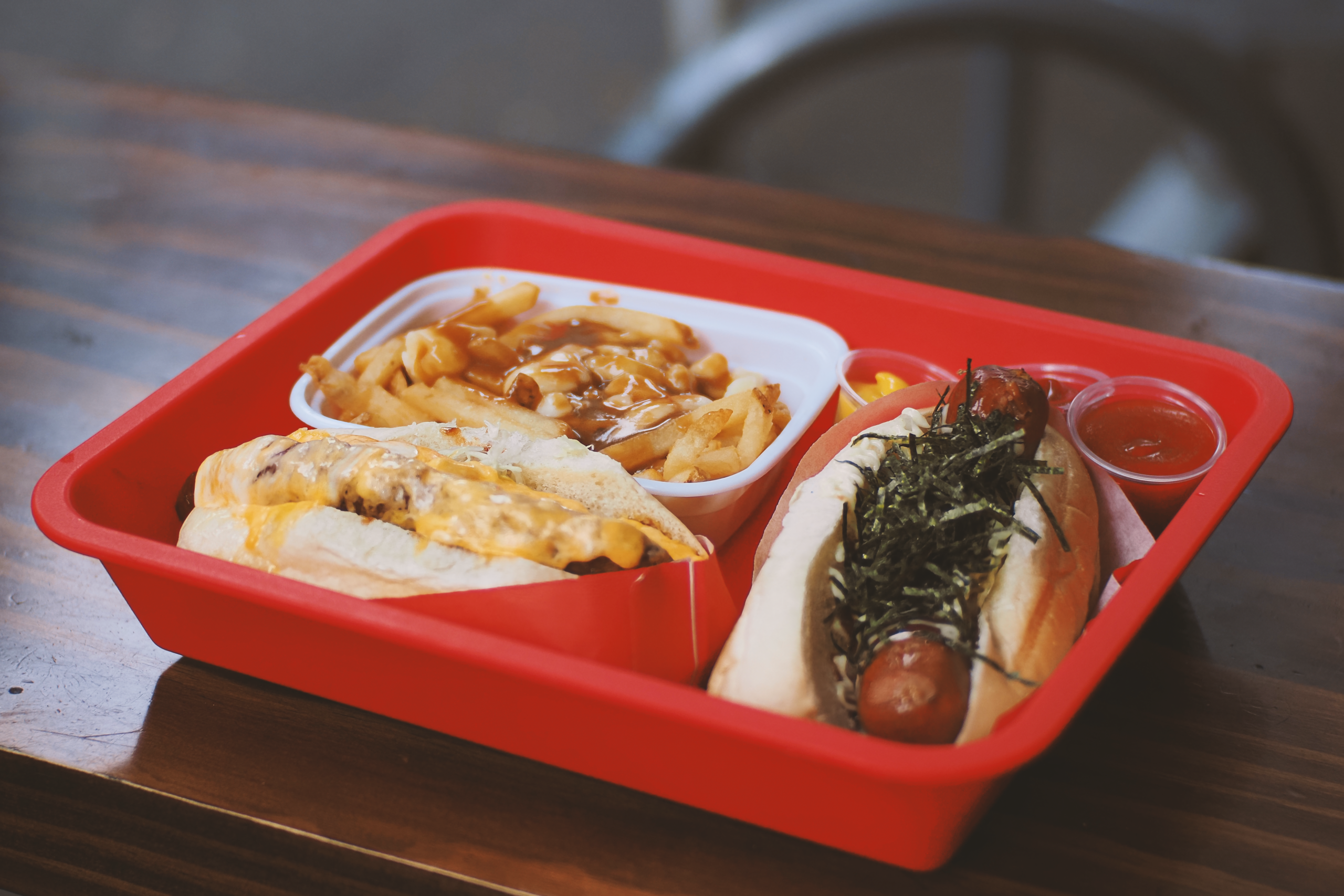
The fastest way to understand Canadian comfort food is to start in Quebec. Poutine is a dish of fries, fresh cheese curds, and hot gravy, and it is widely recognized as one of Canada's signature foods.
Its roots are usually traced to rural Quebec in the 1950s, though the exact inventor is still disputed. What is not really disputed is its place in Canadian food culture. Poutine moved from casse-croûtes, the province's snack bars, into diners, sports arenas, and high end kitchens across the country.
The detail many outsiders miss is the cheese curd. It is not shredded cheese, and it is not supposed to melt completely on contact. The curds should keep some spring, which is one reason Canadians can be very specific about what counts as the real thing.
Butter tarts
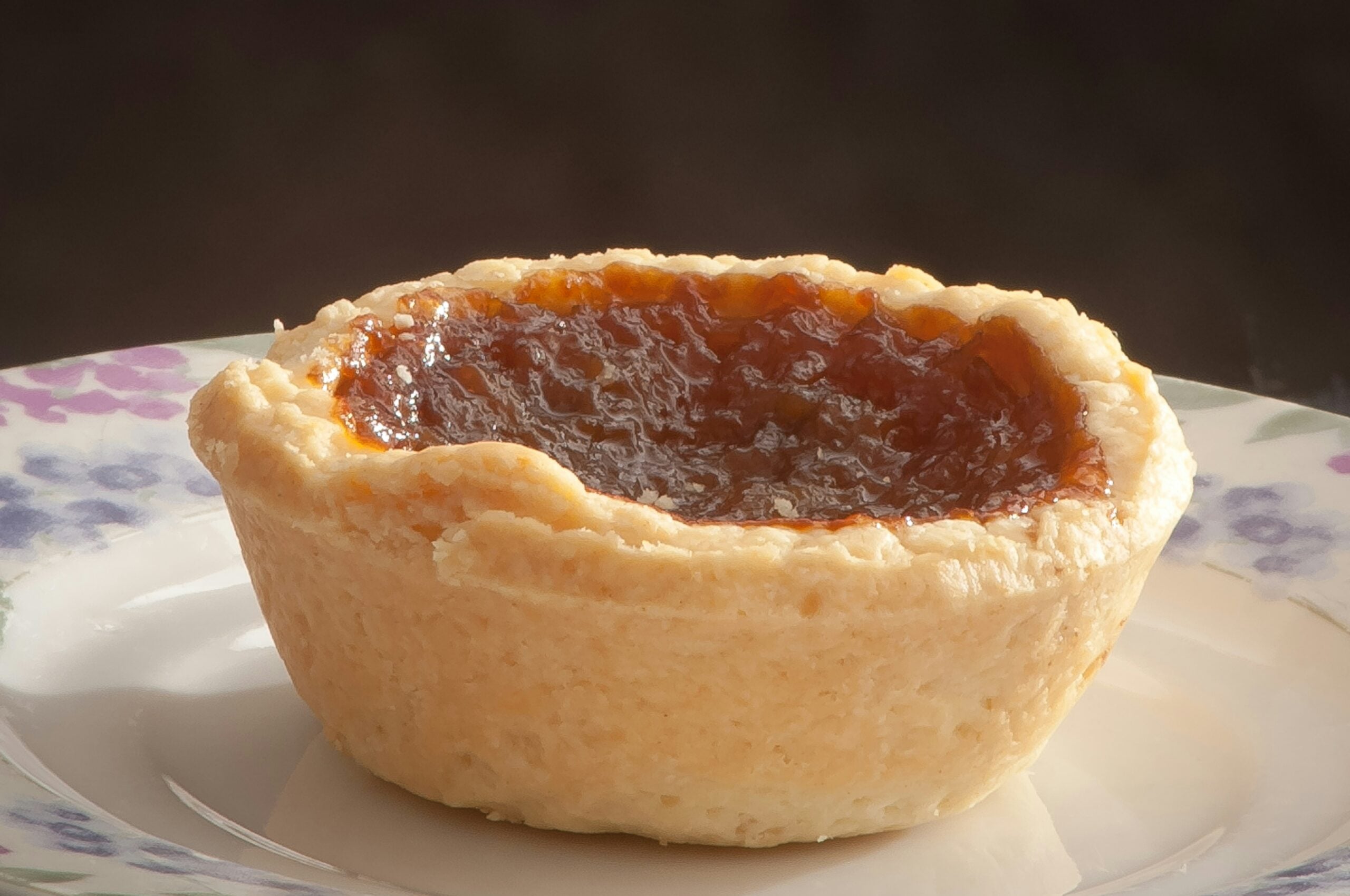
If poutine is Canada's great savory staple, butter tarts are one of its most beloved sweets. These small pastries are filled with a rich mixture of butter, sugar, syrup, and egg, baked inside a flaky shell.
Food historians often place their rise in English Canadian kitchens in the late 19th and early 20th centuries. They are especially associated with Ontario, where butter tart trails, bake-offs, and fierce regional opinions help keep the dessert in the spotlight.
The central argument is simple and serious to devotees: raisins or no raisins. Some versions also use currants or pecans, but the real point is how deeply personal the tart can be. It is a bake sale dessert, a holiday dessert, and a point of family pride, which makes it a far better answer than a generic coffee order.
Tourtière
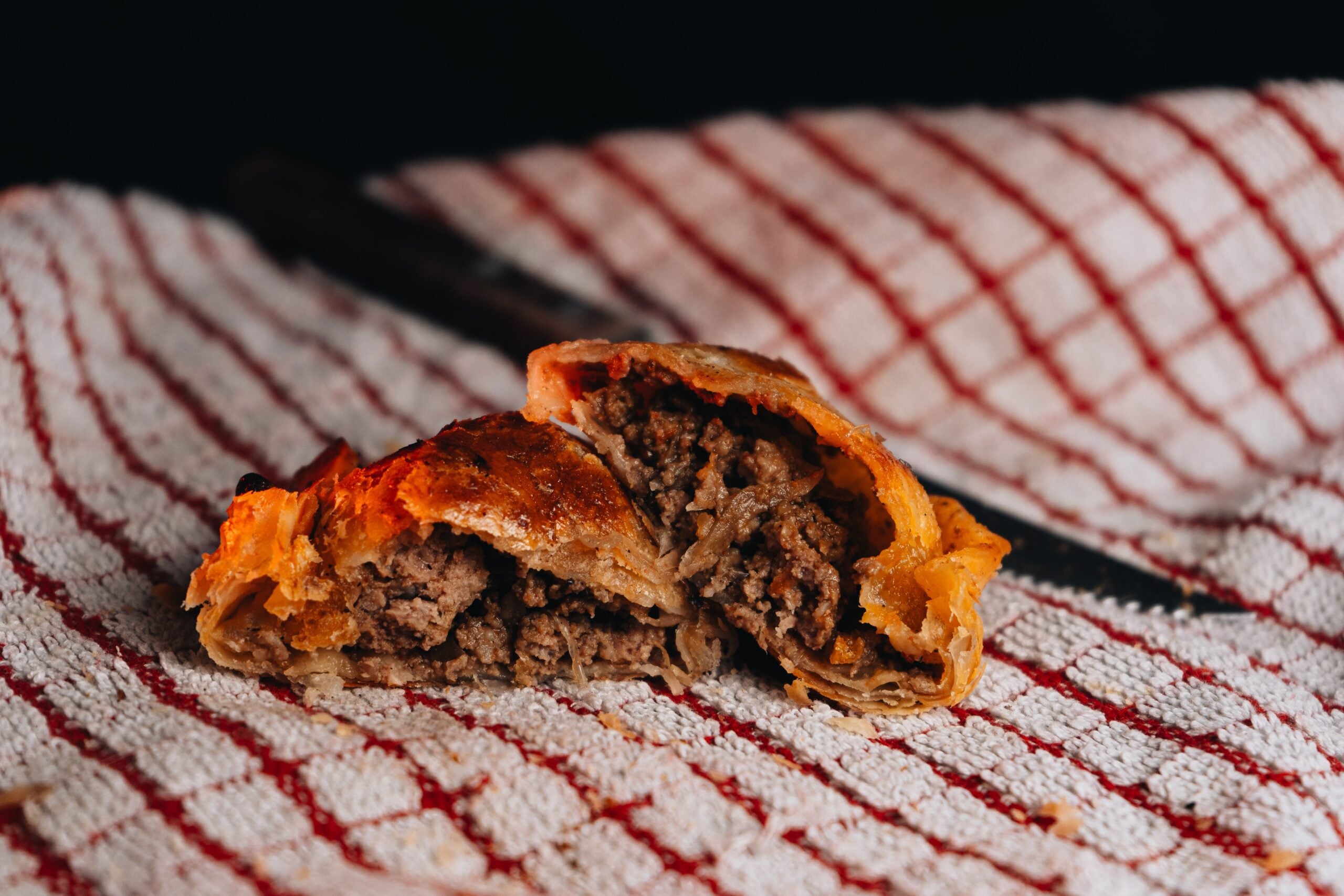
Canada's food story also runs through the winter table, and tourtière is a strong example. This meat pie is closely linked to Quebec, especially during the holiday season, when it often appears at réveillon meals, the festive late night feasts held after Christmas Eve mass.
There is no single official filling. Depending on the region and household, tourtière may include pork, beef, veal, or game, along with onion and warm spices. In the Saguenay Lac-Saint-Jean region, a deeper dish version can be especially substantial and is sometimes made to feed a crowd.
What makes tourtière important is not just flavor. It represents French Canadian home cooking, seasonal ritual, and the way recipes travel through generations. It is one of those dishes that says more about a country than a slogan ever could.
Nanaimo bars
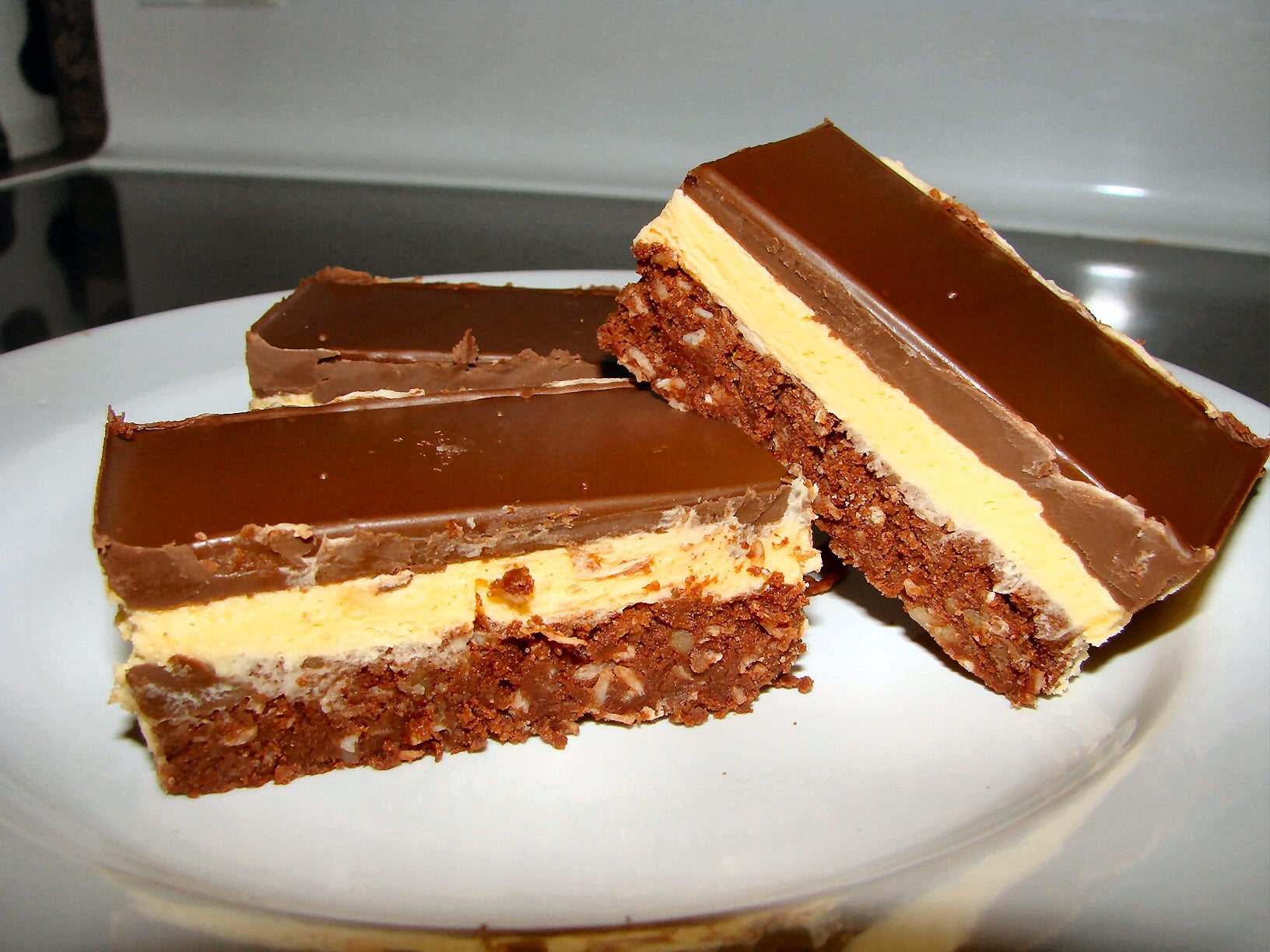
Some national desserts are elegant layer cakes. Canada gave the world Nanaimo bars, a no bake square with a crumb base, custard flavored middle, and chocolate top.
The sweet is named for Nanaimo, British Columbia, and its modern popularity took shape in the mid-20th century. Over time it became one of the country's best known tray bakes, especially at potlucks, holiday tables, and community events.
The appeal is partly practical. Nanaimo bars do not require an oven, and they are easy to portion for a crowd. But they also have a very Canadian kind of fame, recognizable at home, less understood abroad, and fiercely defended by people who know exactly how thick each layer should be.
Montreal bagels
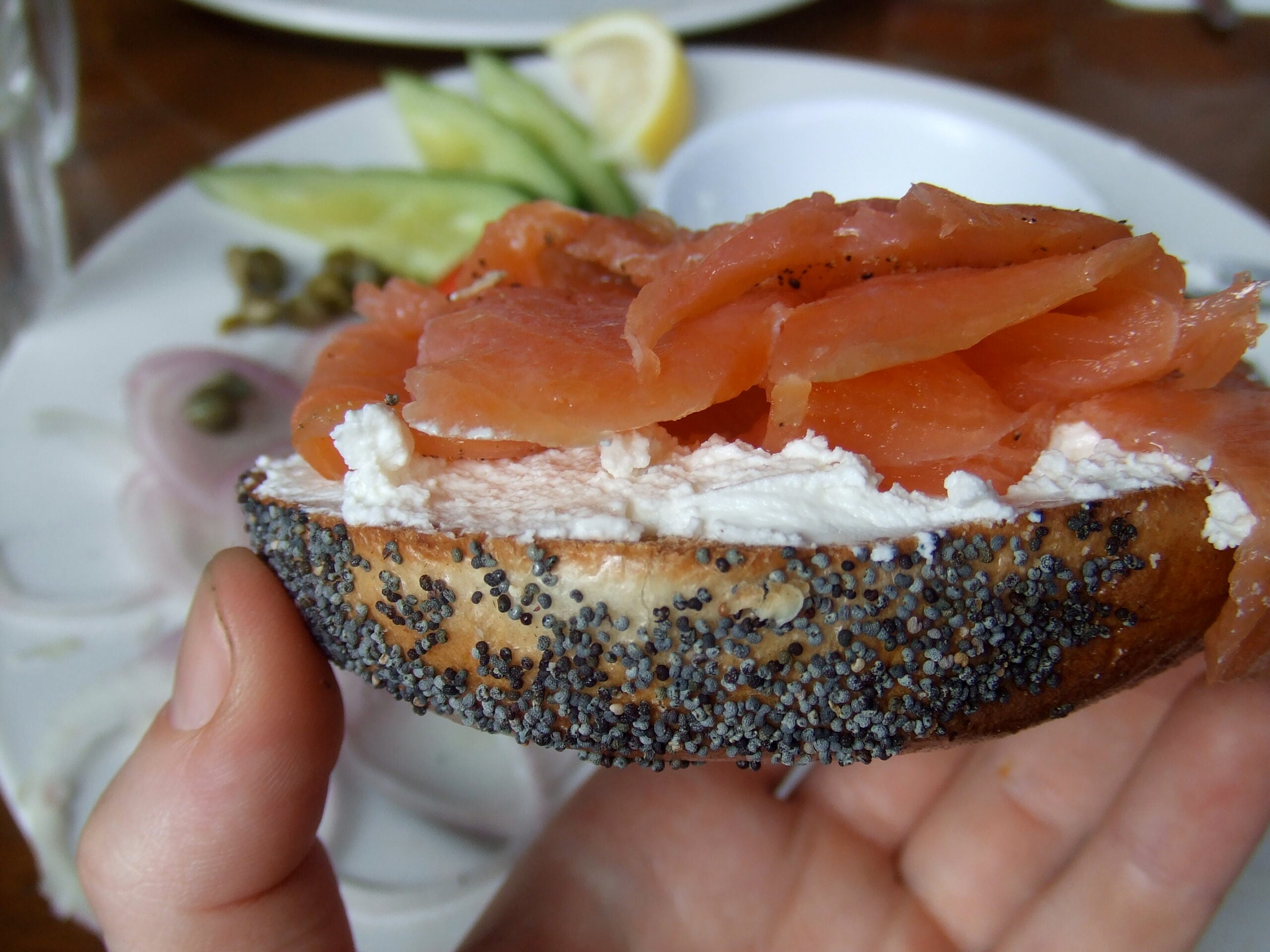
One reason Americans often miss Canadian food is that many of Canada's standout dishes are regional first and national second. Montreal bagels prove the point.
Smaller, denser, and usually sweeter than many New York style bagels, they are commonly boiled in honey sweetened water and baked in wood fired ovens. Sesame and poppy seed versions are especially famous, and shops such as Fairmount Bagel and St-Viateur Bagel helped define the style.
This is a food with a strong immigrant story. Jewish bakers brought traditions from Eastern Europe and adapted them in Montreal, helping create something distinct to the city. It is hard to mistake one for anything else once you have had the real thing warm from the oven.
Maple syrup, with context
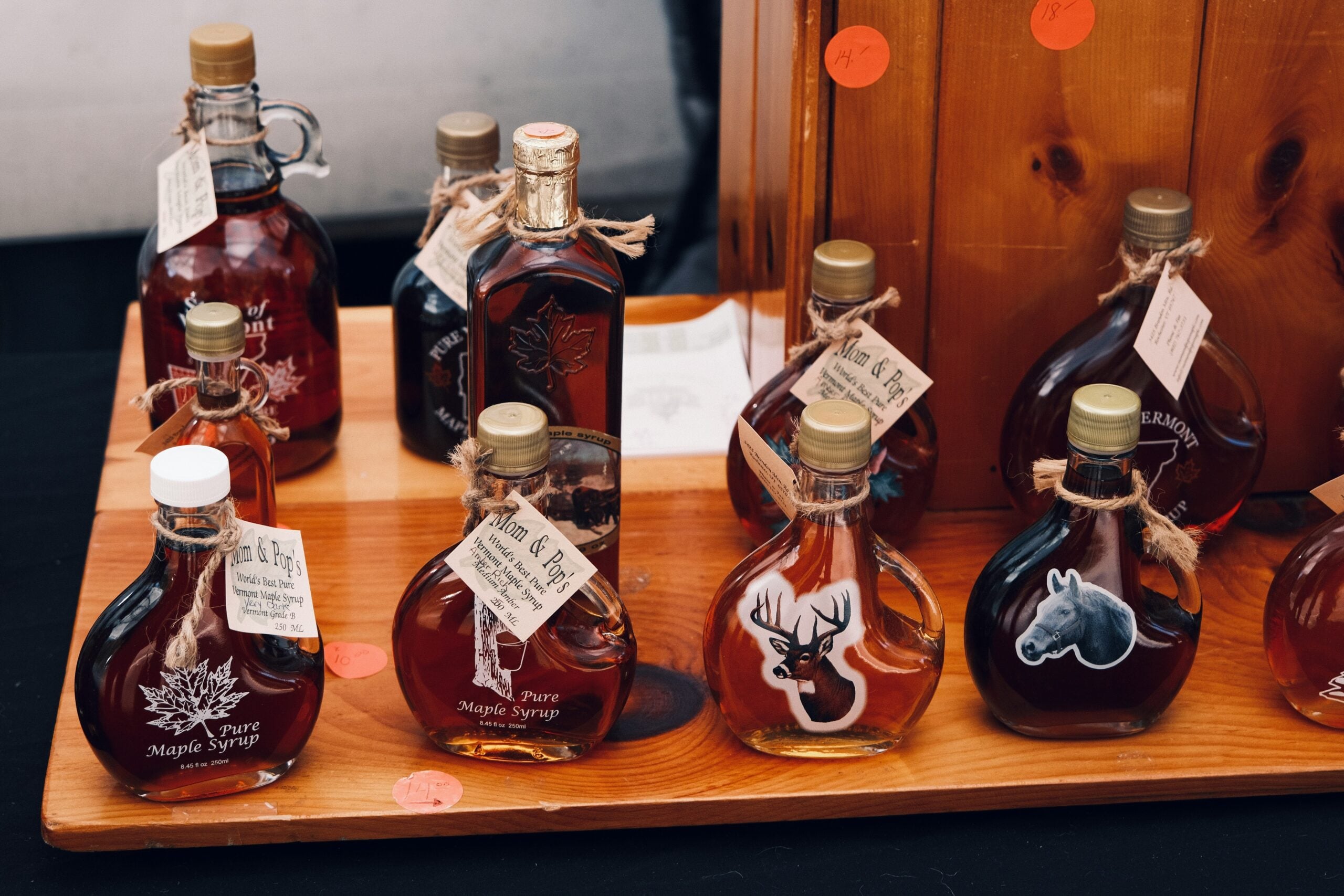
Maple syrup belongs in any discussion of Canadian food, but it should not stand alone as the entire answer. Canada produces most of the world's maple syrup, and Quebec dominates that production, so the association is grounded in fact.
Still, maple syrup is an ingredient and a tradition as much as a finished dish. It connects to spring sugaring season, sugar shacks, and meals built around more than pancakes, including baked beans, ham, and maple desserts.
That wider context is what the viral answers often miss. Canada's food identity is not thin or one note. It is regional, historical, and shaped by French, British, Indigenous, and immigrant traditions, which is exactly why reducing it to a chain coffee or a bottle of syrup feels so incomplete.




Leave a Reply