
A plate of fries, cheese curds and gravy might sound simple, but poutine has become a reason for some Americans to plan an international food trip. In Quebec and Ontario, the dish lands differently, and that difference is exactly what keeps drawing cross border diners north.
La Banquise in Montreal
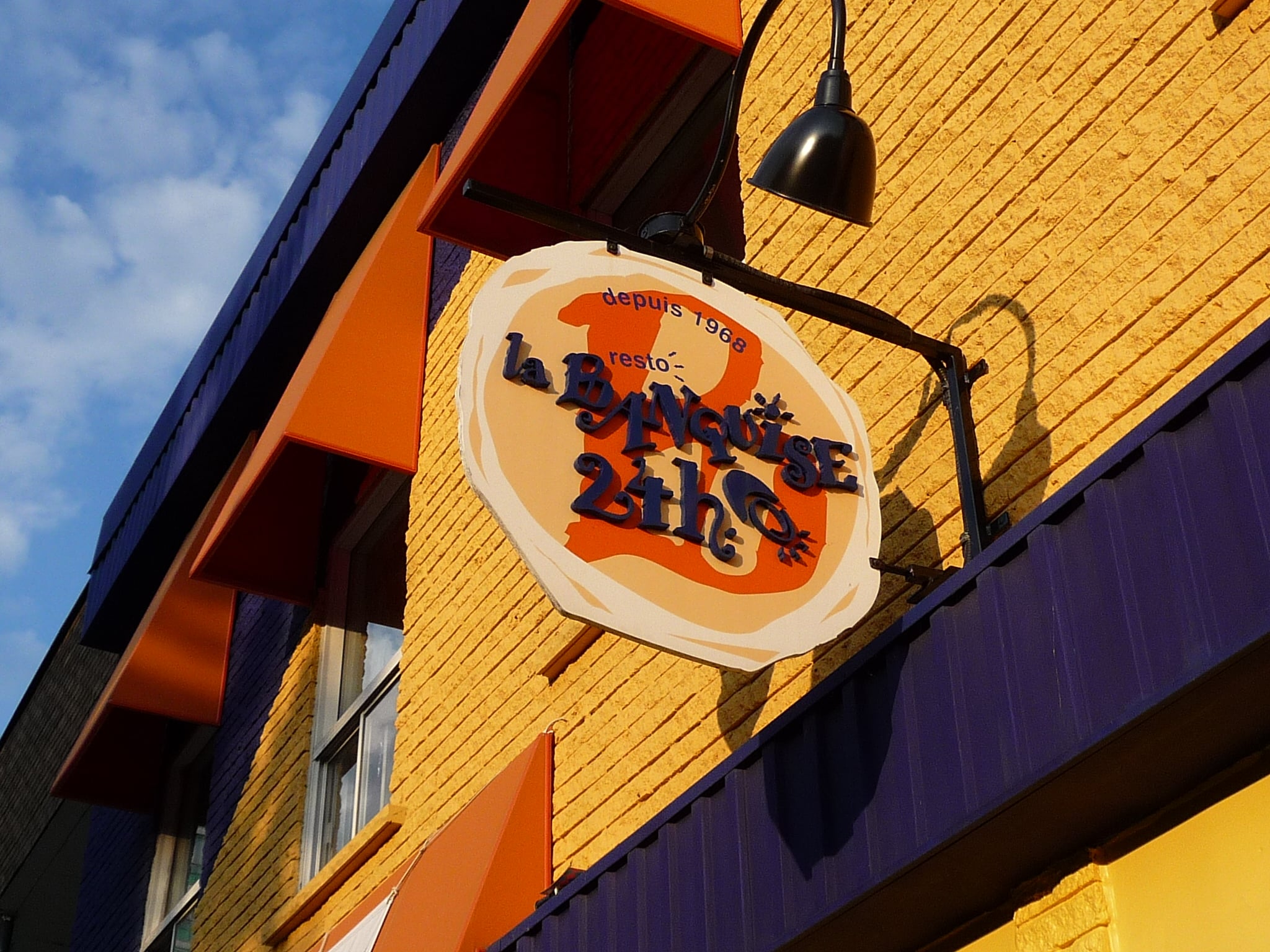
For many American poutine fans, Montreal is the main event. La Banquise, a long running casse-croûte, or snack bar, is one of the names that comes up again and again when travelers describe a poutine pilgrimage to Quebec.
What pulls people in is range as much as reputation. La Banquise is known for serving many variations, from classic versions to heavier combinations piled with extras, but the core formula stays the same: fries, squeaky cheese curds and hot gravy. For first time visitors from the U.S., eating it in Montreal can feel less like trying a trend and more like tasting the benchmark.
The cheese curds matter most
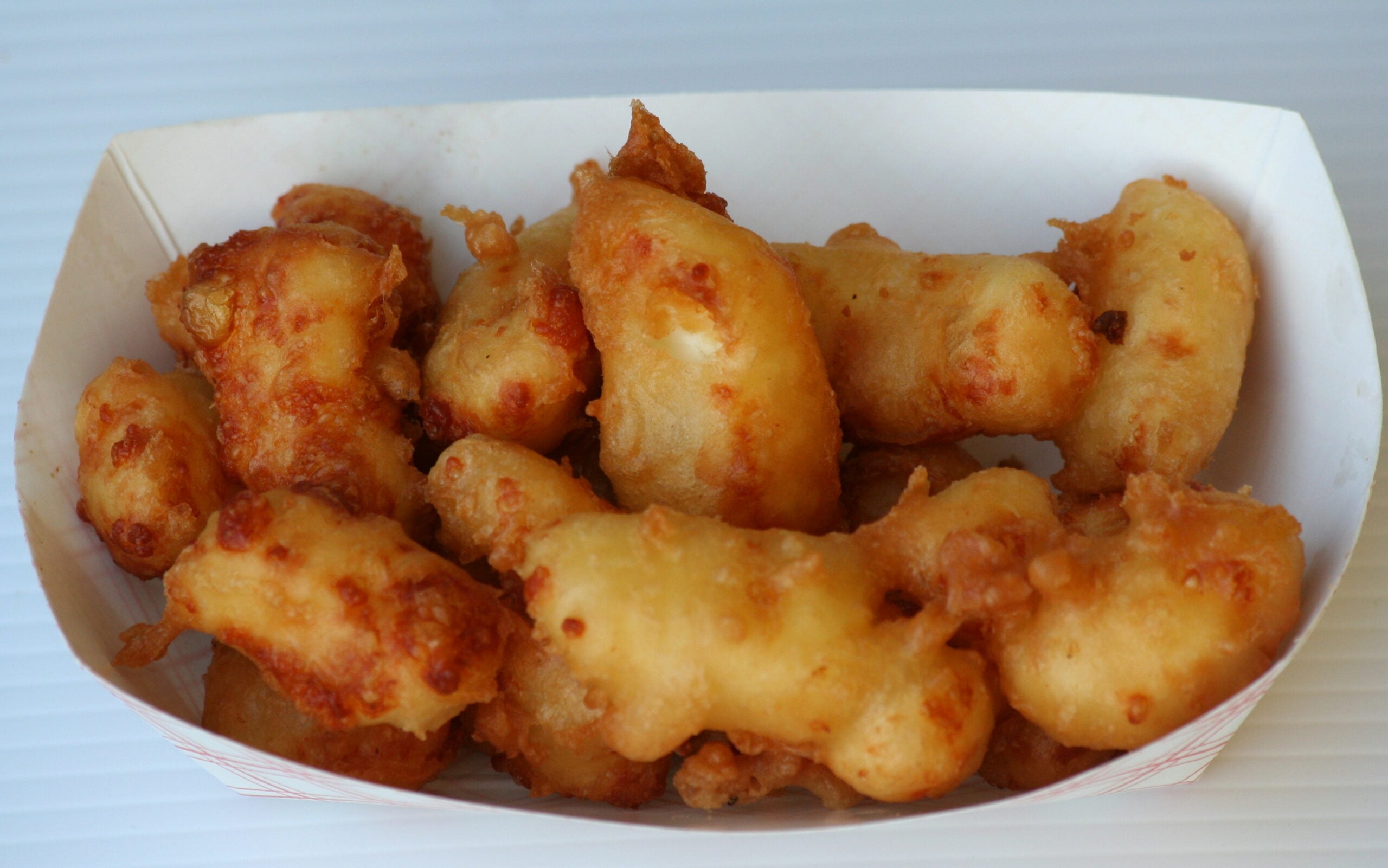
The real dividing line between average poutine and the version people cross a border for is the cheese curd. In proper poutine, the curds are not shredded cheese and not a smooth melted blanket. They are distinct pieces that soften from the heat but still keep their shape.
That texture is part of the dish's appeal in Quebec and Ontario, where fresh curds are easier to find. Fans often talk about the squeak, the slight resistance when you bite in, as a sign that the curds are fresh. It sounds like a tiny detail, but it changes the whole plate, and it is one reason many American diners say poutine at home often misses the mark.
Quebec is poutine's home ground
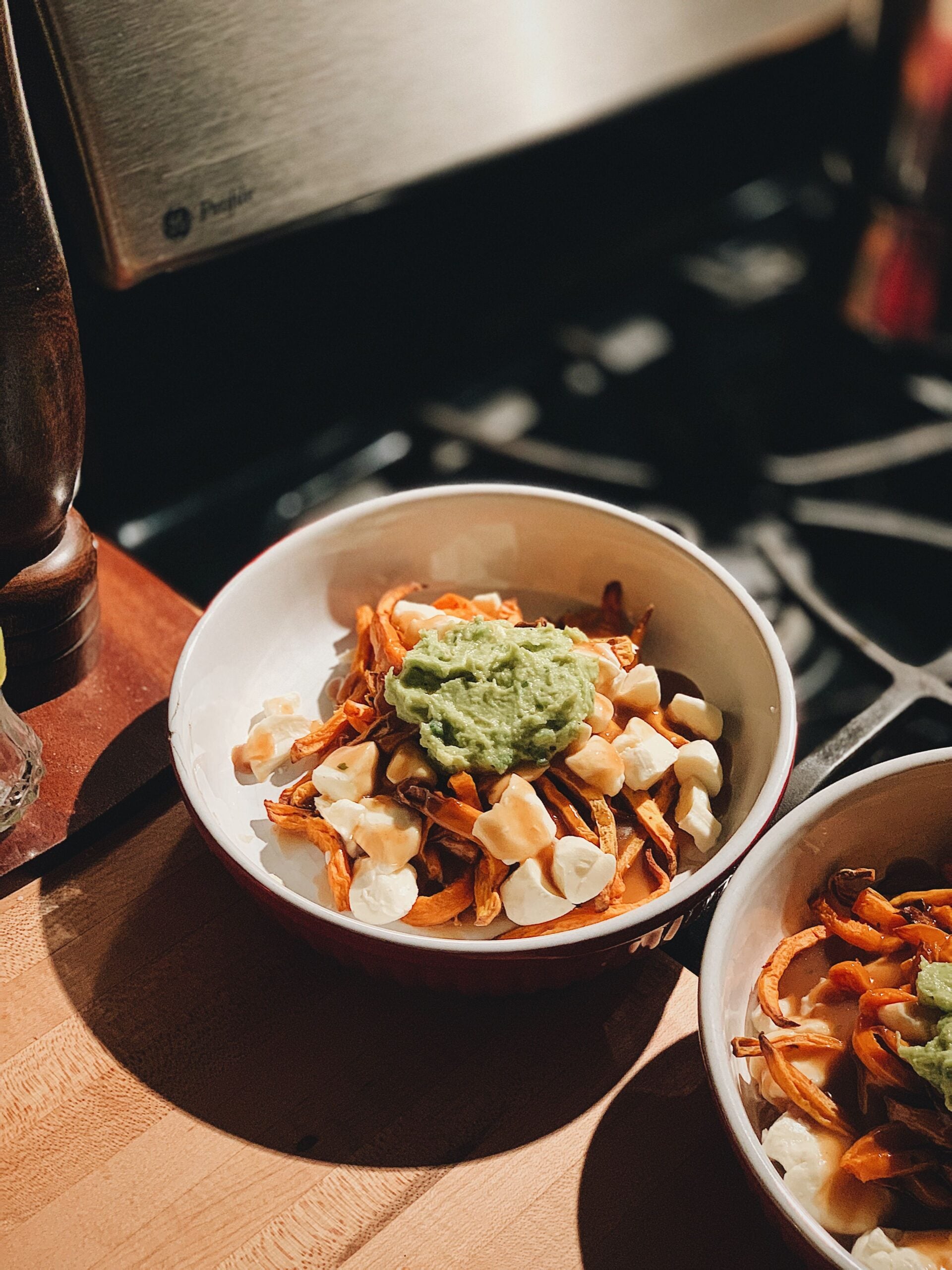
Poutine is closely tied to Quebec, where the dish is widely understood as local comfort food rather than a novelty. That matters for travelers, because eating poutine there means seeing it in its natural setting, on diner menus, at casse-croûtes and in everyday roadside stops.
The dish is generally traced to rural Quebec in the 1950s, though several towns have long debated who served it first. What is less disputed is where poutine became part of daily food culture. In Quebec, it is casual, common and taken seriously at the same time. For American visitors, that authenticity is often the real draw.
Ontario keeps the trip easy
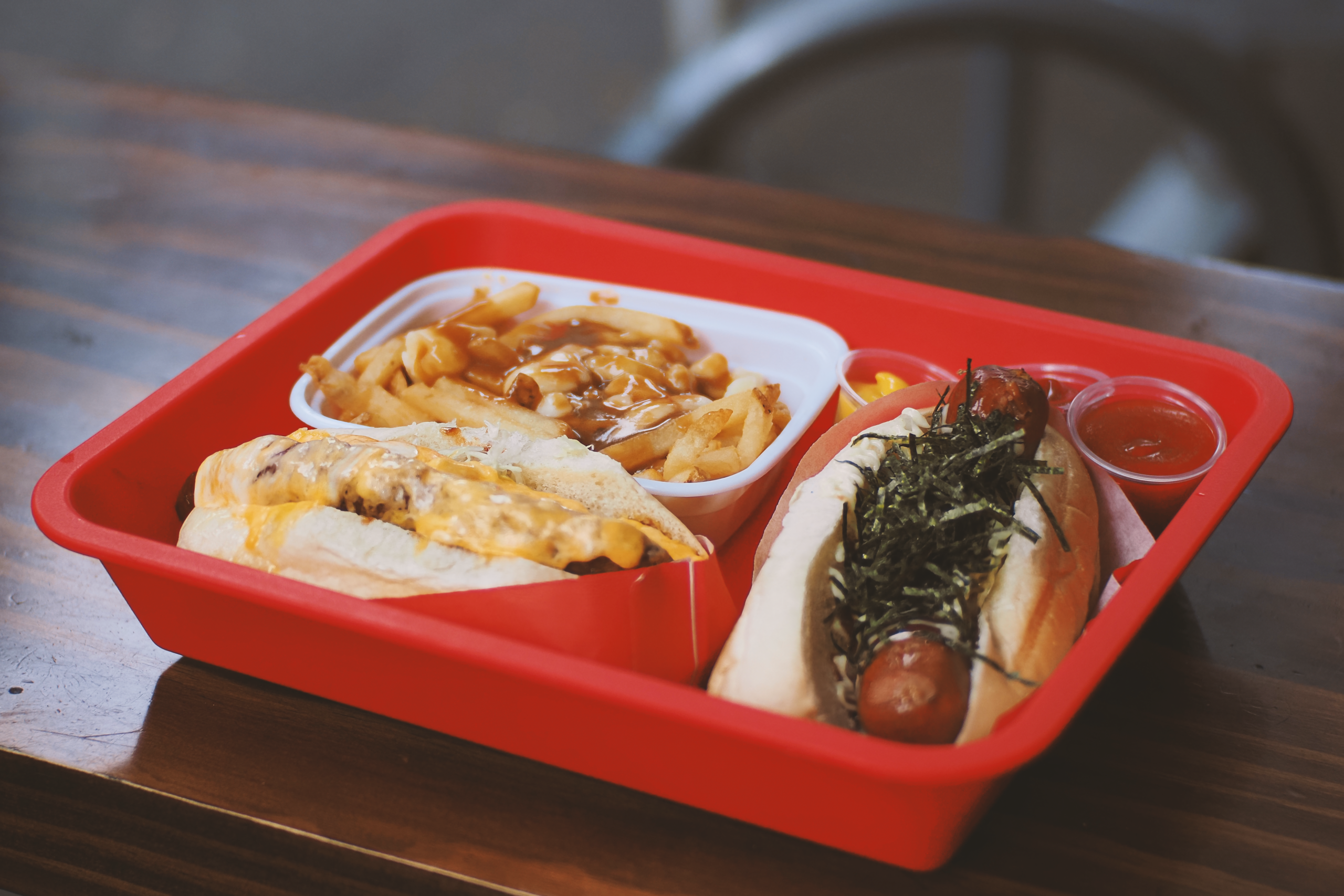
Not every U.S. traveler heading north for poutine is planning a full Montreal weekend. Ontario plays a big role in poutine tourism because it gives Americans in border states an easier entry point, with plenty of places serving respected versions of the dish not far from major crossings.
That convenience matters. A same day food run is far more realistic when the destination is just over the border, and poutine fits that kind of trip perfectly. It is affordable, quick to serve and easy to build a meal around. For travelers from places like New York or Michigan, Ontario can turn an international craving into a manageable drive.
Why the dish travels so well
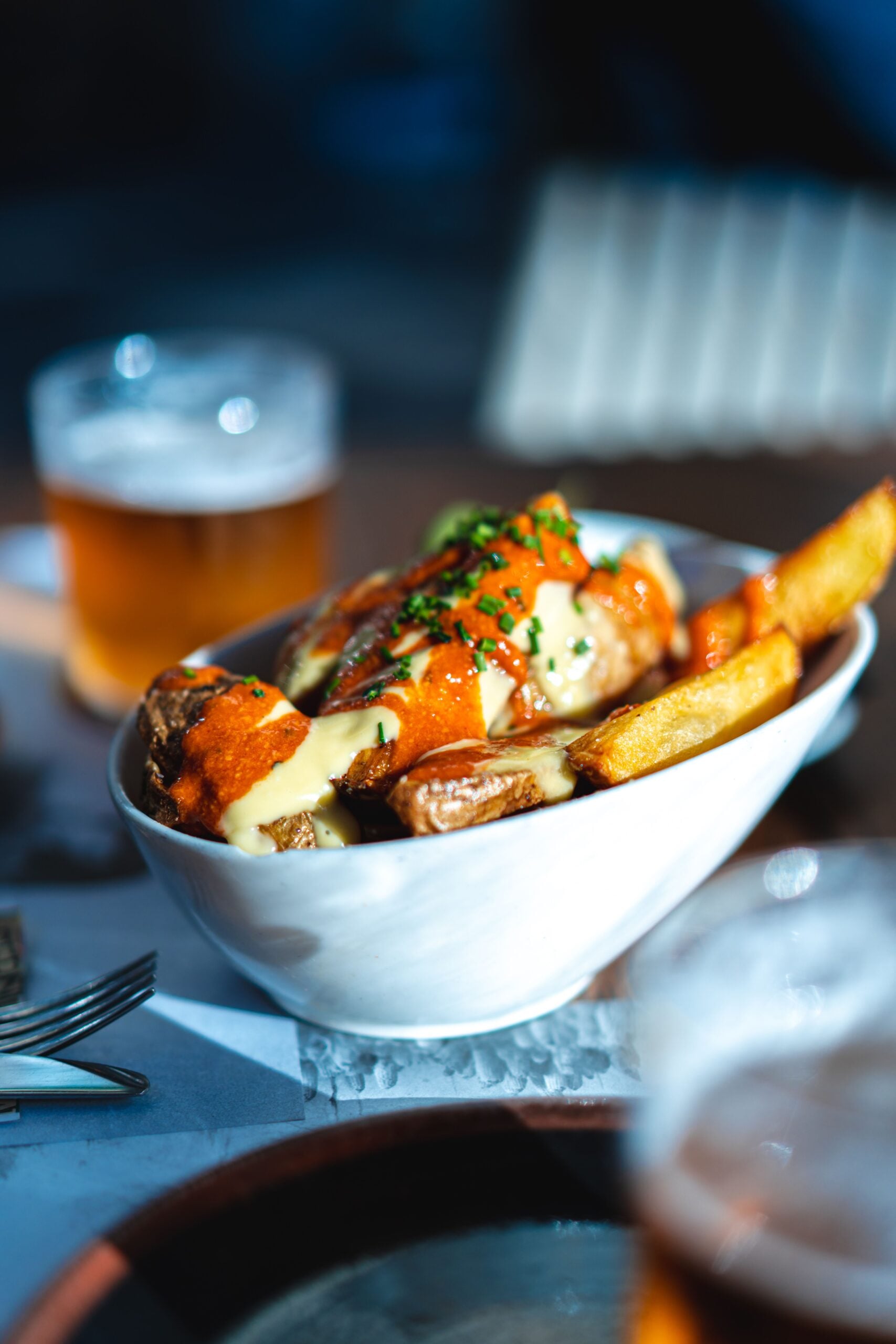
Poutine works as food tourism because the payoff is immediate. You do not need a guide, a reservation at a formal restaurant or a long explanation to understand why a fresh plate works. The contrast hits fast: crisp fries, rich gravy, cool curds warming at the edges.
It also helps that poutine photographs well and carries a strong sense of place. A plate in Montreal or an Ontario roadside stand tells a story before you take the first bite. For American visitors, that mix of comfort, novelty and regional identity makes the trip feel specific, not gimmicky.
A pilgrimage built on comfort food
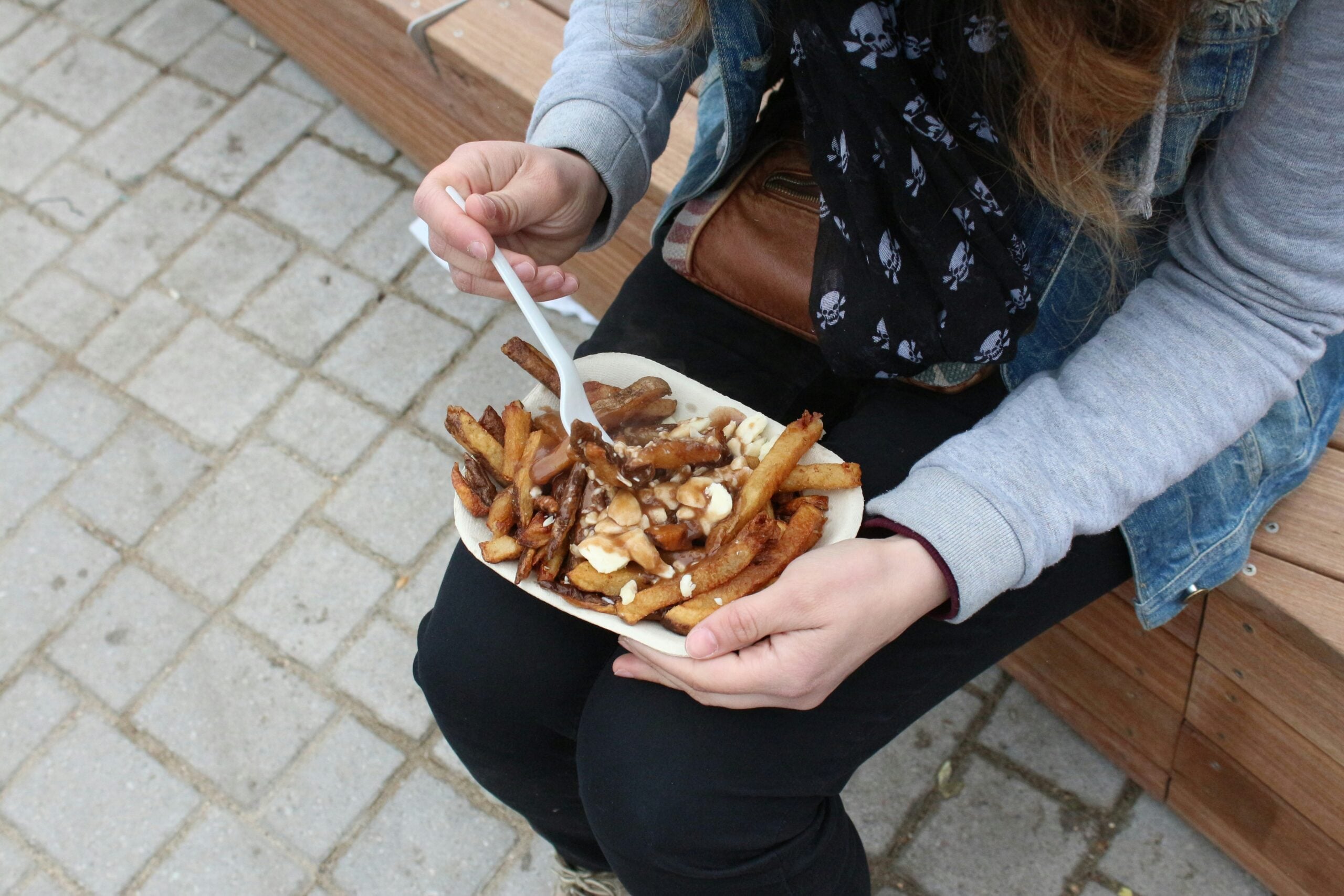
The most surprising part of poutine tourism may be how humble the dish remains. It is not rare, expensive or presented like fine dining. Its appeal comes from being ordinary in Canada and special to visitors who want the real thing where it is most rooted.
That is why the cross border draw feels durable rather than fleeting. Travelers are not only chasing a viral food photo. They are chasing context, ingredients and the chance to taste a dish where local habits shaped it. In that sense, poutine is doing what great regional food always does: turning a simple meal into a destination.




Leave a Reply