
Buying beer, wine, or spirits in Canada just became a little more expensive again. Here's what changed with the latest alcohol tax increase, why it happens every year, and what it could mean for your next purchase.
A Familiar Annual Increase Is Back

If your favourite beer, bottle of wine, or spirit seems a little more expensive this year, federal alcohol taxes are one reason why. On April 1, 2026, Canada's excise duties on alcoholic beverages increased again as part of the country's annual inflation-based adjustment. These duties apply to beer, wine, and spirits produced in or imported into Canada.
The increase is tied to changes in the Consumer Price Index (CPI), a measure of inflation. Rather than requiring Parliament to approve a new tax every year, the Excise Act automatically adjusts alcohol excise duties each April to keep pace with rising prices. For 2026, the adjustment remained capped at 2%, continuing a temporary limit introduced by the federal government.
Although the tax increase may appear small, it can gradually influence the price consumers pay over time. Retail prices are affected by several factors beyond federal excise duties, including provincial markups, transportation costs, packaging expenses, and retailer pricing decisions.
What Exactly Changed This Year?
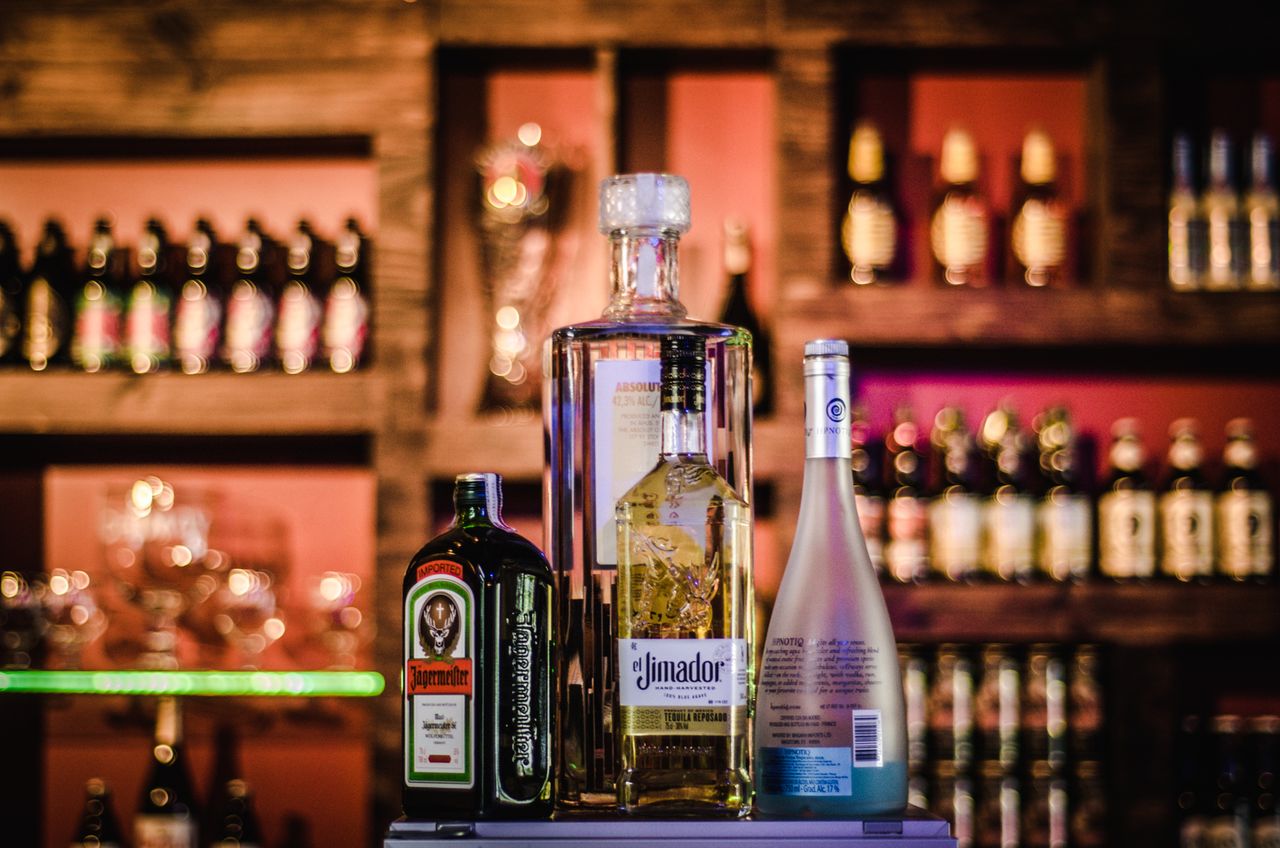
The biggest change was not the creation of a new tax but another annual adjustment to existing excise duty rates. Beer, wine, and spirits all saw their federal excise duties rise effective April 1, 2026, with the increase limited to 2% under current legislation.
For example, the federal excise duty on regular-strength beer increased from $36.95 to $37.69 per hectolitre, while wine and spirits also moved to updated rates reflecting the same capped adjustment. The government publishes updated duty tables each year for producers, importers, and retailers.
These changes apply at the manufacturing or import stage rather than directly at the cash register. Whether shoppers notice a price increase immediately depends on how producers, provincial liquor boards, and retailers choose to absorb or pass along the higher costs.
Why Does Canada Raise Alcohol Taxes Every Year?

Unlike many taxes that remain unchanged for years, federal alcohol excise duties automatically increase with inflation. The system was introduced so tax rates would maintain their value over time instead of gradually shrinking as the cost of living rises.
The government argues that indexing excise duties creates a more predictable system for both public finances and the alcohol industry. Instead of large, infrequent tax hikes, smaller annual adjustments are made using a formula linked to inflation.
Supporters say this approach provides consistency and helps preserve government revenue in real terms. Critics, however, argue that annual increases place additional pressure on producers and consumers, especially during periods when overall living costs are already high.
How Much Will Consumers Actually Notice?
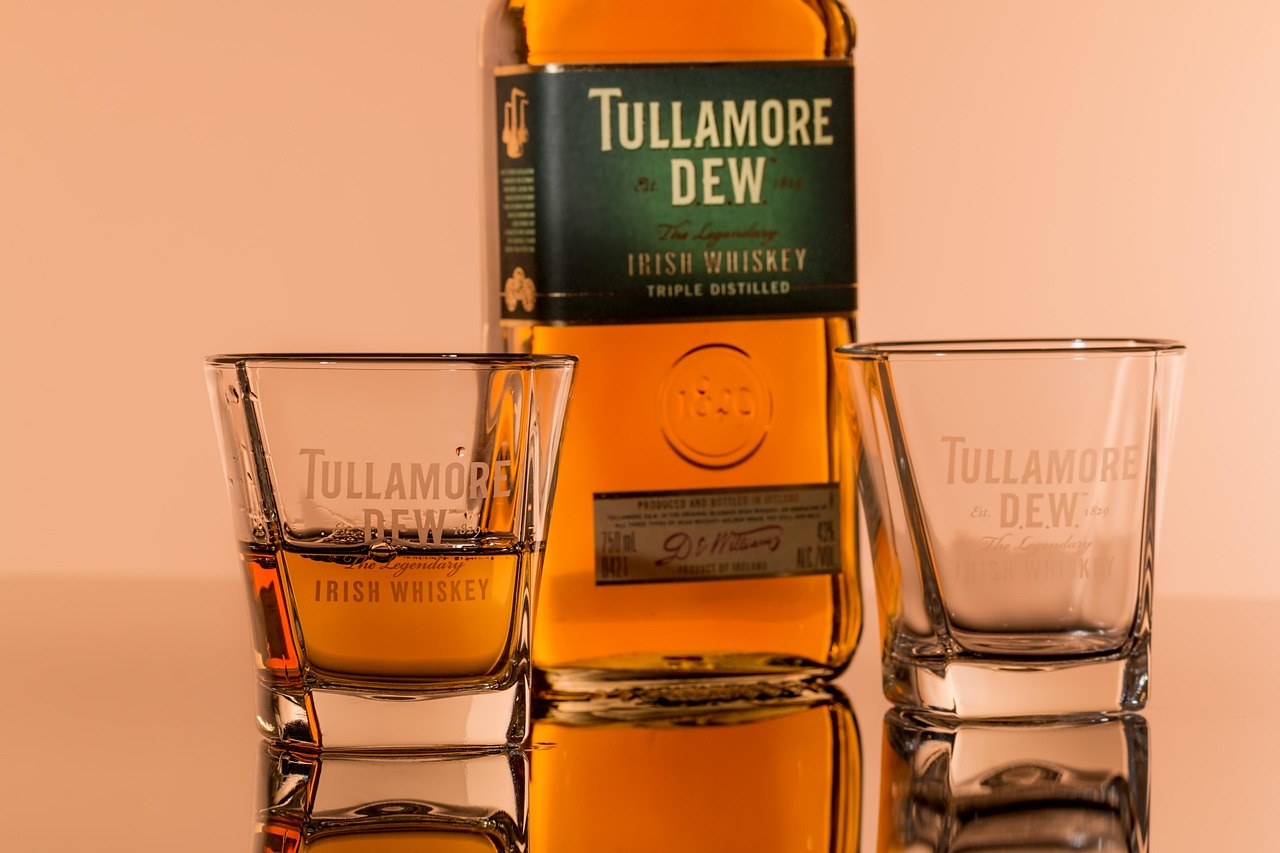
Most shoppers are unlikely to see dramatic price jumps from the federal excise adjustment alone. Since the tax increase represents only one part of the total price of an alcoholic beverage, the impact on an individual bottle or can is often relatively modest.
However, alcohol pricing in Canada involves multiple layers. Provincial liquor boards, provincial sales taxes, federal GST or HST, transportation, production costs, packaging, and retailer margins all contribute to the final shelf price. Any change in one area can combine with others to create a larger increase over time.
As a result, consumers may notice gradual price increases throughout the year rather than a sudden jump on April 1. The exact amount varies depending on the product, province, retailer, and brand.
What It Means for Canadian Brewers and Wineries

The annual adjustment affects alcohol producers as well as consumers. Breweries, wineries, and distilleries must pay higher excise duties on qualifying products, increasing production costs before products even reach store shelves.
To ease some of that burden, the federal government continues to provide relief for smaller domestic brewers. The 2026 legislation extended a 2% cap on beer duty increases and maintained a reduced excise rate for the first 15,000 hectolitres brewed by eligible Canadian producers.
Even with these measures, many producers say rising costs for ingredients, labour, transportation, and packaging remain larger challenges than excise duties alone. Pricing decisions often reflect the combined impact of all these expenses rather than tax changes in isolation.
Why Alcohol Taxes Continue to Be Debated
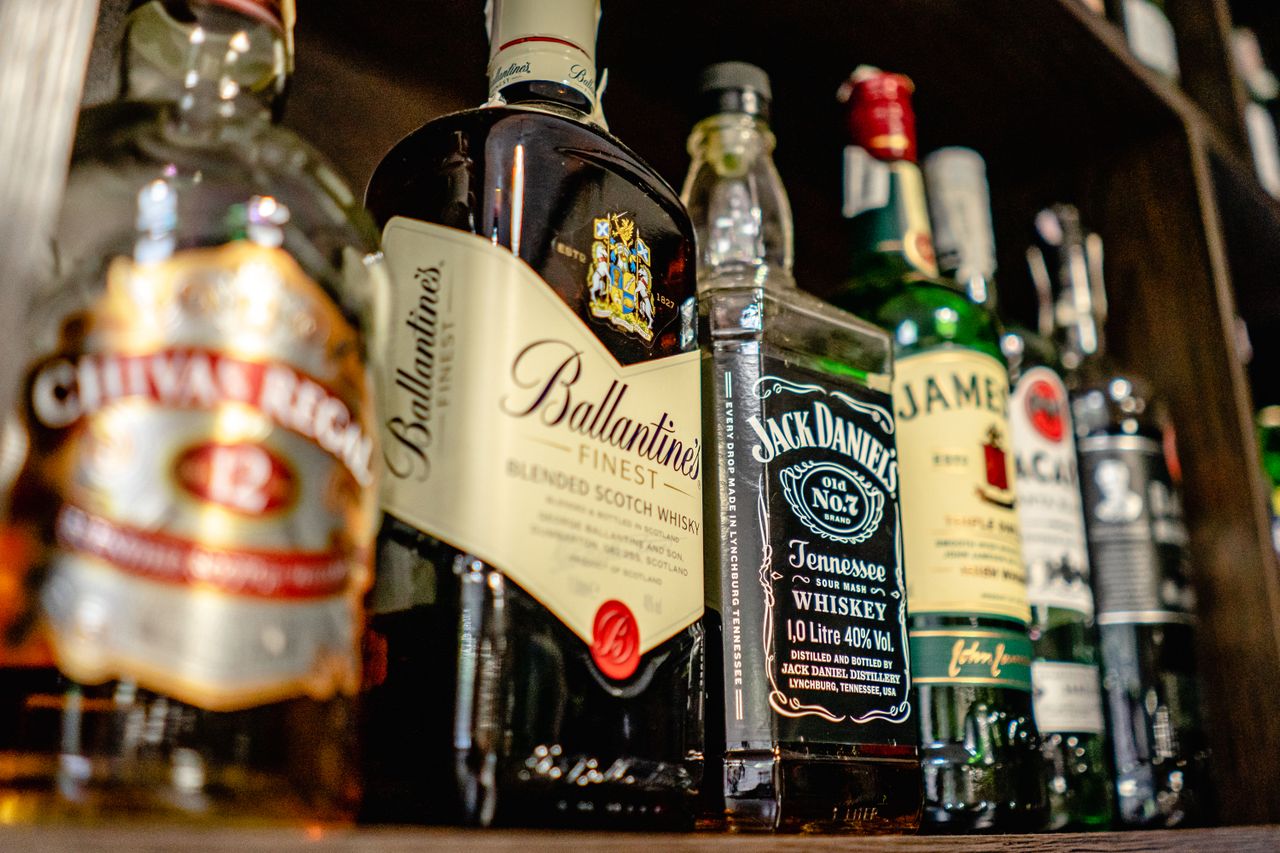
Alcohol taxes have long sparked debate because they serve multiple purposes. They generate government revenue while also supporting public health goals by making alcoholic beverages slightly more expensive, a strategy that research has linked to lower levels of excessive alcohol consumption.
Industry groups frequently argue that repeated annual increases make it harder for Canadian producers to compete and can discourage consumer spending during periods of economic uncertainty. Some have called for freezing or eliminating automatic inflation adjustments altogether.
For consumers, the takeaway is straightforward. The 2026 increase does not represent a new alcohol tax, but another scheduled inflation-based adjustment. While the effect on a single purchase may be small, it is one of several factors that continue to shape alcohol prices across Canada.




Leave a Reply