
Dementia often feels like a one-way loss. Yet in some cases, a single change in care can reopen doors that seemed permanently closed.
A decade of decline left her family searching for anything that might help

For 10 years, the woman's dementia followed a pattern many families know too well. Names faded, routines became confusing, and everyday tasks that once felt automatic started to require constant support. Her relatives watched conversations shrink from full exchanges to short, uncertain responses.
As the disease progressed, distress became as difficult as memory loss. She grew more agitated in the late afternoon, resisted bathing, and sometimes failed to recognize the people closest to her. According to the Alzheimer's Association, symptoms like anxiety, wandering, and sleep disruption often become as disruptive as cognitive decline itself.
Her care team tried standard strategies first. They adjusted lighting, simplified instructions, created routines, and reviewed medications that might worsen confusion. Those steps helped at times, but the improvement was limited, and her family still felt they were losing her piece by piece.
The change was not a drug or surgery, but something deeply personal
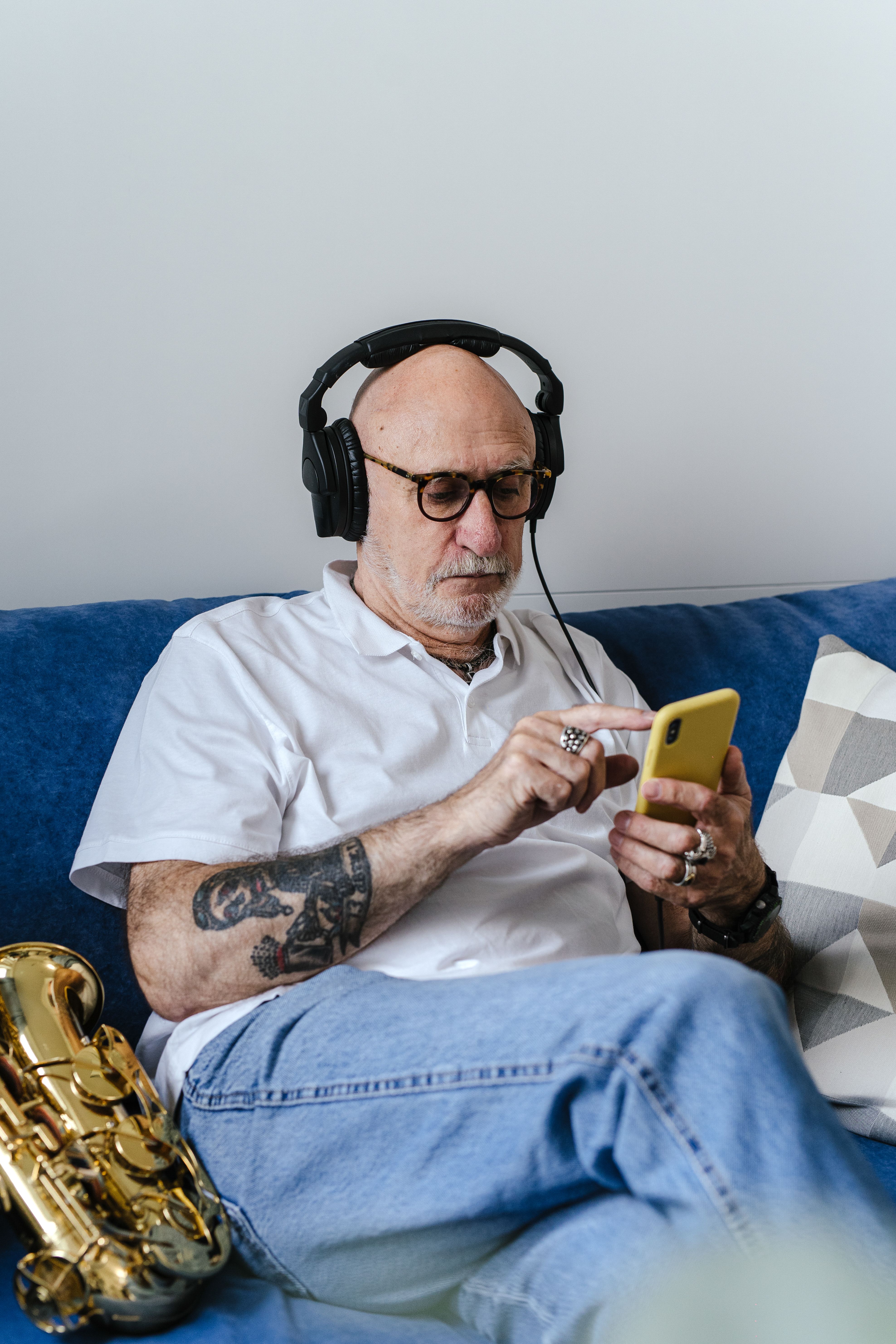
What changed everything was music, specifically a playlist built around songs from her teens and early adulthood. This was not casual background sound. It was carefully chosen music tied to strong autobiographical memory, emotional comfort, and familiar rhythms from the years when identity is often formed most deeply.
Researchers have spent years studying why music can reach people with dementia when ordinary conversation cannot. Brain imaging studies suggest musical memory networks may remain partly accessible even as other systems deteriorate. A 2024 body of research continued to support what many clinicians observe in practice: familiar music can reduce agitation and improve engagement.
The key was personalization. Generic relaxation tracks rarely create the same effect as a favorite hymn, dance-band standard, or beloved love song. In her case, the right songs did more than calm her. They drew out recognition, facial expression, and moments of verbal clarity her family had not seen in years.
Her response was immediate, visible, and emotionally powerful

The first time the playlist was used purposefully, her posture changed within minutes. She stopped fidgeting, looked up, and began mouthing words to a song she had known in her twenties. Then she sang softly, surprising the daughter sitting beside her.
Her family noticed something equally important beyond the singing. She became easier to guide through meals and personal care after listening. Staff often report this same practical benefit in memory care settings: when distress drops, cooperation rises, and the day becomes safer and more manageable for everyone involved.
The emotional impact was profound. Her daughter said the music did not cure dementia, but it gave them moments of reunion. That distinction matters. The breakthrough was not the reversal of disease, but the restoration of connection, dignity, and recognizable personality.
Science helps explain why music can succeed where words fail

Memory is not stored in one single place, and dementia does not damage every brain system at the same rate. Musical response involves broad networks tied to rhythm, emotion, attention, and long-term memory. Because of that, a familiar song can sometimes activate preserved pathways that spoken questions cannot reach.
Neurologists and geriatric specialists increasingly view music as a legitimate non-drug intervention, not simply entertainment. It can lower stress hormones, support emotional regulation, and reduce behavioral symptoms that often lead to sedative use. Some care homes now build individualized music sessions into daily treatment plans.
There are limits, of course. Music is not universally calming, and the wrong selection can overstimulate or trigger sadness. Volume, timing, cultural familiarity, and the patient's past associations all matter. The strongest results tend to come when family members help identify songs with deeply rooted meaning.
Families can apply the same lesson at home with simple, careful steps
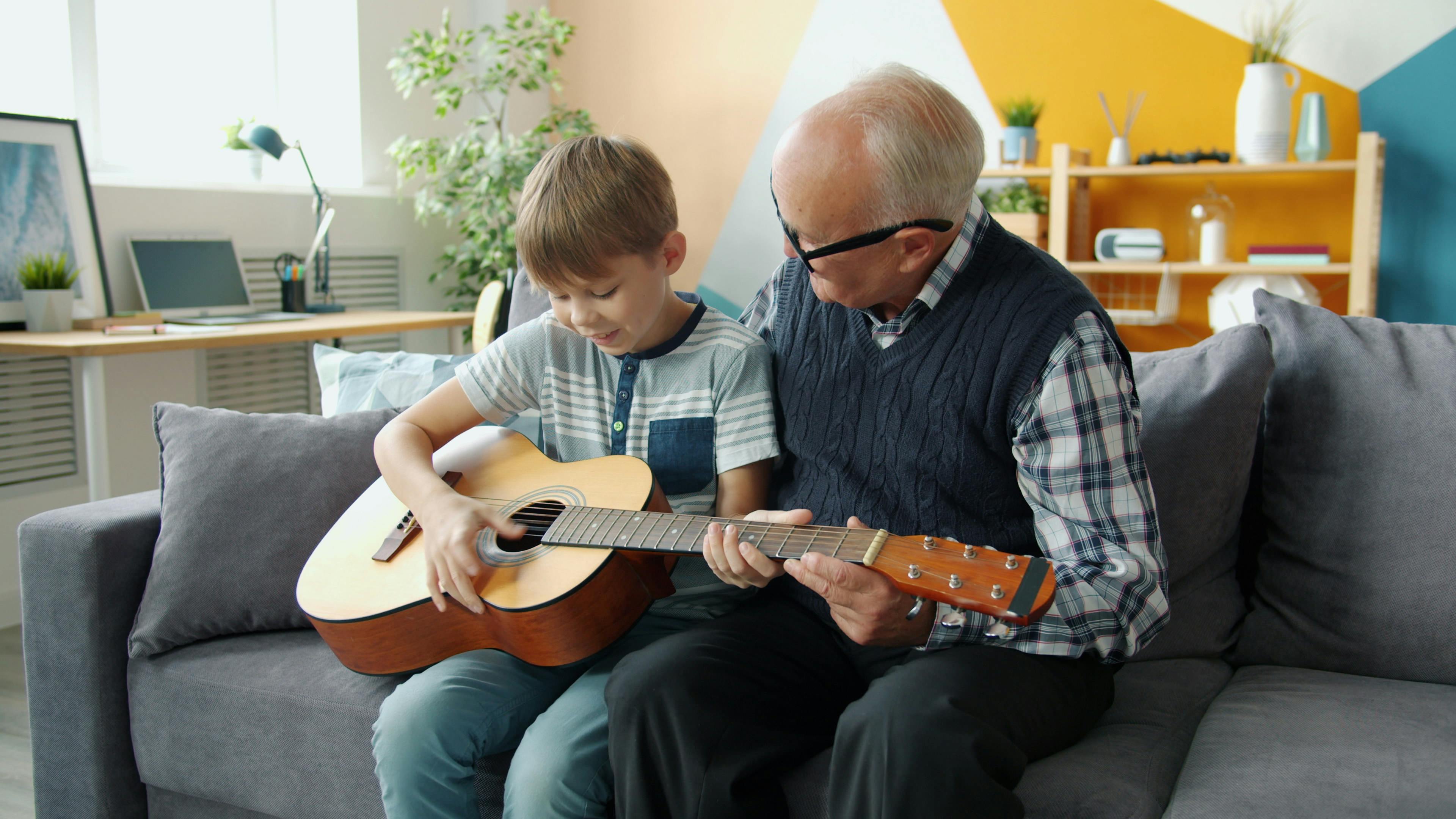
The first step is to think biographically, not generically. Songs from ages roughly 15 to 30 often carry the strongest personal meaning, though religious music, lullabies, or regional favorites may matter even more. Family members should ask what the person once danced to, sang in church, or played during milestones.
Next, test the music during calm moments before using it in stressful situations. Watch for signs of comfort such as relaxed shoulders, humming, eye contact, or less pacing. If irritation appears, switch immediately. Headphones can help some people, but speakers are often better for those who dislike anything unfamiliar on their body.
Consistency matters more than complexity. A short session before bathing, mealtime, or sundowning hours can make daily care easier. Experts also advise keeping the environment simple while music plays, since competing noise from television or conversation can blunt the effect and increase confusion.
What changed everything was not magic, but recognition

The deeper lesson in her story is that dementia care improves when treatment is built around the person, not just the diagnosis. Personalized music worked because it met her where she still was, instead of forcing her to function in ways the disease had already taken.
That approach reflects a broader shift in dementia care worldwide. Leading clinicians increasingly emphasize non-pharmacological interventions, sensory support, routine, and identity-based care. Families often feel powerless, but this case shows that meaningful improvement can come from understanding biography as carefully as biology.
After 10 years of loss, the woman's condition was still serious. But one thing changed everything because it restored access to memory, emotion, and human connection. In dementia care, those moments are not small. They are the very substance of quality of life.




Leave a Reply