
Big changes are taking shape at Oakridge Park. The arrival of a 50,000-square-foot supermarket signals a major step in turning the mall into a true everyday destination, not just a place for occasional shopping.
Why this supermarket matters

What makes this opening important is not just the size of the store, but the role it will play inside a rapidly evolving urban hub. A 50,000-square-foot supermarket is large enough to offer full-service grocery shopping, fresh departments, and everyday essentials under one roof.
That matters at Oakridge Park because the broader redevelopment is designed around mixed use living, retail, office space, and public amenities. In projects like this, a supermarket becomes critical infrastructure. It supports residents, office workers, and visitors in a way fashion or specialty retail cannot.
In major city developments, grocery stores often serve as anchor tenants because they create frequent, repeat visits. People may visit a luxury store once a season, but they shop for food every week. That regular traffic can lift surrounding businesses, from cafés to pharmacies to personal services.
Oakridge Park's larger redevelopment story

The supermarket opening fits into a much bigger transformation underway at Oakridge Park. The site has been repositioned as one of Vancouver's most ambitious redevelopment projects, combining housing, shopping, entertainment, and public space in a denser, transit-oriented format.
Oakridge has long held a strategic location along Cambie Street, directly connected to rapid transit. That access makes it especially well suited for a high-traffic grocery anchor. Shoppers can reach the site by car, transit, bike, or on foot, which broadens the customer base beyond the immediate neighborhood.
Across North America, mixed-use retail centers increasingly rely on grocery stores to stay resilient. Traditional enclosed malls have faced pressure for years, but developments that include food retail, housing, and essential services tend to perform more consistently because they match daily routines, not just discretionary spending.
What shoppers can likely expect
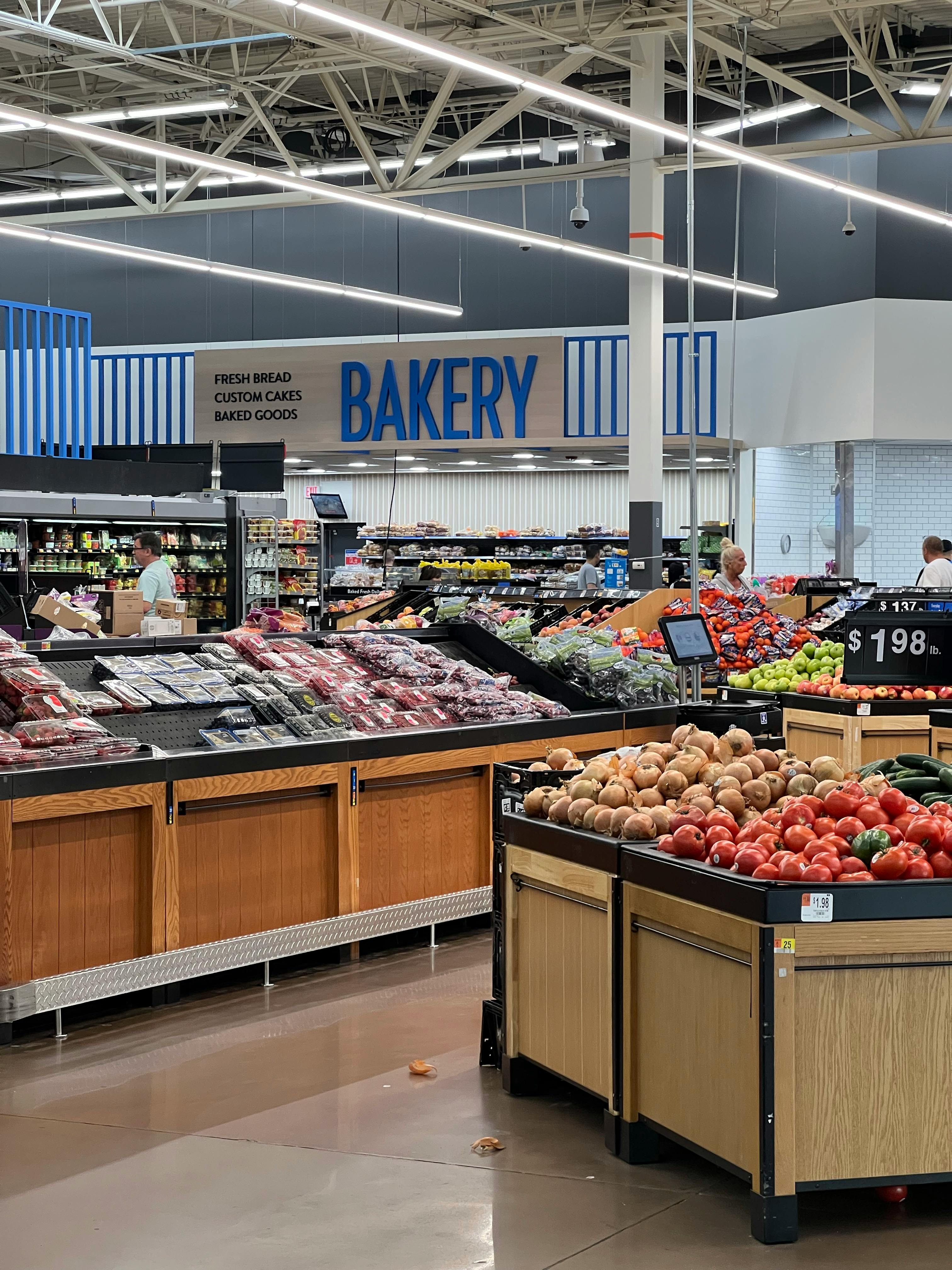
A supermarket of this size typically goes well beyond basic shelves of packaged goods. Most stores in the 50,000-square-foot range include robust produce, meat, seafood, bakery, deli, frozen food, and prepared meal sections, along with household necessities and health-focused products.
Shoppers may also expect a store layout built for convenience and volume. Wider aisles, modern refrigeration, self-checkout, digital pricing systems, and dedicated pickup areas are now common in newly built supermarket formats. Many operators also emphasize grab-and-go meals for commuters and busy families.
Given Oakridge Park's positioning, the tenant will likely aim for a broad but upscale-friendly assortment. That could mean premium fresh foods, international items, organic selections, and ready-to-eat offerings tailored to urban consumers who value both quality and time savings.
Economic impact for the mall and community
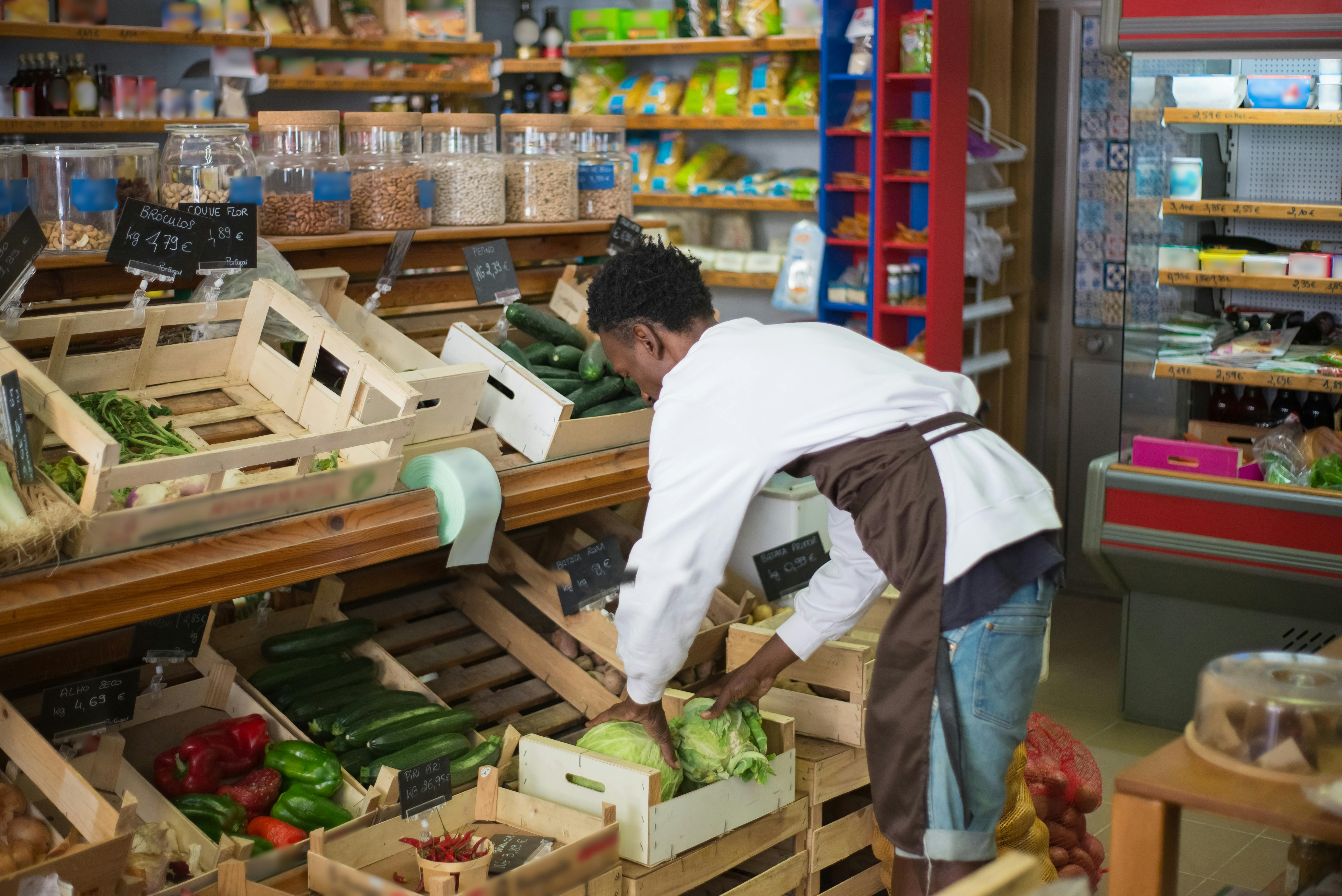
The direct economic effects of a supermarket opening are substantial. A store of this scale typically creates jobs across management, customer service, food handling, logistics, stocking, maintenance, and security. Hiring often begins months before opening day as teams are trained and systems are tested.
There is also a wider multiplier effect. Grocery anchors tend to increase dwell time, which can benefit neighboring tenants as shoppers combine errands in a single trip. Someone stopping in for produce may also visit a café, pick up pharmacy items, or browse nearby retail, boosting overall foot traffic.
For the surrounding community, the addition can improve access to food options in a dense urban corridor. In growing neighborhoods, convenient grocery access is a quality-of-life issue. It reduces travel time for essential purchases and helps support a more walkable daily routine.
How it could change shopping patterns

The new supermarket is likely to shift how people use Oakridge Park. Instead of seeing the property mainly as a destination for fashion, dining, or special outings, many customers will begin treating it as part of their weekly routine. That is a meaningful change in retail behavior.
Retail analysts often point to frequency as a key indicator of a center's long-term health. Grocery stores generate habitual traffic, and habitual traffic is valuable because it creates predictability. That stability can help nearby businesses plan staffing, inventory, and promotions more effectively.
The location inside a transit-connected mixed-use development may also appeal to shoppers who prefer smaller, more frequent visits rather than large weekly stock-up trips. That pattern is increasingly common in urban markets where people prioritize convenience, freshness, and flexible transportation options.
What to watch as the opening approaches

The biggest unanswered question is the identity of the supermarket operator, if it has not yet been publicly confirmed. The brand matters because it will shape pricing, product mix, service style, and the overall market position of the store within Vancouver's competitive grocery landscape.
Shoppers and local businesses will also be watching for opening timelines, staffing announcements, and details about store features. Items such as prepared food counters, specialty departments, loyalty programs, and delivery or pickup options can strongly influence how quickly a new supermarket gains traction.
In the bigger picture, this opening will be a test of how successfully Oakridge Park can function as a fully integrated urban center. If the supermarket performs well, it will reinforce the project's strategy of blending essential retail with housing, transit, and lifestyle offerings in one destination.




Leave a Reply