
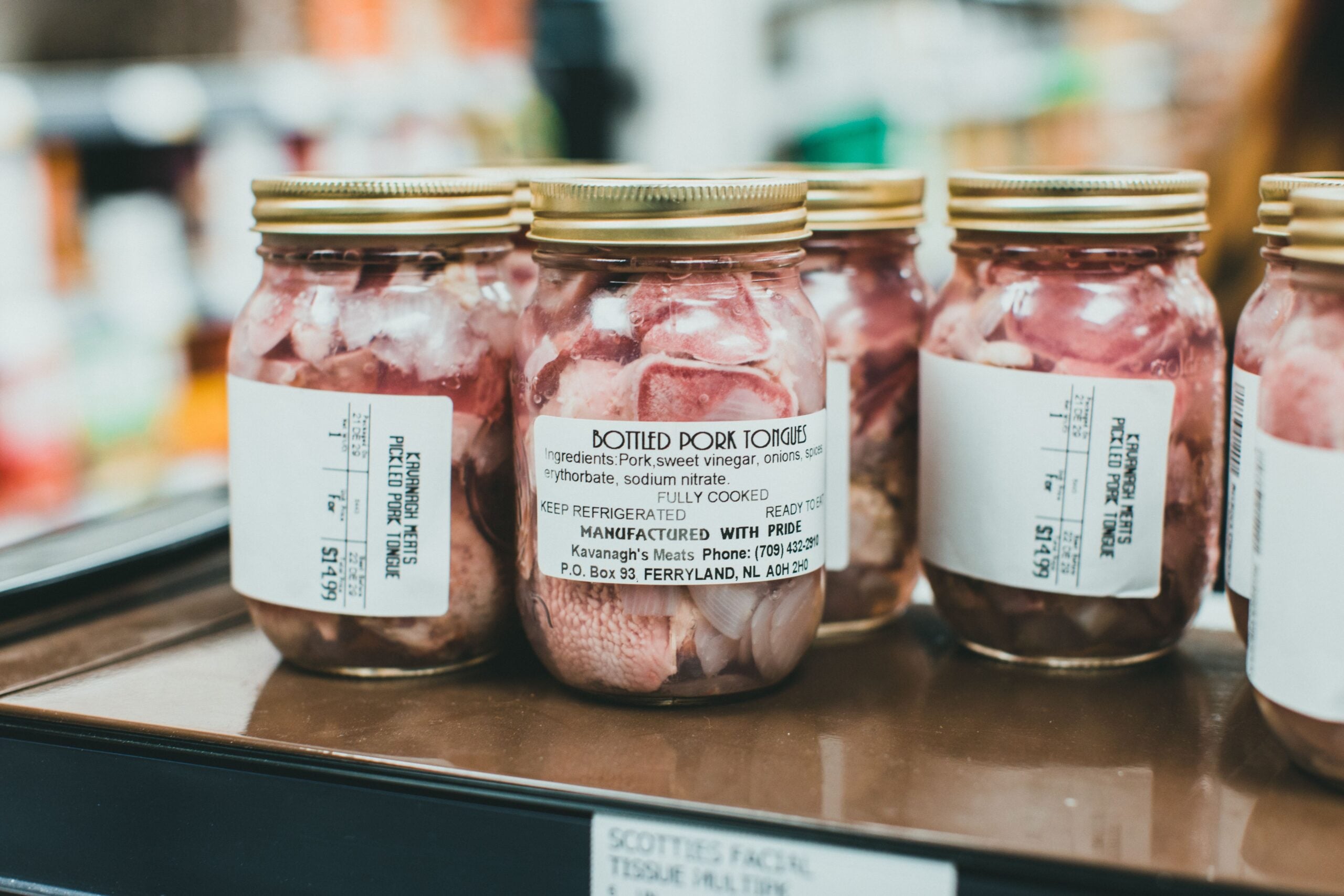
What looks ordinary on a U.S. grocery shelf can appear much more cautionary just across the border. In Canada, the same type of food may need a bold front-of-package warning that instantly tells shoppers it is high in nutrients tied to chronic disease risk.
The label shock often starts with everyday packaged meals
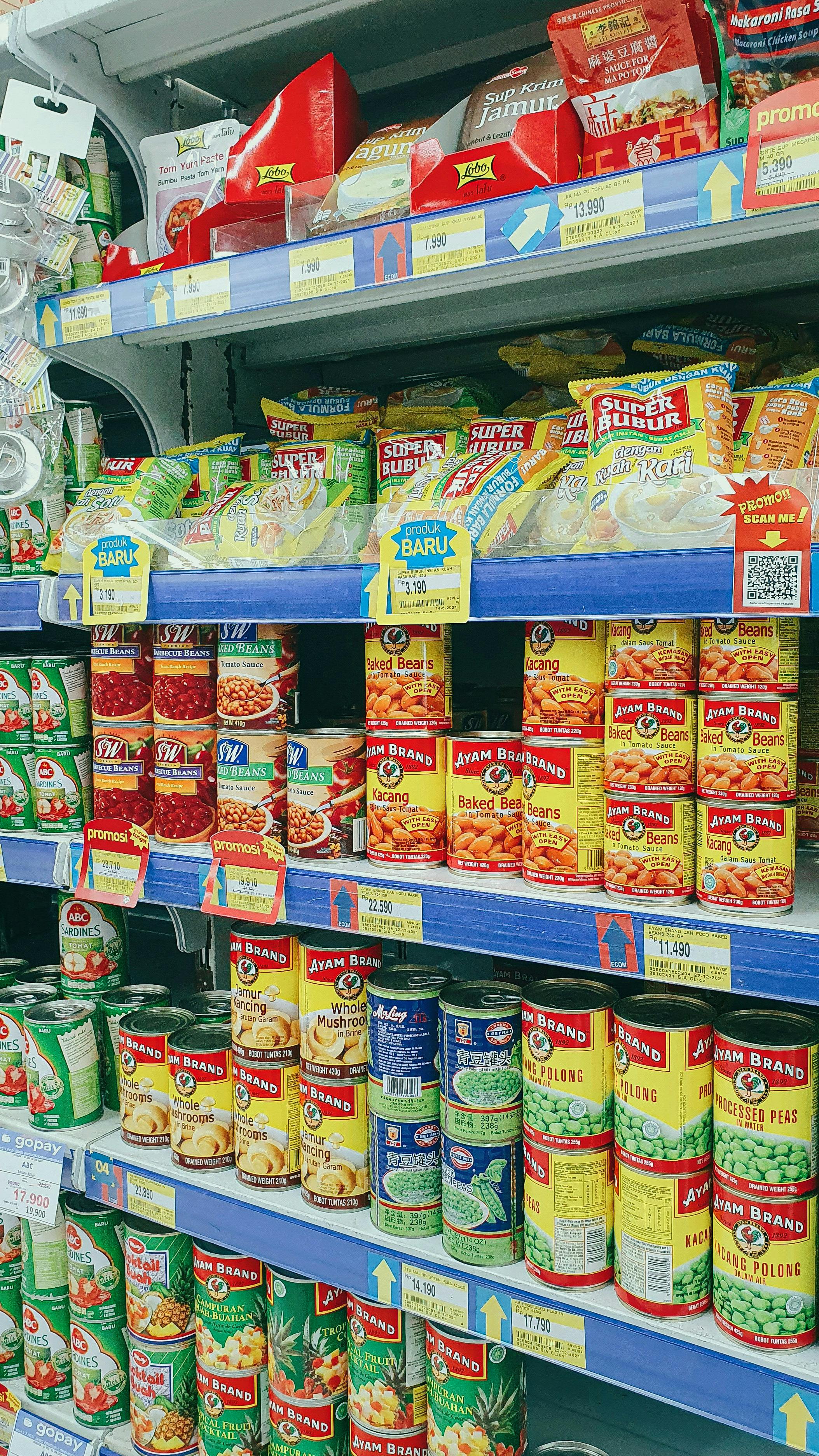
The surprise is not usually about candy or soda. It is often about foods Americans see as practical staples, such as frozen dinners, canned soups, boxed macaroni and cheese, deli meats, or breakfast sandwiches. These products can seem normal because they are deeply woven into U.S. grocery habits and are marketed around convenience, value, and family routines.
In Canada, many of those same foods are judged first by what they contain in sodium, saturated fat, and sugars. If they cross set thresholds, they can require a clear symbol on the front of the package stating they are high in one or more of those nutrients. The point is speed and visibility, not fine print buried on the back.
This catches attention because American shoppers are used to the Nutrition Facts panel doing most of the heavy lifting. Canada's newer system changes that by moving the warning to the part of the package people see first. A food can still be legal, popular, and widely sold, but the package now carries a stronger public-health message.
Canada's rule is built around nutrients linked to disease

The heart of the policy is simple. Health Canada designed front-of-package labeling to help people quickly identify foods high in sodium, sugars, or saturated fat, three categories strongly associated with higher risks of hypertension, heart disease, and other chronic conditions when consumed too often.
The black-and-white warning symbol appears on most prepackaged products that meet or exceed nutrient thresholds based on a reference amount or serving size. That means a product does not have to seem especially indulgent to trigger a label. A bowl of soup, a savory snack, or a packaged entrée can qualify because sodium levels are often surprisingly high.
Public-health experts have supported this approach for years because shoppers make decisions quickly. Research in multiple countries has found that simple front-of-pack warnings are easier to understand than dense nutrition tables, especially in rushed shopping environments. In practice, the label works less like a ban and more like a stop sign that asks consumers to pause.
Soup is one of the clearest examples of the U.S.-Canada divide
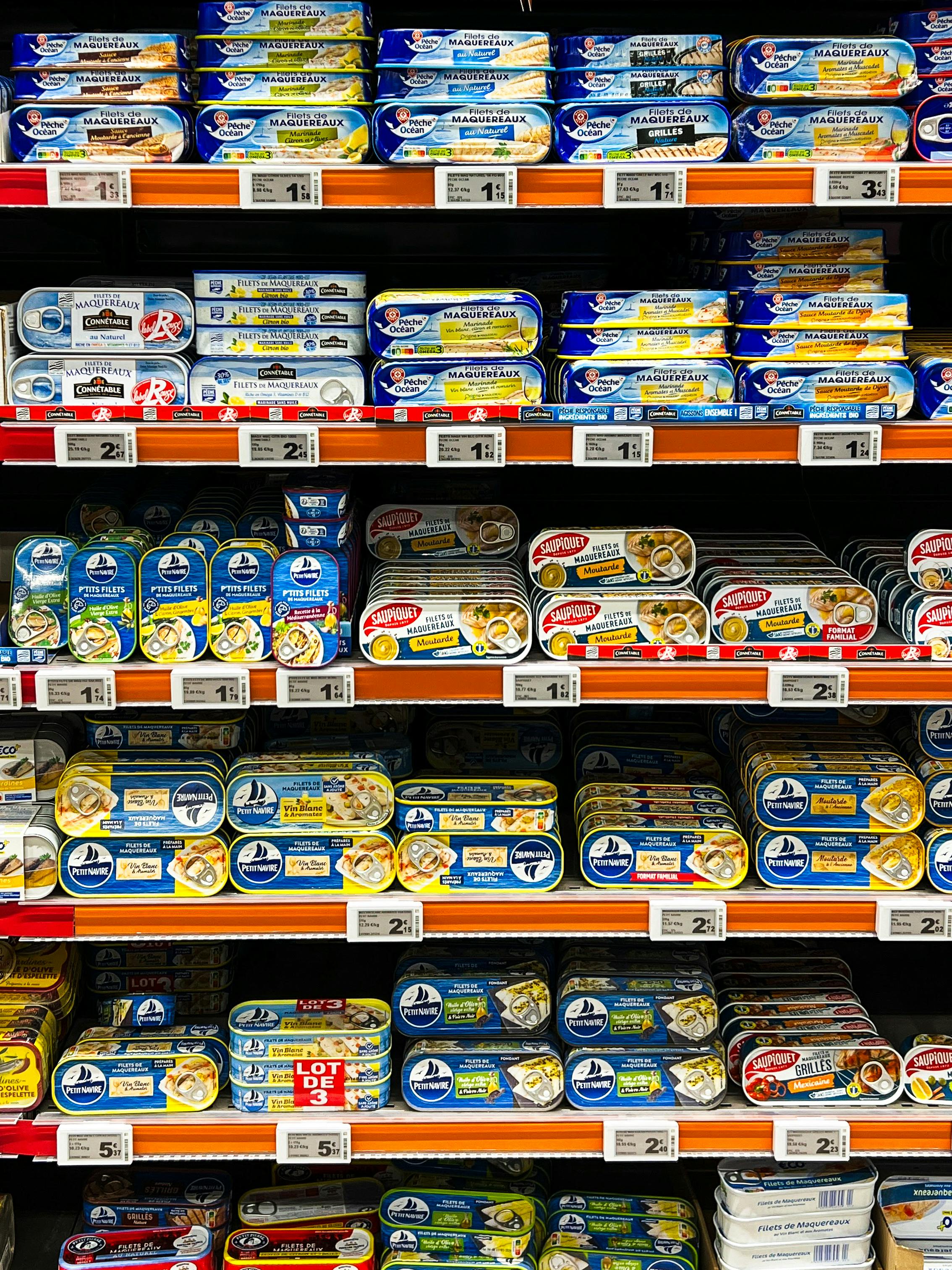
A canned soup is a perfect case study because it feels wholesome, familiar, and often inexpensive. In the United States, many shoppers see soup as a comfort food or a light lunch. Yet some varieties contain a large share of a day's recommended sodium in a single serving, and serving sizes on labels may not match what people actually eat.
Under Canada's rules, that sodium content can push soup into warning-label territory very quickly. The same goes for instant noodles, broths, and ready-made pasta sauces. A product can look harmless, especially when it is sold with words like homestyle or chicken vegetable, while still carrying sodium levels that public-health officials consider important to flag.
That disconnect matters because sodium is one of the hardest nutrients for consumers to track by instinct. Sweetness is easy to taste, but salt hidden in processed foods is less obvious. Canada's labeling system is designed to make that invisible risk visible in a single glance.
The United States uses disclosure, while Canada leans into warning

The U.S. and Canada are not disagreeing over whether nutrition matters. They differ in how directly government should communicate risk on the package front. In the United States, regulators have traditionally emphasized disclosure through the Nutrition Facts label, ingredient lists, and claims rules rather than mandatory warning icons for many mainstream packaged foods.
Canada has taken a more intervention-focused route, shaped by concern over rising diet-related disease and evidence that back-panel information alone does not change behavior enough. The warning symbol does not tell shoppers what to buy. It simply highlights products that are high in nutrients many people are already consuming in excess.
This distinction affects industry behavior too. Once front-of-package warnings become mandatory, manufacturers often reformulate products to avoid them. That can mean cutting sodium in soup, reducing sugar in cereals, or changing portion structures. In that sense, the label is aimed not only at shoppers but also at the food system itself.
Why something "normal" in America can still be concerning
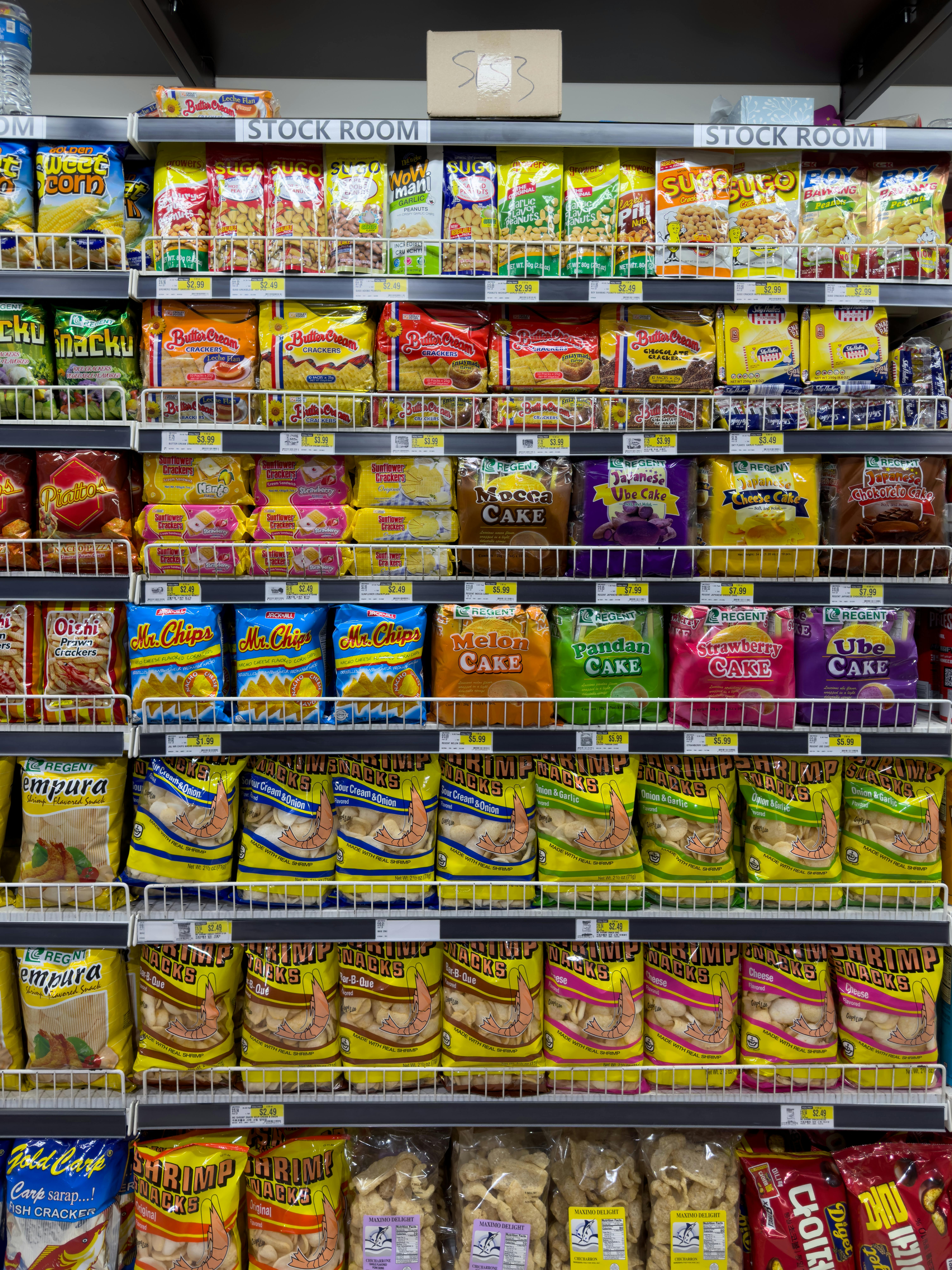
Normal does not always mean nutritionally balanced. American food culture has spent decades normalizing ultra-processed convenience foods through advertising, large portions, and routine consumption. When a product is everywhere, stocked in every supermarket, packed into school lunches, and served in offices or road trips, it starts to feel neutral even if its nutrient profile is not.
That familiarity can blunt risk perception. A shopper may question a neon-colored candy before questioning a turkey sandwich kit or a microwaveable rice bowl. Yet according to health authorities and many nutrition researchers, repeated exposure to high-sodium and high-saturated-fat packaged foods contributes meaningfully to long-term health burdens.
Canada's warning symbol challenges that cultural blind spot. It says, in effect, that everyday foods deserve scrutiny too. The label does not argue that one soup or one frozen meal is dangerous on its own, but it does signal that cumulative intake across a week or a lifetime matters.
What shoppers should take from the warning label debate

The biggest lesson is not that Canada is stricter for the sake of being strict. It is that food policy increasingly recognizes how real people shop. Most consumers do not stand in the aisle comparing milligrams and percentages for every product, so regulators are testing simpler tools that translate nutrition science into fast visual cues.
For shoppers, the practical response is straightforward. Compare similar products, watch sodium especially in soups and frozen meals, and remember that "organic," "natural," or "family favorite" says little about sugar, salt, or saturated fat. A warning symbol is not a reason for panic, but it is a useful prompt to check whether a product is an occasional convenience or a daily habit.
The broader debate will continue as companies adapt and consumers learn the symbols. But Canada's message is already clear: a food can be common, familiar, and still worthy of a giant warning label if its nutrition profile raises enough concern.




Leave a Reply