
Food automation is moving from factory floors to restaurant counters. In British Columbia, one startup is now getting public support to build robot arms designed for one of the most repetitive kitchen jobs of all: making salads.
Why this funding matters now

This announcement lands at a moment when food businesses are under pressure from every direction. Restaurants, cafeterias, and ready-to-eat food operators have been dealing with labor shortages, rising wages, and a constant need to keep service fast without sacrificing quality. Government funding signals that this is no longer a fringe experiment. It is being treated as part of a broader productivity strategy.
Public money also tends to do more than cover equipment costs. It helps young companies hire engineers, test prototypes, and prove that a machine can work reliably in a real kitchen, not just in a lab. For British Columbia, backing a local robotics company is also an economic development play. If the technology succeeds, it could create a domestic foothold in a global food automation market that is expanding quickly.
What the robot arms are actually designed to do
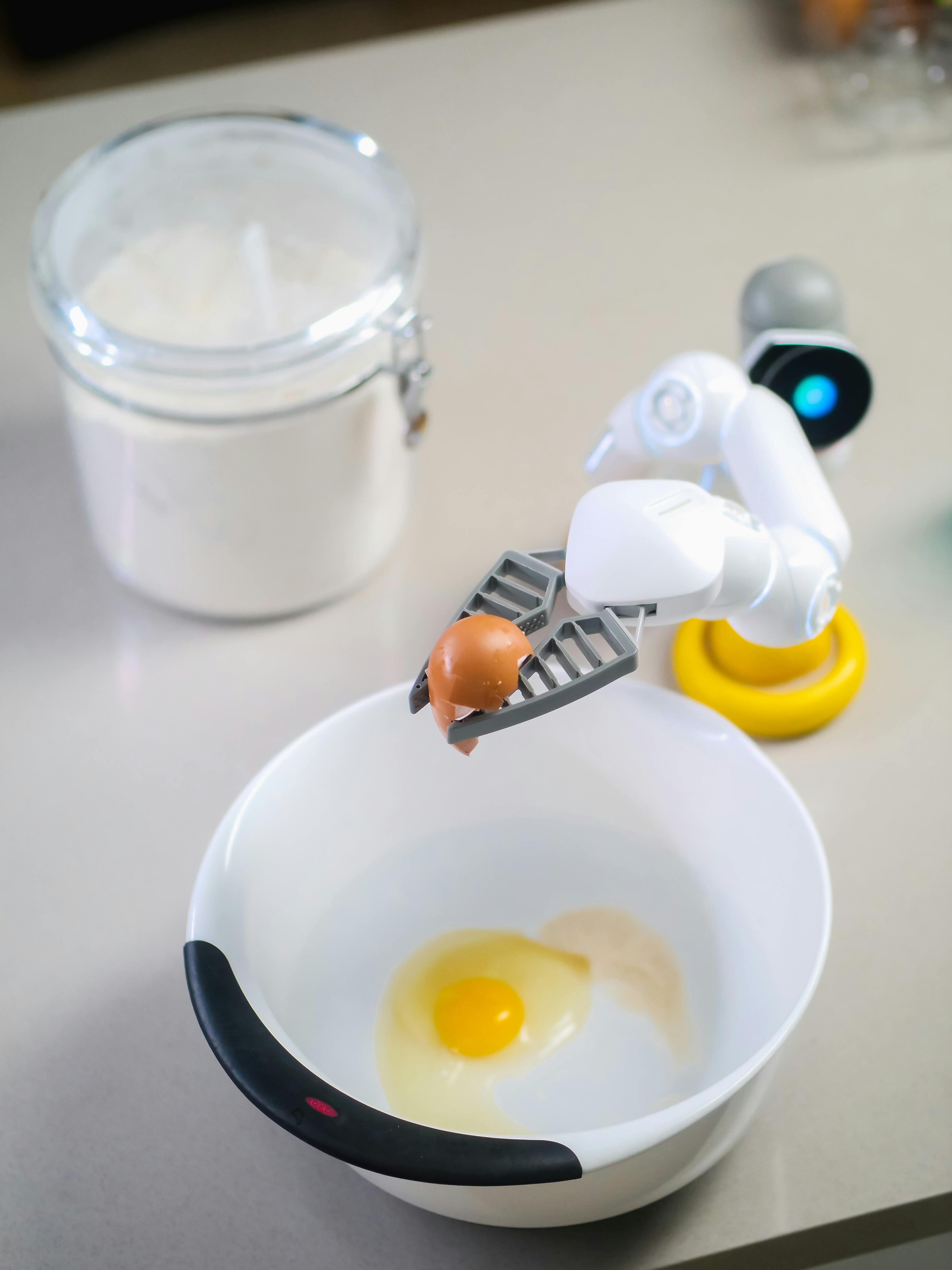
At first glance, making a salad sounds simple. In practice, it involves a chain of repetitive, precise motions: grabbing containers, portioning ingredients, switching tools, avoiding cross-contamination, and keeping pace during lunch rushes. Robotic arms are well suited to this kind of structured task because they can repeat the same movement thousands of times with very little deviation.
The most advanced systems combine the arm itself with vision sensors, grippers, dispensers, and software that can recognize bowls, ingredients, and portion sizes. That means the machine is not just moving items from one place to another. It is following a recipe, measuring ingredients consistently, and adapting to slight changes in layout. In food service, that consistency matters because customers notice when portions vary widely from one order to the next.
The bigger problem this startup is trying to solve
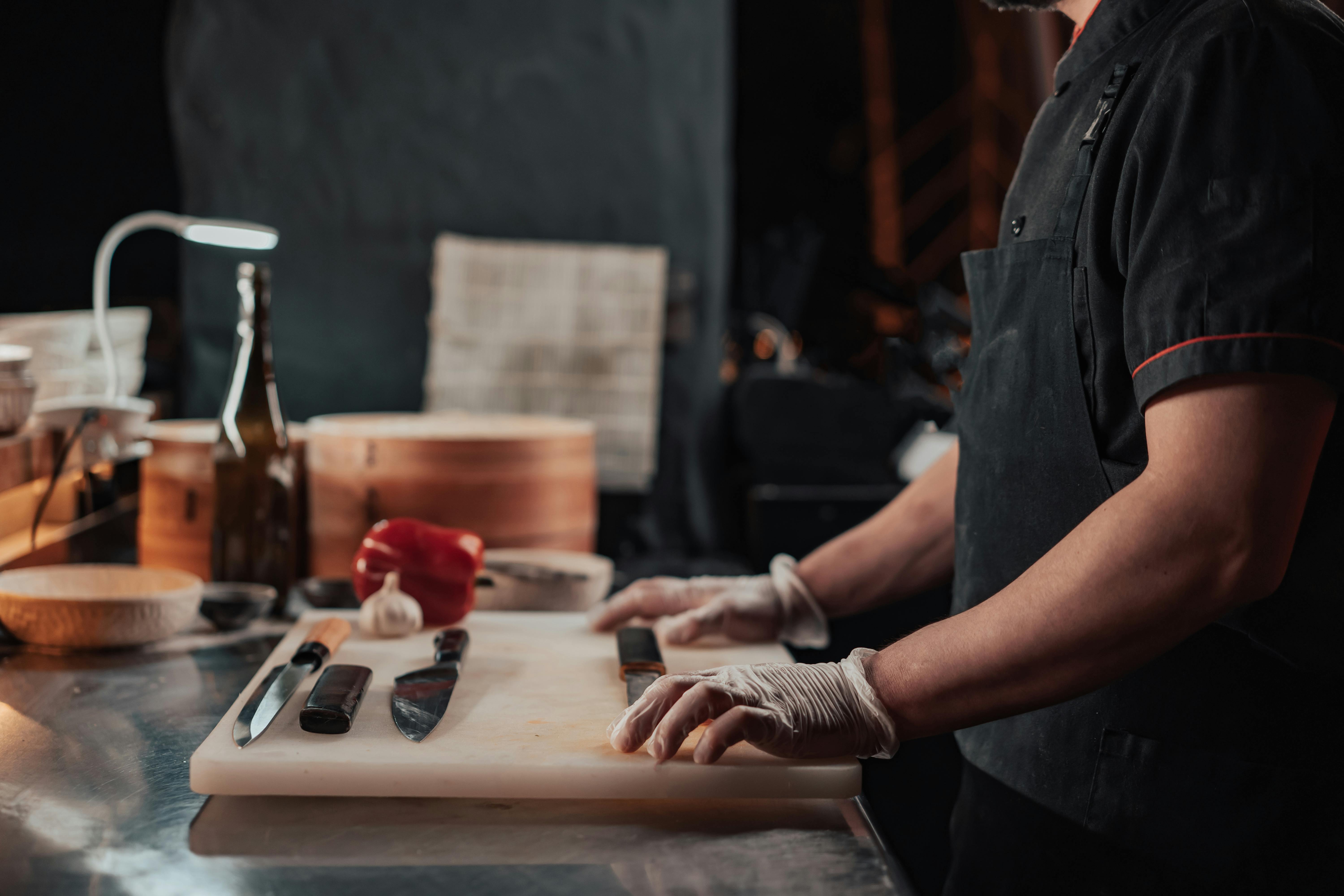
Here is the real business case: kitchens are struggling to staff repetitive stations. Salad prep, bowl assembly, and ingredient portioning are essential jobs, but they are also physically repetitive and hard to fill consistently. Many operators would prefer to move workers into higher-value roles such as customer service, quality checks, and oversight rather than have them spend entire shifts scooping toppings.
There is also a safety and waste angle. Automated portioning can reduce over-serving, which directly affects food costs. Robots can also minimize unnecessary hand contact with ingredients, which matters in settings where food safety protocols are tightly monitored. None of this means humans disappear from the kitchen. More often, automation changes the mix of work by assigning repetitive tasks to machines and judgment-based tasks to people.
Why governments are interested in food robotics

This is not just about one startup or one salad station. Governments increasingly see robotics as a way to strengthen local manufacturing, support innovation, and improve resilience in essential sectors. Food supply and food service sit close to everyday life, so technologies that make those systems more efficient often attract policy attention, especially when they can be developed locally.
Canadian public funding programs frequently aim to help startups cross the hardest gap in innovation: the stretch between a promising prototype and commercial adoption. That phase is expensive and risky. A company may have strong engineering but still need capital to refine hardware, pass safety requirements, and run pilot projects with customers. Public support can make the difference between a clever idea and a product that actually reaches kitchens.
What success would look like in the real world
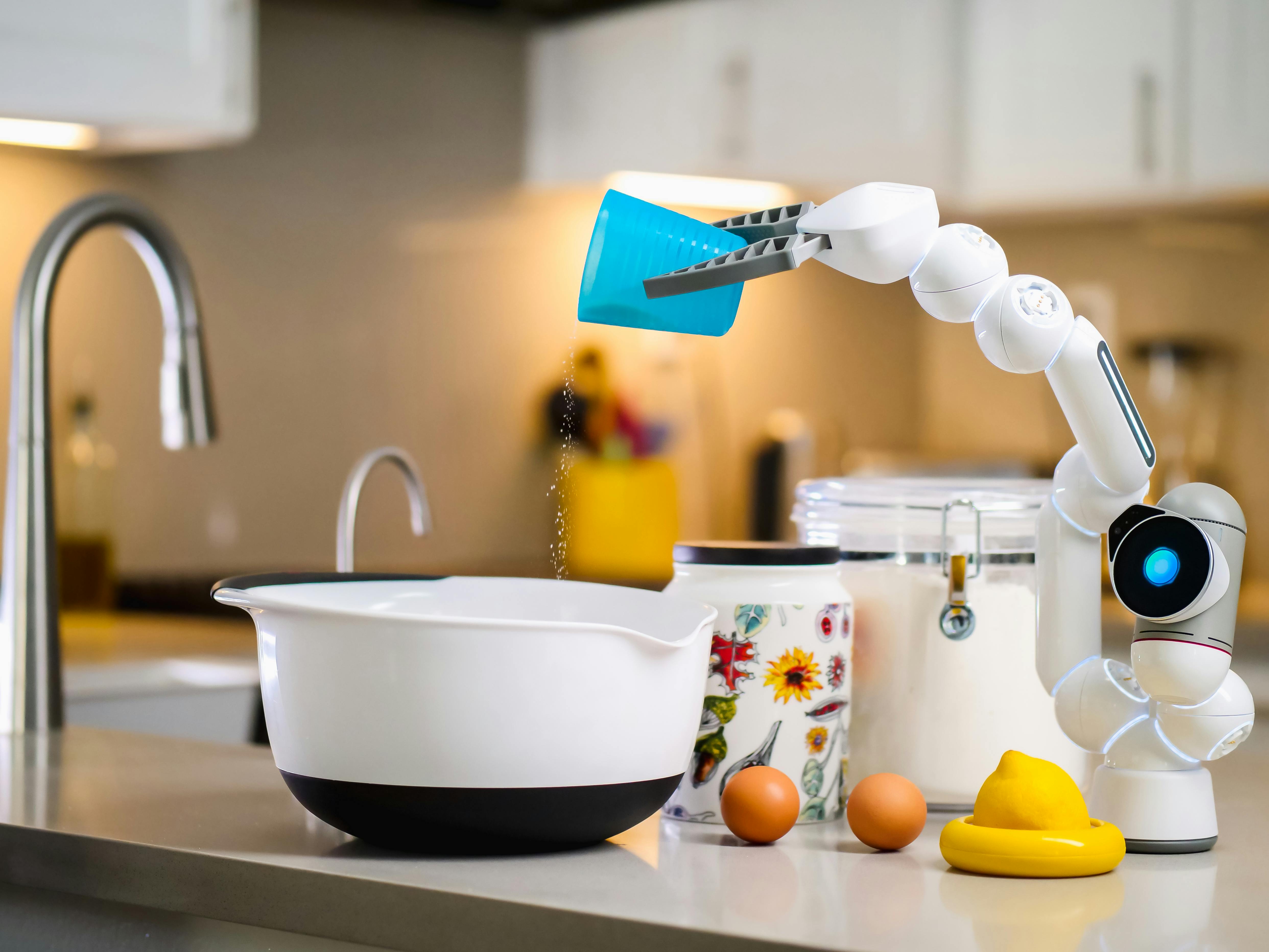
If this BC company delivers, success will not be measured by novelty alone. It will come down to whether the robot can operate through busy service periods, maintain food-safe performance, and fit into the economics of a commercial kitchen. Restaurant operators will want proof that the machine saves time, lowers waste, and pays for itself within a reasonable period.
Early deployments will likely happen in controlled environments such as corporate cafeterias, institutional food service, or high-volume quick-service concepts where menus are standardized. Those are the places where robotic systems usually gain traction first. If the startup can show reliable output, easy cleaning, and straightforward staff training, it will have a far better chance of moving from pilot status into scaled adoption.
What this says about the future of your lunch
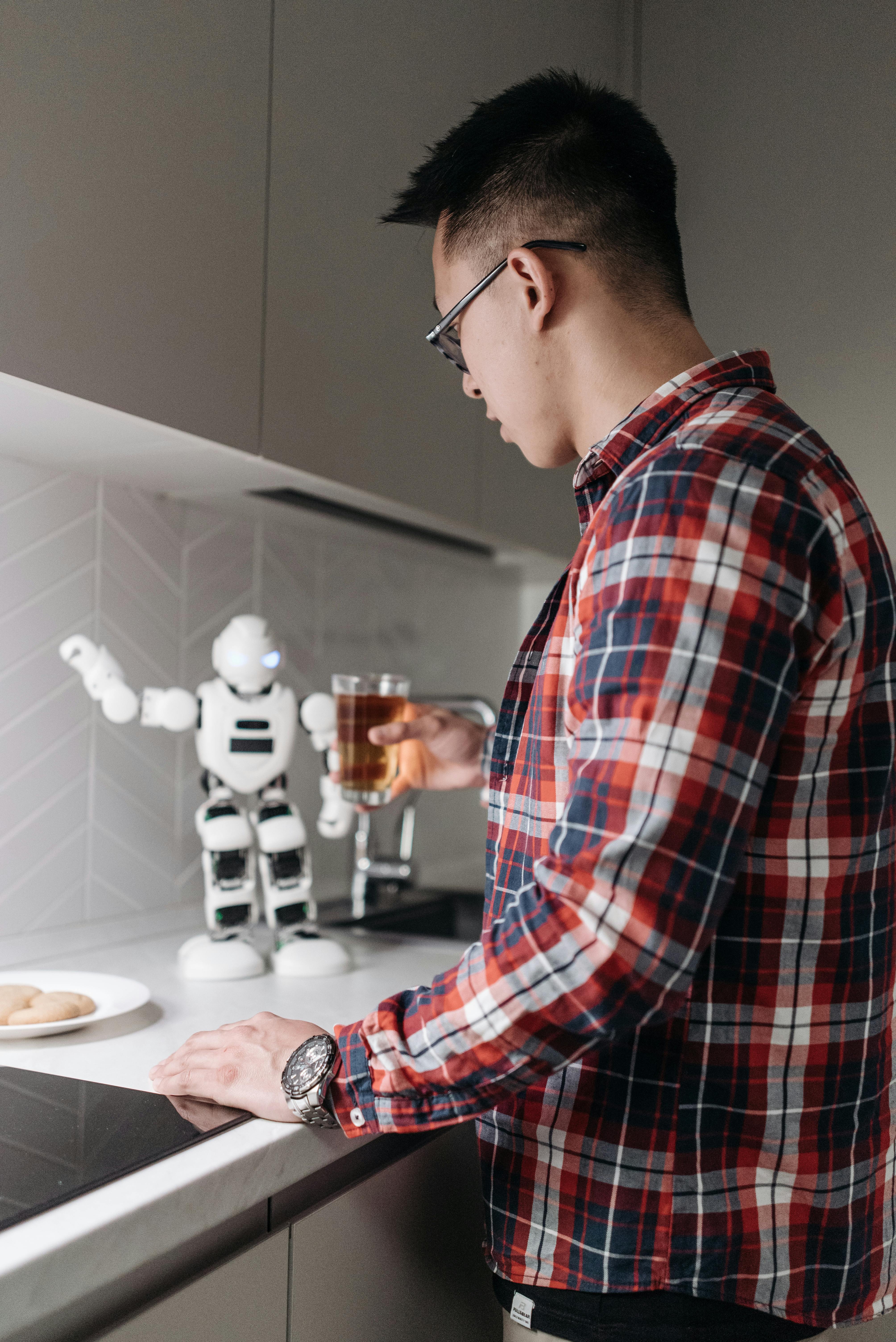
A robot arm making your salad may sound futuristic, but the logic behind it is very current. Food businesses want speed, consistency, and predictable costs. Workers want safer, less repetitive jobs. Governments want local companies building technologies that can compete internationally. This project sits at the intersection of all three.
The deeper story is not that robots are taking over lunch. It is that food preparation is becoming another major area where automation supports human labor rather than simply replacing it. If this startup turns government backing into a dependable product, the result could be a new kind of kitchen workflow, one where machines handle the repetitive motions and people focus on service, supervision, and quality.




Leave a Reply