
Restaurants are always chasing what feels new, but chefs often see the downside before diners do. These nine trends are drawing the most fatigue in 2026 because they can distract from flavor, slow service or make a meal feel more like content than hospitality.
QR code only menus
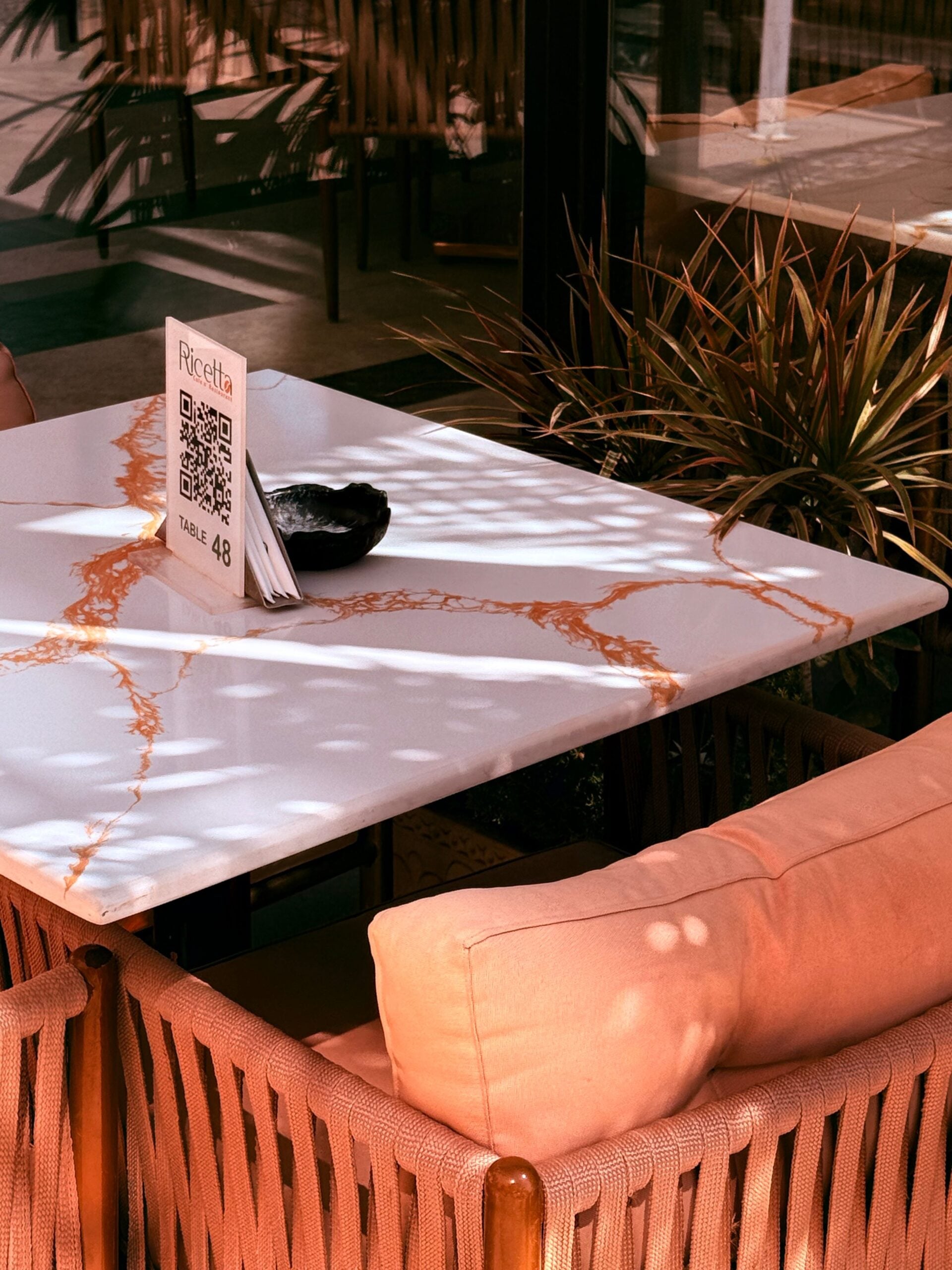
What started as a practical pandemic workaround has become a lasting irritation in many dining rooms. Chefs and operators often like QR code menus because they are easy to update, but guests and front-of-house staff regularly point out the tradeoff: a restaurant meal begins with staring at a phone instead of engaging with the space, the server or the food.
The bigger issue is access. Not every diner wants to scan, zoom and scroll in low light, and not every table wants to pass one phone around. When restaurants rely on a digital menu alone, they can make ordering feel less personal and less intuitive. Many chefs are ready for a reset that uses technology as a backup, not the entire experience.
Overbuilt smash burgers
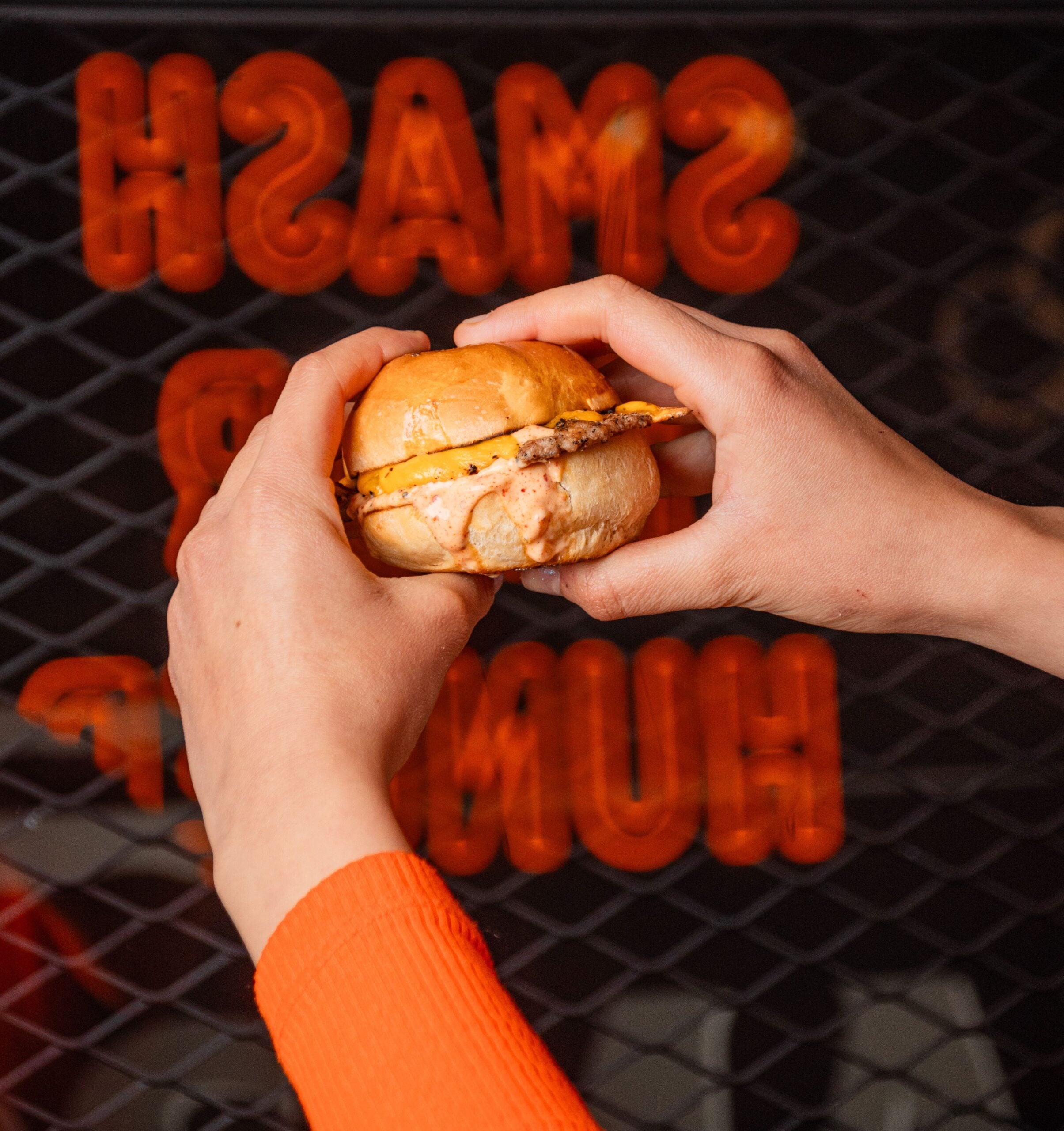
A good smash burger is supposed to be simple. The style caught on because of its crisp edges, fast cook time and straightforward appeal. In many restaurants, though, that idea has drifted into towering burgers stacked with too many sauces, onions, cheeses and trendy add-ons that turn a quick pleasure into a messy balancing act.
Chefs who are tired of this trend usually make the same point: once the burger gets too thick or overloaded, it stops being a smash burger in spirit. The hallmark texture disappears, and the bun often collapses before the meal is halfway done. What was once a back-to-basics format now too often looks designed for photos first and actual eating second.
Caviar on everything
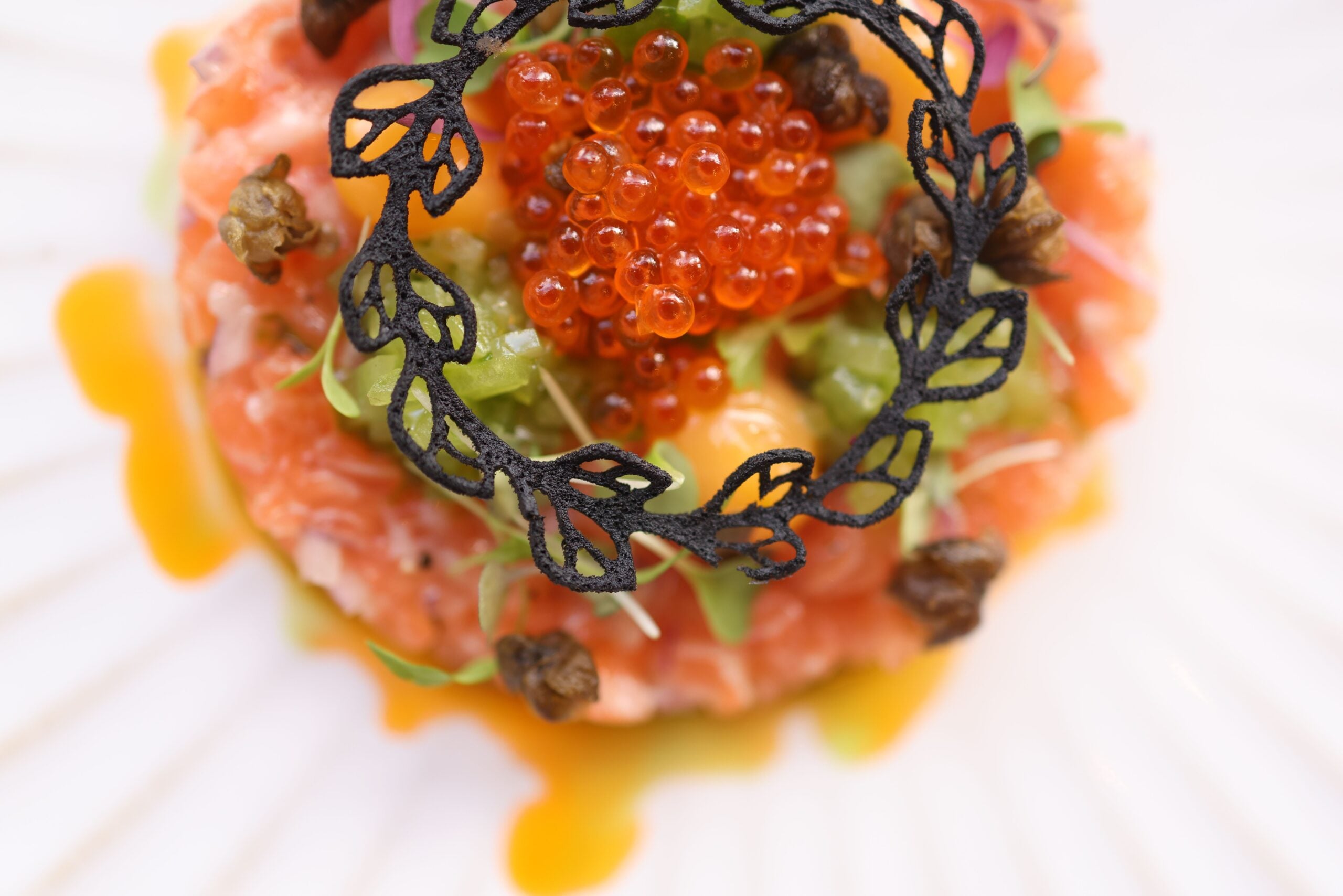
There was a time when caviar on a dish instantly signaled luxury. In 2026, many chefs see it as a shortcut that can flatten originality instead of adding real thought. A potato dish, pasta course or fried snack does not automatically become better just because it arrives topped with a spoonful of roe and a higher price.
The frustration is not with caviar itself. Used carefully, it brings salinity, texture and a distinct pop. The problem is indiscriminate use, especially when the ingredient feels disconnected from the rest of the plate. Chefs increasingly criticize this habit because it can read as lazy status signaling, a way to market a dish as premium without building deeper flavor or stronger technique.
Tableside theatrics
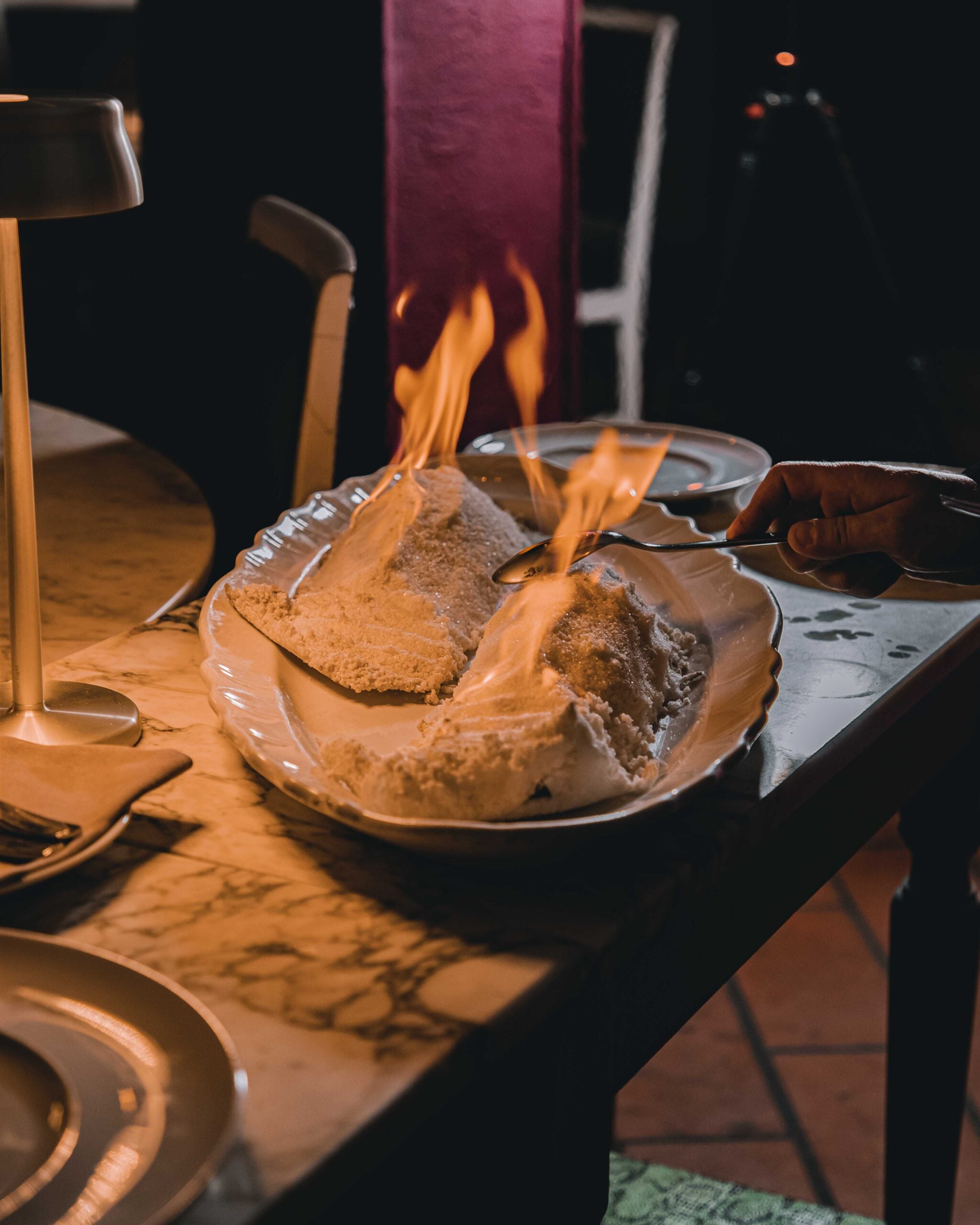
A little ceremony can still be charming. Carving a roast, finishing a pasta or pouring a sauce in front of the guest can create a sense of occasion. But in many restaurants, tableside service has turned into performance for social media, with smoke, sparks, oversized pepper mills and extended presentations that interrupt the natural flow of a meal.
Chefs often object when the show begins to overshadow the food. Dining rooms run less smoothly, servers spend more time staging moments and dishes can cool while everyone waits for the reveal. The best tableside moves still serve a culinary purpose, but the trend loses support when it feels more like scripted content than hospitality.
Tasting menus that drag on
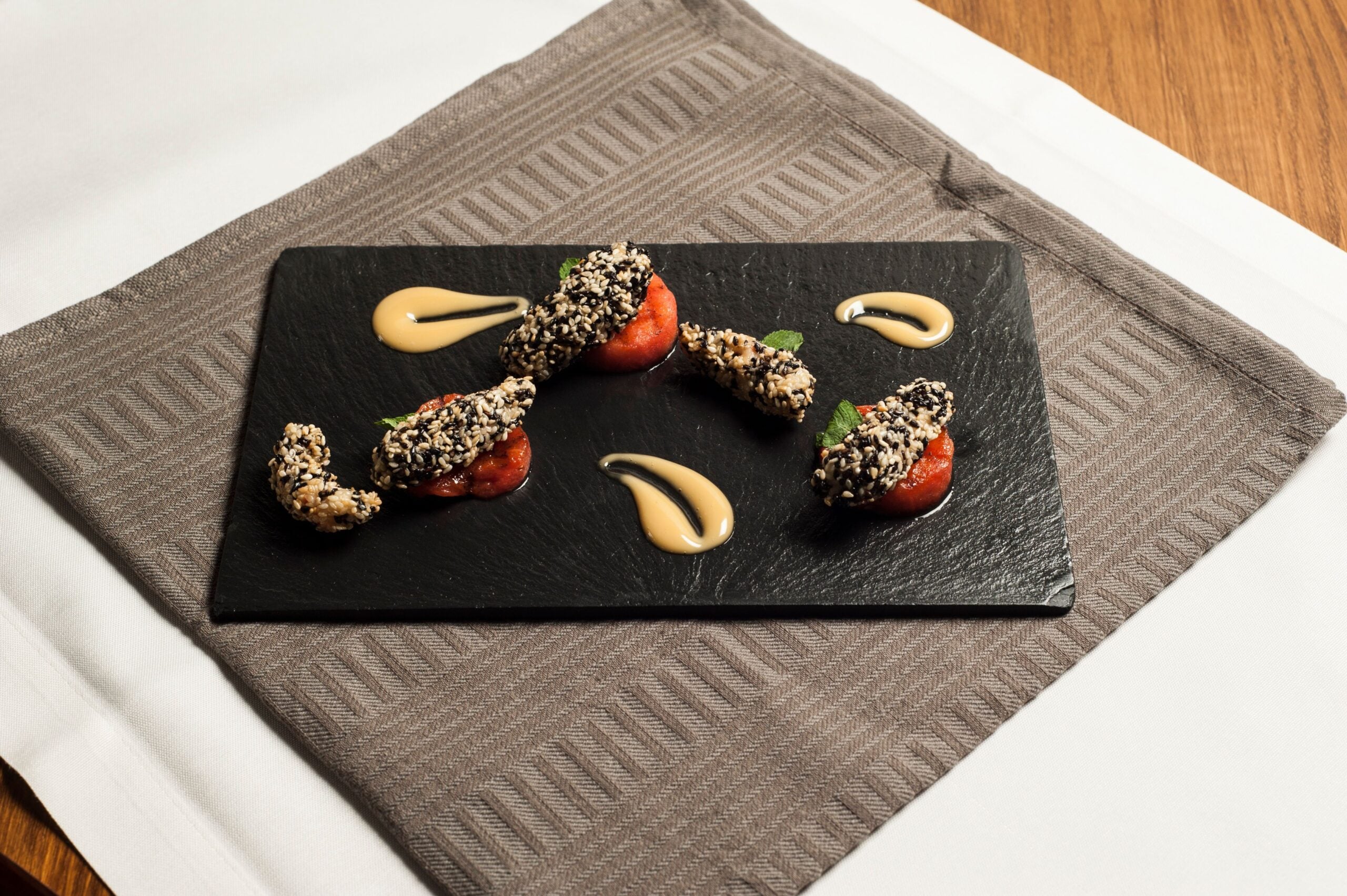
Long tasting menus still have a place, especially in fine dining, but many chefs say the format became bloated. What might have once felt generous can now feel exhausting when a meal stretches deep into the night with too many small courses, repeated concepts and long pauses between bites.
The complaint is partly creative and partly practical. Diners can lose focus, kitchens have more points of failure and the strongest dishes may get buried in the middle. Chefs who are pushing back on this trend are not rejecting tasting menus outright. They are arguing for tighter editing, clearer pacing and fewer courses that each have a reason to be there.
Hot honey on every menu
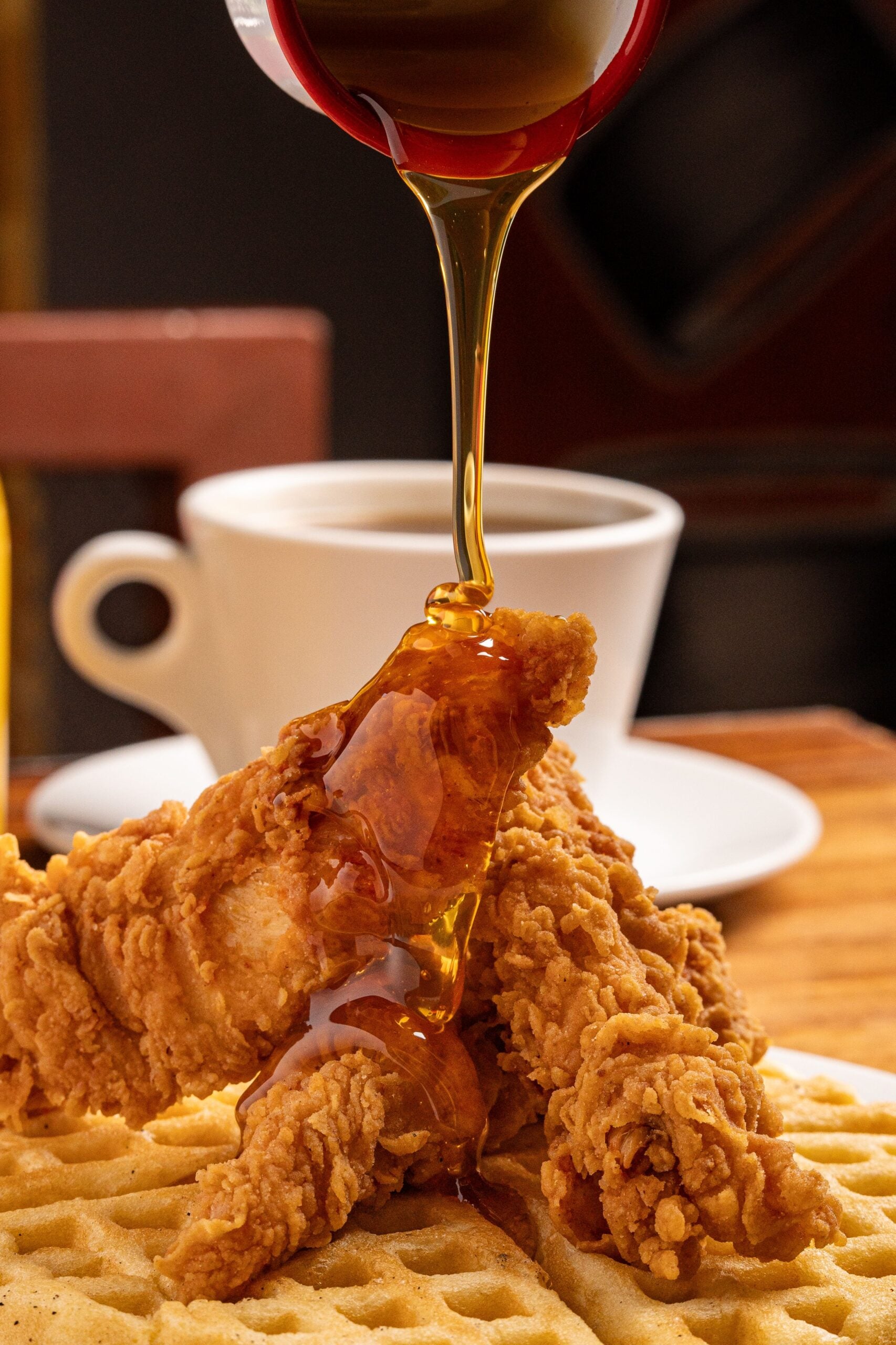
Hot honey had an impressive run because it works. The mix of sweetness and chile heat can lift pizza, fried chicken, biscuits and roasted vegetables. By 2026, though, chefs are increasingly treating it as a default flavor move, one that appears so often it risks making menus feel interchangeable.
That fatigue comes from repetition more than flavor. When the same condiment lands on dish after dish, it can crowd out more regionally specific sauces, relishes and spice blends. Chefs who are moving away from it are not denying its appeal. They are reacting to how quickly a once-smart accent became a catchall answer for adding contrast, gloss and a familiar buzzword to a plate.
Maximalist milkshakes and desserts
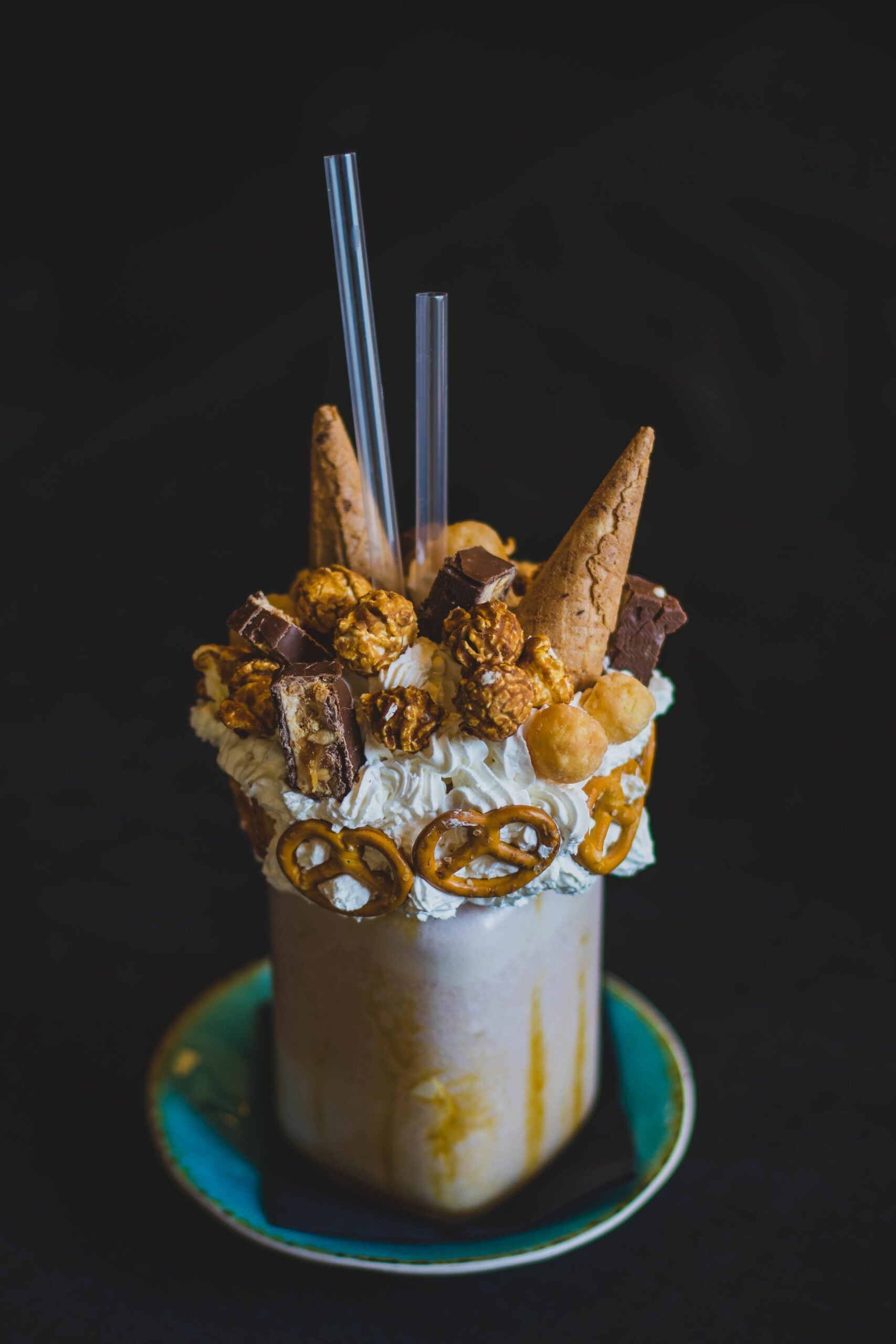
Some desserts are now built like stunts, with towering whipped cream, whole slices of cake, candy bars, cookies and syrups stacked into one glass or plate. These creations are undeniably eye-catching, but chefs often see them as a sign that balance and craft are losing ground to spectacle.
There is also a practical problem. Overloaded desserts can be difficult to serve, awkward to share and less satisfying to eat than a simpler sweet that gets texture and sweetness right. Many pastry chefs are tired of spending labor on giant garnishes that add little to flavor. In their view, dessert works best when it ends a meal cleanly, not when it tries to become the entire event.
Faux scarcity drops
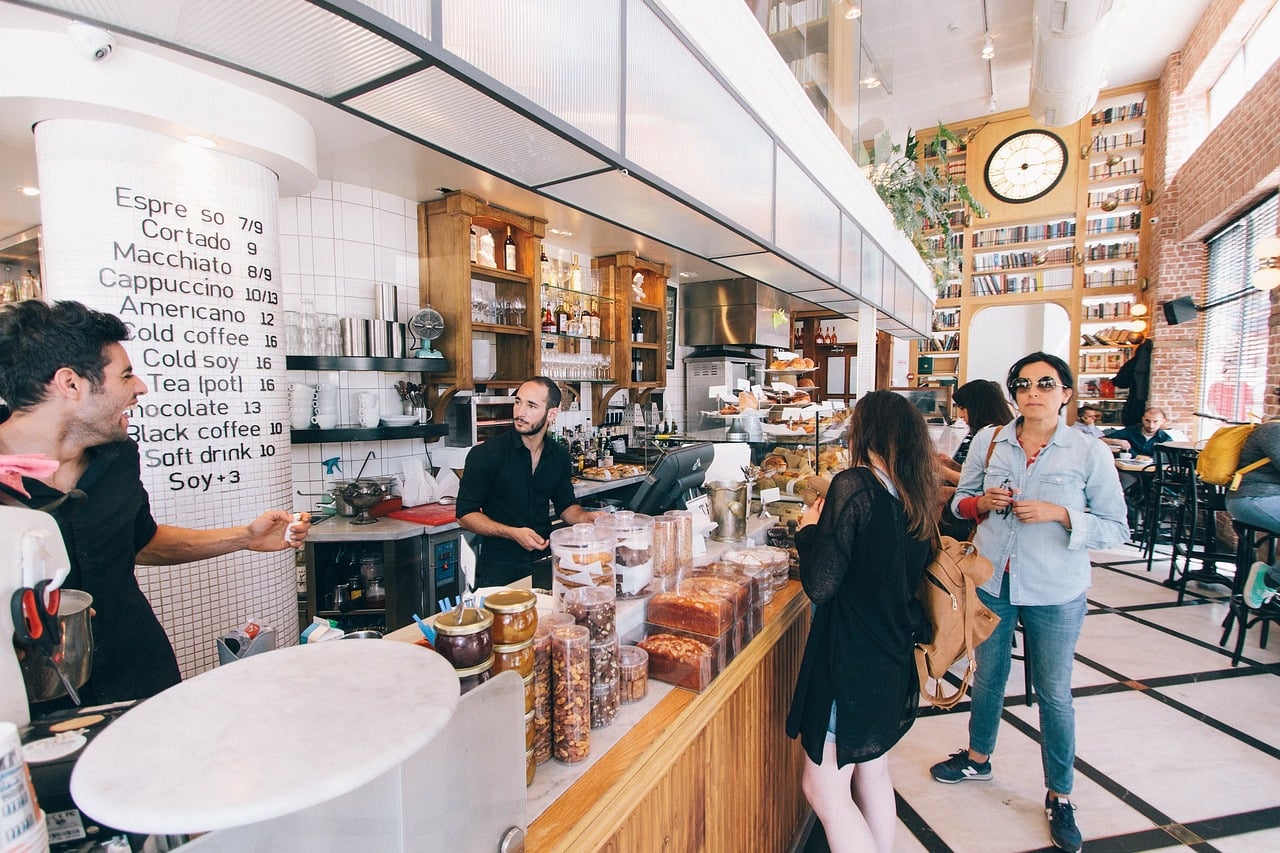
Some restaurants now release limited sandwiches, pastries or reservation-only specials in hype-driven drops modeled after streetwear culture. The tactic can create buzz, but chefs are increasingly skeptical of the strain it places on staff and regular guests, especially when the scarcity feels manufactured rather than necessary.
A genuinely limited item can make sense if an ingredient is seasonal or supply is tight. The backlash starts when restaurants use artificial restriction as marketing theater, pushing urgency over consistency. Chefs who dislike this trend say it can distort what restaurants are supposed to offer: reliable cooking, welcoming service and a reason to return even when there is no countdown attached.
Tiny portions with luxury pricing
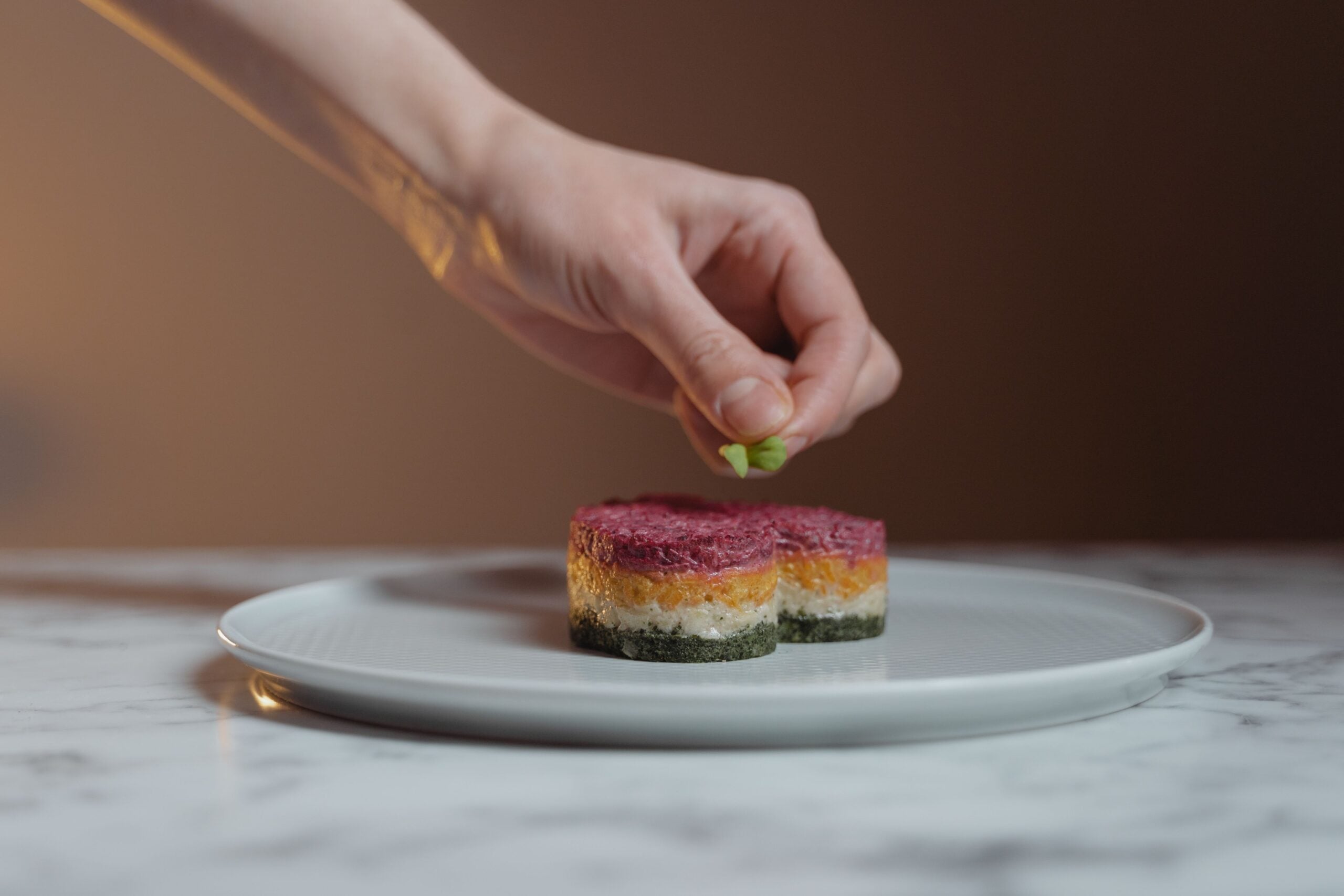
Diners expect some markups in restaurants, especially when labor, rent and ingredient costs are high. Even so, chefs are increasingly wary of the industry habit of serving very small portions at premium prices while framing the result as refinement. When the plate looks sparse without a clear reason, guests often leave feeling managed rather than cared for.
This trend has become especially sensitive because value is not just about portion size, it is about satisfaction. A carefully composed dish can absolutely be small, but it still needs enough flavor, richness and intent to feel complete. Chefs who are tired of this pattern argue that hospitality depends on trust, and that trust erodes when the price suggests abundance the plate never delivers.

Leave a Reply