
For Gen Alpha, the grocery store can feel like a museum of recent history. Items that Millennials and Gen X grew up seeing every week, from metal cans with pull tabs to paper order forms at the deli, now look like artifacts from a more analog food era.
Canned fruit cocktail
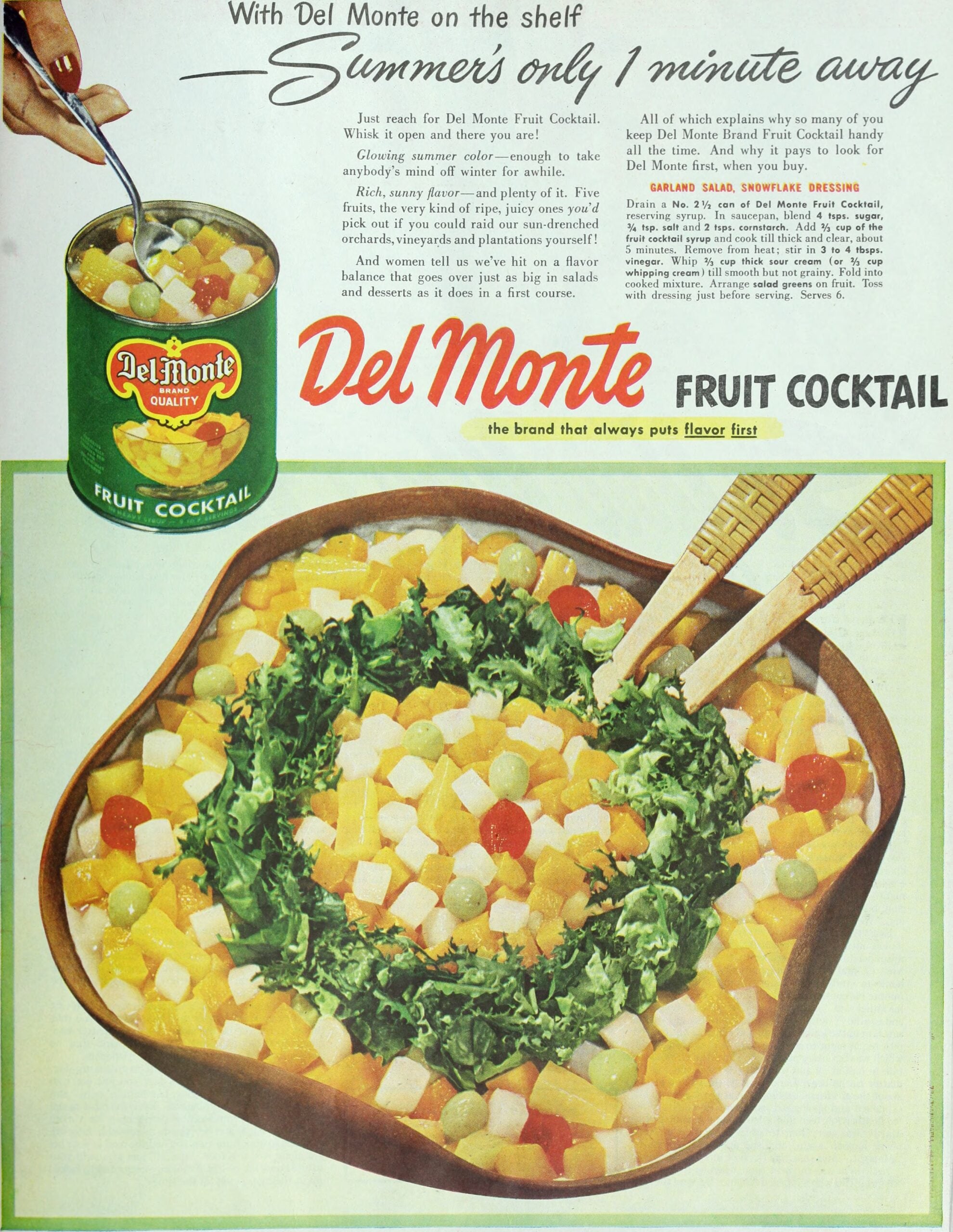
Few grocery items say school lunches and pantry shelves quite like fruit cocktail in a can. For many adults, it was a standard mix of diced peaches, pears, grapes, pineapple and a bright red cherry or two, packed in syrup and opened with a hand can opener if the pull tab was missing.
To Gen Alpha, the whole setup can seem old-fashioned. Fresh-cut fruit cups, refrigerated snack packs and resealable pouches fit the way many families shop now. Canned fruit still has a place because it lasts for months and reduces waste, but its texture and heavy syrup can feel very different from the fresher formats kids see most often. What once felt practical now reads as retro pantry food.
Frozen TV dinners in aluminum trays
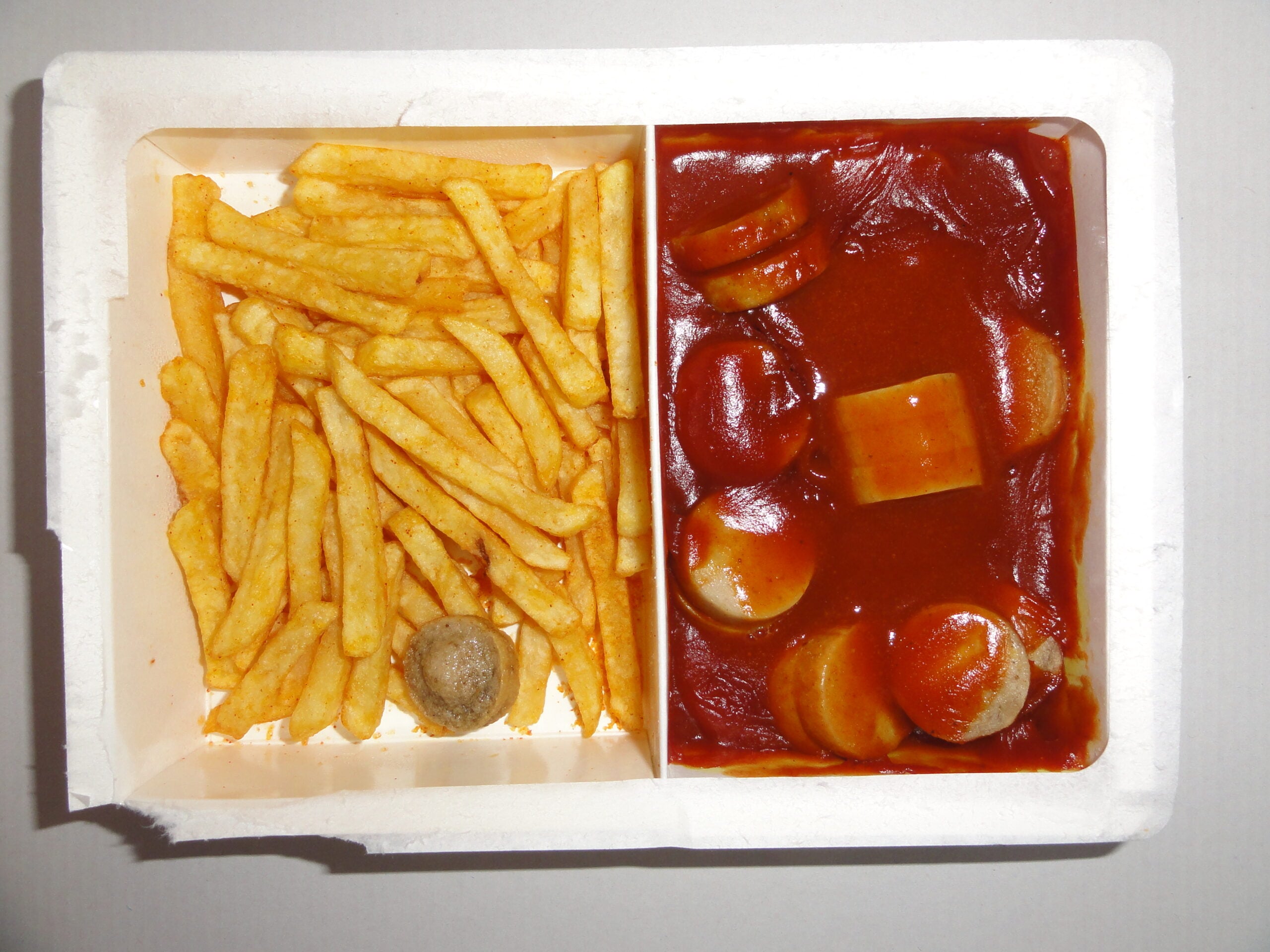
The classic TV dinner was built for a very specific kind of convenience. It came in a compartmentalized aluminum tray, often with meat, potatoes and a dessert, and it was designed for the era when eating in front of the television felt modern.
That image has aged fast. Today's frozen meals usually come in microwave-safe bowls, steam bags or fiber trays, with nutrition callouts and global flavors on the box. Aluminum tray dinners still exist, but to younger shoppers they can look like props from an older kitchen. The format also carries clues from another time, including oven heating instead of app-timed air fryer routines and a stronger link to scheduled family TV time.
Tang powdered drink mix

Tang has one of those grocery store identities that instantly places it in another period. A bright orange powder in a jar or tub, mixed by hand with water, it represents an age when shelf-stable convenience and novelty were major selling points.
Kids growing up with flavored sparkling water, electrolyte sticks and refrigerated probiotic drinks can see powdered orange drink as a relic. Its appeal was never just taste. It was portability, long storage and the ritual of stirring up a pitcher at home. That ritual matters here. Gen Alpha is used to drinks that are grab-and-go, individually portioned and often marketed around wellness, hydration or low sugar, which makes the old mix-it-yourself powder feel especially vintage.
Paper deli order tickets
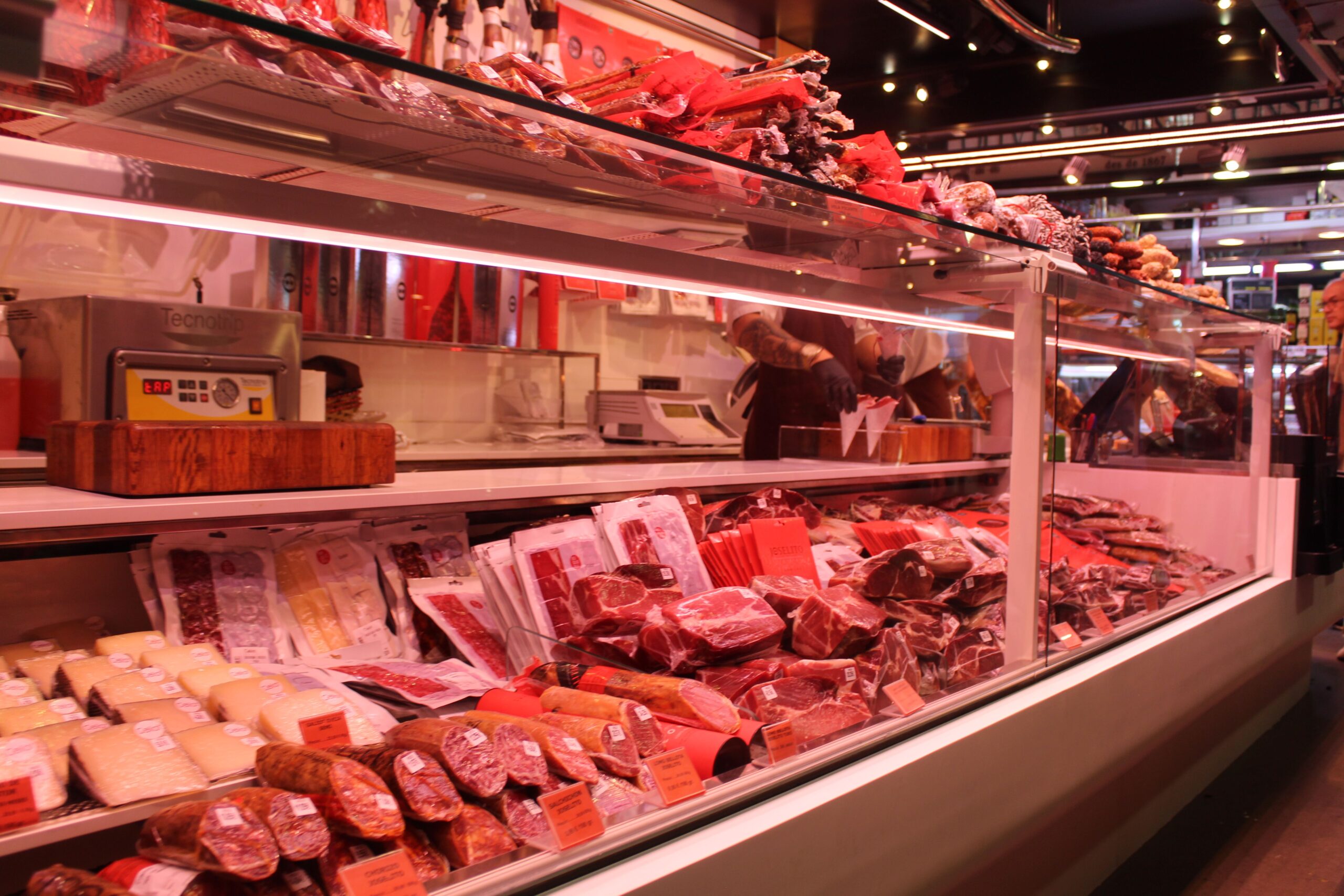
Not every vintage grocery item is food. In many supermarkets, the deli counter once relied on paper number tickets or handwritten order slips, and customers waited while staff sliced turkey, ham or American cheese to order.
For Gen Alpha, that analog process can look surprisingly unfamiliar. Digital queue screens, prepacked charcuterie, app ordering and self-checkout have changed the rhythm of grocery shopping. The deli counter still survives because custom slicing offers freshness and control over thickness, but the paper ticket system belongs to an earlier retail style. It reminds shoppers that grocery stores used to depend more on person-to-person service and a lot less on touchscreens and notifications.
Shelf-stable pudding cups
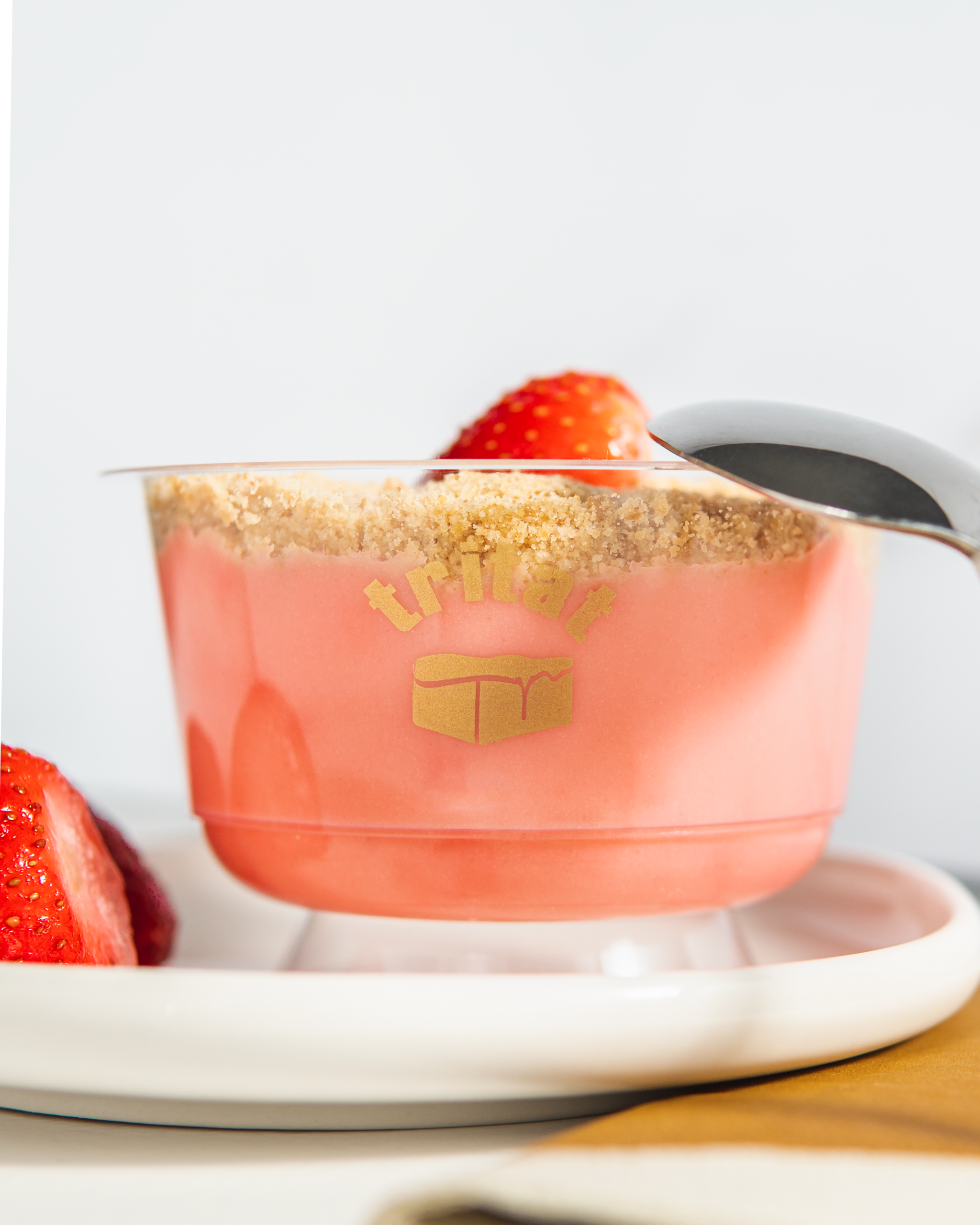
Shelf-stable pudding cups were lunchbox regulars for years. They could sit in the pantry, travel easily and show up in multipacks with chocolate, vanilla or butterscotch, making them a dependable snack in households that valued convenience.
That reliability is exactly why they can seem vintage now. Refrigerated yogurt pouches, protein puddings and plant-based desserts have taken over much of the same snacking territory. Packaging has changed too. A foil-topped plastic cup that does not need refrigeration can feel oddly old-school to kids used to cold-chain products and ingredients marketed as fresh, high-protein or dairy-free. The pudding cup still works, but it belongs to an earlier version of the snack aisle.
Block government cheese style packs
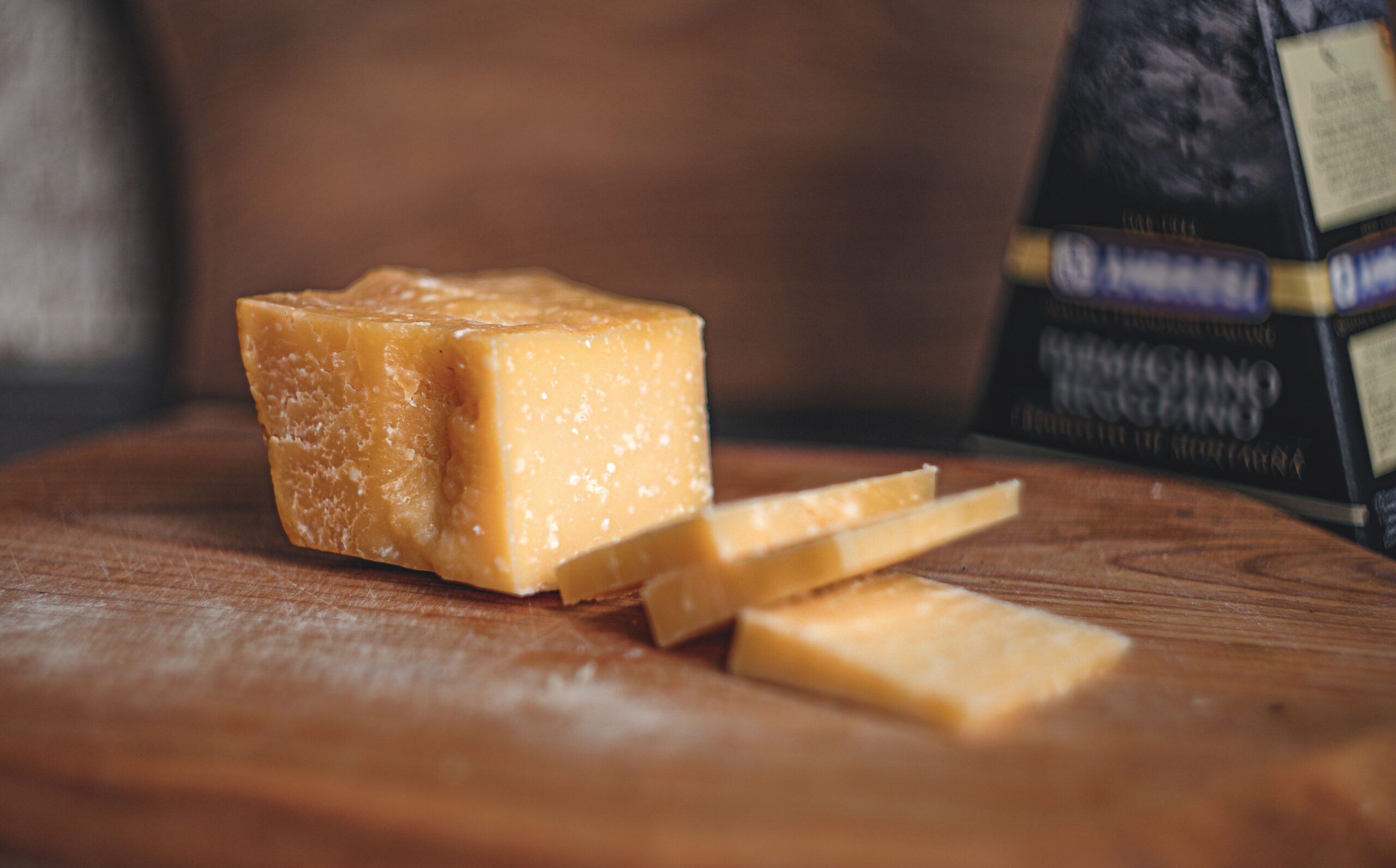
Large blocks of processed cheese have a strong cultural memory in the United States. Many adults remember rectangular loaves wrapped for the fridge, sliced at home for sandwiches, grilled cheese or macaroni, and associated with both value shopping and institutional food.
To younger shoppers, that format can feel far removed from shredded blends, cracker cuts and individually wrapped snack portions. Cheese now often arrives presliced, resealable and targeted to a specific use, from taco night to school snacks. A big block asks for a knife, a cutting board and a little planning. That small bit of kitchen labor is part of why it reads as vintage. The product is not ancient, but the way it expects people to cook certainly feels older.
Cereal in bag-lined cardboard boxes
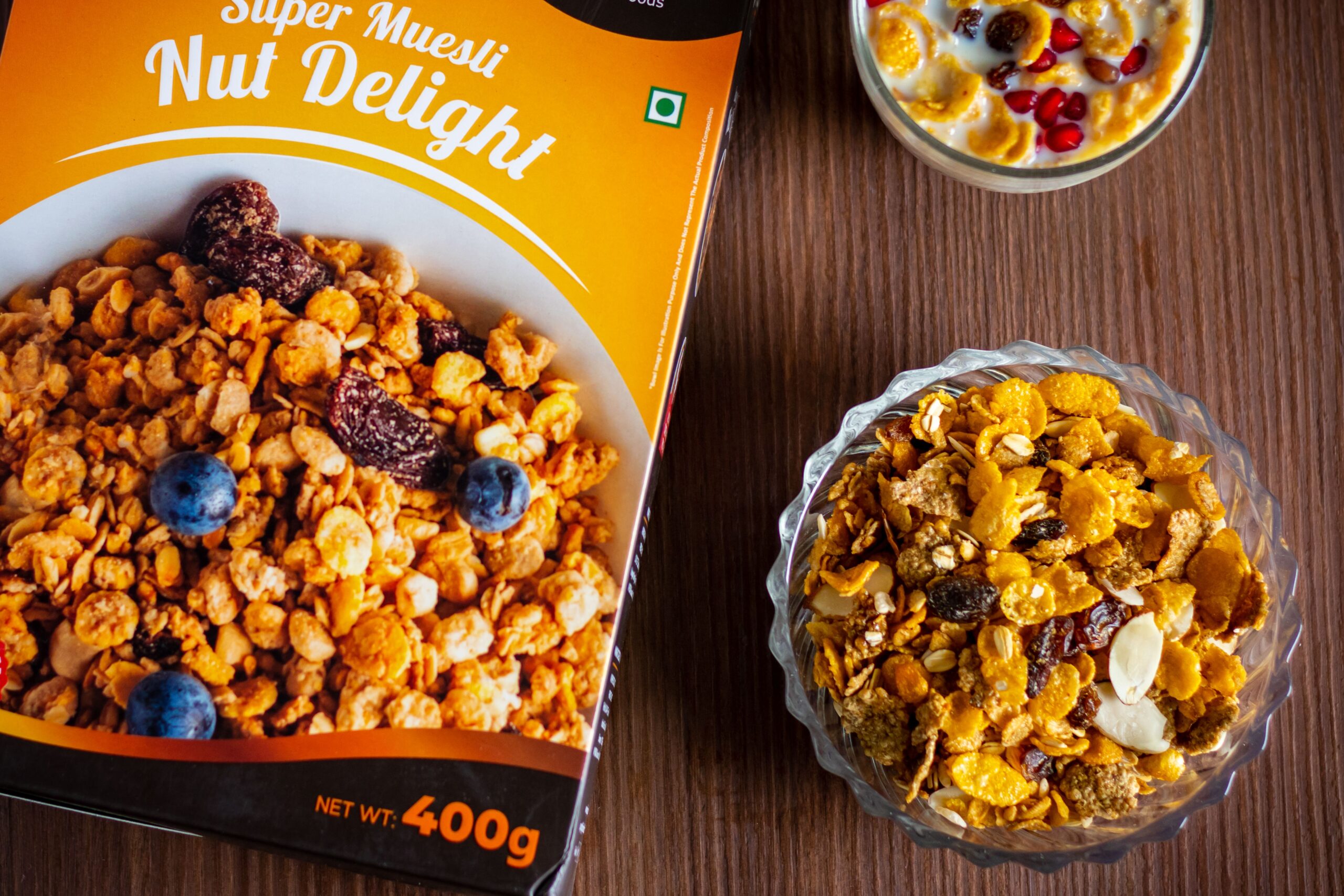
The cereal box remains common, but its old role as a breakfast centerpiece has shifted. For earlier generations, a full-size cardboard box with a waxy or plastic inner liner sat on the table while kids read games and puzzles printed on the back.
That whole experience now looks dated beside portioned cups, protein bars, frozen breakfast sandwiches and higher-protein yogurt. Many kids also eat breakfast on the move, which makes the sit-down cereal ritual less central than it once was. Even the packaging tells the story. Pouring from a crinkly inner bag hidden inside a tall box feels like a legacy system from a pre-single-serve, pre-delivery, pre-subscription-snack era.
Canned evaporated milk
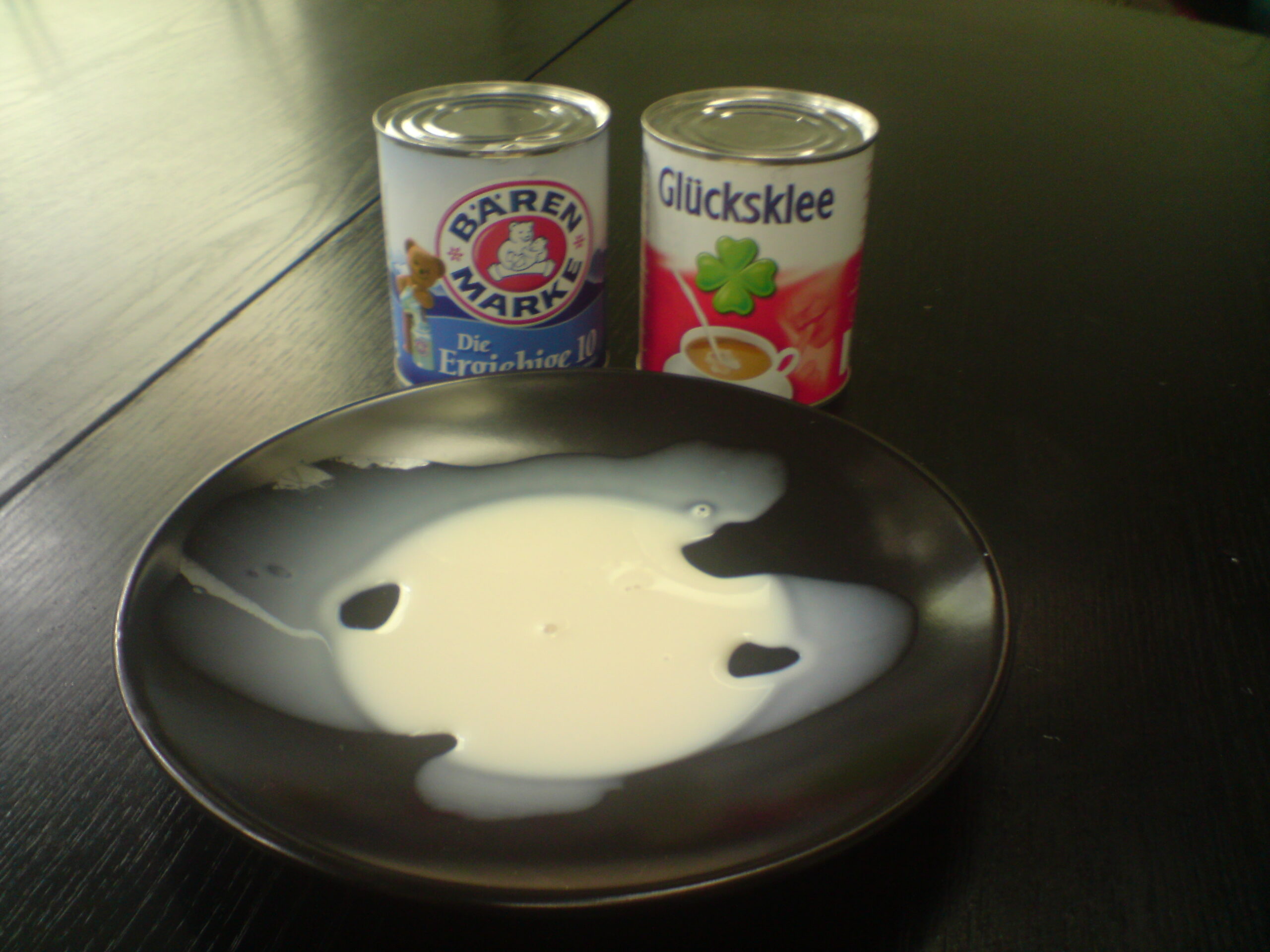
Evaporated milk is still useful, but it carries a clear echo of older cooking habits. It is regular milk with much of the water removed, sold in a can for long shelf life and used in dishes like pie fillings, casseroles, soups and creamy desserts.
For Gen Alpha, canned milk can sound almost contradictory. They are growing up in a market filled with fresh dairy, ultra-filtered milk and a wide range of plant-based options in refrigerated cartons. Evaporated milk made sense when pantry stability mattered deeply and fewer shopping trips were common. It still performs well in recipes, especially baking, but its canned format and specific kitchen role make it feel tied to another era of home cooking.
Jell-O gelatin dessert boxes
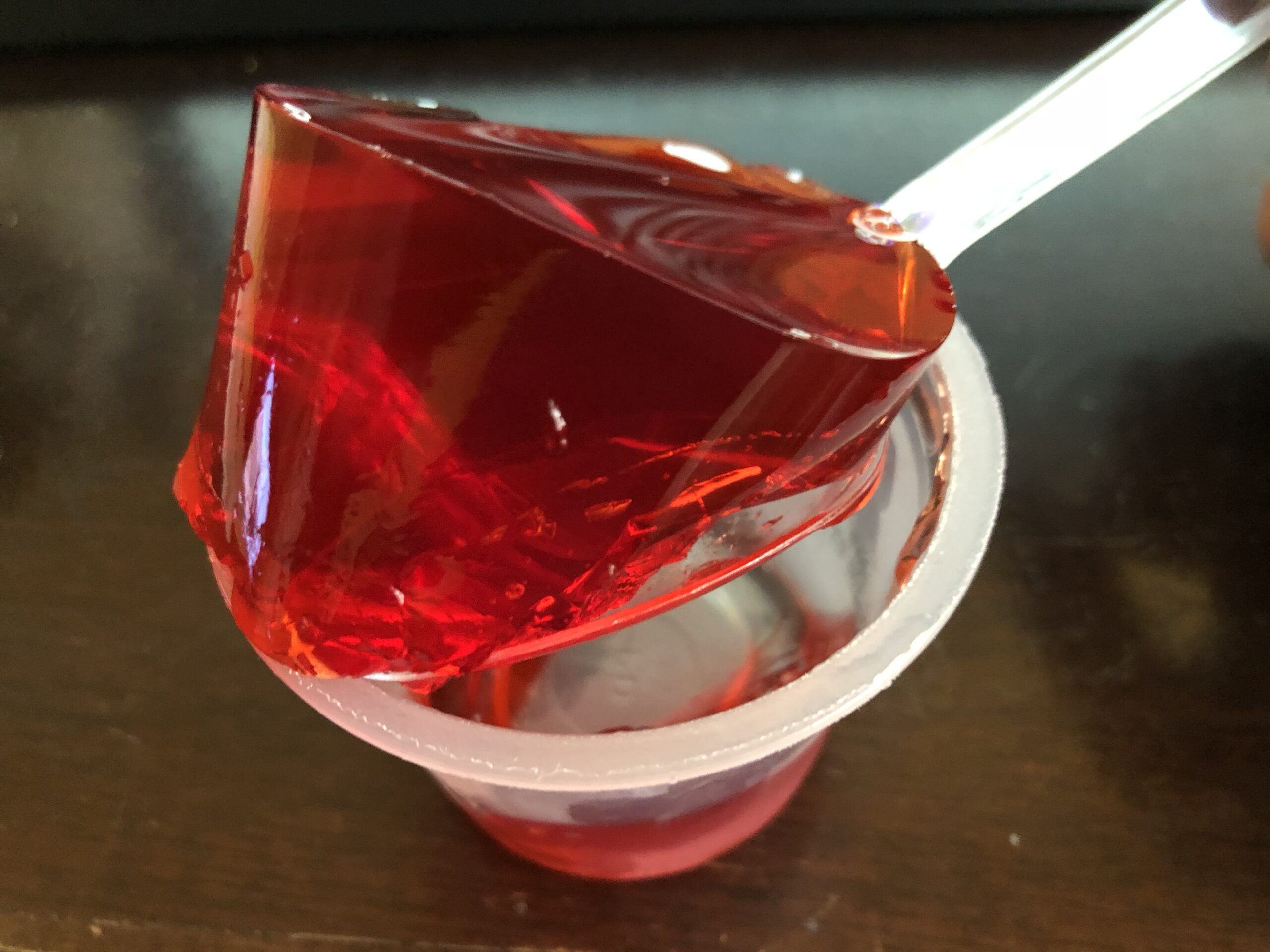
Boxed gelatin dessert captures a very specific kind of mid-century grocery logic. It is inexpensive, brightly colored, shelf-stable and transformed at home with hot water, cold water and a wait in the refrigerator.
That process is a big reason Gen Alpha may see it as vintage. Many modern snacks promise instant use, minimal prep and fewer dishes. Gelatin asks for a bowl, measuring and patience, and it often brings back images of molded desserts, potlucks and family gatherings that already feel historical to younger kids. The box still sells because it is affordable and familiar, but it now reads less like a daily staple and more like a preserved food tradition.

Leave a Reply