
A lot of produce gets trimmed, peeled, or chopped before it ever reaches the plate. In many cases, those scraps still have flavor, texture, or practical value, and a few smart habits can turn them into stock, snacks, garnishes, and even new plants.
Carrot tops
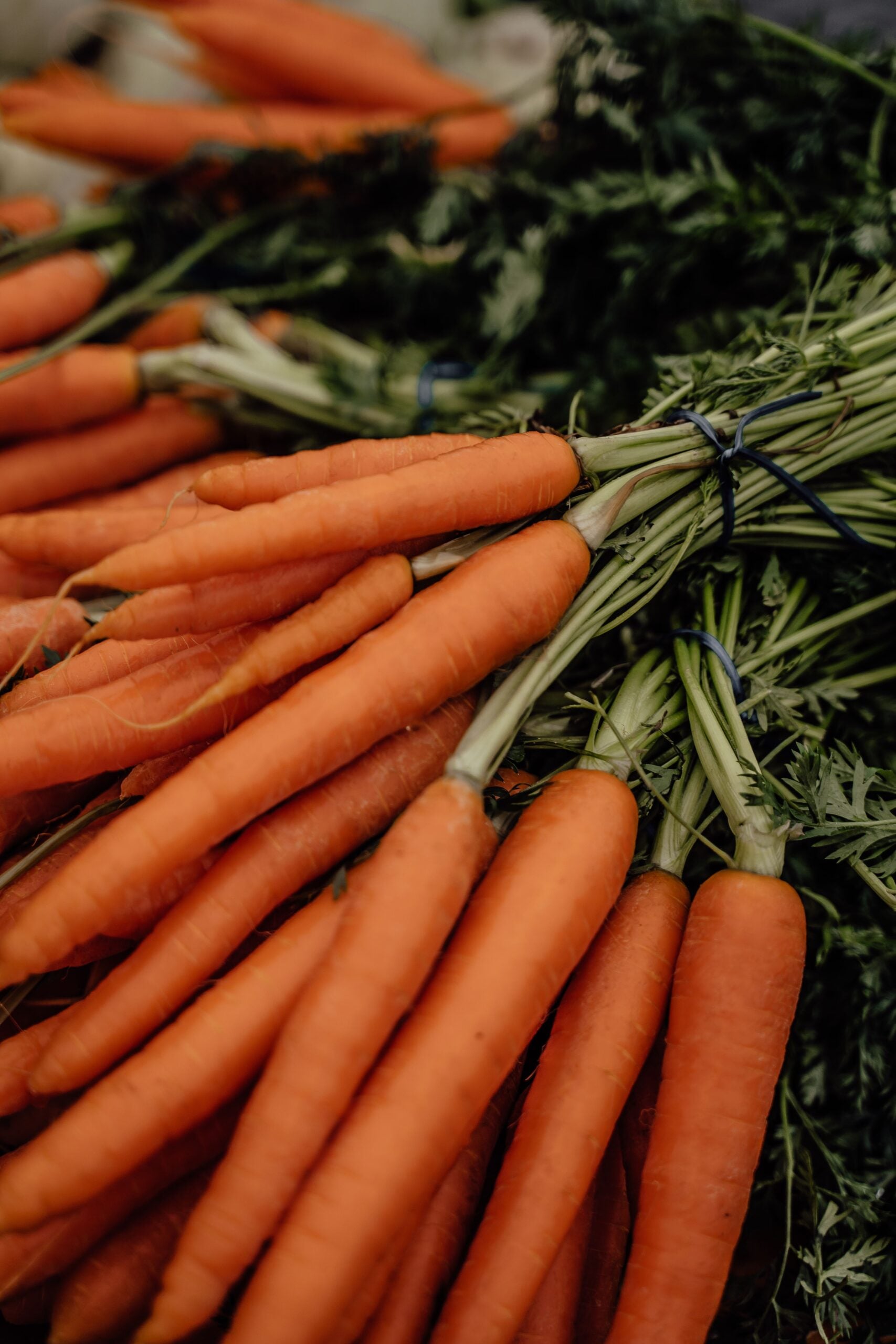
Carrot tops are often tossed out first, but they are edible and useful. Their flavor is grassy and slightly bitter, closer to parsley with a sharper edge than to the sweet root below. That makes them a better fit for sauces and blends than for a plain salad.
One of the easiest ways to use them is in pesto. Blend washed carrot tops with olive oil, garlic, nuts or seeds, lemon juice, and a hard cheese if you like. The bitterness softens when it is mixed with fat and salt, and the result works well on pasta, roasted vegetables, or sandwiches.
They can also be stirred into soups, chopped into grain bowls, or mixed with softer herbs. Since carrot tops can trap dirt easily, a thorough rinse matters. If they arrive attached to the carrots, remove them before storage so the roots stay firm longer.
Broccoli stems
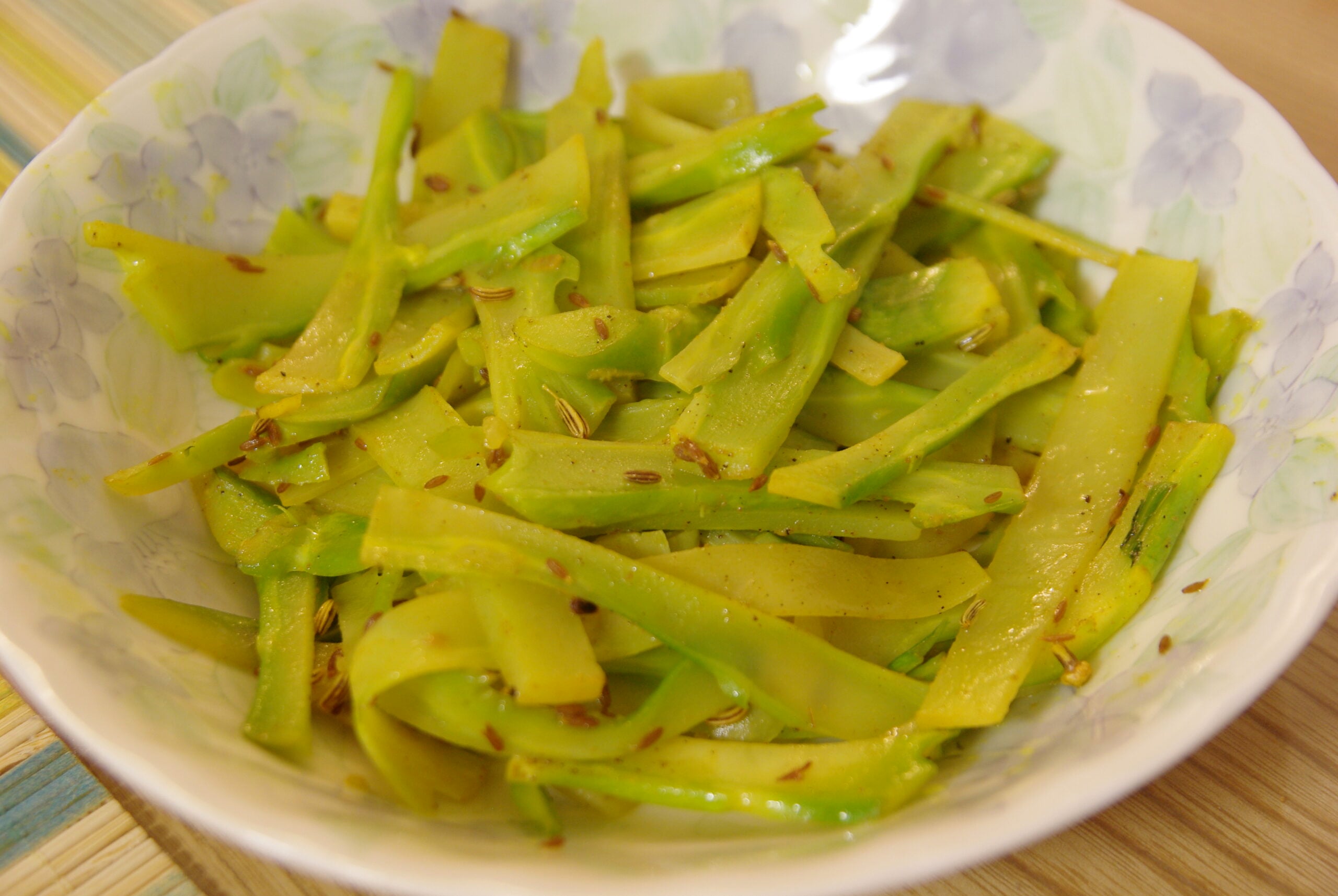
Broccoli stems are a classic example of a part that gets overlooked. Once the tough outer layer is peeled away, the inside is crisp, mild, and slightly sweet, with a texture that lands somewhere between broccoli florets and kohlrabi.
Sliced thin, the stems work well in stir fries because they cook quickly and stay a little crunchy. They can also be shredded raw into slaw, where their clean flavor pairs nicely with lemon, vinegar, or a creamy dressing. A mandoline or box grater makes the job faster.
They are also good in soup. Dice them and simmer until tender, then blend with the florets for a smoother broccoli soup with less waste. Using the stems helps stretch a whole head of broccoli into another meal without changing the ingredient list much.
Potato peels
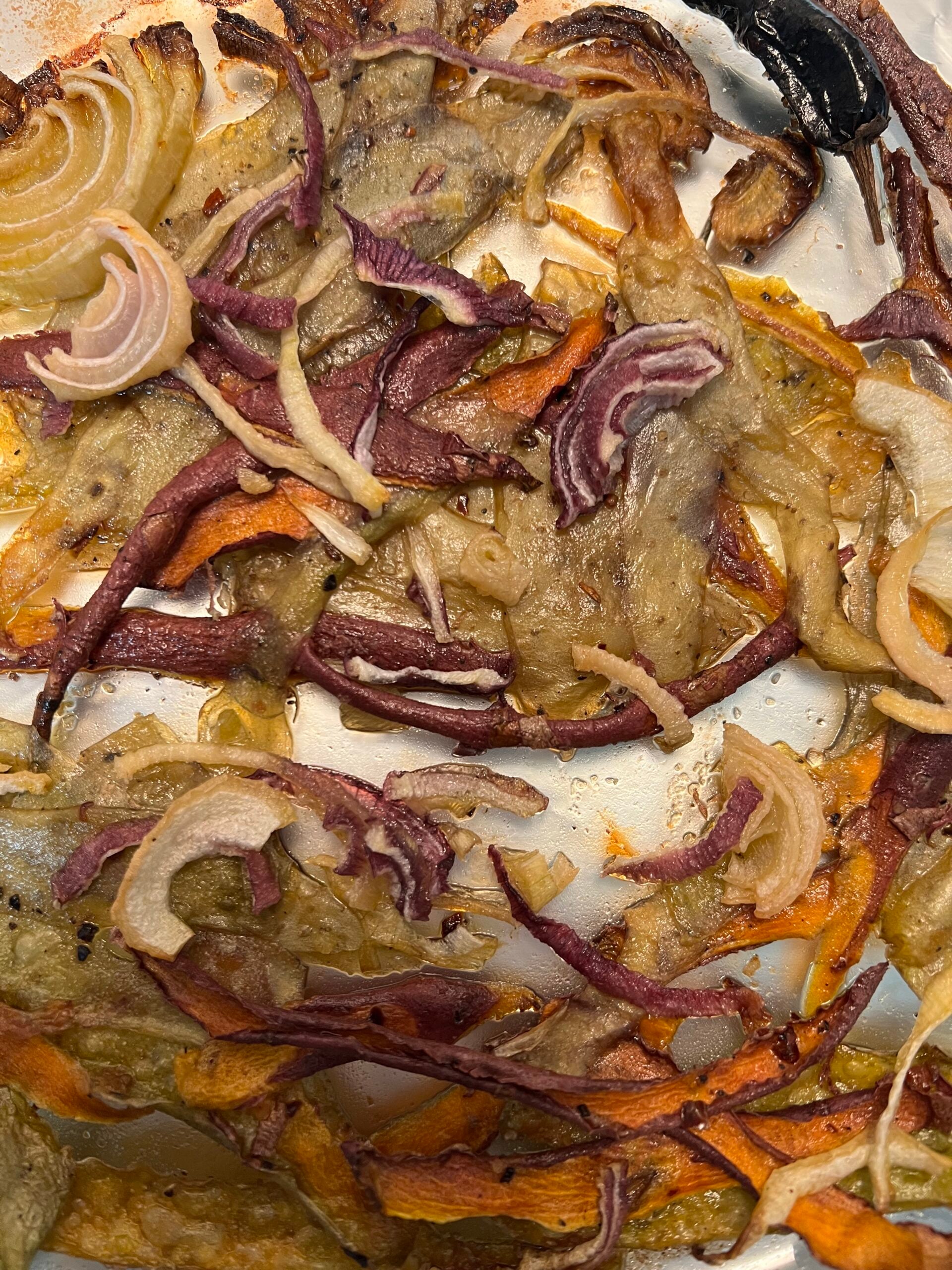
Potato peels can become a snack instead of a soggy pile near the sink. Since much of a potato's character is concentrated near the skin, the peels carry an earthy flavor that turns appealingly crisp in a hot oven or air fryer.
Toss clean peels with oil and salt, then roast until browned and brittle at the edges. Paprika, garlic powder, or grated Parmesan can add more flavor, but they do not need much help. The key is spreading them out so steam escapes and the peels crisp instead of softening.
Peels can also be added to stock, especially when the potatoes were scrubbed well and free of green spots. Green areas should be discarded because they can contain higher levels of glycoalkaloids, compounds that taste bitter and are not meant to be eaten in large amounts.
Citrus peels
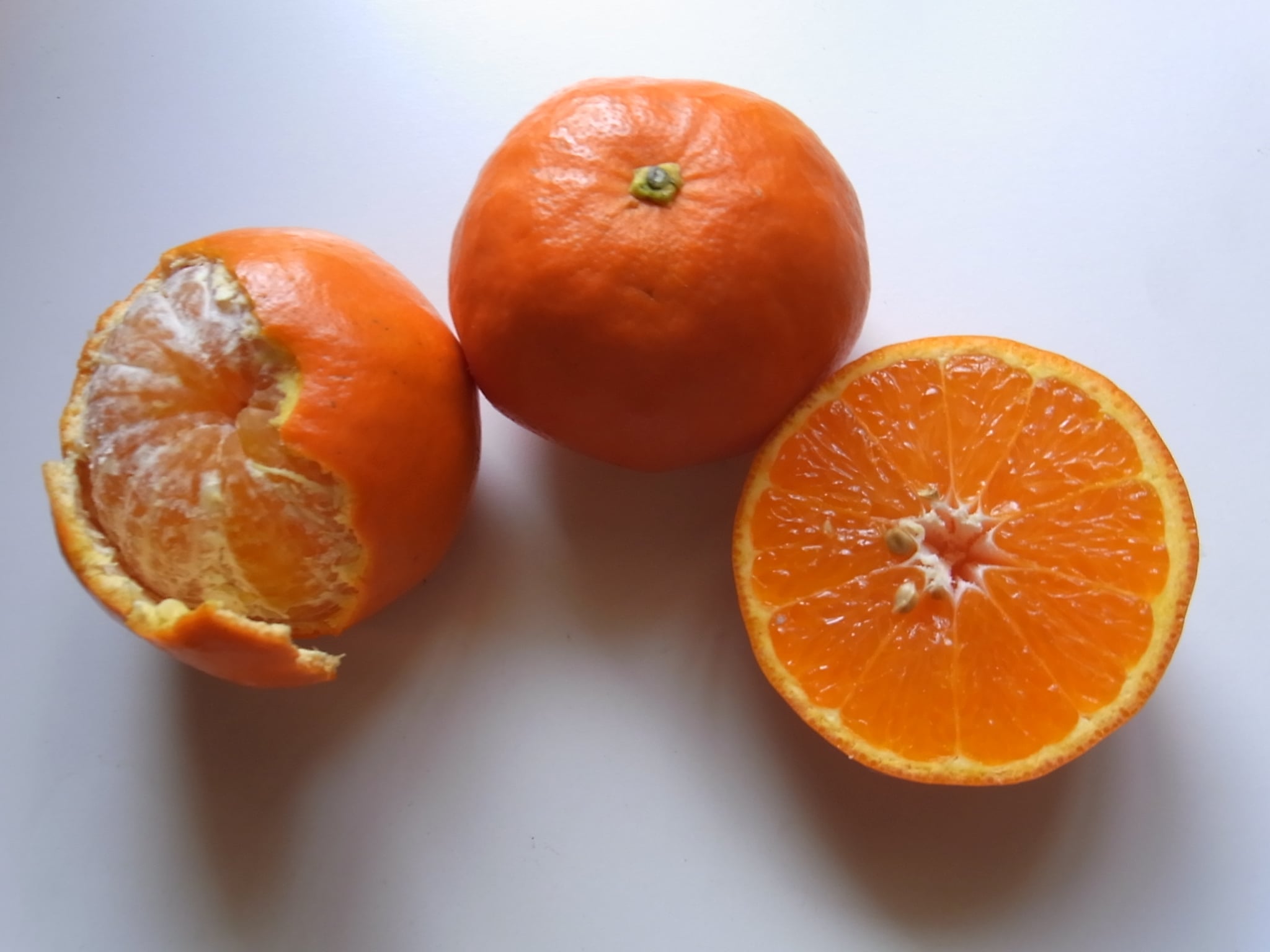
Citrus peels hold a surprising amount of aroma because the outer layer is packed with essential oils. That is why a squeezed lemon or orange can still do useful work in the kitchen long after the juice is gone.
Strips of peel can flavor sugar, salt, tea, vinegar, or simple syrup. A few pieces simmered in water with cinnamon also freshen the kitchen air, though the best culinary use may be zest. Finely grated peel adds sharp flavor to cakes, dressings, marinades, and yogurt without extra liquid.
Candied citrus peel is another practical option. Boiled to soften the bitterness, then simmered in syrup, it becomes chewy and fragrant. If the fruit was waxed, wash it well first. For zesting, avoid the white pith when possible because that layer is usually the bitter part.
Watermelon rind
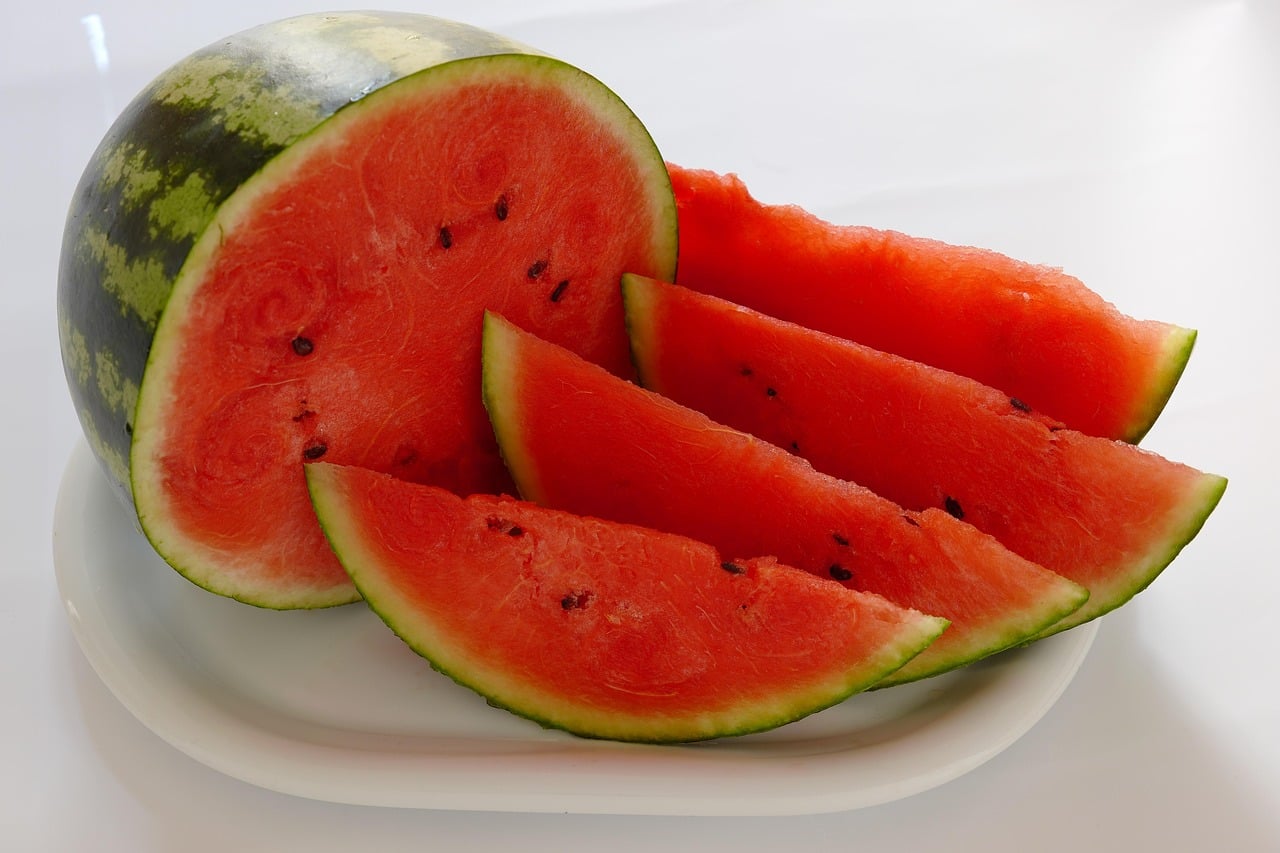
Watermelon rind looks unpromising, but the pale part between the green skin and red flesh is fully edible. Its texture is firm and watery, a little like cucumber, which makes it especially good at picking up strong flavors.
Pickling is the best known use. Sliced rind can be cooked briefly with vinegar, sugar, salt, and spices until it turns crisp-tender. The result is sweet, tangy, and old-fashioned in the best way, with enough crunch to pair well with grilled meats or sandwiches.
It also works in savory dishes. Cut away the dark outer skin, then cube the white rind for stir fries, chutneys, or relishes. Because the rind is mild, it benefits from chili, ginger, mustard seed, or garlic. It is a useful reminder that a large fruit can offer more than its center.
Beet greens
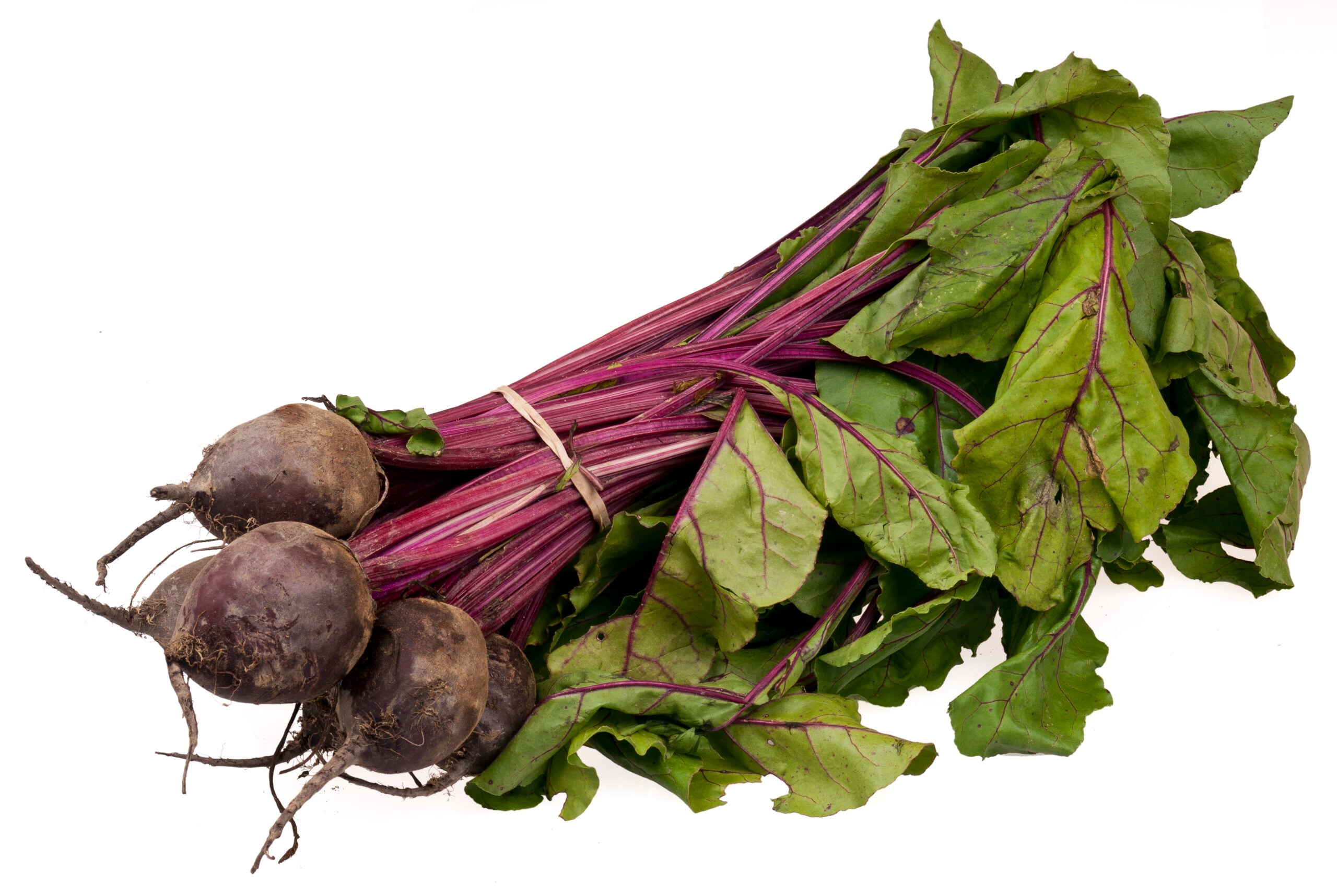
Beet greens are one of the most valuable scraps because they are not scraps at all. They are the plant's leaves, sold separately in some markets and attached to the roots in others, yet many home cooks still remove and discard them without a second thought.
Their flavor is earthy and slightly mineral, similar to Swiss chard. In fact, beets and chard are closely related. The leaves wilt quickly in a hot pan with olive oil and garlic, while the stems need a few extra minutes to soften.
They can also be chopped into frittatas, soups, or bean dishes. As with other leafy greens, wash them carefully because grit often hides near the base. If the beets came with healthy leaves attached, using both parts turns one bunch into two distinct ingredients with very little extra effort.
Apple peels and cores
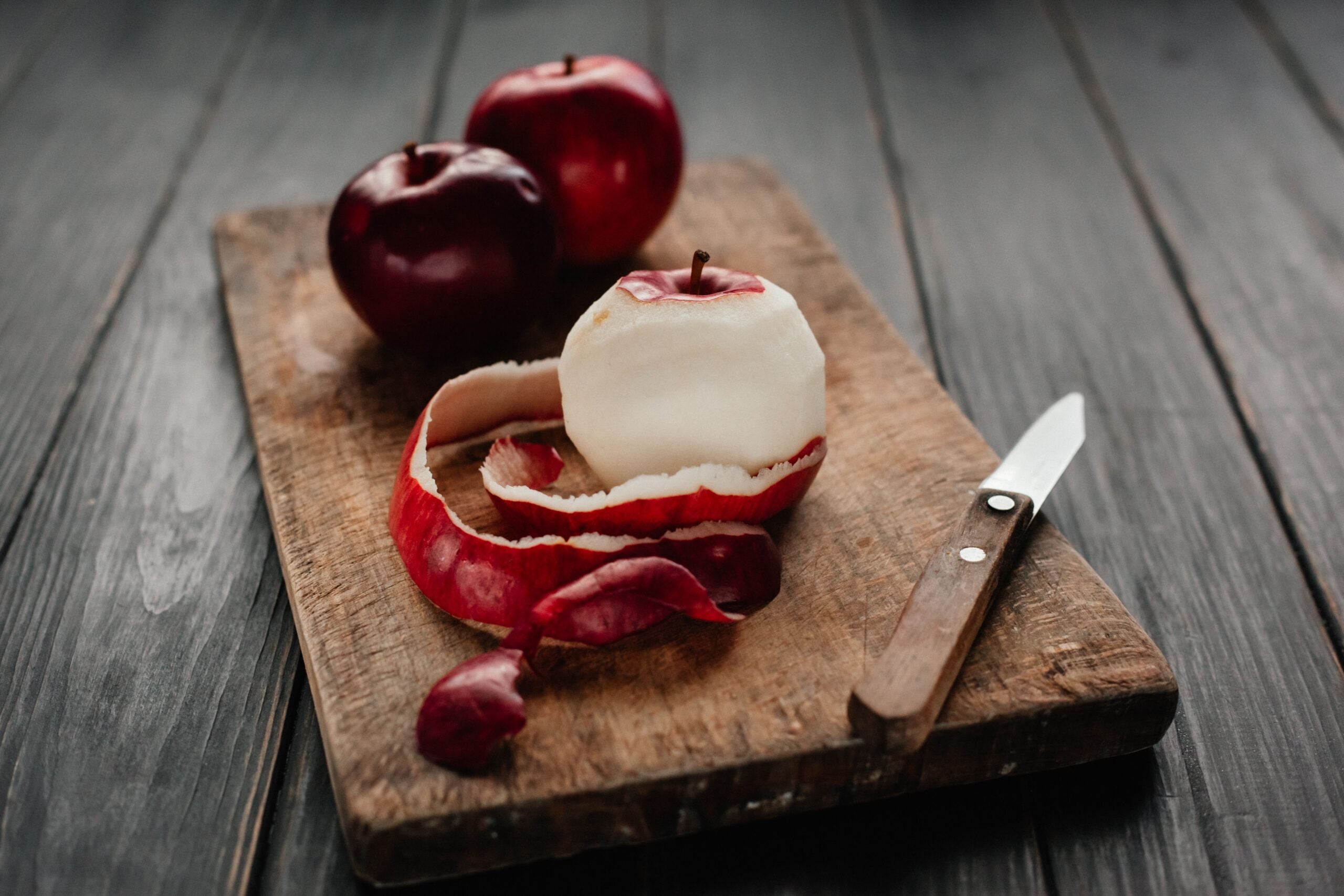
Apple scraps smell like dessert for a reason. Peels and cores still carry plenty of flavor, and that makes them useful for pantry basics that feel far more polished than the effort required to make them.
One smart use is homemade apple scrap vinegar, made by fermenting scraps with water and sugar. Another is syrup. Simmer peels and cores with water, then strain and reduce the liquid with sugar for a lightly spiced topping for pancakes, oatmeal, or cocktails.
They also make a solid base for jelly or tea. The seeds and stems are usually strained out rather than eaten. As with any fruit used peel-on, wash the apples well first. Saving the scraps in the freezer until you have enough can make the process much more practical.
Celery leaves
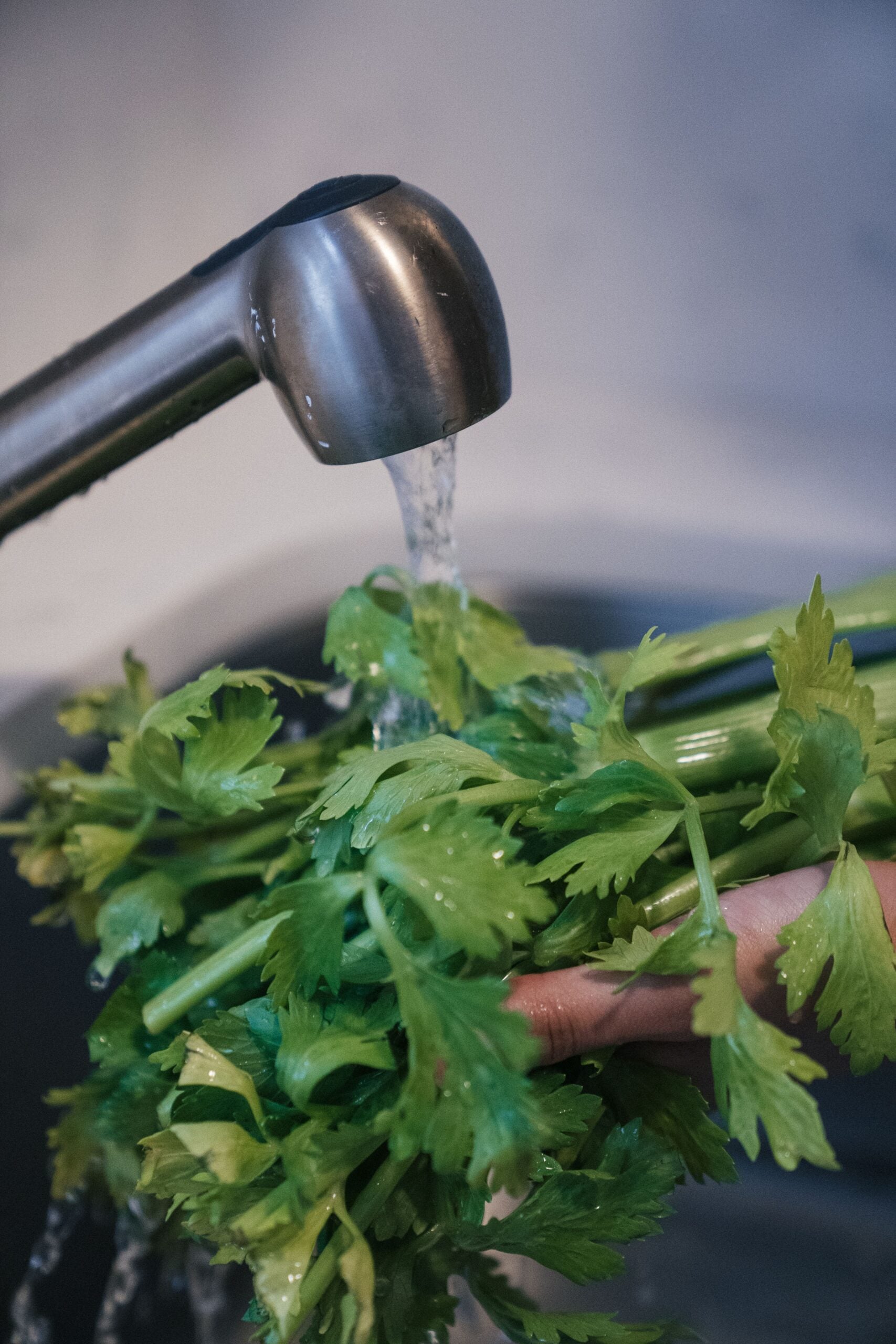
Celery leaves rarely get the attention given to the stalks, yet they often carry the strongest celery flavor. The pale inner leaves are tender enough for salads, while the darker outer leaves taste bolder and fit better in cooked dishes.
They can stand in for herbs in soups, stuffing, tuna salad, or chicken salad. Chopped celery leaves also brighten grain dishes and potato salads, adding freshness without introducing a completely different flavor profile. That is especially useful when a dish already includes celery stalks.
Another simple use is celery salt. Dry the leaves thoroughly, crumble them, and mix with salt for a savory seasoning that works on eggs, tomatoes, and roasted potatoes. It is a small payoff from a part of the bunch that often gets cut off and forgotten.
Scallion roots
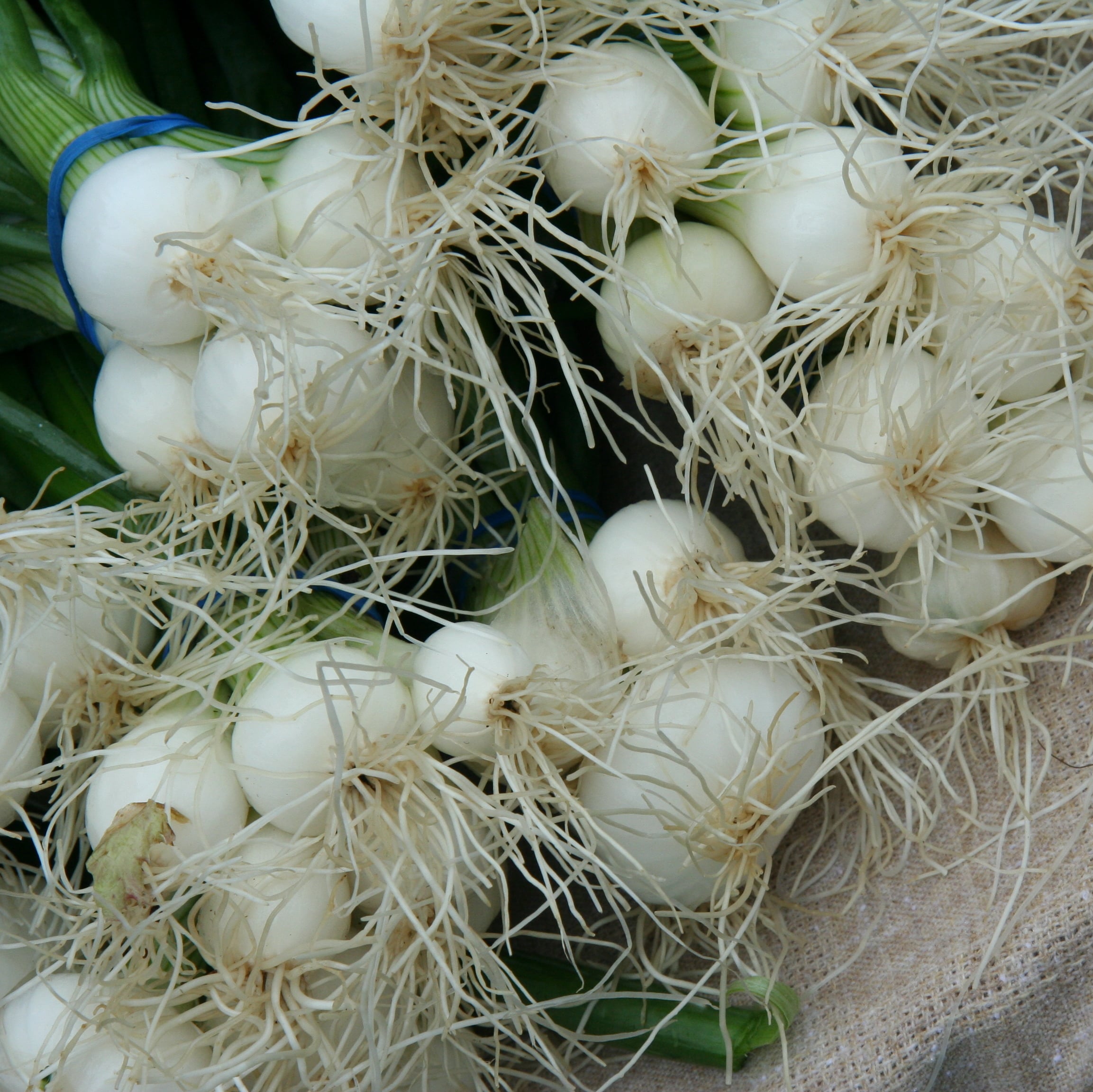
Scallion roots are tiny, but they may be the most satisfying scrap to save. The white root ends can regrow after cutting, which makes them a practical example of kitchen reuse that people can actually see happening.
Place the rooted ends in a shallow glass with enough water to cover the base, and green shoots usually start returning within days. They can also be planted in soil for longer growth. While regrown scallions may become thinner over time, they are still useful as a garnish or quick cooking ingredient.
Even if you do not regrow them, the roots themselves are edible when cleaned well. In some cuisines they are fried or infused in oil for extra flavor. Ending with scallion roots makes the point clearly: some scraps are not waste at all, just ingredients waiting for a better plan.



Leave a Reply