
Canada has given the world far more than people usually realize. Some of the most familiar foods on grocery shelves and restaurant menus actually began north of the border.
Peanut Butter

Few pantry staples feel more universally familiar than peanut butter, yet its modern commercial story has deep Canadian roots. In 1884, Montreal pharmacist Marcellus Gilmore Edson received a patent for peanut paste, describing a product made by milling roasted peanuts between heated surfaces until they reached a buttery consistency.
Edson was not making the sweetened sandwich spread most people know today. His version was intended as a nutritious, easy-to-chew food for people who had trouble eating solid meals, including the elderly and patients with dental issues. That practical medical purpose makes the invention even more interesting.
Later American producers helped popularize peanut butter on a mass scale, but Edson's patent remains one of the clearest early milestones in its development. In food history, that distinction matters. Canada can credibly claim a foundational role in creating one of the world's most beloved spreads.
Hawaiian Pizza

This may be the most argued-over pizza topping combination in history, and it was born in Ontario, not Hawaii. In 1962, Sam Panopoulos, a Greek immigrant running the Satellite Restaurant in Chatham, decided to add canned pineapple to pizza as an experiment inspired by the era's growing interest in sweet-and-savory Chinese dishes.
The pizza was named after the brand of canned pineapple used, not the place of invention. That detail surprises many people because the name has sent generations of diners in the wrong direction. In reality, this globally recognized pizza is a distinctly Canadian creation.
Panopoulos later said people were skeptical at first, but the contrast of salty ham, melted cheese, tangy tomato sauce, and sweet pineapple caught on. Love it or hate it, Hawaiian pizza changed menu culture. It also proved that Canadian restaurants could create a food idea that spread worldwide.
Ginger Beef

Some dishes tell the story of immigration as clearly as any history book, and ginger beef is one of them. This crispy, saucy beef dish was created in Calgary in the 1970s by chef George Wong, whose cooking reflected both Chinese culinary traditions and the tastes of Prairie diners.
Traditional Chinese cooking certainly includes ginger and beef, but Calgary's version took on a life of its own. The dish typically features deep-fried strips of beef coated in a sweet, savory, and gingery sauce, often sharpened with garlic, peppers, and a bit of heat. That texture-forward approach appealed strongly to local customers.
Ginger beef became a defining example of Canadian Chinese cuisine, much like chop suey did in the United States. It shows how immigrant chefs often innovate in response to local ingredients and preferences. Today, it remains one of Alberta's best-known culinary exports and a point of real regional pride.
Poutine

No Canadian food is more iconic internationally than poutine, but many people still do not know how specific its origins are. The dish emerged in rural Quebec in the 1950s, with several restaurants in the Centre-du-Québec region often cited in the long-running debate over who served it first.
What makes poutine memorable is not just the ingredient list, but the balance. Fresh fries provide crispness, cheese curds add a squeaky richness, and hot brown gravy ties everything together while slightly softening the edges. It is simple food, but when made properly, every component matters.
Poutine's rise from casse-croûte snack to national symbol says a lot about Canadian food culture. It was once dismissed by some as rustic or messy. Now it appears in diners, stadiums, and upscale restaurants, often with toppings like smoked meat, duck confit, or mushrooms, while the classic version remains the standard.
Nanaimo Bars

Desserts often carry the strongest sense of place, and Nanaimo bars are a perfect example. Named after Nanaimo, British Columbia, these no-bake bars became widely known in the mid-20th century and are now one of Canada's most recognizable sweets.
The classic version has three layers: a crumb base usually made with graham crumbs, cocoa, coconut, and nuts, a custard-flavored butter icing in the middle, and a chocolate topping. That combination creates a dessert that is rich, sweet, and texturally varied without requiring an oven.
Community cookbooks helped spread the recipe across Canada, which is an important part of the story. Before viral videos and social media, local recipe exchanges built national food identity. Nanaimo bars survived because they were practical, distinctive, and easy to serve at holidays, bake sales, and family gatherings.
Butter Tarts

Butter tarts are one of those desserts that look simple until you start debating the details. The filling, made from butter, sugar, syrup, and egg inside a flaky pastry shell, has been part of Canadian home baking for more than a century, with early published recipes appearing in Ontario.
The real controversy is texture. Some people insist the filling should be runny, while others prefer it firm. Then comes the second argument: raisins or no raisins. These disputes may sound minor, but they show how deeply butter tarts are woven into Canadian family traditions and regional pride.
What makes the butter tart distinct is its concentrated flavor and modest size. It delivers a caramel-like richness in a compact form, making it ideal for church suppers, holiday trays, and rural fairs. It is not just a dessert. It is one of Canada's clearest examples of enduring local baking culture.
Caesar Cocktail
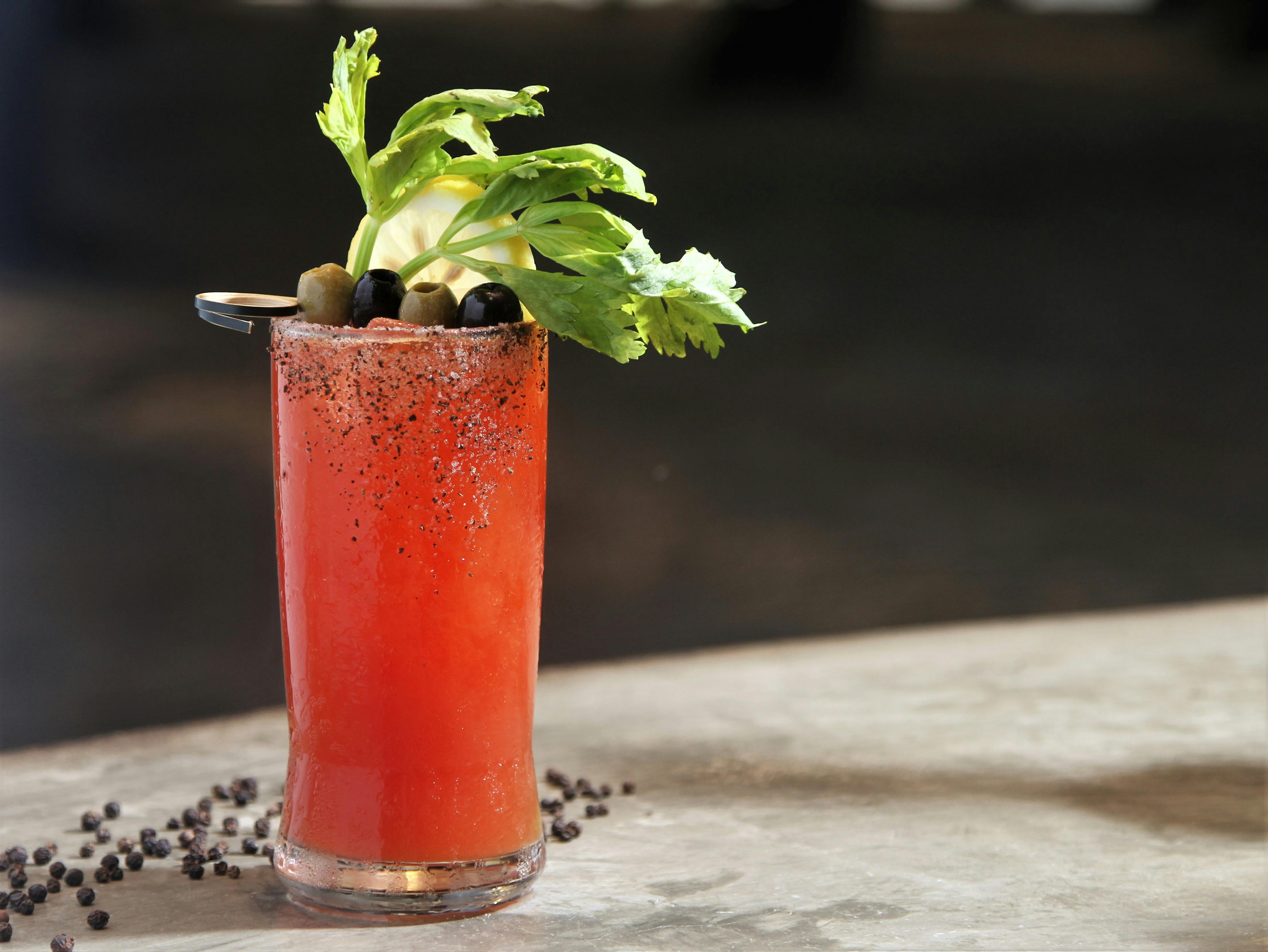
Not every edible invention arrives on a plate. In 1969, Calgary restaurant manager Walter Chell created the Caesar to mark the opening of a new Italian restaurant, reportedly drawing inspiration from the flavors of spaghetti alle vongole, the classic pasta dish with clams and tomato.
The drink combines vodka, Clamato juice, hot sauce, and Worcestershire sauce, typically served in a celery-salted glass with a garnish such as celery, lime, or even more elaborate toppings. To non-Canadians, clam and tomato in a cocktail may sound unusual. In Canada, it is a brunch institution.
The Caesar's staying power comes from its flexibility. Bars and restaurants have reinvented it with bacon, pickles, shrimp, and house spice blends, turning the drink into a full-on culinary statement. Its popularity has remained strongest in Canada, where it functions as both comfort classic and national signature.
California Roll

Its name points south, but one of sushi's most famous gateway foods has long been tied to Canada. Chef Hidekazu Tojo, who worked in Vancouver in the 1970s, is widely credited with creating the inside-out roll that would become known as the California roll.
Tojo adapted sushi for North American diners who were hesitant about seaweed on the outside and wary of raw fish. By placing the nori inside and using ingredients like avocado, cucumber, and crab, he made the format feel more approachable. That was a smart act of culinary translation, not compromise.
The California roll helped expand mainstream interest in sushi across North America. Once diners grew comfortable with that format, many moved on to more traditional options. In that sense, the roll was more than a trend. It was an important bridge between Japanese technique and Western dining habits.
Canola Oil

Sometimes a food innovation changes agriculture and industry as much as home cooking. Canola oil was developed in Canada in the 1970s by researchers who bred a new variety of rapeseed low in erucic acid and glucosinolates, making it more suitable for human consumption.
The name itself comes from "Canadian oil, low acid," which reflects both its origin and its scientific purpose. Compared with older rapeseed oils, canola offered a cleaner flavor and a nutritional profile that helped it gain acceptance among consumers, food manufacturers, and health professionals.
Its impact has been enormous, especially in the Prairie provinces, where canola became a major crop and export driver. Today it is used in frying, baking, salad dressings, and processed foods around the world. Unlike trend-driven ingredients, canola represents a Canadian invention that reshaped the global food system.




Leave a Reply