
Some foods do more than fill a pantry. They capture a moment in national life, and in 1990s Canada, certain products were so common they seemed impossible to lose.
Hostess Pudding Pie
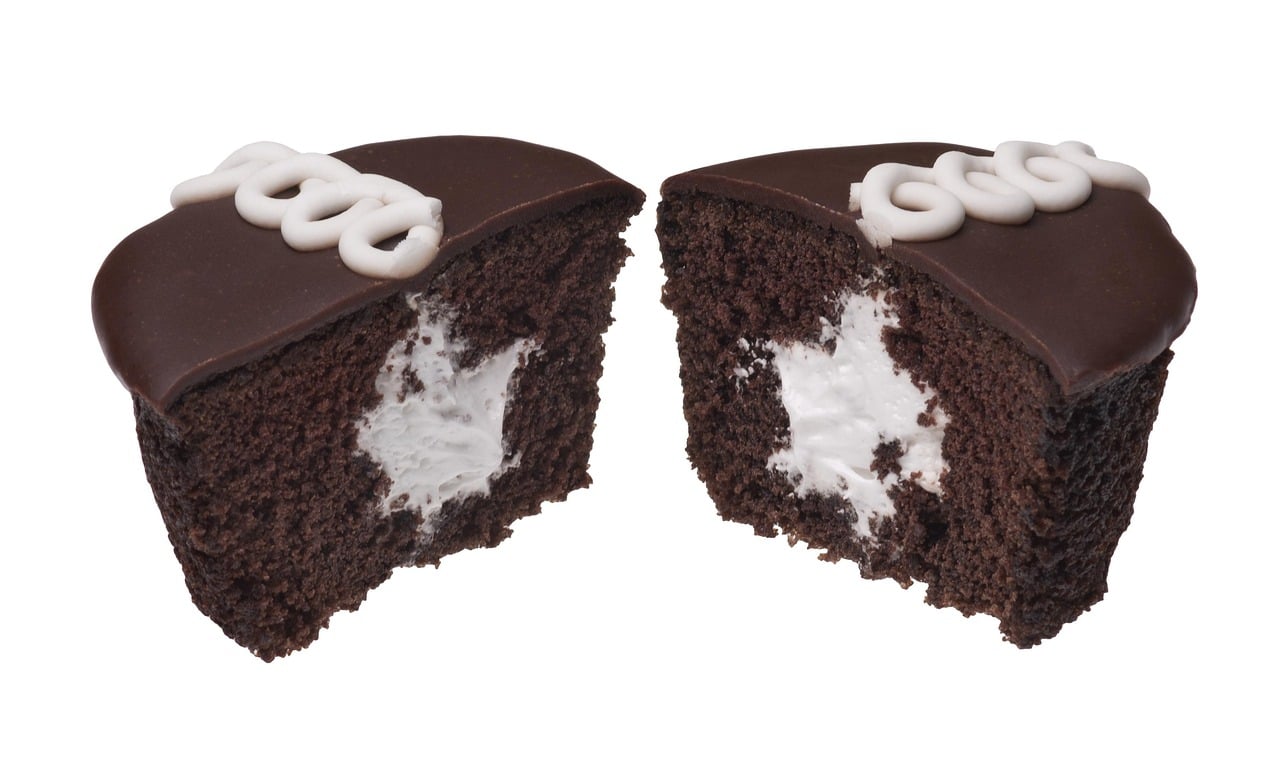
Few 1990s snacks made a stronger first impression than Hostess Pudding Pie. It looked almost excessive by today's standards, with a soft glazed shell wrapped around chocolate or vanilla pudding filling. In school lunches across Canada, it was the kind of treat kids noticed immediately when the bag opened.
Its popularity reflected the decade's appetite for individually wrapped convenience foods. Canadian grocery shelves in the 1990s gave enormous space to shelf-stable sweets, and Hostess had mastered that market with products designed to survive backpacks, pantry storage, and long distribution routes. The Pudding Pie fit perfectly into that system.
What helped it disappear was not one single failure but a change in the market around it. Health-conscious buying, tighter competition in snack cakes, and corporate brand shifts all reduced room for richer novelty items. While similar pastries exist in some markets, the original Canadian grocery-store presence of Hostess Pudding Pie has long faded.
McCain Deep'n Delicious Chocolate Cake Rolls
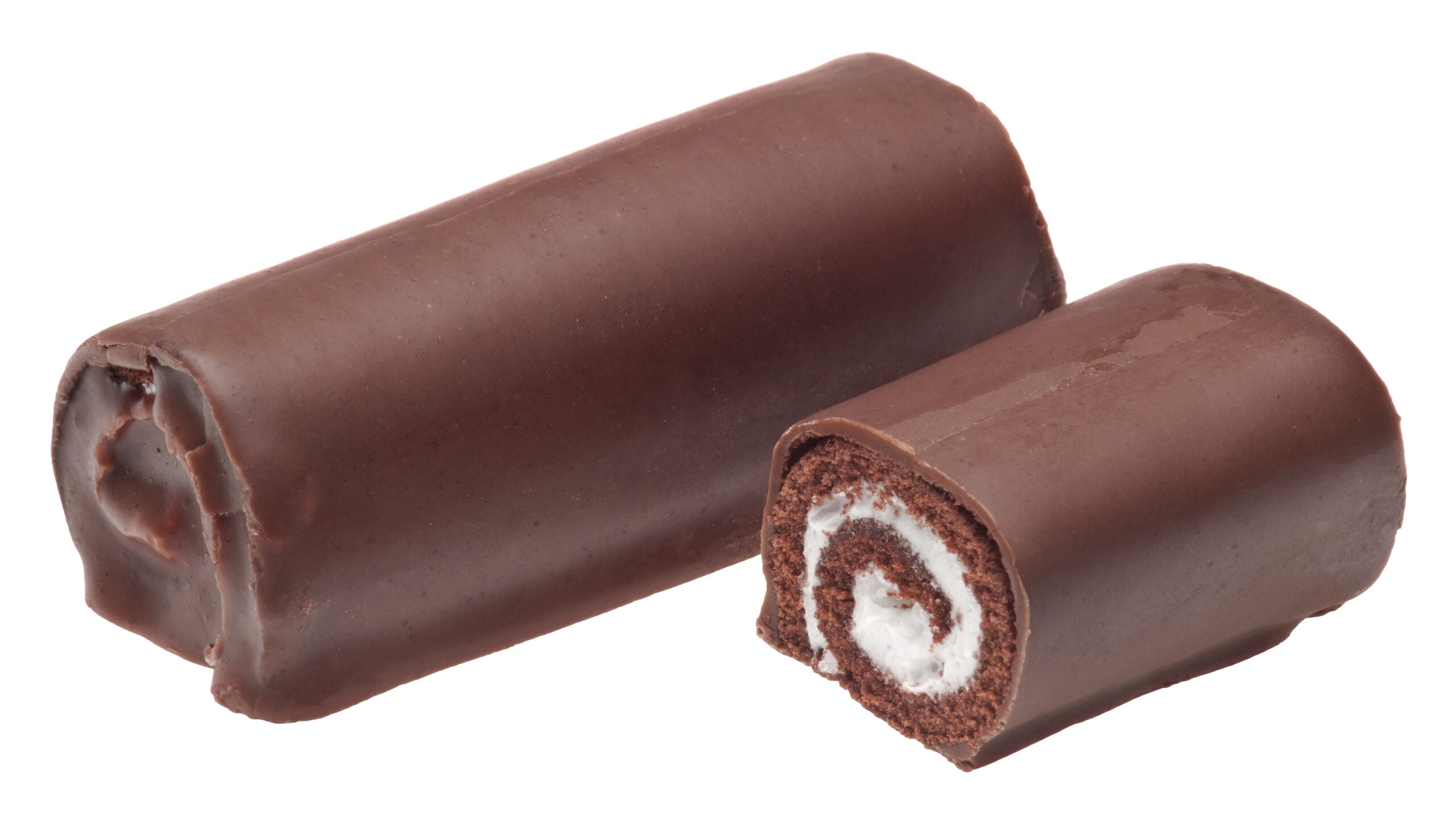
There was a time when dessert in a Canadian freezer often meant McCain. Beyond the famous Deep'n Delicious cake, many households also bought the chocolate cake rolls, a more portable and sliced version that delivered the same sweet, highly processed comfort many families associated with easy entertaining.
These rolls mattered because they sat at the intersection of convenience and aspiration. They looked special enough for guests yet required no baking skill, which appealed to busy households. In the 1990s, when freezer space was increasingly filled with ready-made foods, products like this represented a practical luxury.
Over time, freezer desserts became more fragmented. Premium brands, in-store bakery options, and changing tastes pushed out middle-market staples that were neither artisanal nor especially novel anymore. McCain retained iconic products, but the cake rolls that many Canadians remember from childhood largely disappeared from major shelves.
Nabob Swiss Mocha Beverage Mix

Long before café culture fully took over Canadian cities, Nabob Swiss Mocha beverage mix brought a version of it home. Stored in a familiar tin, it offered an easy way to make something that felt a little more grown-up than hot chocolate and more indulgent than instant coffee.
Its appeal was tied to the era's taste for powdered convenience. In the 1990s, instant drink mixes still held strong shelf space because they were affordable, lasted for months, and fit colder Canadian weather. A mug of Swiss Mocha after school or after dinner became a routine comfort in many homes.
The product also belonged to a category that later lost cultural ground. As single-serve coffee makers, café chains, and better-quality packaged coffee expanded, sweet powdered mocha mixes began to look dated. Nabob's brand evolved with the market, but this specific staple became much harder to find and eventually vanished from ordinary grocery runs.
PB Max
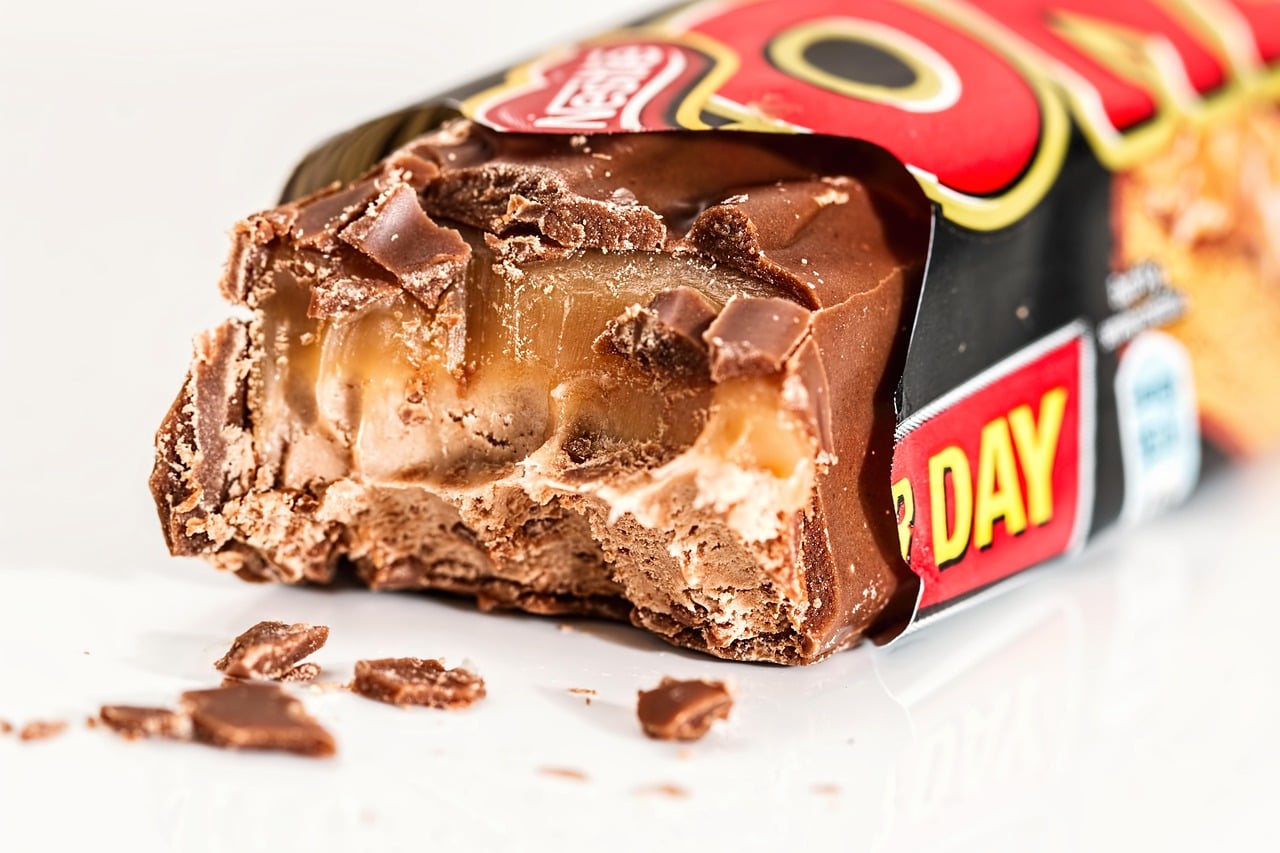
Some products vanish so completely that their memory feels almost disputed, and PB Max is one of them. Canadians who remember it recall a thick, peanut-butter-heavy bar with a cookie-like base and a milk chocolate coating, sold as a substantial snack rather than a delicate candy.
Its strong identity worked in its favour during the 1990s, when bold flavour and indulgent texture often mattered more than nutrition panels. Peanut butter products performed especially well in Canada because they matched common household tastes and lunchbox habits. A bar like PB Max felt familiar while still delivering novelty.
Its disappearance is often tied to broader corporate decisions rather than weak consumer affection. Confectionery lines are routinely cut when companies simplify portfolios, and regional distribution can vanish first. For Canadians, that meant one more snack bar slipped off shelves and into memory, even as the market filled with protein bars and reformulated chocolate treats.
Jell-O 1-2-3

No dessert better captured 1990s packaged-food magic than Jell-O 1-2-3. When prepared, it separated into three visible layers: a gelatin base, a mousse-like centre, and a light top. For children, it felt like science. For parents, it was an easy way to produce something that looked far more complicated than it was.
Products like this thrived because they delivered spectacle at low cost. Canadian families in that era still relied heavily on boxed desserts for potlucks, family dinners, and holiday tables. Brand trust mattered, and Jell-O had decades of credibility in kitchens where convenience often outweighed scratch-made ambition.
Its decline reflected a broader retreat from novelty mixes that required a very specific kind of artificial formulation. As dessert habits changed, buyers leaned either toward simpler basics or fresh bakery items. Jell-O 1-2-3 became one of those once-common boxes that quietly disappeared, even though its visual trick remains unforgettable.
Carnation Breakfast Bars
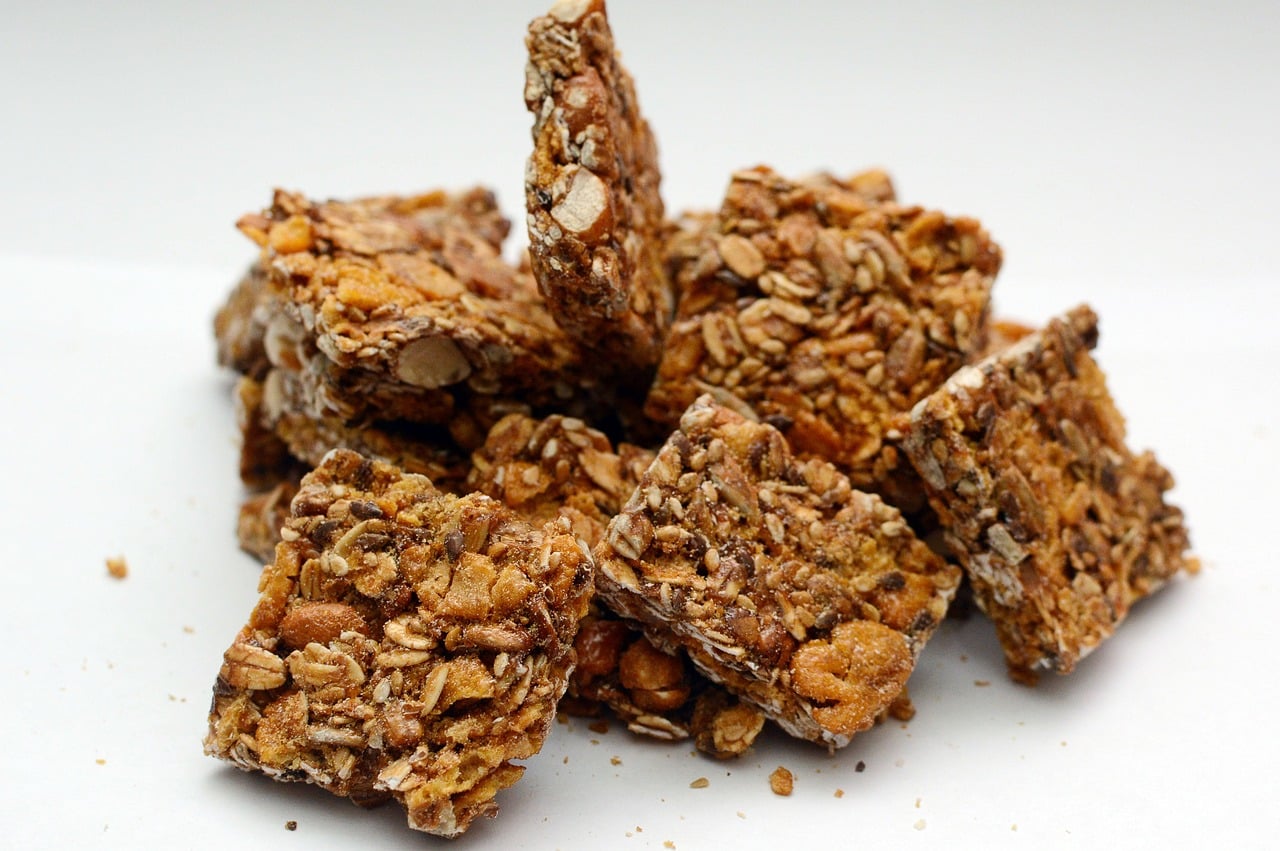
Busy mornings helped make Carnation Breakfast Bars feel essential. Marketed as a practical breakfast solution, they were sweet, soft, and easy to pack, aimed at families who needed something fast before work, school, or a long winter commute. For many Canadians, they blurred the line between cereal and snack.
They arrived during a period when breakfast was being aggressively reformulated into portable products. The 1990s saw cereal bars, meal drinks, and toaster pastries expand as food companies responded to shifting household schedules. Carnation, already trusted in grocery aisles, benefited from that push toward convenience-led nutrition.
But breakfast categories changed quickly. Granola bars became more dominant, protein messaging grew stronger, and nutrition standards tightened around sugar and fibre expectations. Products that once seemed modern started to feel nutritionally thin. Carnation Breakfast Bars gradually lost shelf relevance, and today they survive mostly as a distinctly 1990s memory.
General Mills Oatmeal Crisp Toppers
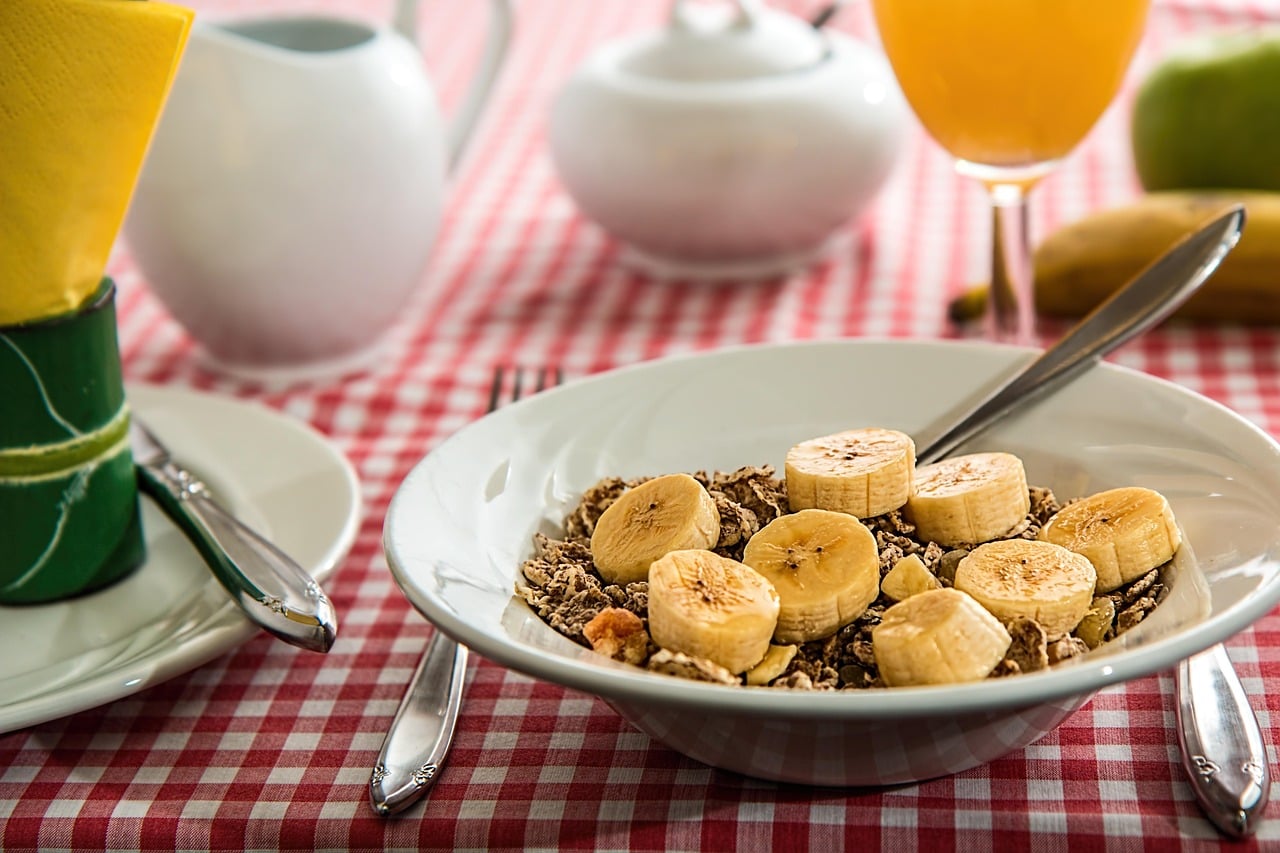
Some forgotten foods were less flashy but deeply woven into routine, and Oatmeal Crisp Toppers fit that description. Sold as crunchy, sweet add-ons for oatmeal, they gave a plain breakfast more texture and flavour. In many Canadian homes, they helped persuade children to eat a bowl they might otherwise resist.
Their existence says a lot about 1990s grocery strategy. Brands increasingly created companion products rather than just standalone staples, encouraging shoppers to customize basic foods with branded extras. It was a smart idea for households balancing thrift and taste, especially during winters when hot cereal remained a practical breakfast choice.
What made them disappear was likely the shrinking space for narrowly defined niche products. As cereal aisles became more competitive, anything without strong repeat demand faced risk. Consumers also began making their own toppings with granola, nuts, and fruit. Oatmeal Crisp Toppers solved a real problem, but not one the market kept rewarding.
Christie Giggles Cookies

Not every lost food was beloved for elegance. Christie Giggles cookies were memorable because they were fun, theatrical, and unmistakably made for kids, with sandwich-cookie styling and playful face designs that stood out in lunchboxes and television ads alike. In a decade driven by character branding, that mattered.
Canadian cookie shelves in the 1990s were crowded with highly differentiated products competing for family attention. Christie understood the power of visual identity, and Giggles leaned into that fully. The cookie was not just a sweet. It was part of the broader culture of packed-school-snack marketing that defined the era.
Eventually, novelty alone stopped being enough. Parents became more label-conscious, portion concerns grew, and cookie brands had to justify their space against both cheaper and more premium alternatives. Giggles disappeared as the market matured, but for Canadians who remember them, few products better capture the playful excess of the decade.
Pizza Pops Pizzeria Chips
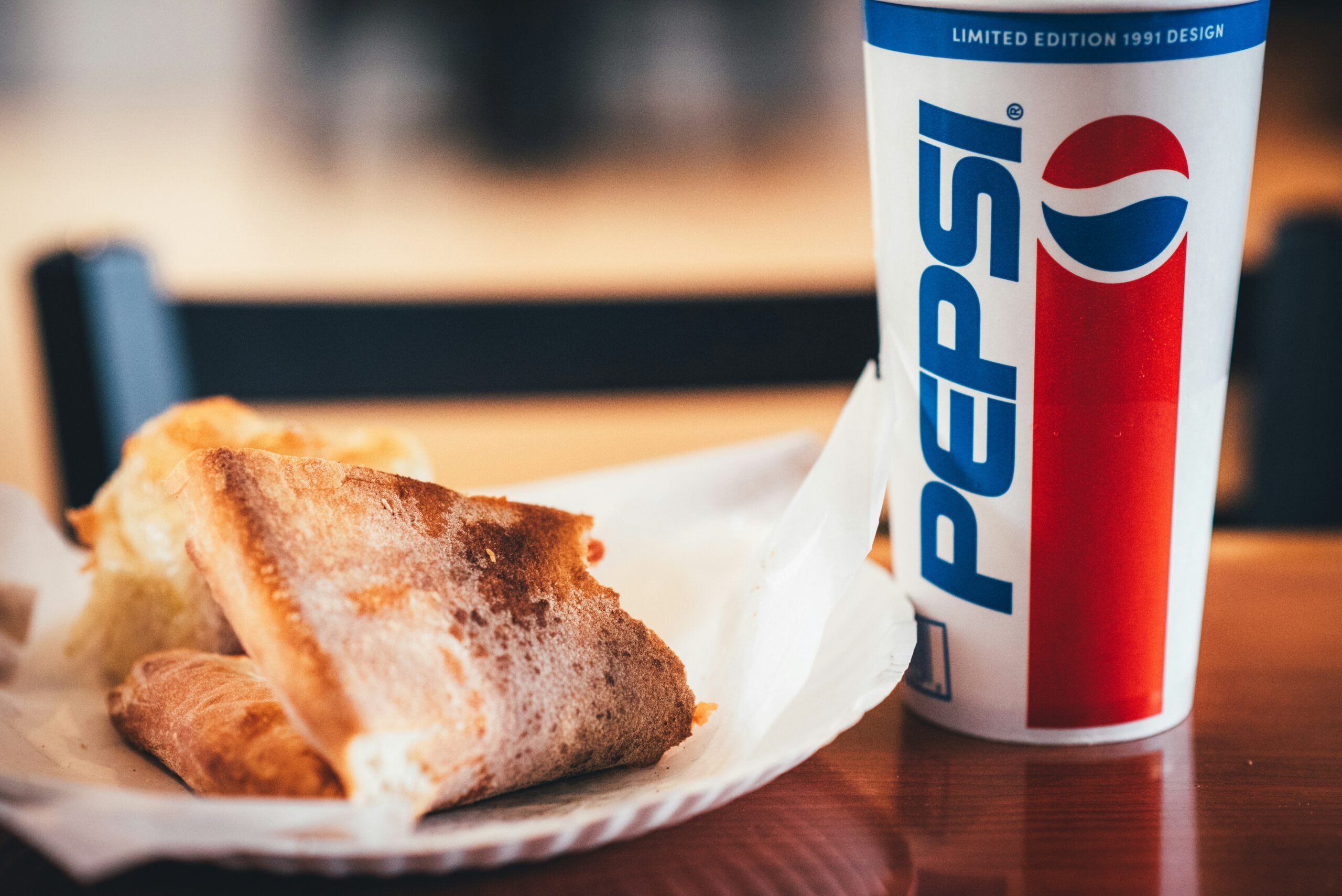
Some discontinued foods sound improbable now, which is part of why Pizza Pops Pizzeria Chips remain so memorable. Tied to a brand better known for microwaveable snacks, these chips tried to translate the flavour of Pizza Pops into a crunchy format. That kind of cross-brand experimentation was especially common in the 1990s.
The idea made commercial sense at the time. Snack companies were eager to stretch familiar names into adjacent categories because brand recognition reduced risk. In Canada, where Pizza Pops already had strong household penetration, a chip extension could piggyback on established loyalty and stand out in a crowded salty-snack aisle.
Still, flavour extensions often burn bright and fade fast. Chips require repeat buying, and novelty does not always turn into habit. As competition intensified and snack portfolios tightened, products like Pizzeria Chips were easy to cut. Their disappearance reveals how many 1990s grocery hits were really short-lived experiments dressed up as staples.




Leave a Reply