
Before artisanal snacks and global grocery aisles, Canadian family meals were shaped by thrift, seasonality, and habit. For many boomers, these foods were not novelties but ordinary parts of childhood that younger Canadians now rarely see.
Kraft Dinner made the old way

Long before gourmet mac and cheese became a restaurant staple, Kraft Dinner was one of the most familiar boxed meals in Canada. Boomers grew up eating it as a weeknight fallback, a babysitter supper, or a quick lunch after school. Canada has long been one of the brand's strongest markets, and its deep cultural footprint reflects decades of dependence on affordable, shelf-stable food.
What younger people may not know is how differently it was often prepared. Many households stretched one box with extra milk, margarine, canned tuna, chopped wieners, or frozen peas. In larger families, it was less a side dish than a base for making supper go further.
That habit came from necessity as much as taste. Postwar families watched grocery budgets carefully, and convenience foods that could feed several children mattered. Kraft Dinner survived because it fit the realities of working parents, tight paycheques, and the growing influence of television advertising in Canadian homes.
Creamed canned corn on toast
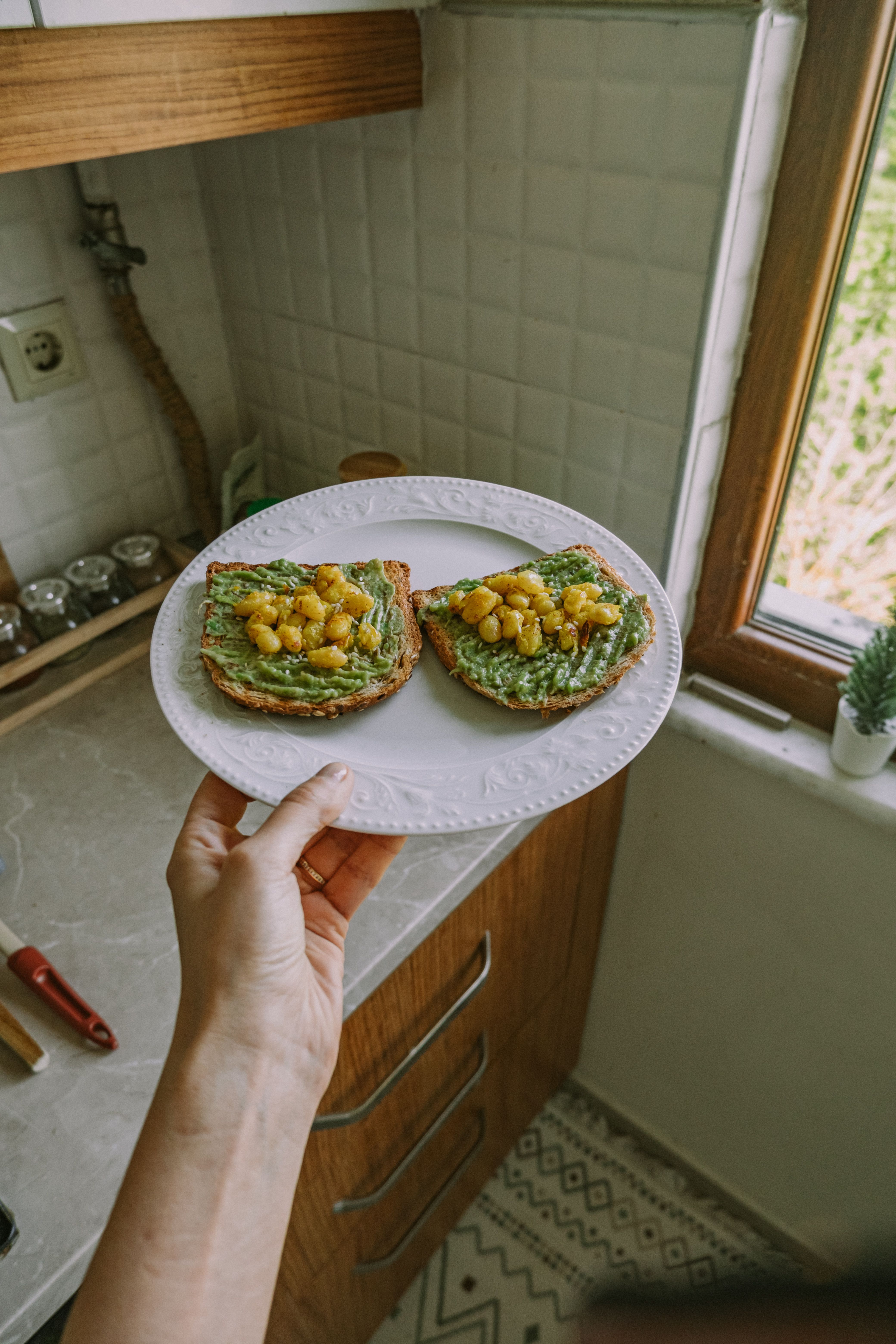
Few foods capture mid-century frugality better than creamed corn spooned over buttered toast. It sounds plain today, but for many Canadian boomers it was a familiar lunch or light supper, especially in prairie provinces and smaller towns where simple pantry meals were common. It was warm, filling, and easy to make with ingredients already in the cupboard.
Creamed corn itself had broad appeal because canned vegetables were dependable year-round. Before fresh produce was as varied or as affordable in winter, canned corn delivered sweetness and texture without waste. Served on toast, it became a complete meal in households that valued practicality over presentation.
Some families added pepper, grated cheddar, or even a poached egg. Others served it beside baked beans or sliced tomatoes in summer. Younger generations, raised on avocado toast and ready-made wraps, often miss how older meals were built around what was shelf-stable, inexpensive, and available in every season.
Bologna sandwiches with mustard

For boomers, bologna was not a punchline. It was one of the standard meats in the Canadian refrigerator, sliced thick at the deli or bought in chubs for home slicing. Packed into school lunches with yellow mustard on white bread, it became a defining everyday food for children in the 1950s, 1960s, and 1970s.
Its popularity came from cost and convenience. Bologna lasted longer than many fresh meats, required no cooking, and worked for breakfast, lunch, or supper. Fried bologna, often served with eggs or on a bun, was especially common in working-class homes from Ontario to Atlantic Canada.
Younger eaters tend to associate deli culture with turkey, salami, or premium charcuterie. Bologna belongs to a different grocery era, one driven by value and standardization. Yet its staying power in older households shows how deeply processed luncheon meats were woven into Canadian family life for decades.
Tomato aspic and other savoury gelatin salads
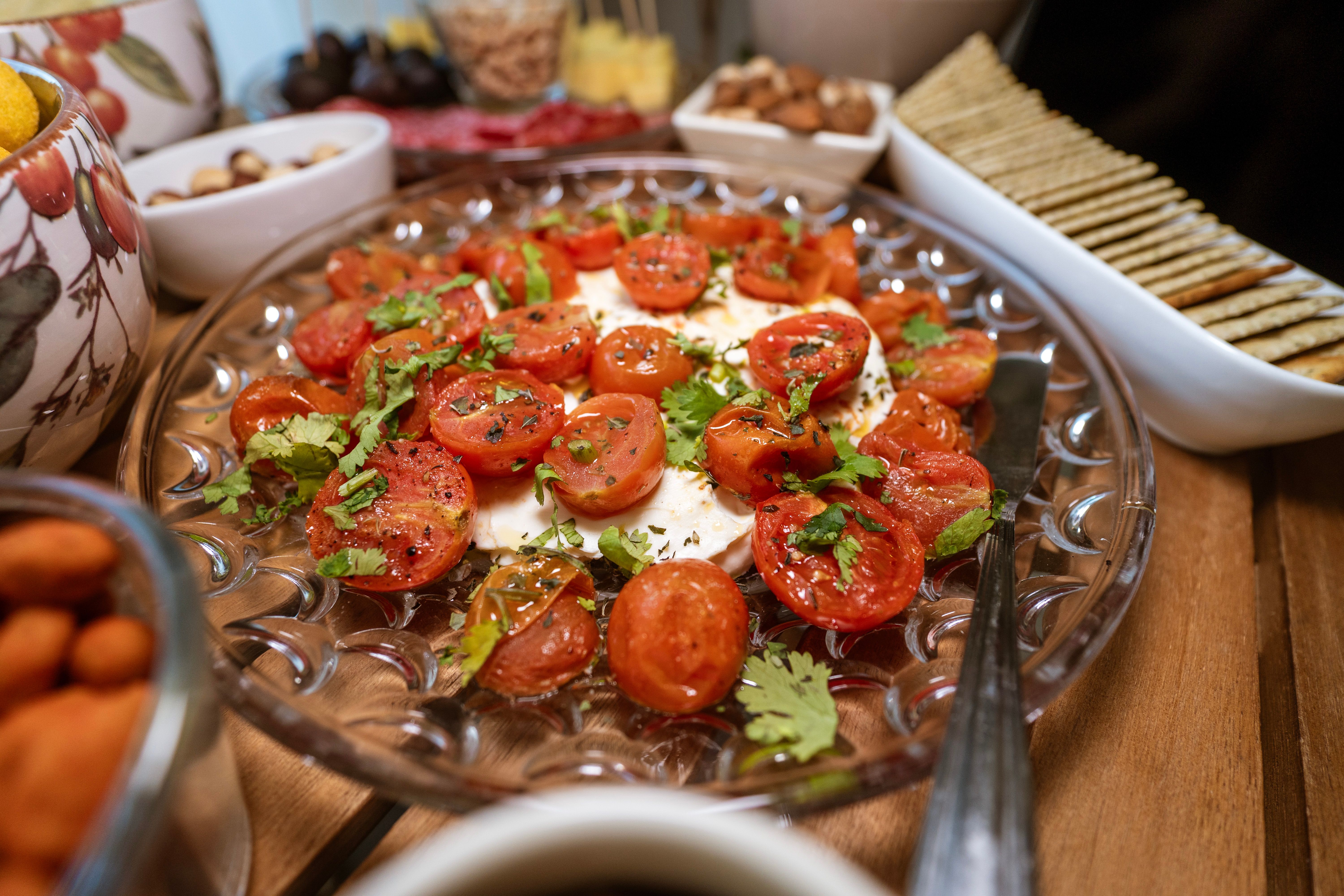
Tomato aspic now looks like a culinary relic, but it once signaled effort and hospitality. Made with tomato juice or soup, gelatin, and additions such as celery, olives, or shredded vegetables, it appeared at church suppers, holiday buffets, and ladies' luncheons. For many boomer children, seeing a ring mold on the table was completely normal.
The dish reflected North American food fashions of the mid-20th century. Gelatin was marketed as modern, attractive, and versatile, and magazines promoted molded salads as elegant entertaining. In Canada, where home cooks often blended British, American, and local influences, savoury gelatin dishes found a firm place at social gatherings.
Younger generations often know gelatin only in sweet form. That makes tomato aspic especially surprising today. Still, it reveals how presentation standards once differed sharply, and how convenience products could be recast as something refined for company meals and community events.
Liver and onions

Liver and onions was once a serious weeknight staple, not a niche diner item. Canadian boomers often encountered it at home because it was economical, filling, and strongly associated with good nutrition. In an era when families were urged to serve iron-rich foods, liver had a reputation as something children should eat whether they liked it or not.
Beef and calf liver were common choices, usually pan-fried with onions and served with mashed potatoes. Many parents believed firmly in its health value, especially for growing children or anyone thought to be run down. Public health messaging in the mid-20th century reinforced the idea that organ meats were sensible household food.
Younger generations have largely turned away from offal, favouring milder cuts and more global protein options. That shift reflects changing tastes as well as abundance. For boomers, though, liver was part of a food culture that wasted less of the animal and placed nutrition ahead of preference.
Salt cod and fish cakes

In many Canadian homes, especially in Atlantic Canada and parts of Quebec, salt cod was more than tradition. It was a pantry essential with deep roots in trade, religion, and preservation. Boomers grew up eating it in fish cakes, baked casseroles, and skillet meals because it kept well and connected families to older regional cooking patterns.
Before widespread home freezing, salt curing was one of the most dependable ways to preserve fish. The cod had to be soaked and desalted, which made it labour-intensive by modern standards. But that extra work was accepted because the ingredient was reliable, protein-rich, and tied to generations of household know-how.
Fish cakes made from flaked cod, mashed potato, onion, and sometimes savoury herbs were especially common. Today, younger Canadians may know fresh salmon better than cured cod. The decline of salt fish in everyday cooking mirrors broader changes in preservation, migration, and the fading of inherited regional food routines.
Brown bread in a can

Canned brown bread remains one of those foods that can stop younger shoppers in their tracks. Dense, slightly sweet, and often made with molasses, rye, or graham flour, it was known in parts of Canada, especially in the Maritimes and Newfoundland households with East Coast or New England influences. For boomers, it was unusual only in hindsight.
Its appeal was practical and cultural at once. It stored well, sliced neatly, and paired perfectly with baked beans, fish, or tinned meats. In some homes, steamed brown bread recipes were also made from scratch, but canned versions offered speed while preserving a taste associated with older domestic traditions.
Because packaged bread today usually means sandwich loaves, wraps, or bagels, this product feels out of step with modern expectations. Yet it reflects a time when preservation, shipping, and regional preference shaped baked goods in ways younger generations rarely encounter in mainstream stores.
Tapioca pudding

Tapioca pudding was a dessert many boomer children met at home, in school cafeterias, or in hospital-style meal service. Made from small tapioca pearls cooked in milk with sugar and sometimes vanilla, it had a soft texture that adults found comforting and children often found either soothing or strange. It was simple, inexpensive, and deeply familiar.
Its popularity rested on pantry economics. Tapioca stored well, milk-based desserts stretched ingredients, and homemade puddings felt substantial without requiring expensive fruit or chocolate. During the mid-20th century, recipe booklets and package directions helped standardize these dishes, making them a regular feature in Canadian kitchens.
Younger Canadians are more likely to know tapioca through bubble tea than through boiled pudding. That difference says a lot about changing food trends. What was once nursery food, sick-day food, and everyday dessert has been eclipsed by flashier sweets and a very different set of textures.
Sardines on crackers

Sardines were once an ordinary snack, lunch component, or emergency cupboard meal in Canadian homes. Packed in tins and rich in salt and oil, they were eaten on crackers, mashed onto toast, or served with onions and vinegar. Boomers often saw them as a normal pantry item, not an adventurous one.
Their role made sense in a country where canned fish had long been valued for affordability and shelf life. Sardines offered protein, calcium, and omega-3 fats before those nutrients became marketing language. They also required no preparation, which made them useful for shift workers, seniors, and families trying to stretch food budgets.
Today, younger consumers often discover sardines through social media trends or specialty food shops. That framing misses their older identity as humble household staples. For boomer Canadians, sardines belonged to a practical food tradition where nourishment, thrift, and convenience mattered more than branding or reinvention.




Leave a Reply