
Some of the oldest laws still show up in the newest grocery carts. One of them is the 1866 federal law that created national food inspection oversight, a foundation that still affects how Americans buy and trust staple foods today.
Milk
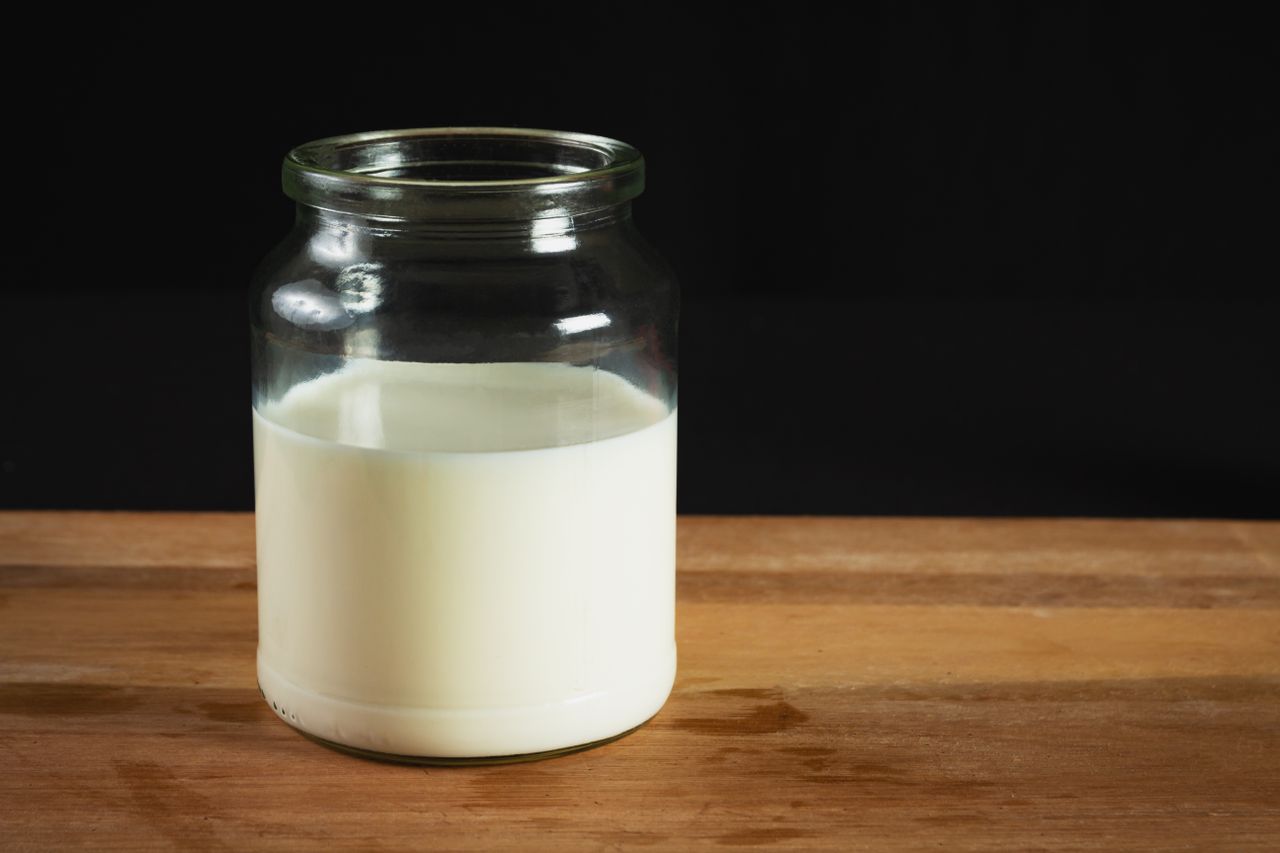
Milk looks simple on the shelf, but it sits at the center of one of America's oldest food-safety battles. The 1866 federal framework for agricultural oversight helped establish the idea that perishable foods needed consistent inspection, not just local trust.
That legacy carries into modern milk rules through federal grading, sanitation standards, and interstate enforcement. Pasteurization rules themselves came later, but the legal expectation that government should monitor dairy safety grew from those early inspection powers.
Raw milk remains the clearest example of how old authority still shapes modern choice. States differ on direct sales, yet interstate commerce is tightly controlled, and federal agencies still treat milk as a product requiring serious public-health attention.
The reason is not theoretical. Contamination risks from Salmonella, E. coli, and Listeria have repeatedly triggered recalls and illness investigations, so the old inspection mindset still guides how milk moves from farm tanks to supermarket coolers.
Cheese
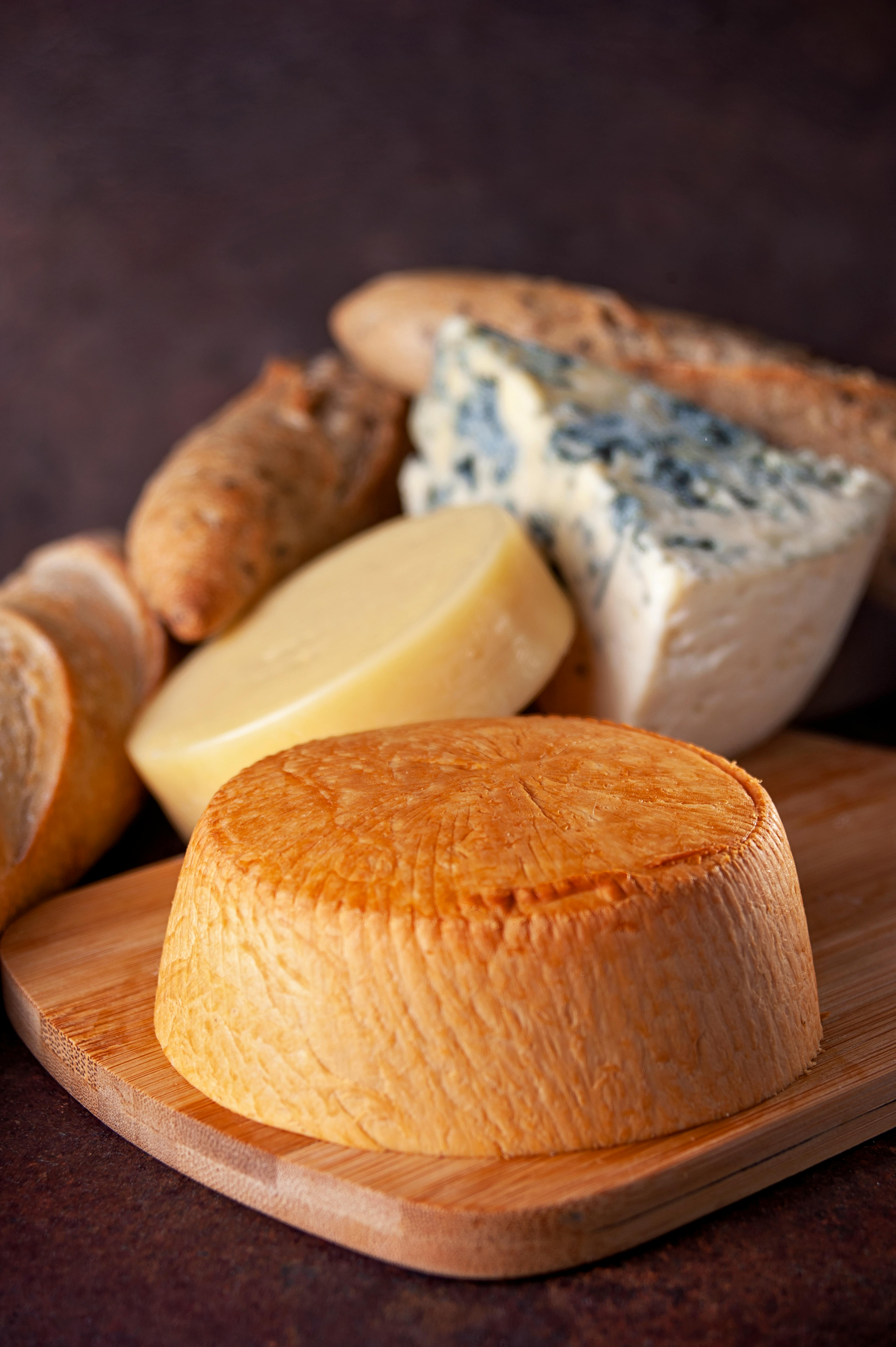
Cheese is where tradition and regulation constantly meet. Aged cheddar from a small creamery may feel worlds away from federal law, yet long-standing inspection authority still influences how cheese is produced, labeled, and transported across state lines.
One major example is raw-milk cheese. In the United States, cheeses made from unpasteurized milk generally must be aged at least 60 days before legal sale, a rule rooted in the belief that time lowers dangerous bacterial risks.
That standard has been debated for years because some experts say certain pathogens can survive well past 60 days. Even so, regulators continue to rely on inspection, plant sanitation reviews, and microbial testing built on a long federal oversight tradition.
Processed cheese products also reveal the law's reach. Identity standards determine what can legally be called cheese, cheese food, or cheese product, and those distinctions affect everything from ingredient formulas to what consumers think they are buying.
Butter
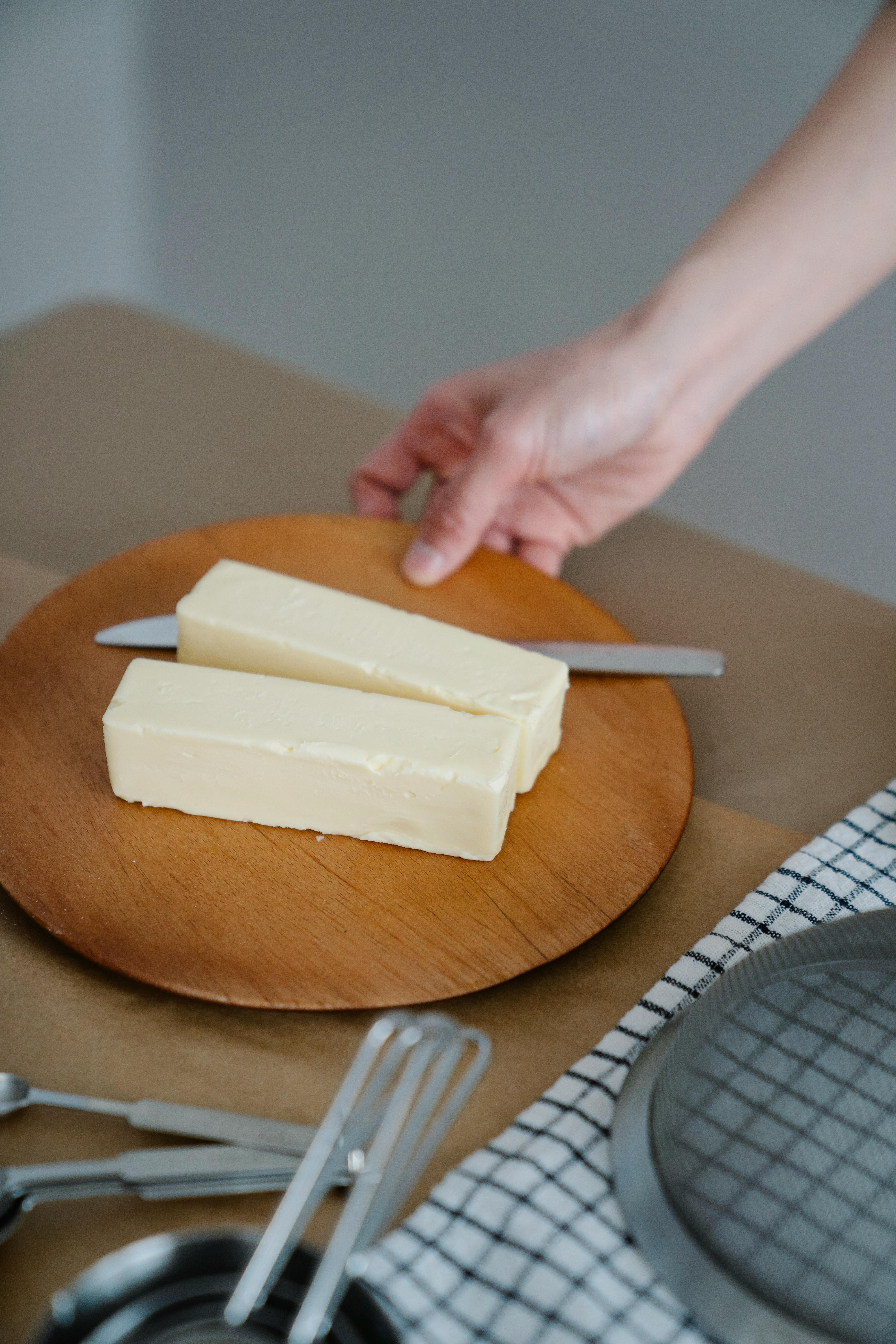
Butter often carries an image of farmstead simplicity, but it is one of the most tightly defined foods in the dairy case. Federal oversight helped turn butter from a variable local product into a nationally standardized commodity.
Today, butter is subject to standards for composition, grading, and labeling. In practical terms, that means products sold as butter must meet expectations for milkfat content, while lower-fat spreads are pushed into clearly different categories.
This matters because labels shape consumer understanding. If a package looks like butter but legally is a spread or blend, rules developed through generations of inspection policy are what force that distinction into clear view.
Quality grading also has economic consequences. Manufacturers and commercial buyers rely on federal grades for consistency, and that helps explain why an old legal structure still matters in restaurants, bakeries, food service contracts, and retail distribution.
Eggs
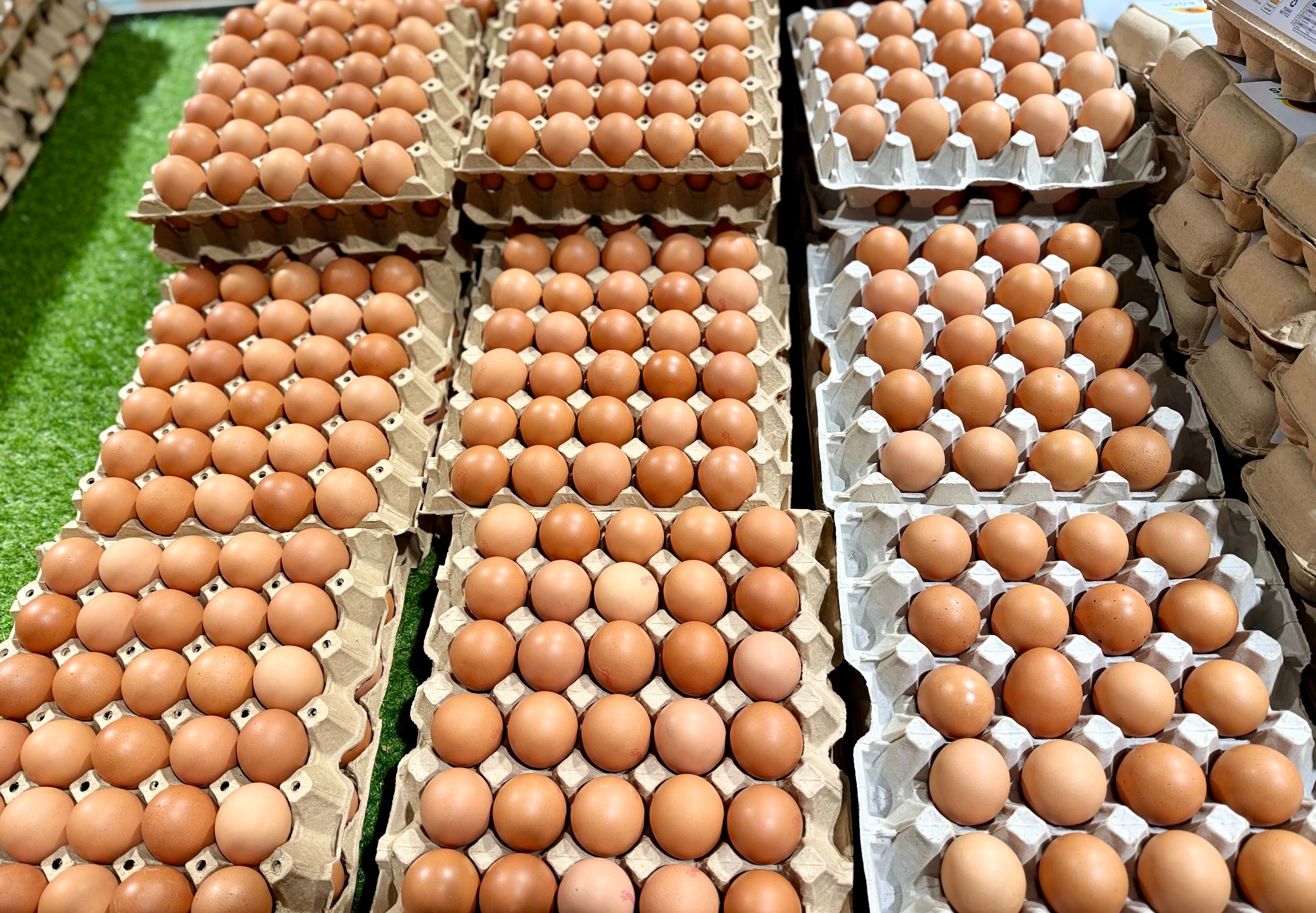
Eggs are fragile, highly perishable, and surprisingly regulated. Long before modern supermarket logistics, federal lawmakers recognized that animal products moving through commerce required oversight, and eggs became one of the clearest examples of that principle.
Modern egg regulation combines farm biosecurity, processing sanitation, refrigeration expectations, and grading standards. Shell eggs sold to consumers are checked for quality factors such as shell condition and air cell size, which directly affect grade labels.
Salmonella Enteritidis pushed oversight further in recent decades. Large egg producers must now follow preventive safety plans, environmental testing, and refrigeration protocols, all reflecting the same old government role of reducing risk before food reaches the public.
Even carton dates show the reach of regulation. While date labeling can confuse shoppers, federal and state rules around packing plants, storage, and safe handling work together to make eggs one of the most continuously monitored foods in stores.
Oysters and Other Shellfish
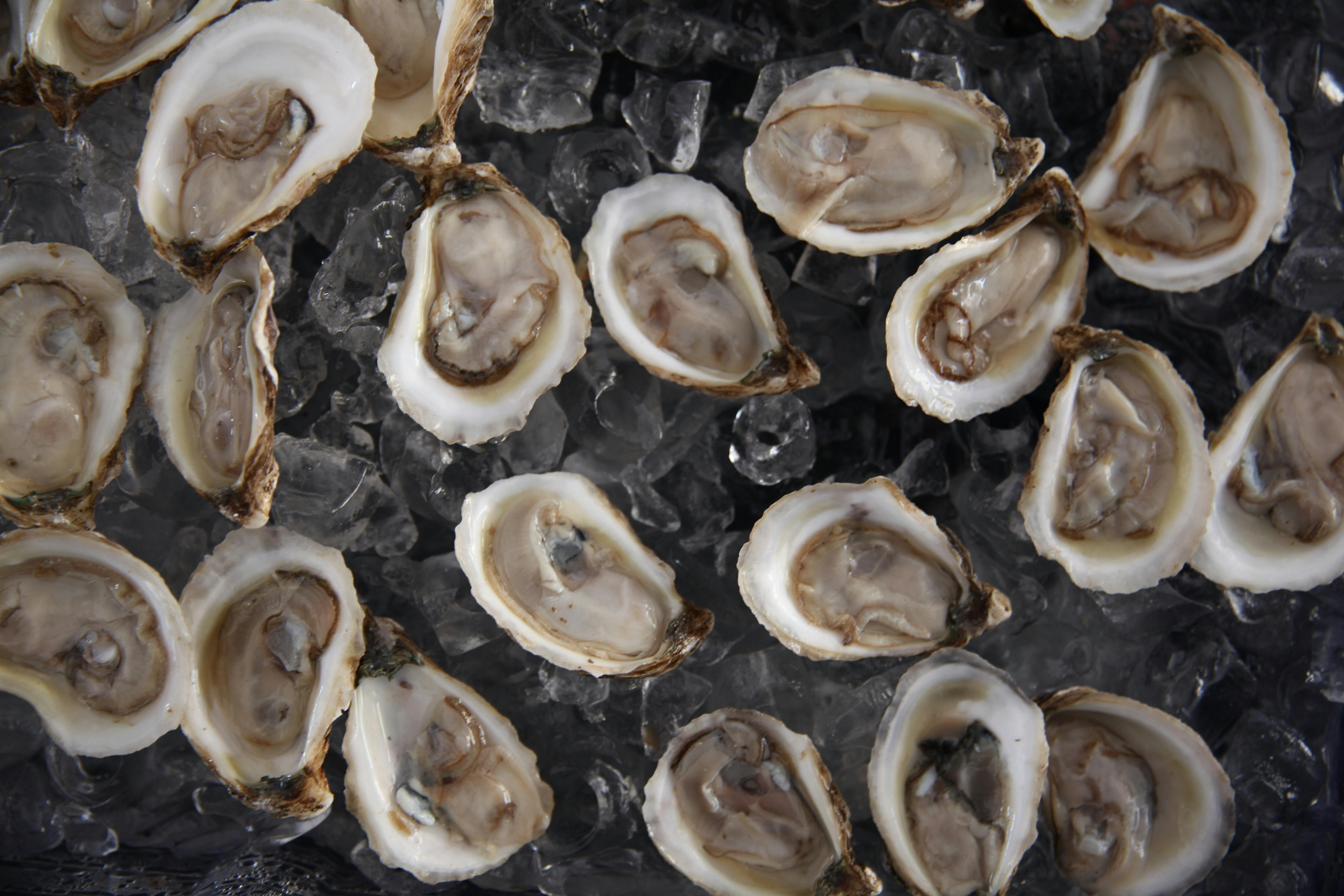
Shellfish regulation starts with geography. Oysters, clams, and mussels can concentrate bacteria, viruses, and marine toxins from the waters around them, so old federal inspection ideas evolved into a system that watches both food and habitat.
The modern shellfish safety system depends on approved harvesting waters, traceable tags, temperature controls, and plant certification. If one bed is contaminated, authorities can close an area quickly and track where its shellfish were shipped.
This is not overcaution. Vibrio outbreaks, norovirus contamination, and harmful algal blooms can turn a raw-bar delicacy into a public-health event, which is why regulators treat shellfish as a category requiring unusually strict chain-of-custody controls.
For diners, that legacy is mostly invisible. For harvesters and restaurants, it shapes daily operations, from recordkeeping to refrigeration to the simple rule that shellfish without proper tags should never be served.
Beef
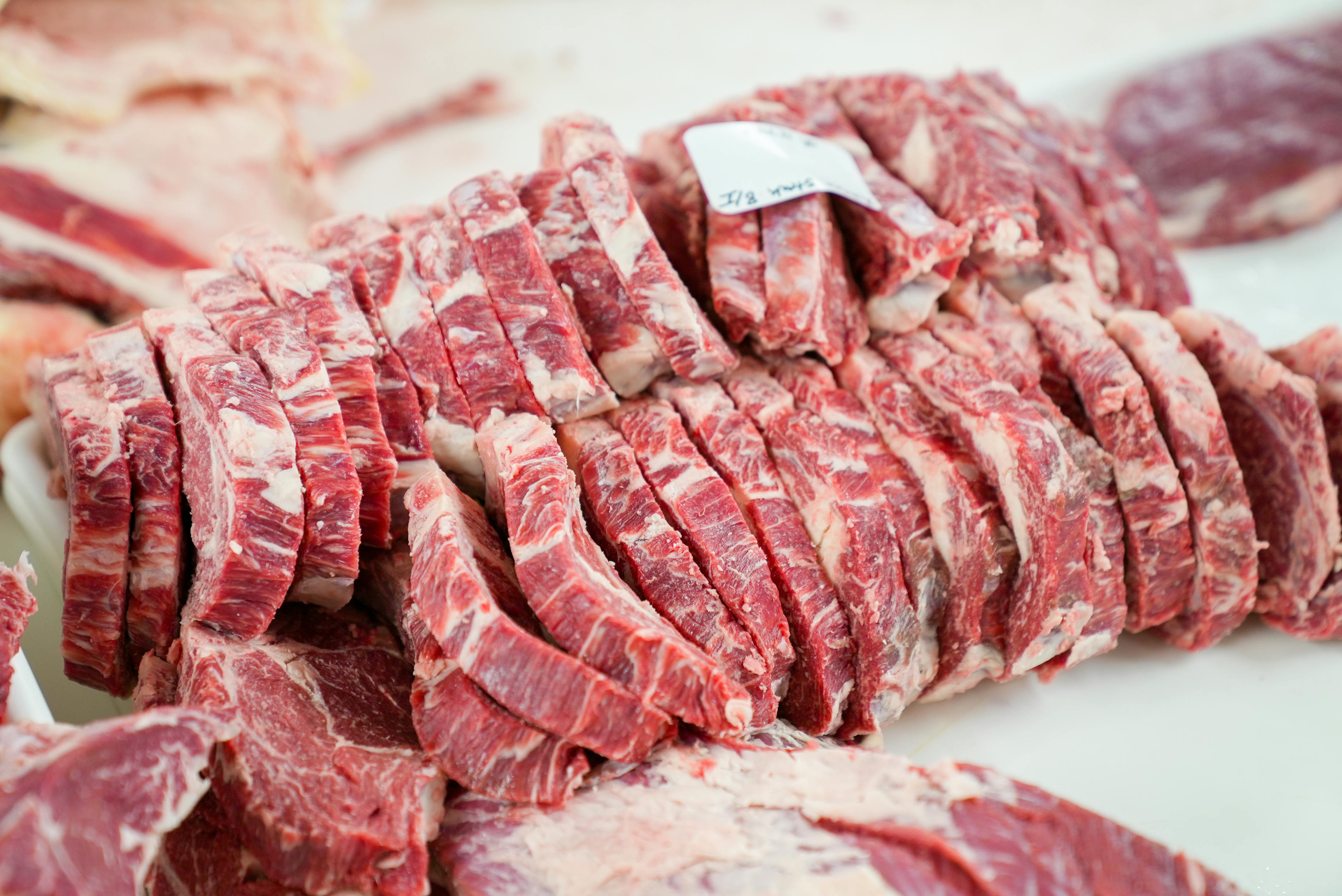
Beef inspection is one of the most visible descendants of early federal food law. While later statutes expanded authority dramatically, the 1866 model helped cement the idea that meat sold widely should not depend on a buyer's blind faith.
Today, slaughterhouses and processing plants operate under continuous or routine inspection systems, with checks for disease, contamination, sanitation failures, and labeling accuracy. Ground beef receives particular attention because bacteria can spread throughout the product.
History explains the intensity. Outbreaks linked to E. coli O157:H7 changed how regulators and companies approach testing, plant controls, and cooking guidance, especially after high-profile food-safety crises in the late twentieth century.
Inspection also affects trade and pricing. Federal marks of inspection are not just bureaucratic stamps, they are commercial passports that allow beef to move through schools, supermarkets, export channels, and major food-service supply chains.
Pork
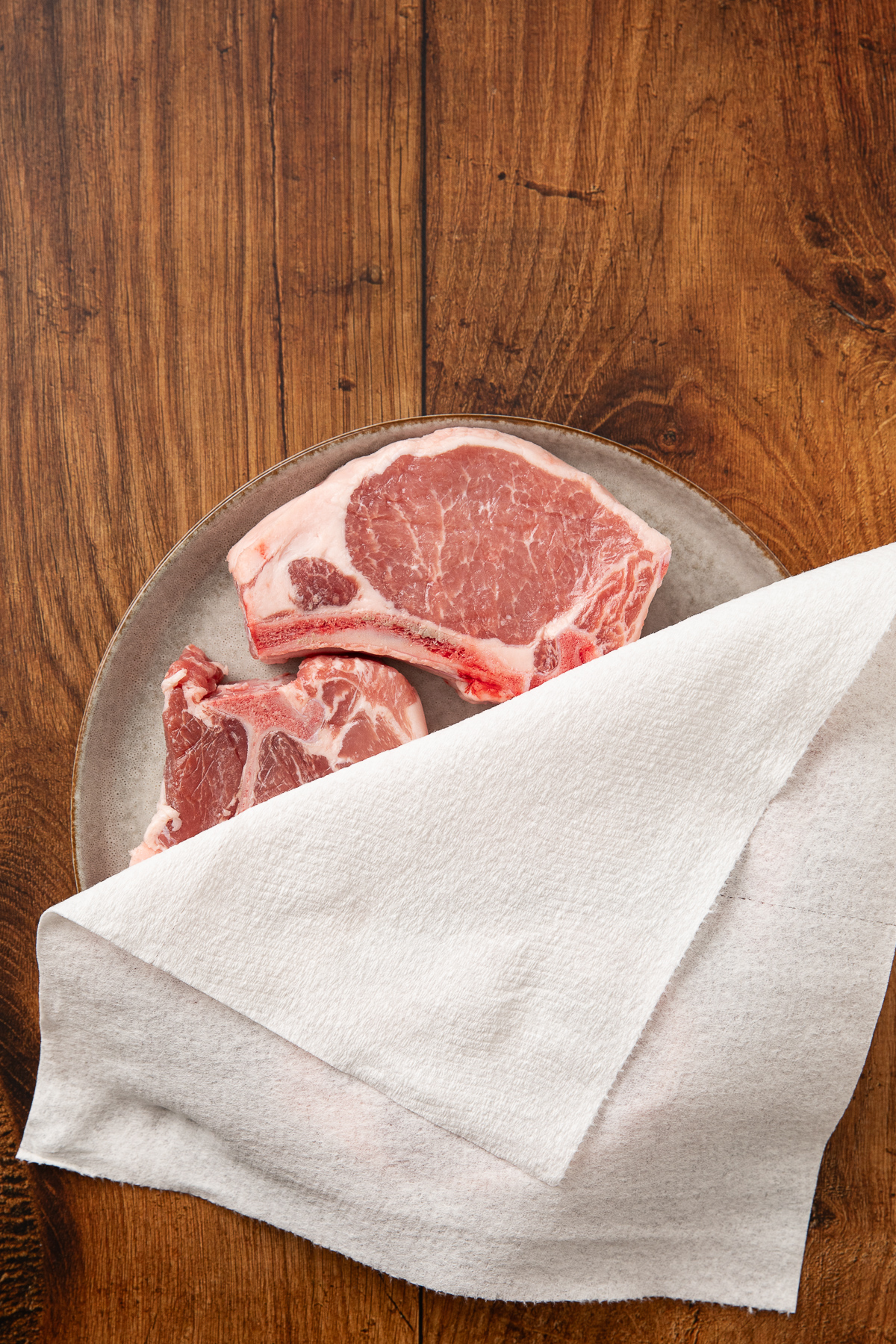
Pork regulation carries a long memory of disease prevention. For generations, trichinella was the danger most Americans associated with pork, and that helped justify strict oversight of slaughter, processing, and safe handling throughout the supply chain.
Modern production has reduced trichinella risk sharply, but inspection still matters because pork faces other hazards, including Salmonella and processing contamination. Federal oversight monitors animal health indicators, carcass conditions, plant sanitation, and product labeling.
Processed pork products add another layer. Bacon, ham, sausage, and ready-to-eat meats are governed by rules on curing, additives, moisture, and lethality steps, especially when a product could support dangerous bacterial growth after packaging.
The result is a food category where old legal authority still shapes both industrial systems and home kitchens. Consumers mostly see prices and package claims, but behind those labels is a dense inspection history still doing practical work.
Poultry
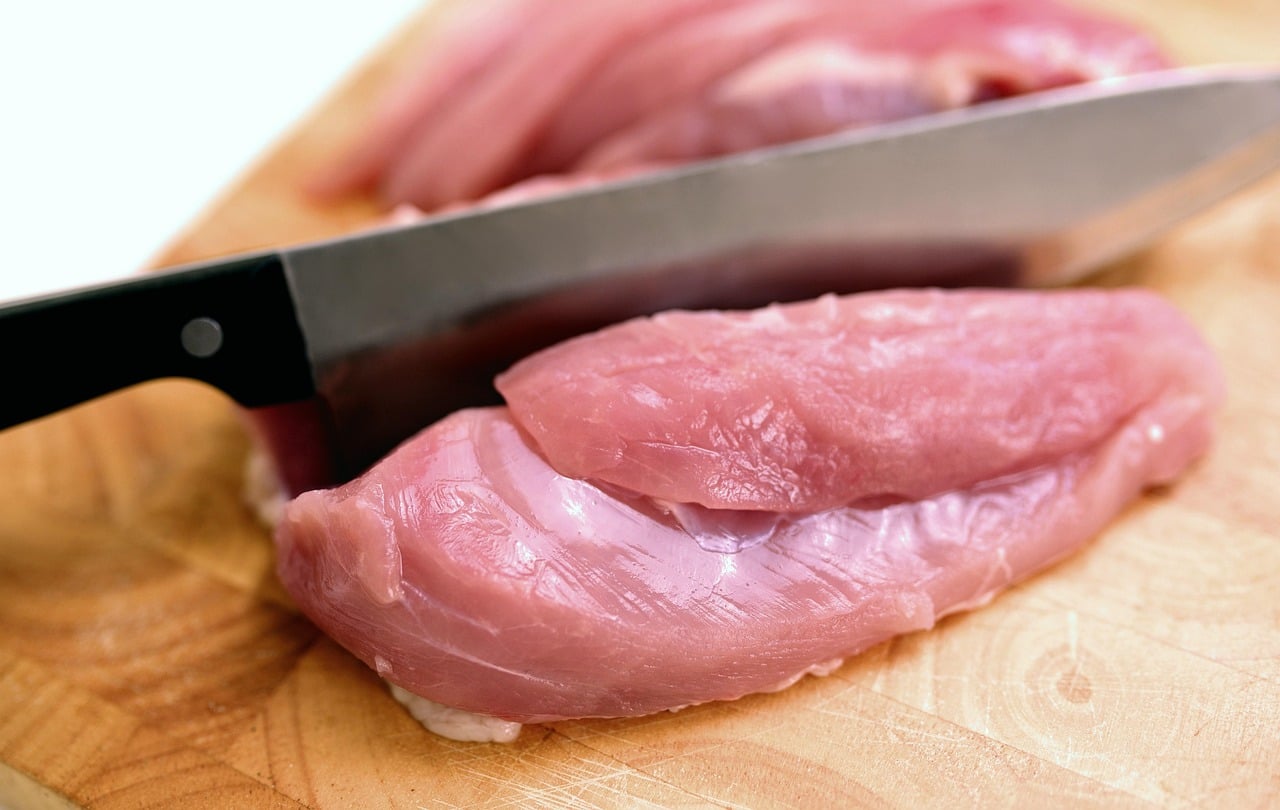
Chicken and turkey became everyday staples partly because modern inspection made mass distribution more trustworthy. The legal roots go back to the same nineteenth-century belief that the federal government had a role in protecting food moving through commerce.
Poultry plants are monitored for visible defects, sanitation performance, and microbial control. In recent years, Salmonella and Campylobacter have been central concerns, pushing regulators to focus less on appearance alone and more on measurable contamination risks.
That shift shows how old laws stay relevant by adapting. The authority may be historic, but the tools now include hazard analysis systems, verification testing, and recall coordination that can remove products from national distribution quickly.
Consumers feel those systems in subtle ways. Cooking instructions, safe-handling labels, plant trace codes, and retail cold-chain expectations all reflect a long inspection tradition designed to make a very common protein less risky.
Infant Formula

Infant formula may seem like a modern, science-driven product far removed from nineteenth-century law. In reality, it reflects one of the clearest extensions of early federal food oversight: when nutrition is critical, inspection and standards become nonnegotiable.
Formula is regulated not only for safety but also for nutritional adequacy, manufacturing controls, and contamination prevention. Producers must meet detailed requirements because errors are not minor when infants may rely on the product as a primary food source.
The 2022 formula crisis showed how powerful and fragile that system can be. Plant shutdowns, bacterial concerns, and supply shortages demonstrated that strict oversight protects health, but also that concentrated production can leave families vulnerable when disruptions hit.
That is why this old legal legacy still matters. It created the expectation that the government should intervene when food quality affects survival, and few products illustrate that principle more clearly than infant formula.


Leave a Reply