Cornbread looks simple, but a few small missteps can turn it dry, dense, gummy, or oddly crumbly. The good news is that most texture problems come down to technique, timing, and ingredient choices you can correct right away. This gallery breaks down the most common cornbread mistakes and shows you how to get a tender crumb and crisp edges every time.
Overmixing the batter
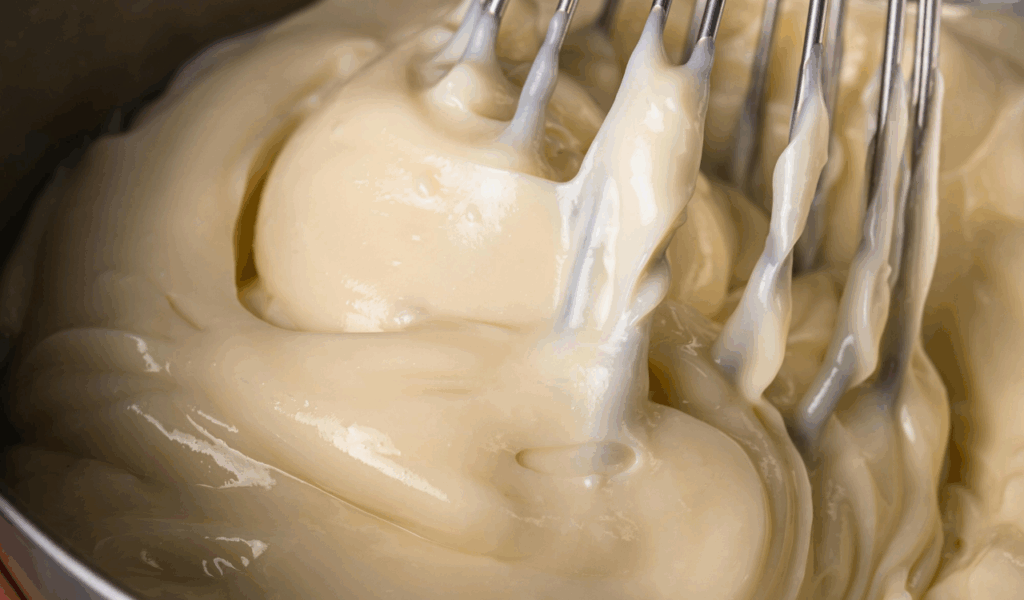
The fastest way to turn promising batter into disappointing cornbread is to keep stirring after everything is combined. Too much mixing develops gluten if flour is present, and it also whips in excess air that can collapse in the oven instead of lifting the crumb.
What you want is restraint. Stir the wet and dry ingredients together just until no dry streaks remain, even if the batter still looks a little lumpy. That rough-looking batter usually bakes up more tender than one beaten smooth.
If your cornbread often comes out chewy, tough, or oddly dry, this is the first habit to fix.
Using stale cornmeal
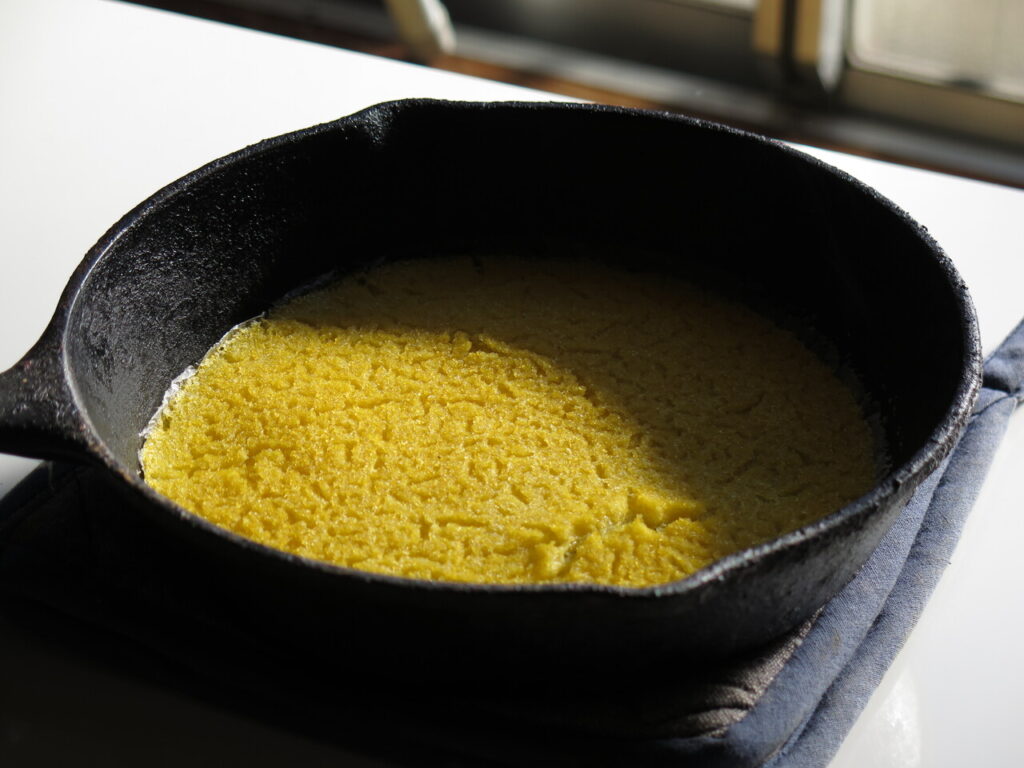
Cornmeal does not stay fresh forever, and old cornmeal can quietly flatten both flavor and texture. Instead of tasting sweet and nutty, it starts to seem dusty and tired, which leaves cornbread bland before it even reaches the oven.
Fresh cornmeal gives the bread a truer corn flavor and a more lively crumb. If you buy a large bag, store it in an airtight container somewhere cool and dark. For longer storage, the freezer is even better.
If your cornbread seems dull no matter what recipe you use, check the cornmeal first. A fresher bag can make an immediate difference.
Choosing the wrong grind
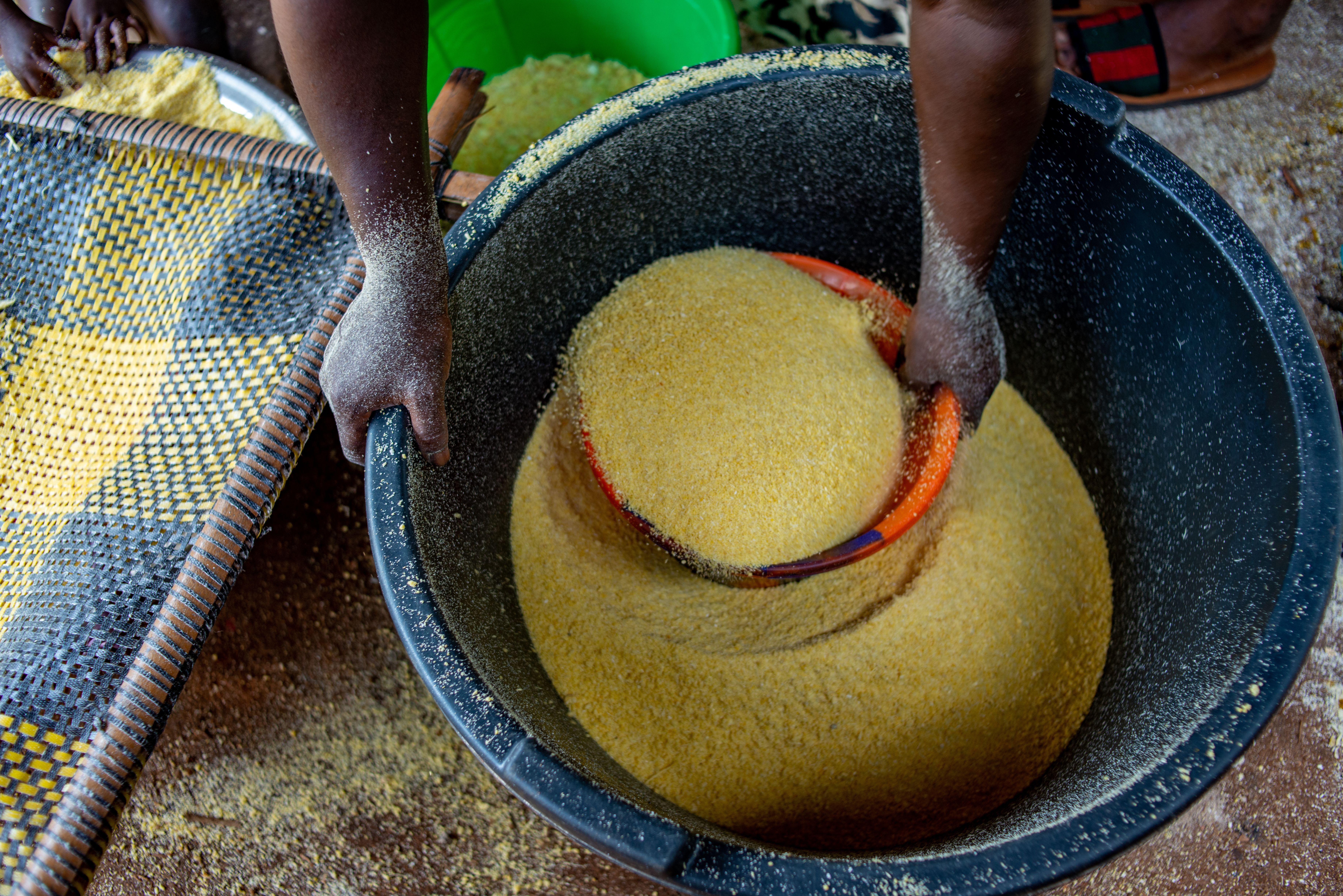
Not all cornmeal behaves the same, and grind size has a big impact on texture. Fine cornmeal bakes into a smoother, softer crumb, while medium or stone-ground cornmeal creates a more rustic bite with visible grain and stronger corn character.
If you use a grind that is too coarse, the cornbread can feel heavy or gritty unless the batter gets enough hydration. If you go too fine, it may edge toward cake instead of classic cornbread.
For most everyday pans, medium grind is the safest sweet spot. It gives you texture without roughness and a crumb that still feels tender.
Skimping on fat

Cornbread without enough fat rarely feels generous on the palate. Fat does more than add flavor. It helps keep the crumb moist, softens the bite, and supports a better rise by working with the rest of the batter instead of against it.
Butter, bacon fat, buttermilk, yogurt, sour cream, and full-fat milk all bring something useful to the pan. They coat the dry ingredients, helping limit toughness and giving the bread a more cohesive interior.
If your slices break apart too easily or taste dry even when freshly baked, the formula may simply need more richness. This is one fix that pays off fast.
Measuring ingredients carelessly
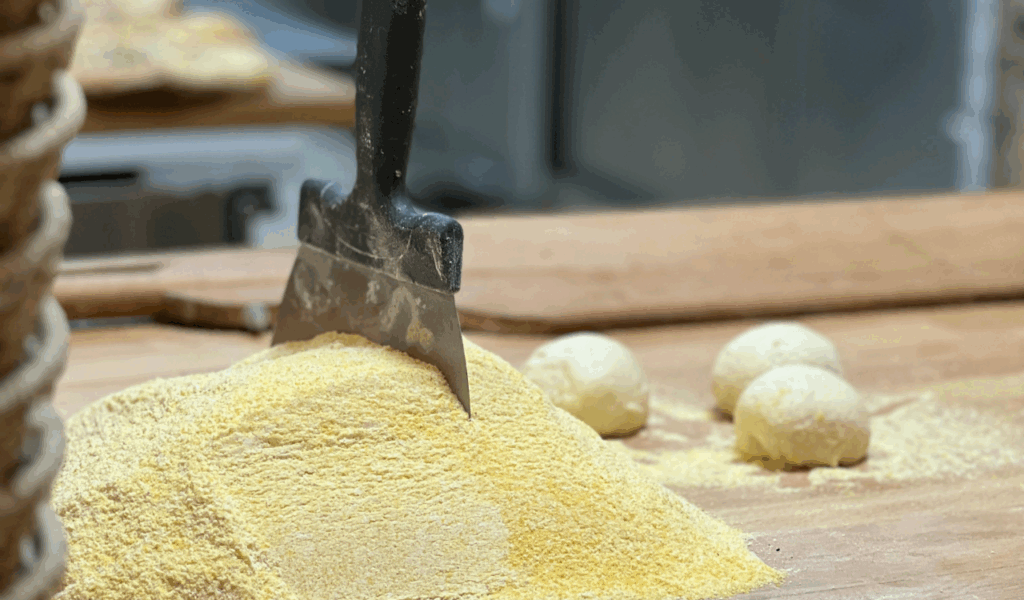
Cornbread is forgiving in spirit, but baking still depends on balance. A little too much cornmeal or flour can soak up more liquid than expected, leaving you with a dry, dense interior instead of a tender crumb.
The most accurate method is weighing ingredients with a digital kitchen scale. If you are using measuring cups, fluff the dry ingredients first, spoon them gently into the cup, and level the top with a knife. Scooping directly from the bag packs in too much.
This is one of those small habits that changes everything. Better measuring often fixes texture problems that seem mysterious at first.
Putting it in a cold oven
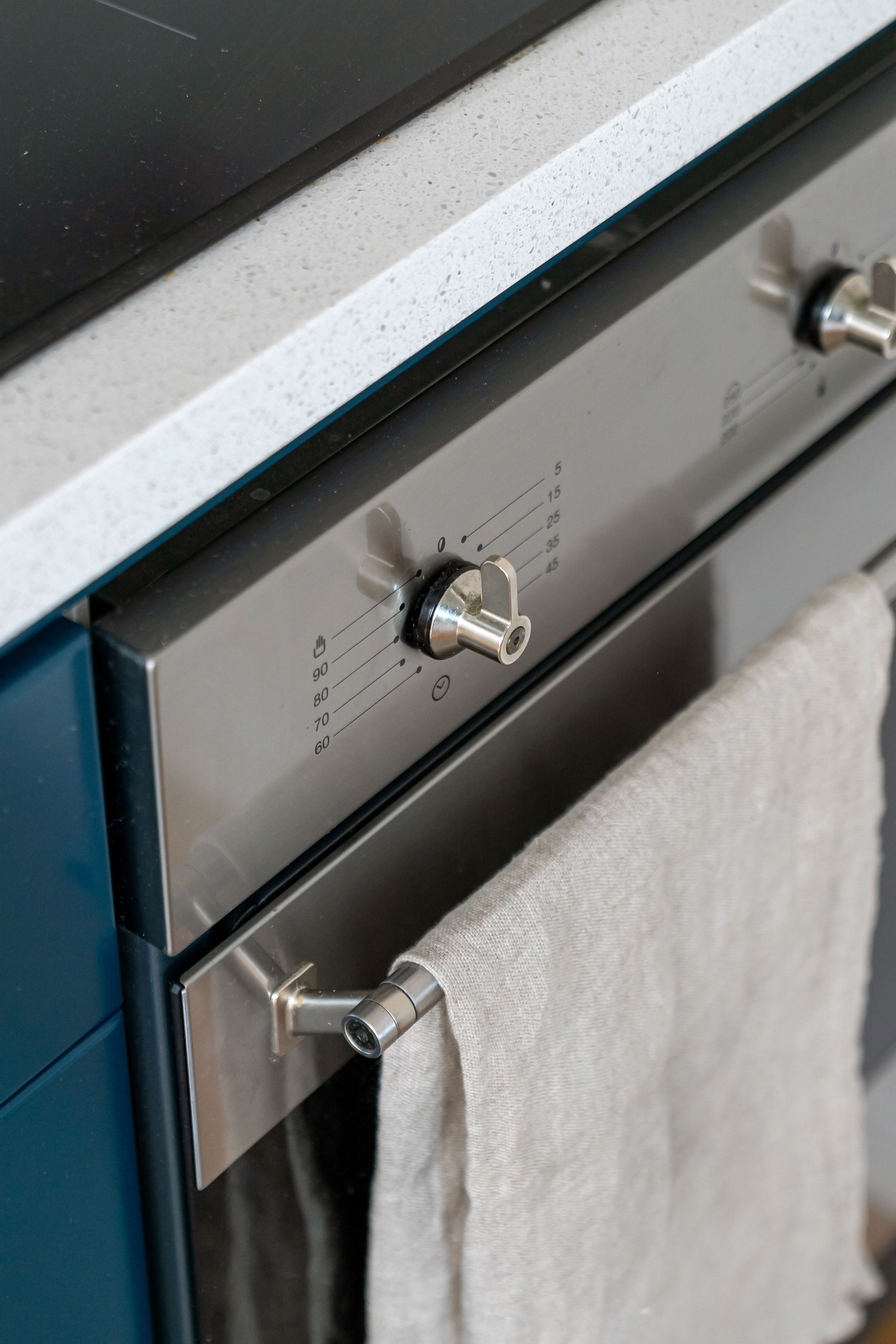
A cold oven slows down the very reactions cornbread depends on. Baking powder and baking soda start working as soon as they meet liquid or acid, so if the oven is not fully hot, that lift gets wasted before the structure can set.
Preheating also helps the bread cook more evenly from edge to center. Without that steady heat, you can end up with pale tops, uneven rise, and a texture that feels heavy instead of airy.
Start preheating before you mix the batter so the oven is ready when the leavening is most active. It is a basic step, but it has a major effect on texture.
Adding too much sugar
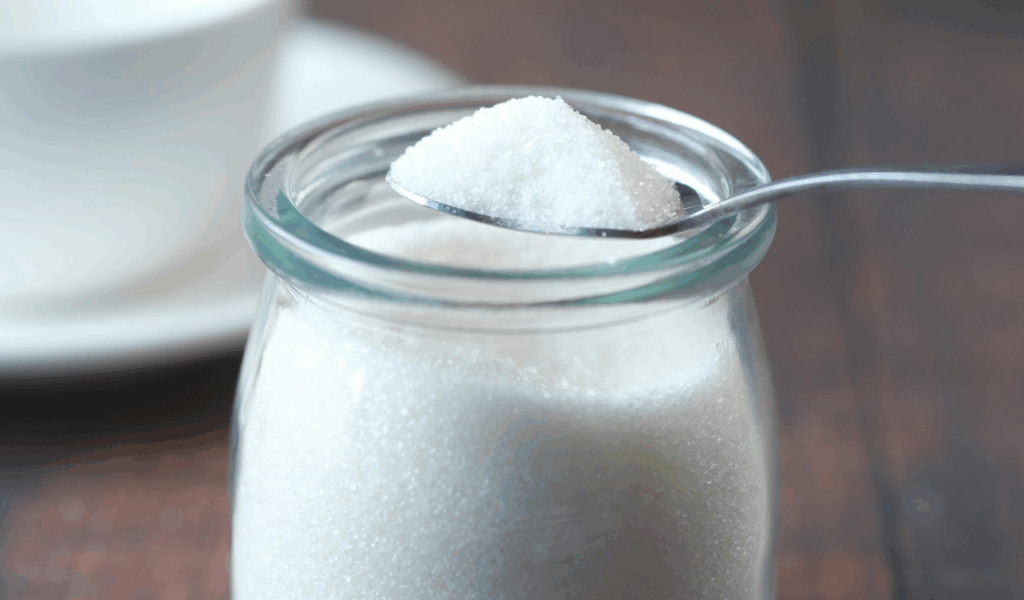
A little sugar can round out the natural sweetness of corn, but too much pushes cornbread into cake territory. That shift changes more than flavor. It can also affect browning, moisture balance, and the overall structure of the crumb.
If your goal is classic savory cornbread, keep sugar restrained or skip it entirely. Even a scant tablespoon can be enough in many recipes. The point is to support the corn flavor, not bury it.
When cornbread turns overly sweet, the texture often feels less hearty and more dessert-like. If that is not what you want, dial the sugar back and let the corn lead.
Skipping the batter rest
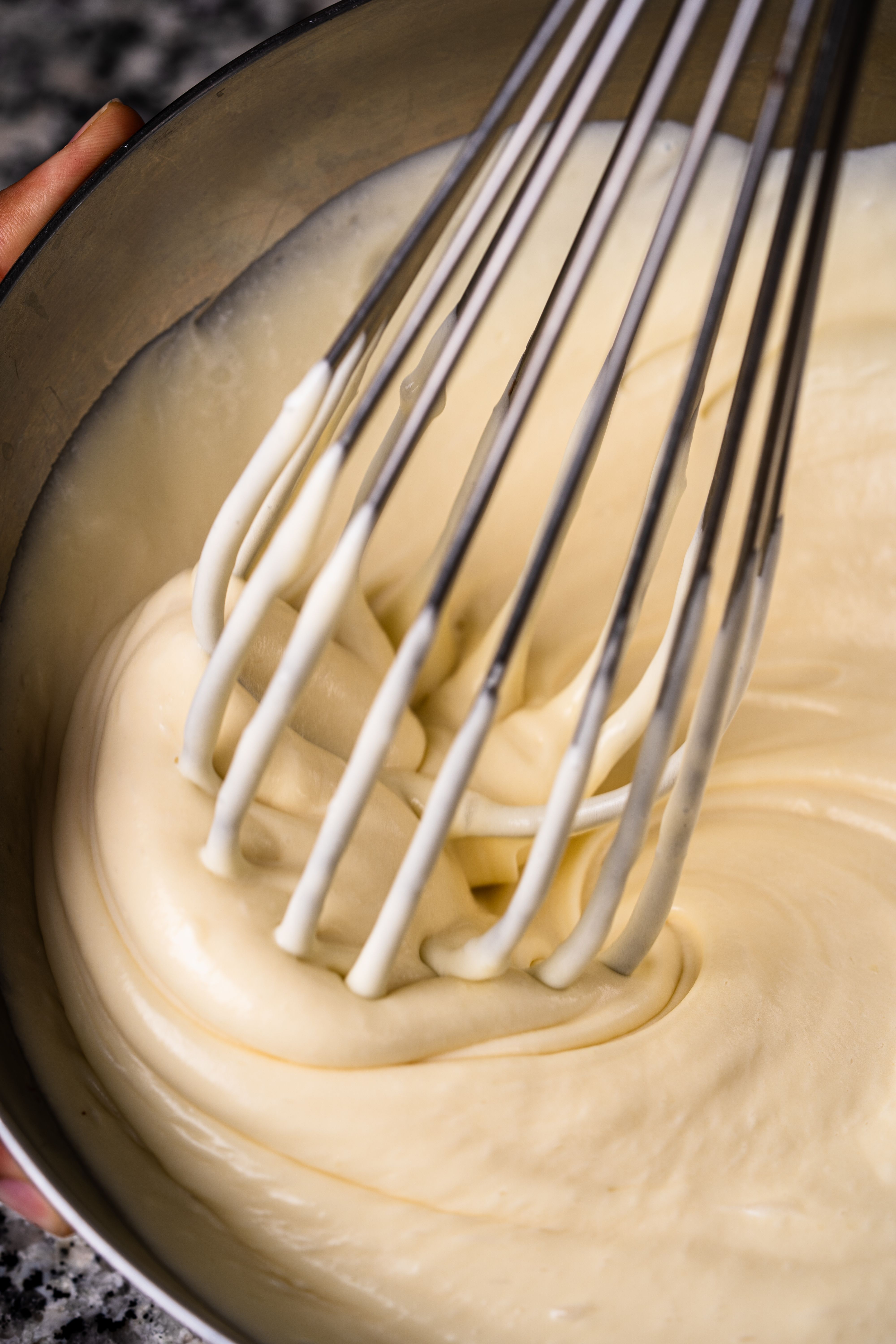
Cornmeal needs a moment to catch up. Unlike flour, it does not hydrate instantly, which means batter that goes straight into the oven can bake unevenly, with a rougher texture and less rise than it could have had.
A short rest, about 10 minutes, gives the cornmeal time to absorb liquid and allows the leavening to begin doing its work. That usually leads to a better crumb and a more even bake.
Do not stretch the pause too long, though. If the batter sits around past its peak, the lift starts fading before baking begins. The sweet spot is a brief rest, not a long nap.
Not preheating the skillet
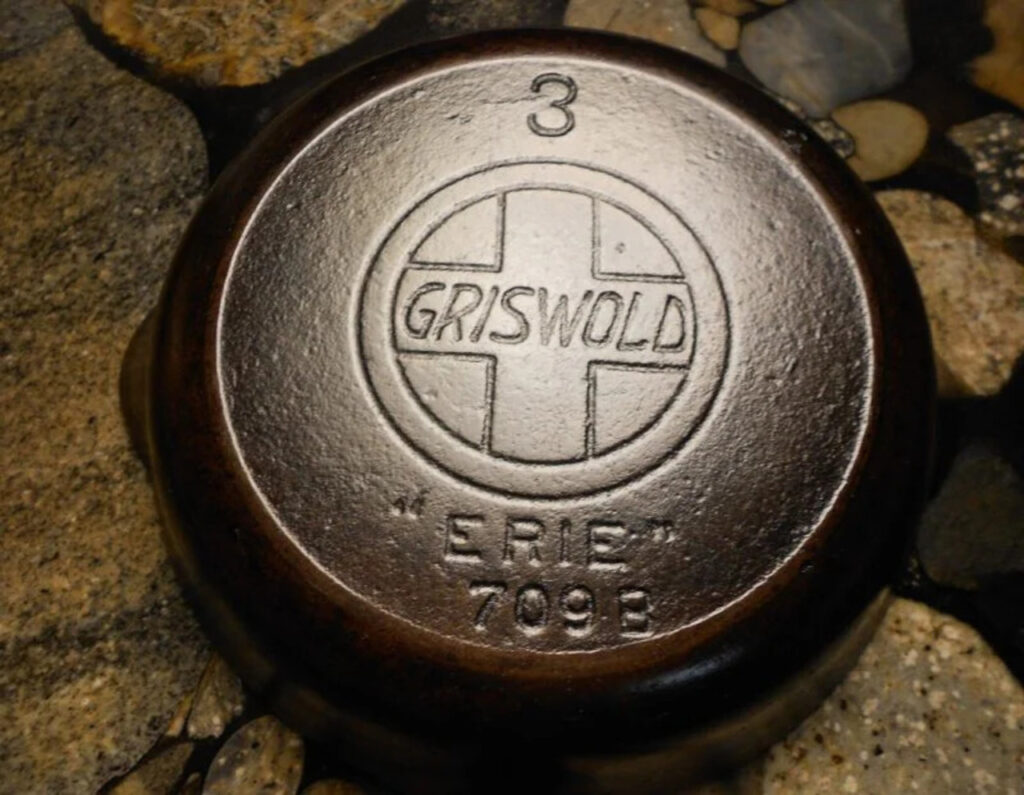
A hot skillet does something magical for cornbread texture. It starts setting the outside of the batter the second it hits the pan, which helps create that crisp, deeply golden crust people love while keeping the inside tender.
Cast iron is especially good at this because it holds heat so well, but any oven-safe pan can help if it is properly preheated. Add your fat to the hot pan, swirl it around carefully, then pour in the rested batter.
If your cornbread lacks that crisp edge and sturdy bottom crust, the pan temperature may be the missing piece. This one step can change the entire eating experience.