Every region has a soup that feels like home, and the best ones tell a bigger story than what is simmering in the pot. From Indigenous recipes with deep roots to diner staples and tavern classics, these are the bowls locals come back to when the weather turns or comfort is nonnegotiable. Consider this a warm, edible road trip through the United States.
Broccoli Cheddar Soup
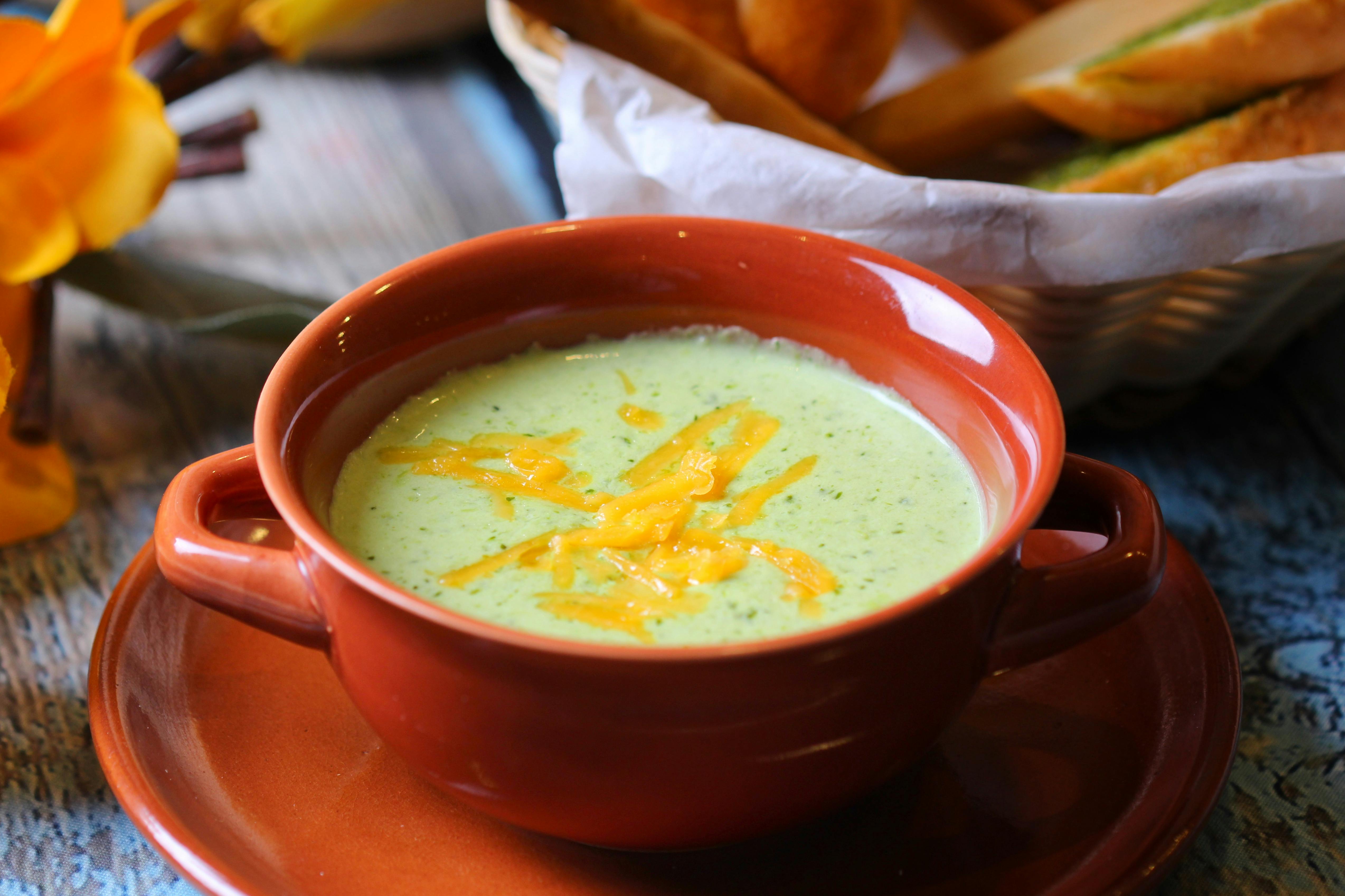
Broccoli cheddar soup has a way of winning over even people who claim they do not like broccoli. The magic is in the texture: tender florets, a velvety base, and enough sharp cheddar to make each spoonful feel indulgent without tipping into excess. It is cozy, familiar, and built for chilly afternoons.
The soup became a true American comfort staple thanks in part to Campbell's and later chain favorites that made it a lunch counter regular. Bread bowls only boosted its reputation. What keeps locals coming back, though, is the balance of earthy vegetable flavor and creamy cheese. It is a soup that feels nostalgic, practical, and just a little bit irresistible.
Saimin

In Hawaii, saimin is more than a noodle soup. It is a snapshot of the islands' blended food culture in one bowl. The broth is usually light and clear, often dashi-based, while the toppings can include wheat noodles, fish cake, green onions, shrimp, and slices of ham or Spam. It is gentle, savory, and deeply soothing.
Its history traces to plantation communities where workers from different backgrounds shared ingredients and cooking traditions. That mix helped create something distinctly Hawaiian. For locals, saimin is comfort food in the truest sense, the kind of everyday dish tied to childhood memories and casual family meals. Its growing popularity on the mainland only proves how universally appealing a warm, balanced noodle soup can be.
Wohanpi Soup

Wohanpi soup carries a history that reaches far beyond the bowl. Traditionally associated with the Lakota people, it was often made with bison, though many modern versions use beef. Prairie turnips, potatoes, and carrots give it body, while the broth stays straightforward and nourishing. The result is a soup that feels rooted, practical, and quietly rich.
For many families, this is not trend food or restaurant novelty. It is a dish connected to memory, place, and survival on the Plains. That context matters. Locals who grew up with wohanpi often describe it as deeply comforting, especially in cold weather, because it delivers more than warmth. It brings continuity, flavor, and a sense of home.
Senate Bean Soup
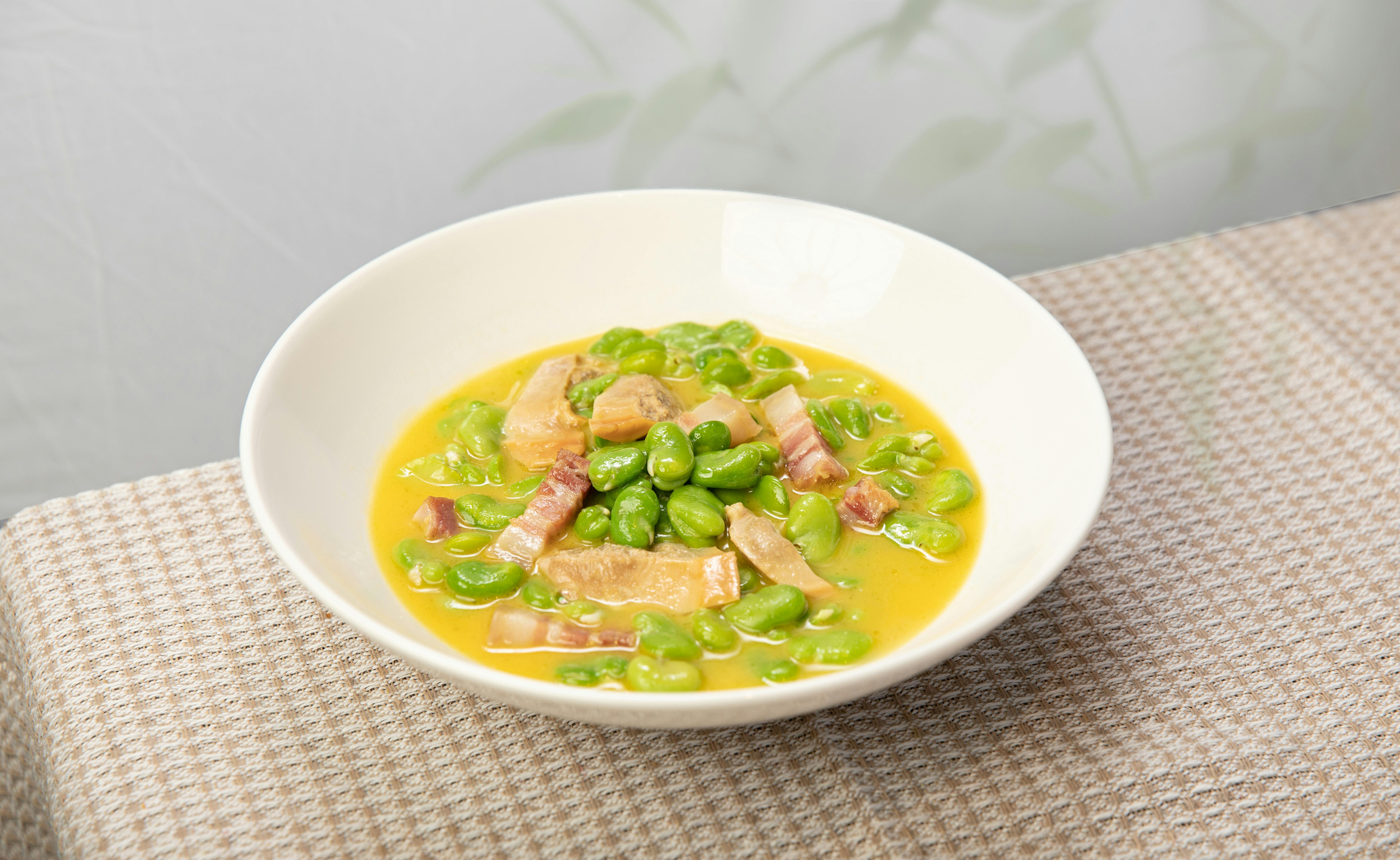
Bean soup might sound humble, but Senate bean soup has had remarkable staying power. It has been served in the U.S. Senate dining rooms for more than a century, and that kind of longevity usually means one thing: people genuinely want to eat it. Navy beans, ham, aromatics, and a simple thickened body give it a sturdy, old-school appeal.
There is no flashy trick here, which is exactly the point. This is the sort of soup that feels reassuring because it is honest and filling. Locals and home cooks who make versions of it appreciate how pantry-friendly it is, especially in colder months. One bowl tastes like thrift, tradition, and the comfort of something dependable done right.
Swamp Soup
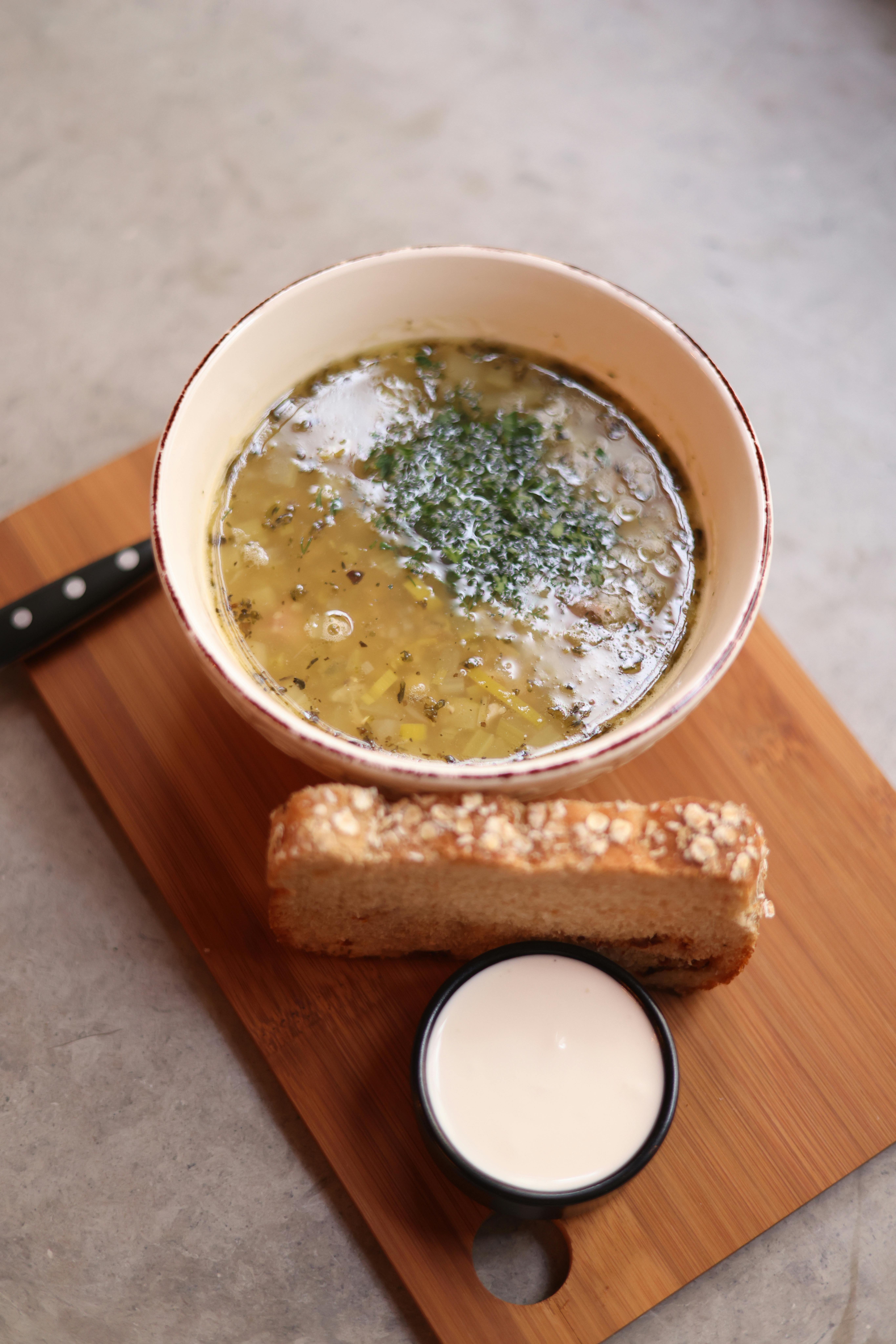
Swamp soup may have one of the least elegant names in American cooking, but Alabama locals know it delivers exactly what comfort food should. The color comes from greens and beans, not anything mysterious, and the flavor leans deeply Southern. Smoked sausage, onion, broth, turnip greens, beans, and a little heat create a bowl that is bold, earthy, and satisfying.
This is the kind of soup that begs for cornbread on the side and a second helping before the pot leaves the stove. It is hearty without being fussy, and it turns basic ingredients into something bigger than the sum of its parts. Among people who grew up with it, swamp soup is pure cold-night reassurance.
Minnesota Wild Rice Soup
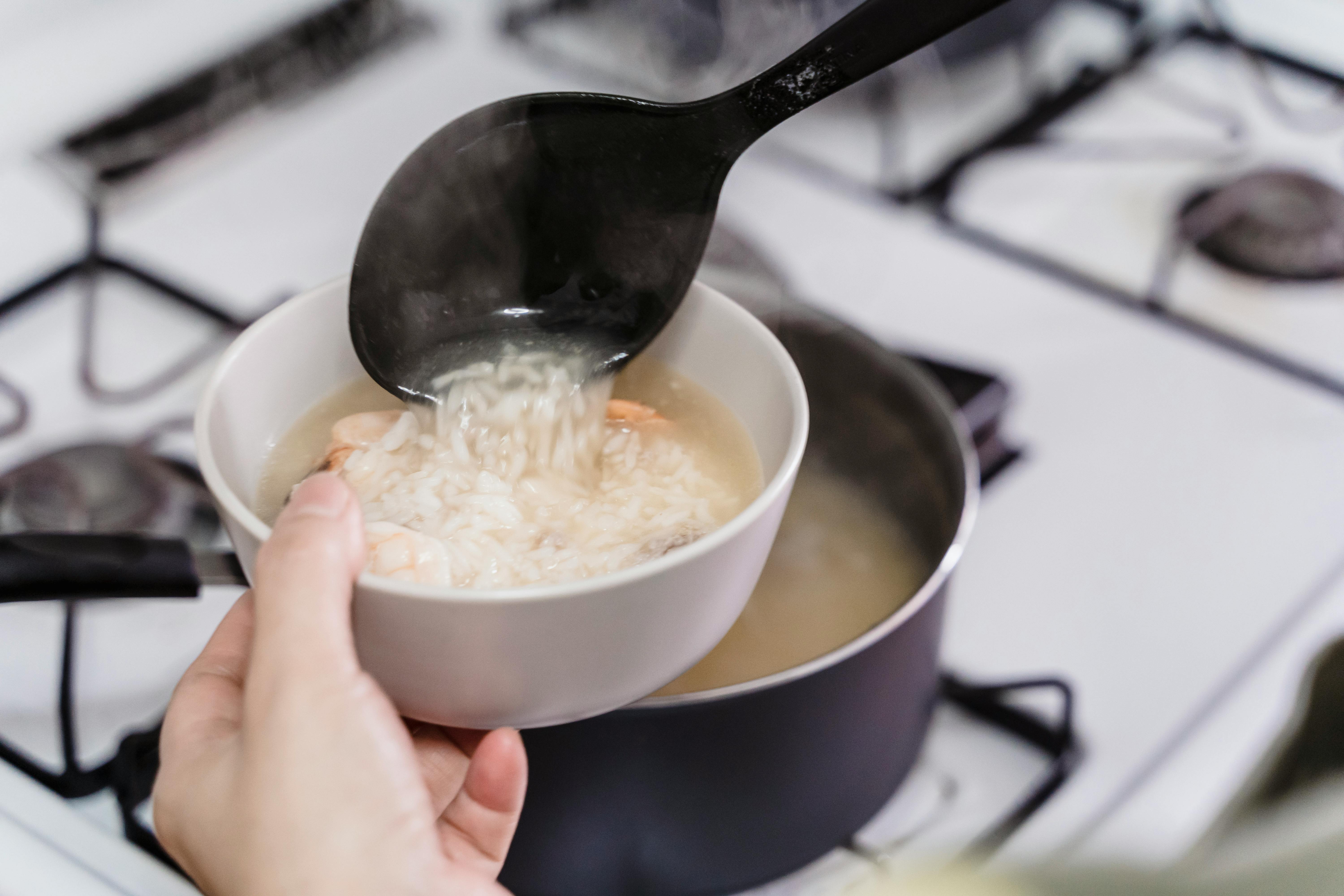
Minnesota wild rice soup tastes like the Upper Midwest in edible form. Wild rice, which is actually the grain of an aquatic grass, brings a nutty chew and earthy depth that ordinary rice simply cannot match. Folded into a creamy soup base with vegetables and often ham or chicken, it becomes a bowl that is rich, fragrant, and built for snow season.
The ingredient itself has long been central to the region, especially for the Ojibwe people, and the soup grew into broader popularity in the 20th century. Locals still debate the best version, which is usually a good sign. Some keep it classic and creamy, while others lighten it or make it meatless. Either way, it feels unmistakably Minnesotan.
Kanuchi
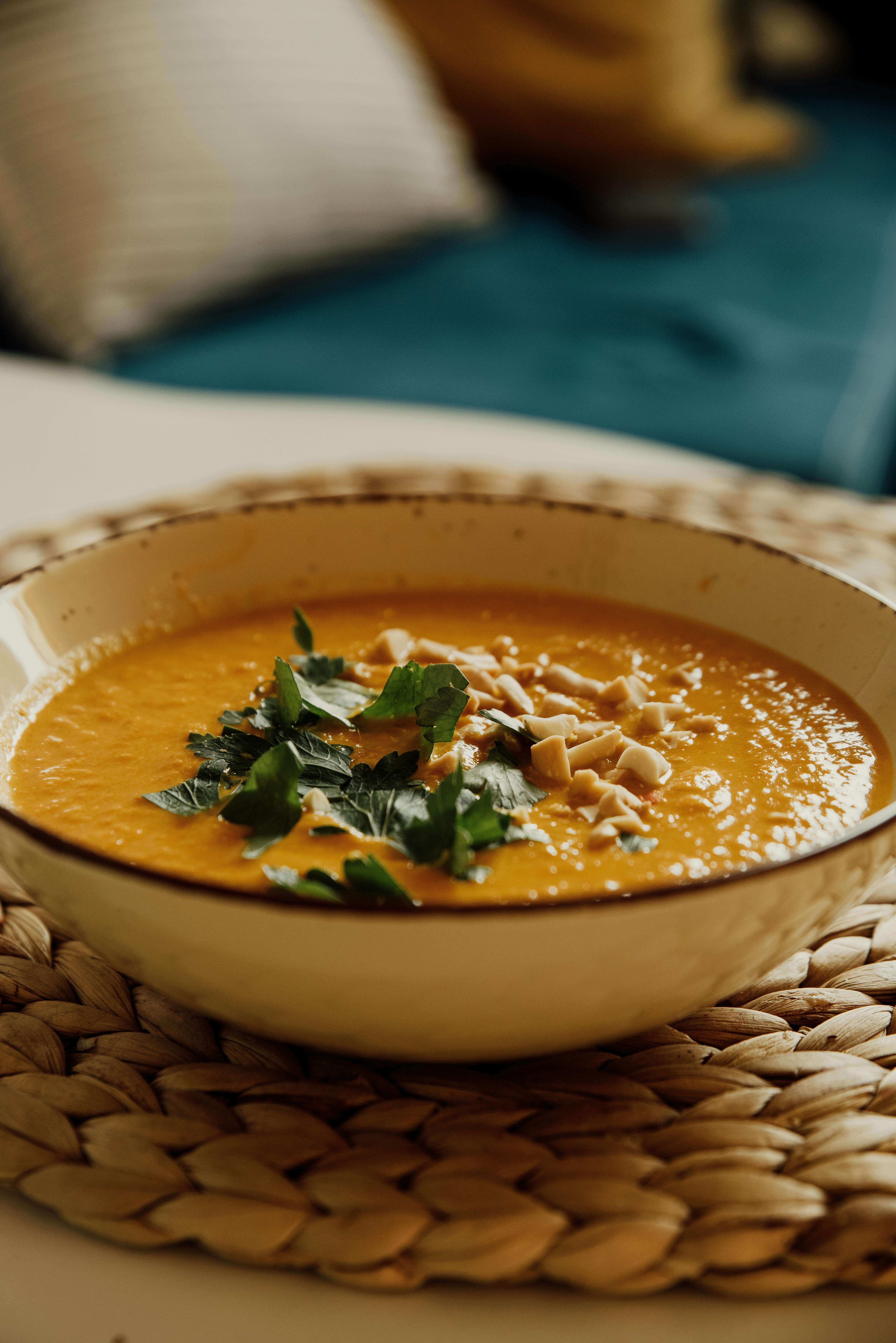
Kanuchi is one of those soups that surprises people at first spoonful. Made from hickory nuts that are boiled and strained, it produces a liquid that is creamy, lightly sweet, and unusually rich. Often served with hominy or sweet potato, it has a softness and warmth that feels especially fitting in the colder months.
The dish comes from Cherokee food traditions, and its appeal lies in both flavor and distinctiveness. Hickory nuts are not a standard supermarket ingredient, which gives kanuchi a sense of occasion as well as heritage. People who know it often describe its flavor as nutty, mellow, and almost coffee-like. It is comfort food, yes, but also a reminder of how diverse American soup traditions really are.
Corn Hominy Soup
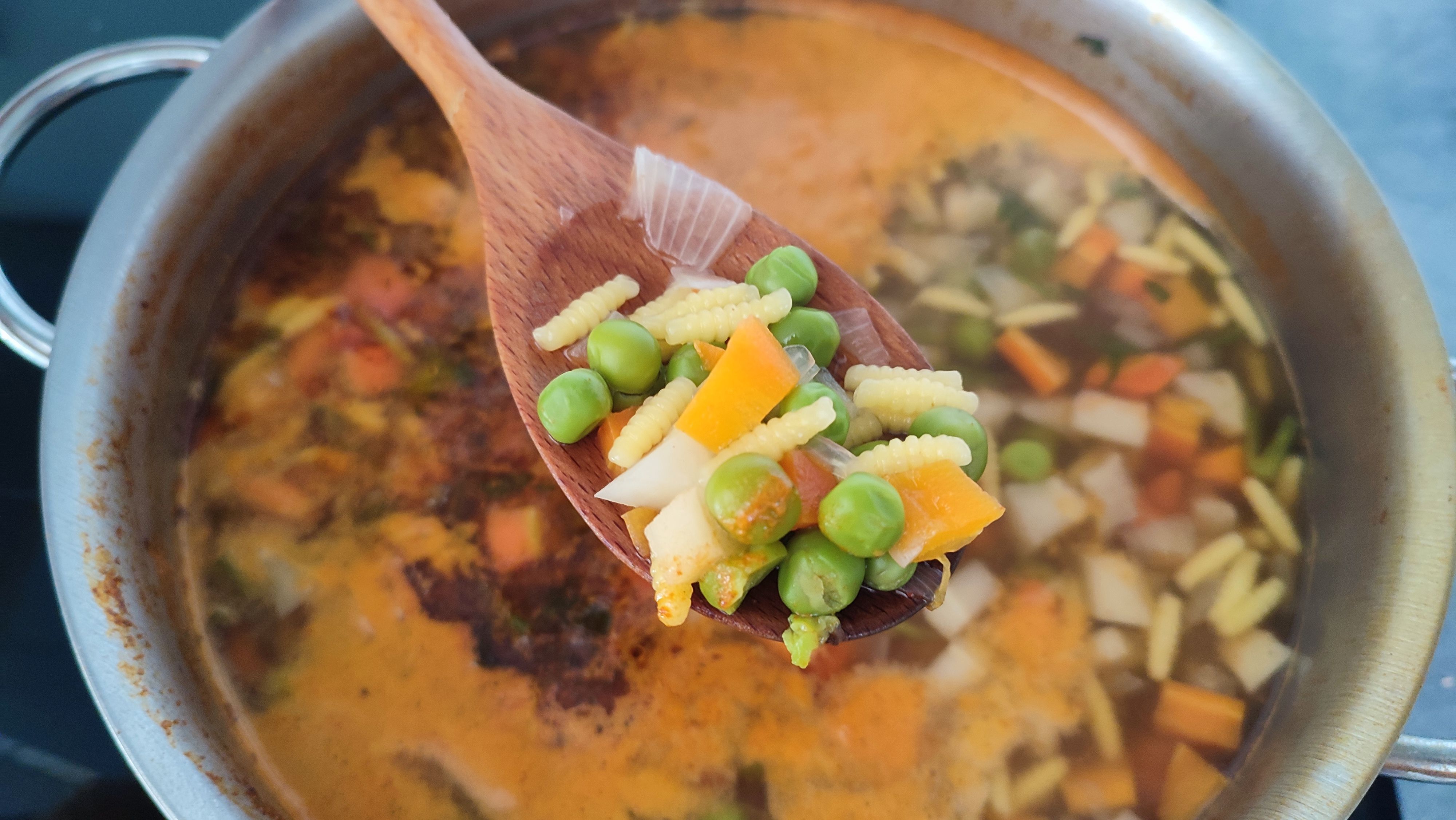
Corn hominy soup shows how one ingredient can anchor countless regional and cultural variations. Hominy, made from dried corn that has been soaked and dehulled, has a tender bite and a gently earthy flavor that stands up well to broth, beans, pork, and root vegetables. It makes the soup feel substantial in a way that is comforting rather than heavy.
Versions appear across Indigenous and broader American cooking, and that flexibility is part of its charm. Some bowls are brothy and simple, while others are heartier and more stew-like. What locals tend to love is the texture, along with the way hominy absorbs surrounding flavors without disappearing. It is a practical, satisfying soup with deep historical roots.
Wisconsin Beer Cheese Soup

Beer cheese soup could only have become a signature in Wisconsin, where brewing and cheesemaking are practically part of the landscape. The soup is savory, creamy, and a little tangy, with beer adding malty depth rather than obvious bitterness. Cheese gives it body, while onions, carrots, and bacon often round things out into something tavern-ready and cold-weather approved.
Locals love it because it feels festive and everyday at the same time. You can find it in restaurants across the state, often served in a bread bowl, which only increases the comfort factor. Some versions even come topped with popcorn, a touch that sounds quirky until you realize it makes perfect Midwestern sense. It is rich, warming, and proudly regional.