
Canadians have felt grocery sticker shock for years. What is easier to miss is when the package looks familiar, but the amount inside quietly gets smaller.
Potato chips

Few products show shrinkflation more clearly than potato chips. A bag that once felt like a reliable party staple now often contains less product, more air space, and a price that looks nearly unchanged at first glance.
In Canada, major snack brands have gradually trimmed bag weights across multiple varieties over time. Standard sizes that were once closer to 200 g have, in many cases, moved down into lower weight ranges while remaining in the same shelf position and price tier.
Manufacturers usually point to higher costs for potatoes, cooking oil, transportation, and packaging. Those pressures are real, especially after supply chain disruptions and elevated fuel prices, but reducing net weight lets brands avoid the stronger consumer backlash that often follows a direct price increase.
For shoppers, chips are a textbook example because the package design often changes only slightly. Unless someone compares the gram count printed near the bottom of the bag, the difference can be easy to miss, even though the cost per 100 g has climbed meaningfully.
Chocolate bars
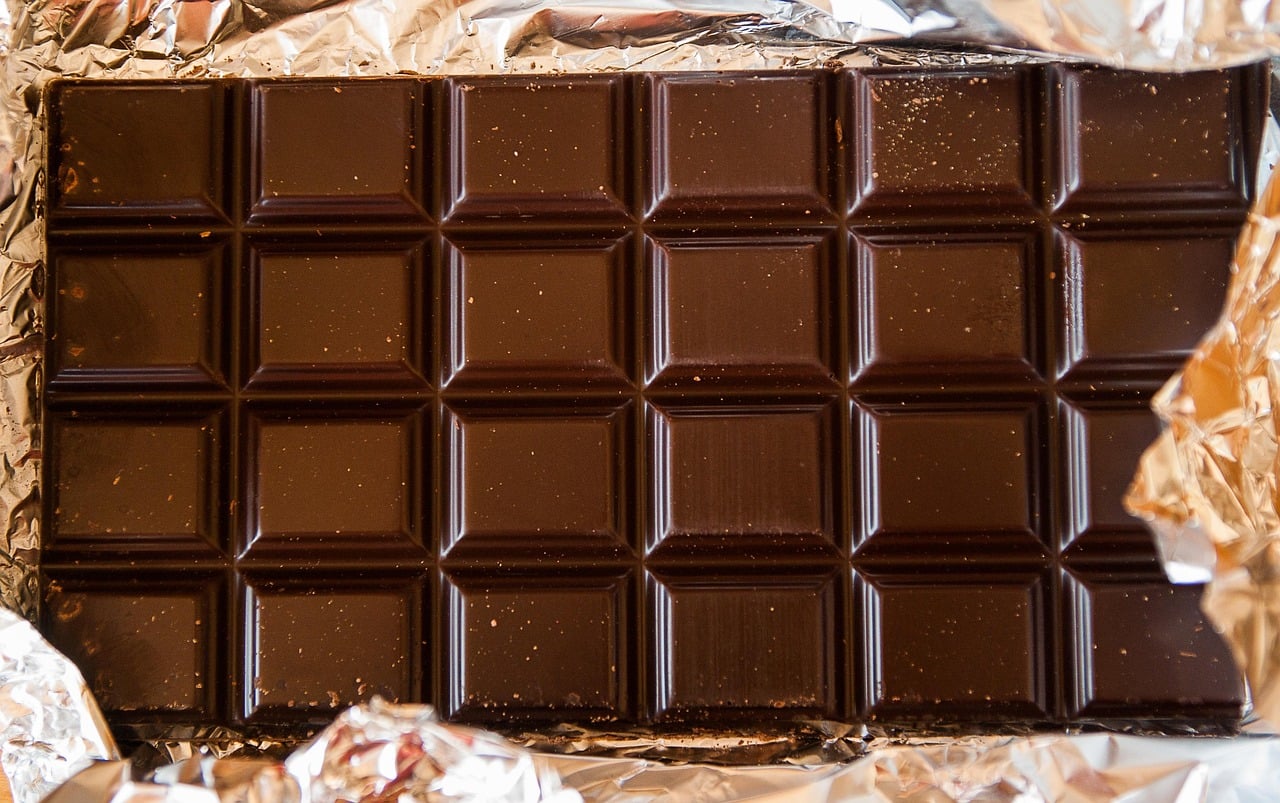
Chocolate bars have a long history of getting smaller without looking dramatically different. In Canada, familiar checkout-lane favourites have repeatedly been adjusted in weight, even as the wrapper, branding, and regular price point stayed close to what buyers expected.
Cocoa prices have been especially volatile, and sugar, dairy, and foil packaging have also become more expensive. For manufacturers, shaving a few grams from each bar can protect margins while preserving the psychological appeal of a common price threshold.
This tactic works because consumers often buy chocolate impulsively. A bar that drops from, for example, 58 g to 50 g may still feel like the same treat, but repeated reductions across a product line mean shoppers are paying more per bite than they were just a few years ago.
Retail experts often describe confectionery as ideal for stealth changes because unit sizes are already small. A tiny cut is hard to notice visually, yet across millions of bars sold, it becomes a major financial lever for manufacturers and retailers alike.
Ice cream tubs

Ice cream has undergone one of the most visible size shifts in Canadian grocery freezers. The classic 2 L tub has steadily given way to smaller formats, including 1.89 L, 1.5 L, and other in-between sizes that preserve a similar package shape.
That matters because shoppers often buy ice cream by habit. When the container still looks broad and familiar, many do not immediately register that they are bringing home fewer bowls, fewer sundaes, and less value for the same advertised sale price.
Dairy costs, freezer storage, distribution, and ingredient inflation have all pushed producers to rethink sizing. Premium inclusions like cookie dough, caramel swirls, and chocolate coatings cost more too, making size reductions a cleaner business decision than abrupt shelf-price jumps.
Consumer advocates often cite ice cream as a classic lesson in checking unit pricing. The front label may celebrate indulgence or heritage branding, but the clearest story is often on the shelf tag, where the price per litre reveals how much shrinkflation has changed the real deal.
Bacon
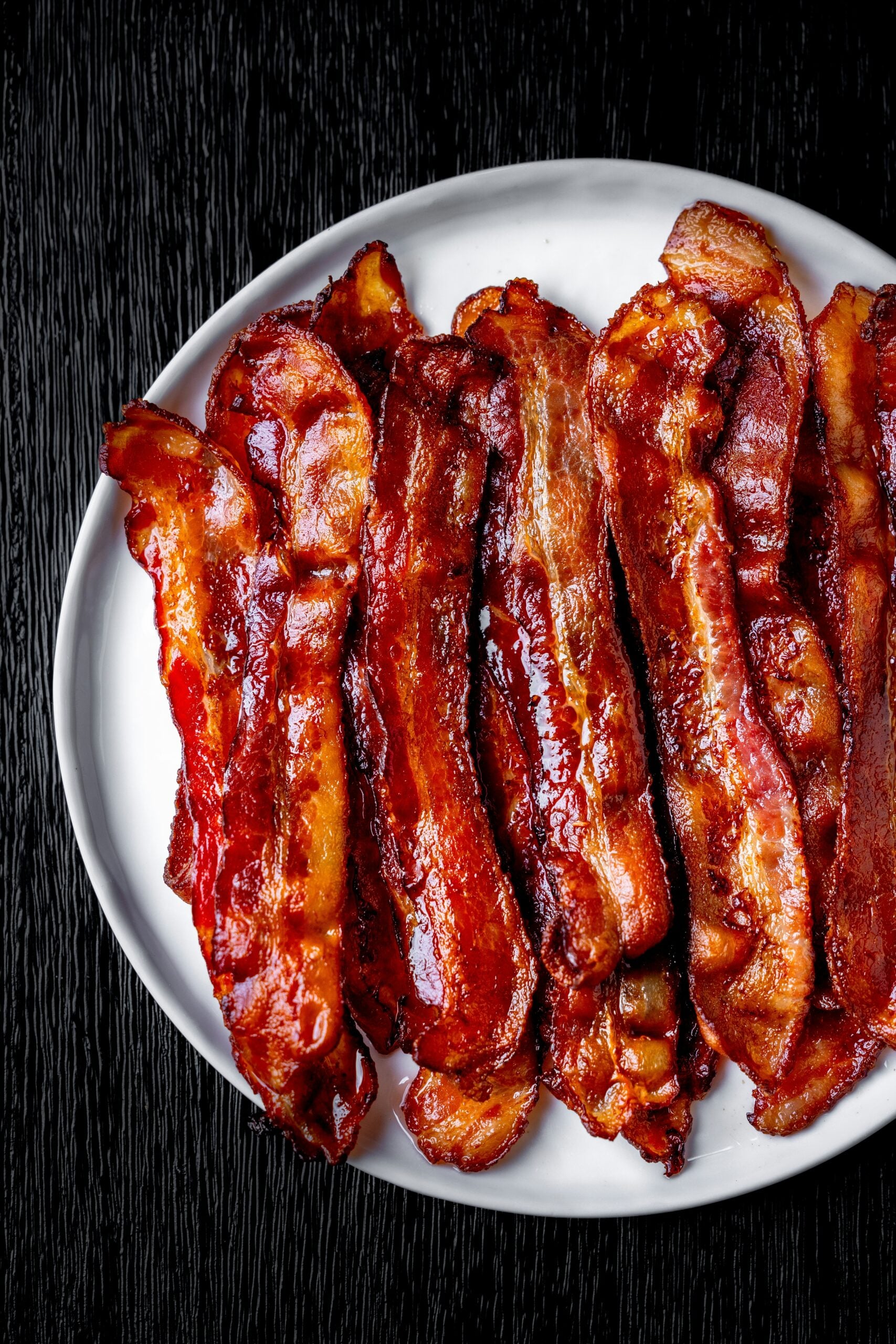
Bacon is one of the most frustrating categories for Canadian shoppers because the package still signals a standard breakfast staple. Yet many brands have reduced the amount in a pack over time, while the headline price continues to hover around familiar levels.
Historically, a 500 g pack was easy to find. Now, consumers frequently see 375 g formats or other reduced sizes, especially in branded products, and that smaller quantity can disappear quickly when feeding a family or cooking for a weekend brunch.
Pork costs, labour, processing, refrigeration, and transportation have all risen, giving producers strong incentive to cut weight. Keeping the sticker price steady helps maintain sales volume, but it also masks a significant rise in the effective cost of each slice.
Bacon also creates a strong emotional response because it is a product people count on for specific meal planning. When fewer strips come out of the package than expected, shoppers notice the value loss in a direct, practical way rather than just in abstract price comparisons.
Cereal boxes
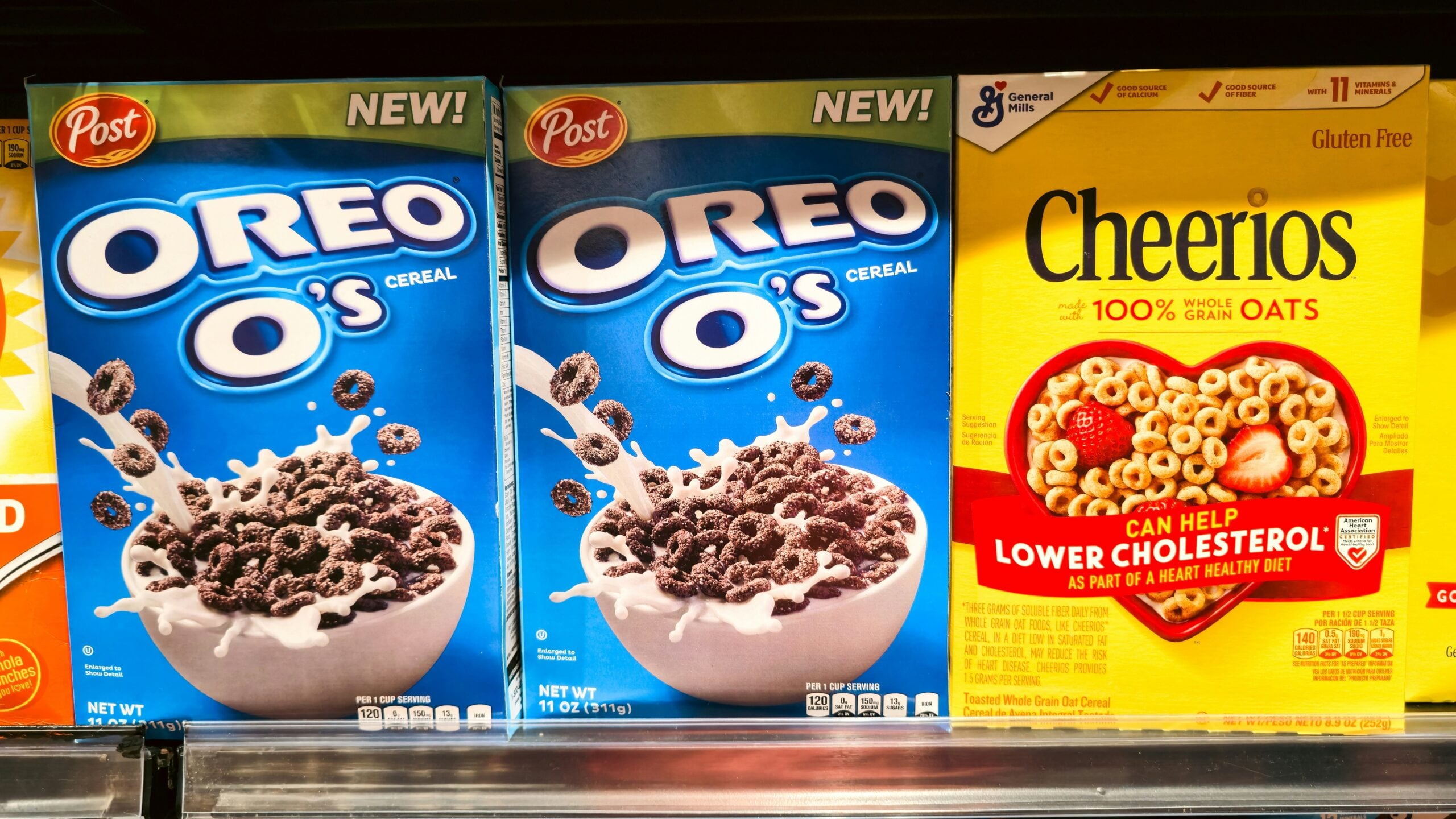
Cereal boxes are masters of optical stability. The box on the shelf can look nearly identical in height and branding, yet contain fewer grams than it used to, making breakfast one of the more subtle places where shrinkflation has taken hold in Canada.
This is possible because manufacturers can alter the internal bag size, the fill level, or the density of the cereal itself. The outer carton still occupies similar shelf space, which preserves visual recognition and keeps comparisons difficult for rushed shoppers.
Grain, sugar, energy, and cardboard costs have all added pressure in recent years. According to food industry analysts, reducing package weight is especially attractive in cereal because consumers are less likely to notice small changes when they pour by habit rather than measure portions carefully.
Families feel the difference over time. A box that once lasted a full school week may now run out a day earlier, which means replacement purchases happen more often even when the shelf price seems unchanged from one grocery trip to the next.
Coffee cans and bags

Coffee has become a prime example of modern shrinkflation because the container itself often preserves the illusion of consistency. In Canada, ground coffee tins and bags have repeatedly moved to lower weights while keeping similar branding, shape, and pricing architecture.
A format that was once 1 lb, or 454 g, has in many cases shifted downward to sizes such as 400 g or 340 g. For households that brew multiple pots a week, that reduction adds up quickly and shortens the life of what feels like the same purchase.
Coffee markets are highly sensitive to weather, crop disease, shipping costs, and currency movements. Rather than shock consumers with a blunt jump at the shelf, brands often trim weight and rely on loyalty, routine, and package familiarity to soften the reaction.
This category matters because coffee is purchased repeatedly and consumed daily. Even a modest size cut can raise annual household spending noticeably, especially when paired with broader food inflation and the growing tendency of retailers to reserve better apparent deals for loyalty program members.
Yogurt tubs and multipacks
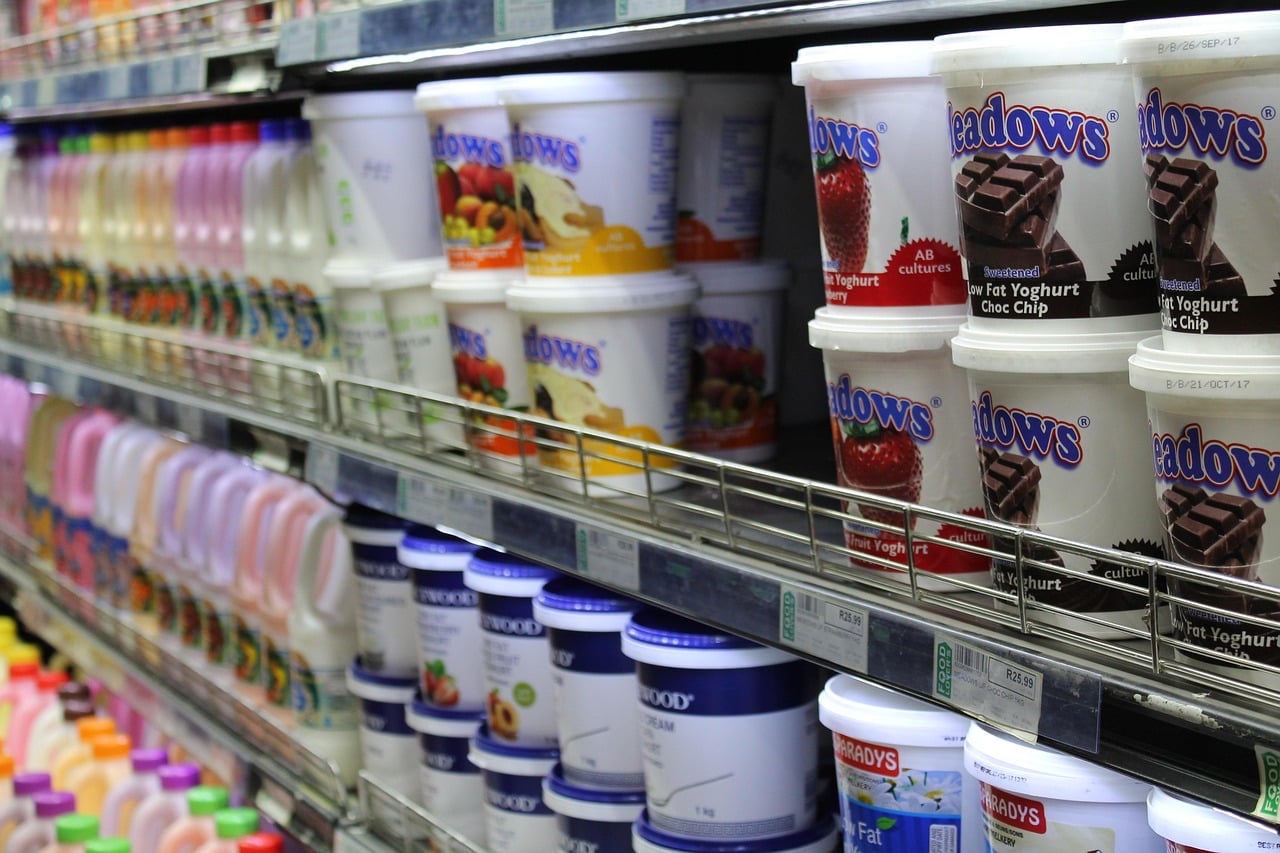
Yogurt seems healthy and predictable, which is exactly why size reductions can slip by unnoticed. In Canada, both large tubs and single-serve multipacks have seen quiet adjustments that leave shoppers paying the same amount for less breakfast, fewer snacks, or smaller lunch add-ons.
Large tubs have gradually moved down in net weight in some lines, while multipacks may keep the same number of cups but reduce the amount in each cup. The carton still looks familiar, so buyers often realize the change only after opening or serving it.
Milk pricing, fruit inputs, stabilizers, plastic packaging, and refrigeration costs all play a role. Companies know that yogurt buyers often focus on flavour, protein, or probiotic claims first, which means the fine-print gram count can receive less attention than it should.
The practical effect is steady erosion of value in a category many families buy every week. For parents packing lunches or people portioning breakfast by routine, smaller containers mean repurchasing sooner, even though the price on the shelf did not send an obvious warning.
Crackers
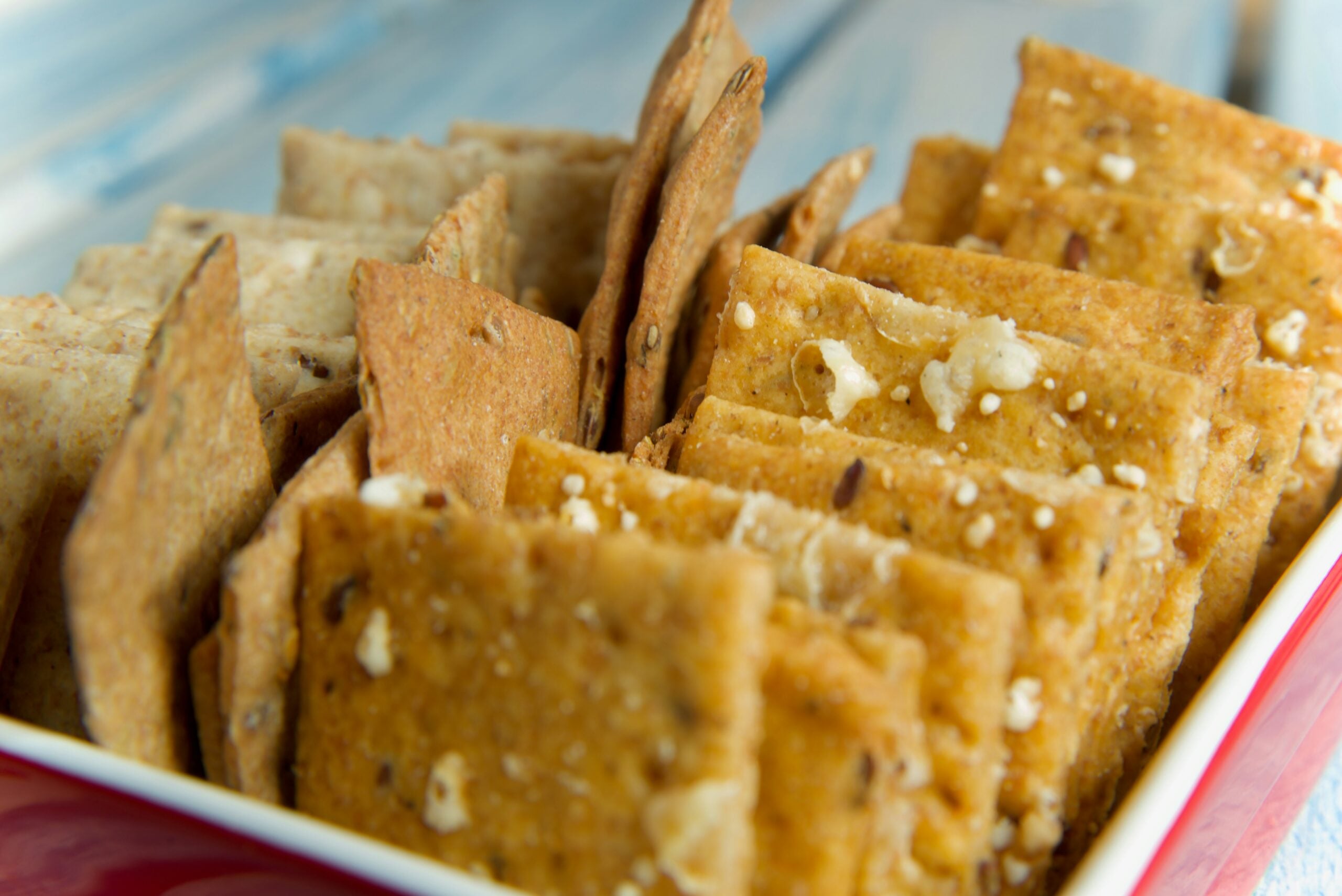
Crackers are another pantry staple where the package can remain reassuringly normal while the contents shrink. Canadian shoppers may still see the same brand colours and familiar box dimensions, yet find fewer sleeves, lighter stacks, or reduced total weight inside.
Because crackers are often arranged in plastic trays or sleeves, manufacturers have room to reduce quantity without dramatically altering exterior packaging. A small cut spread across each sleeve is hard to spot visually, but it meaningfully raises the price per serving.
Input costs help explain the strategy. Wheat, edible oils, seasonings, and packaging materials have all faced inflationary pressure, and baked snack makers also deal with energy-intensive production lines that became more expensive as utility and transport costs rose.
Crackers also expose how shrinkflation affects entertaining and lunch preparation. A box that once covered a cheese board, soup side, or school snacks may now come up short, forcing households to buy an extra package sooner than they had planned.
Frozen pizza
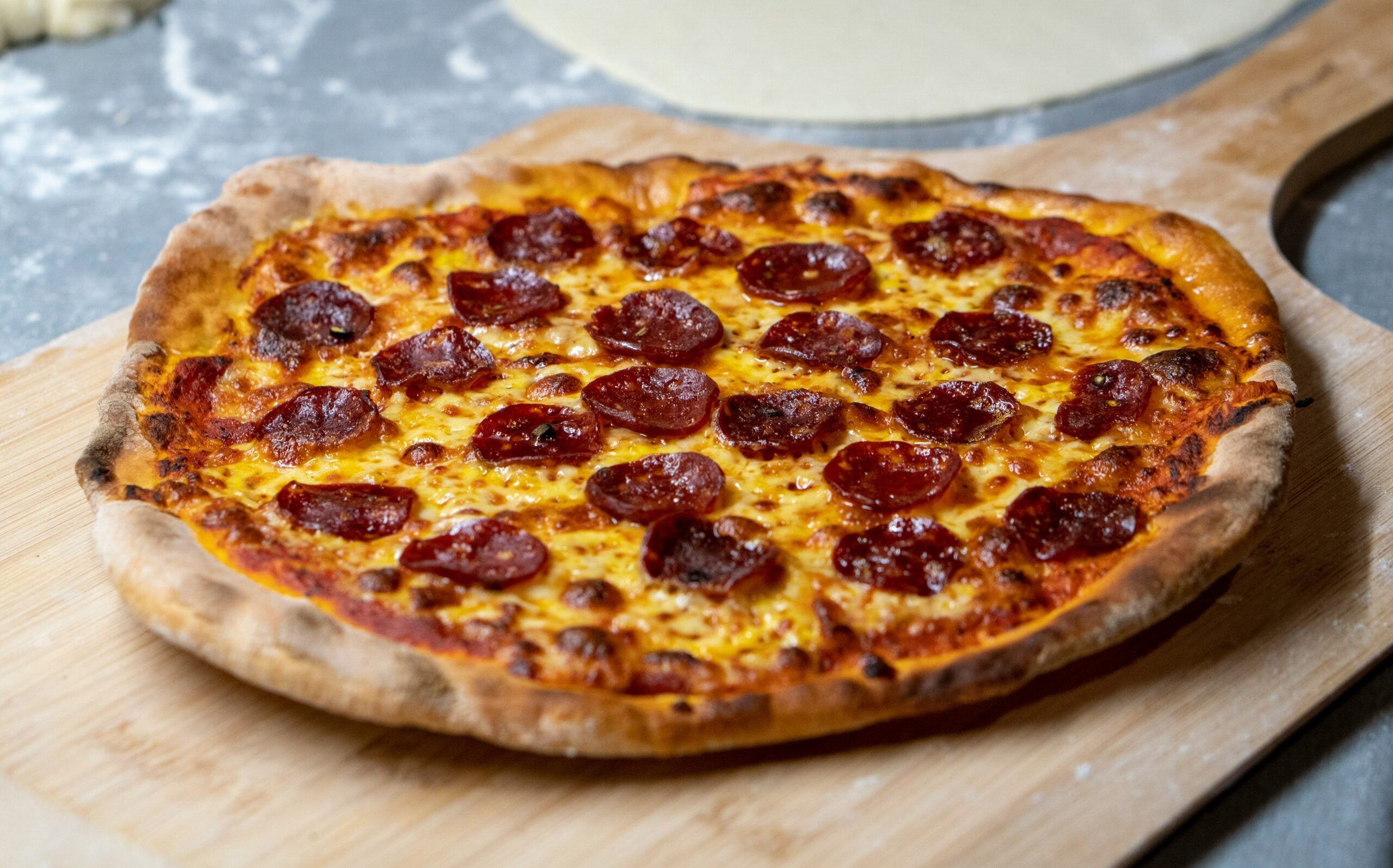
Frozen pizza feels like a fixed-format food, which makes shrinkflation especially irritating. Many Canadian shoppers expect a pizza to feed the same number of people every time, but some products have become lighter or slightly smaller in diameter while prices stayed in a familiar range.
The change is not always obvious because crust thickness, topping distribution, and box graphics can distract from net weight. A pizza may look substantial in the box photo, yet deliver less actual food than earlier versions of the same product line.
Cheese, wheat, meat toppings, freezer logistics, and labour have all become costlier. For manufacturers, shaving weight from dough, reducing pepperoni counts, or using a smaller base can preserve key price points in a category where consumers are highly price sensitive.
Frozen pizza is a useful final example because the value calculation is so concrete. If a product once fed four comfortably and now barely covers three portions, shoppers experience shrinkflation at the dinner table, not just on the receipt.




Leave a Reply