
A fine-dining meal starts before anyone opens a menu. Servers are trained to read a table quickly, not to judge, but to keep service smooth, protect timing, and avoid preventable mix-ups. Here are eight subtle mistakes they often notice the moment guests sit down.
Ignoring the host stand rhythm
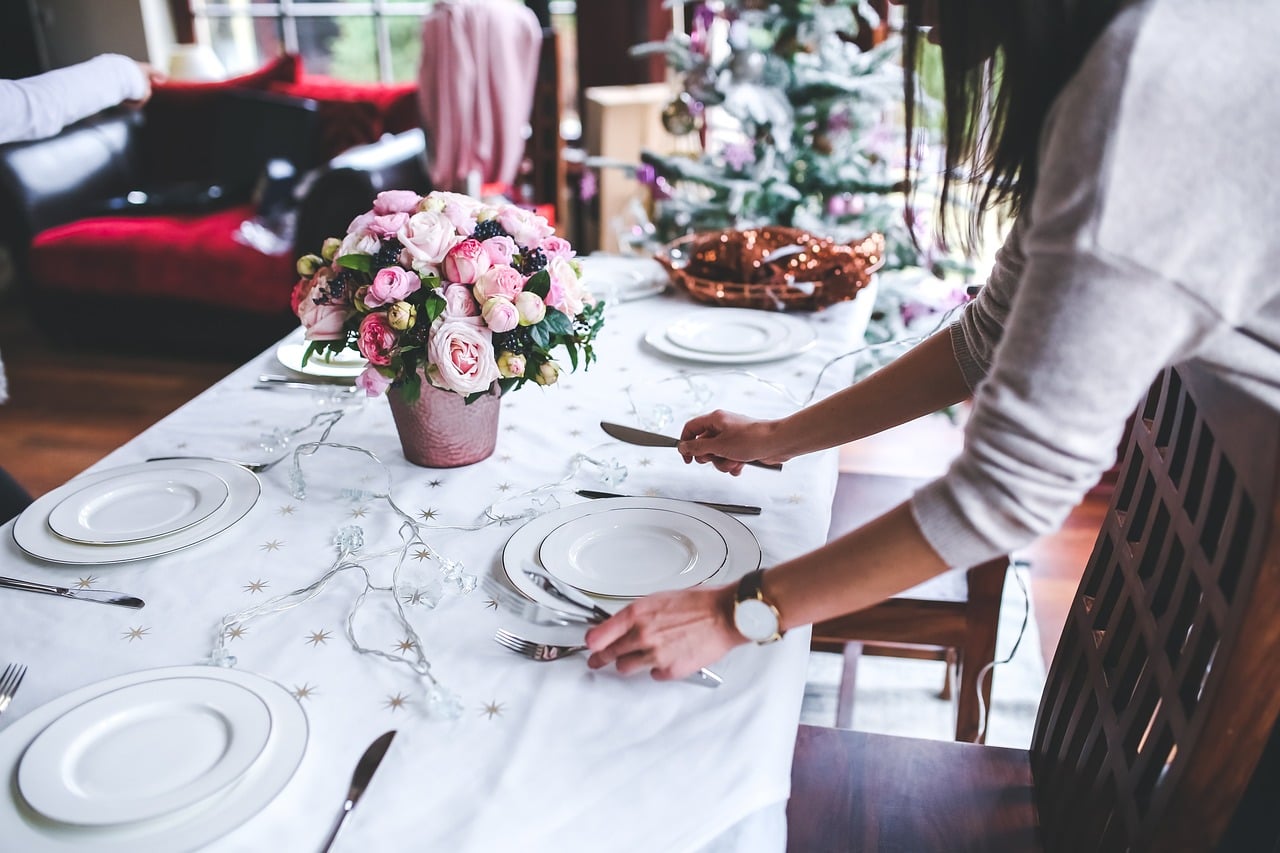
The first signal often happens before guests even reach the table. In many fine-dining rooms, the host stand controls pacing so the kitchen, bar, and service team are not flooded all at once.
When guests walk past the host stand, seat themselves, or drift ahead of the person leading them, it disrupts that rhythm. A server may suddenly inherit a table that is not fully set, not assigned, or not yet timed into the room's flow.
It can look harmless from the guest side. To the staff, though, it suggests the table may keep skipping small cues, which can create friction later when courses are paced carefully.
Dropping bags, phones, and keys everywhere
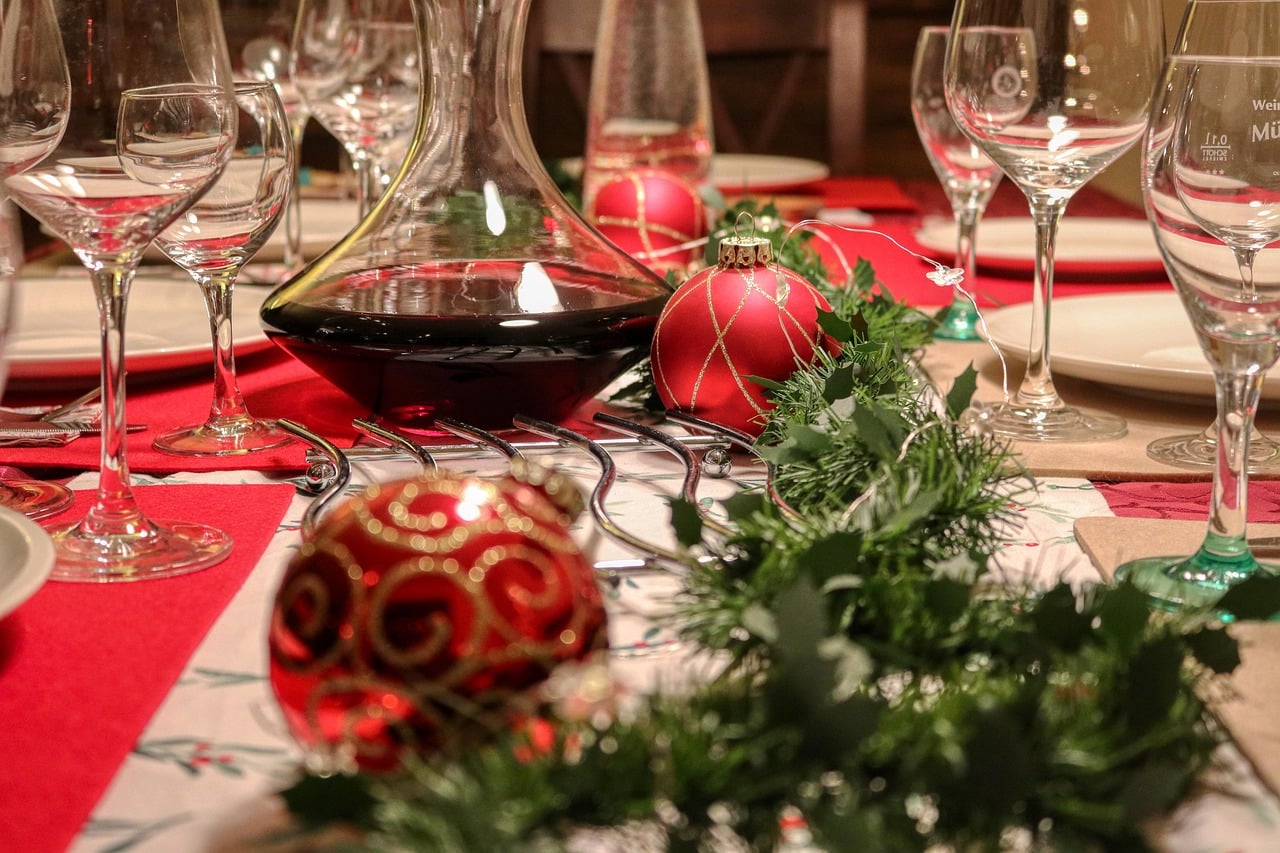
A place setting in a formal restaurant is mapped out with intention. Glassware, flatware, bread plates, and serving space all depend on keeping the table surface relatively clear.
When a guest immediately spreads out a phone, car keys, sunglasses, a handbag, and shopping bags, servers notice. Not because these items are improper in some abstract sense, but because they shrink the landing space needed for water service, wine pours, crumb clearing, and plate placement.
It also increases the chance that something gets bumped or spilled. In a tighter dining room, bags left in aisles or underfoot can create a safety problem for staff carrying hot plates or full trays.
Rearranging the table setting right away
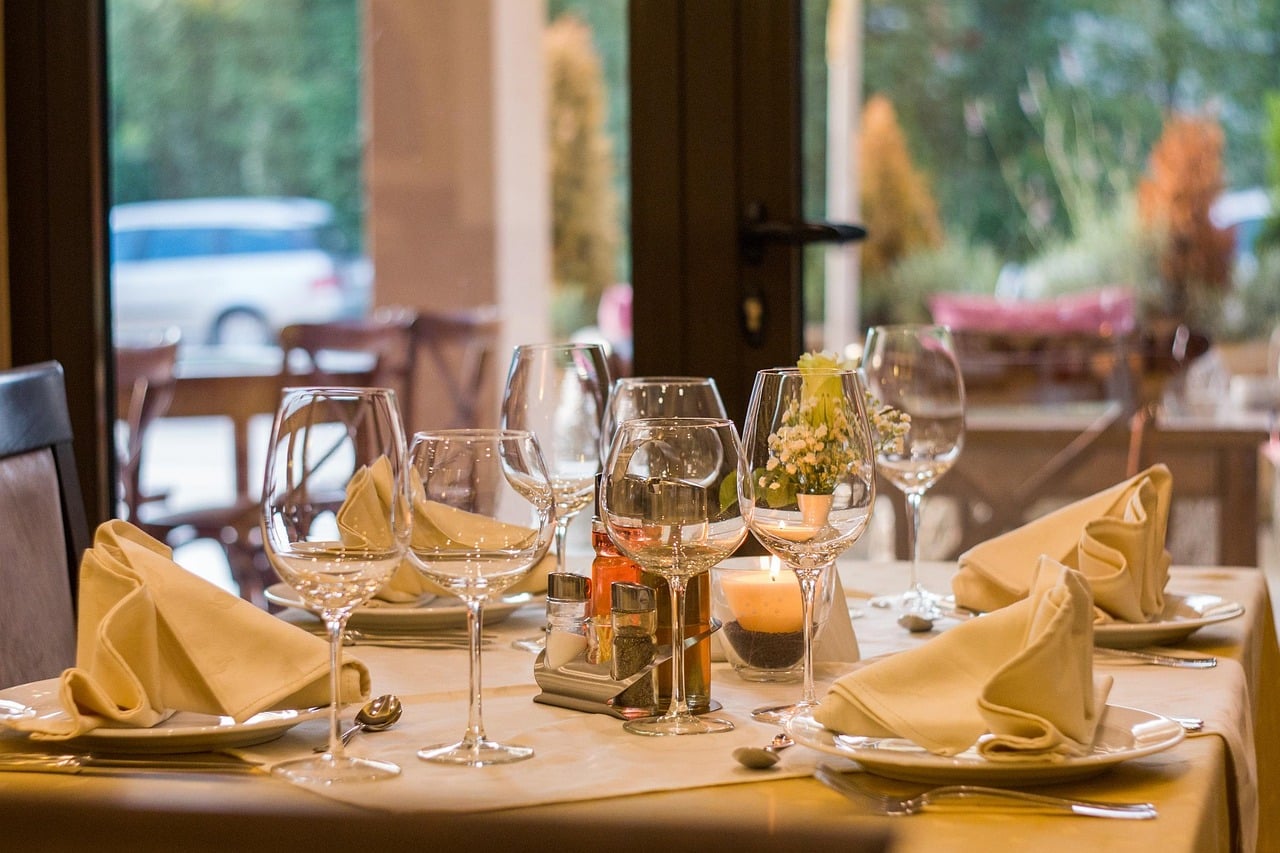
Fine-dining service is built on consistency. Each fork, spoon, glass, and napkin is placed for a reason, often tied to the sequence of courses and the side from which items will be served or cleared.
Servers notice when guests immediately move glasses, stack plates, swap seats without telling anyone, or shift cutlery around before the meal begins. Sometimes people do it to make room or out of habit, but it can complicate service more than they realize.
A moved place setting can lead to the wrong dish landing in front of the wrong person, especially when tasting menus or allergies are involved. It is a small action that can create avoidable confusion later.
Sitting down before everyone is present
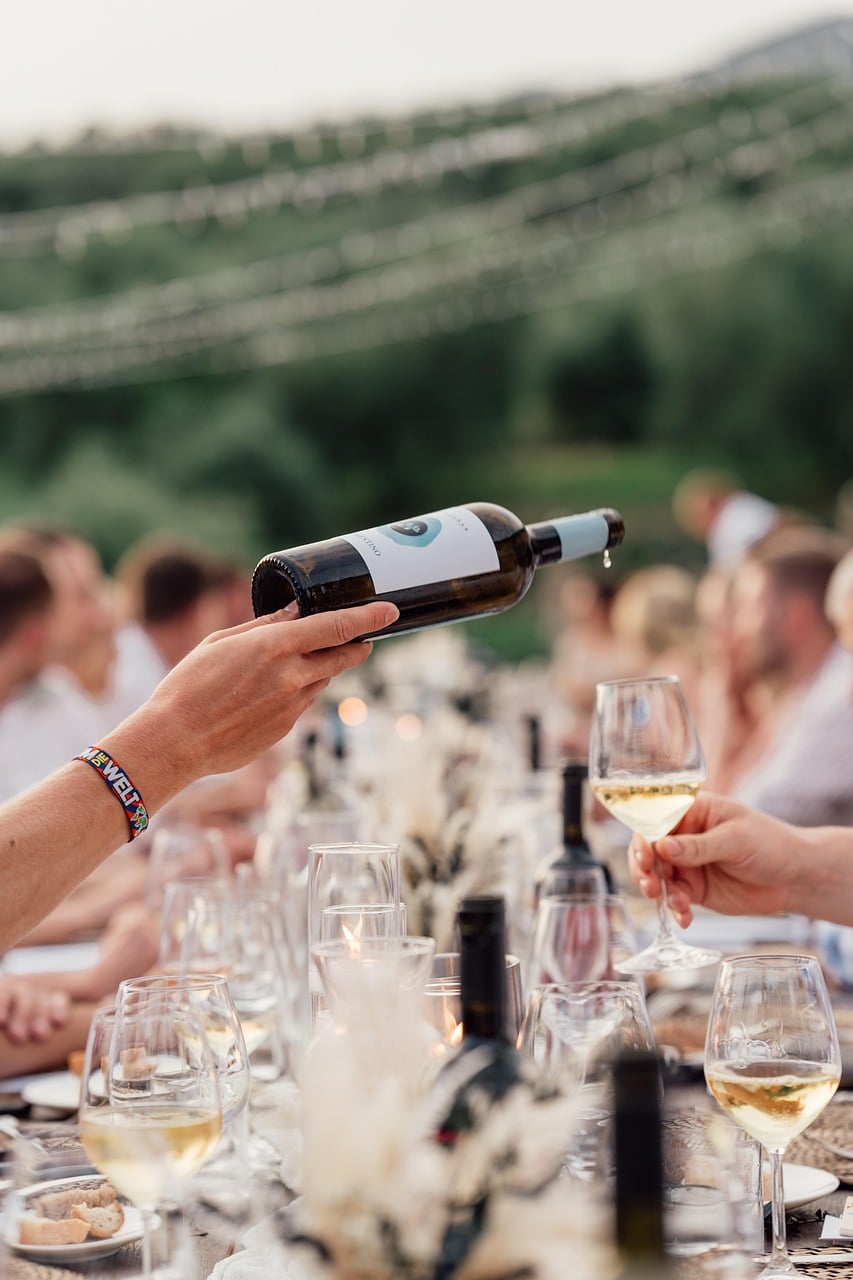
Timing matters more in fine dining than it does in casual restaurants. Many kitchens pace courses so that a table begins together, and many servers prefer to give their opening greeting once the full party is seated.
When one or two guests settle in and begin making requests while others are still arriving, the table's timeline gets muddy. Water can be poured twice, menus may need to be repeated, and questions about cocktails or specials have to start over.
This does not mean guests must stand rigidly beside the table. It simply means staff notice when the group starts in fragments, because fragmented starts often lead to fragmented ordering and uneven pacing.
Failing to mention time constraints early
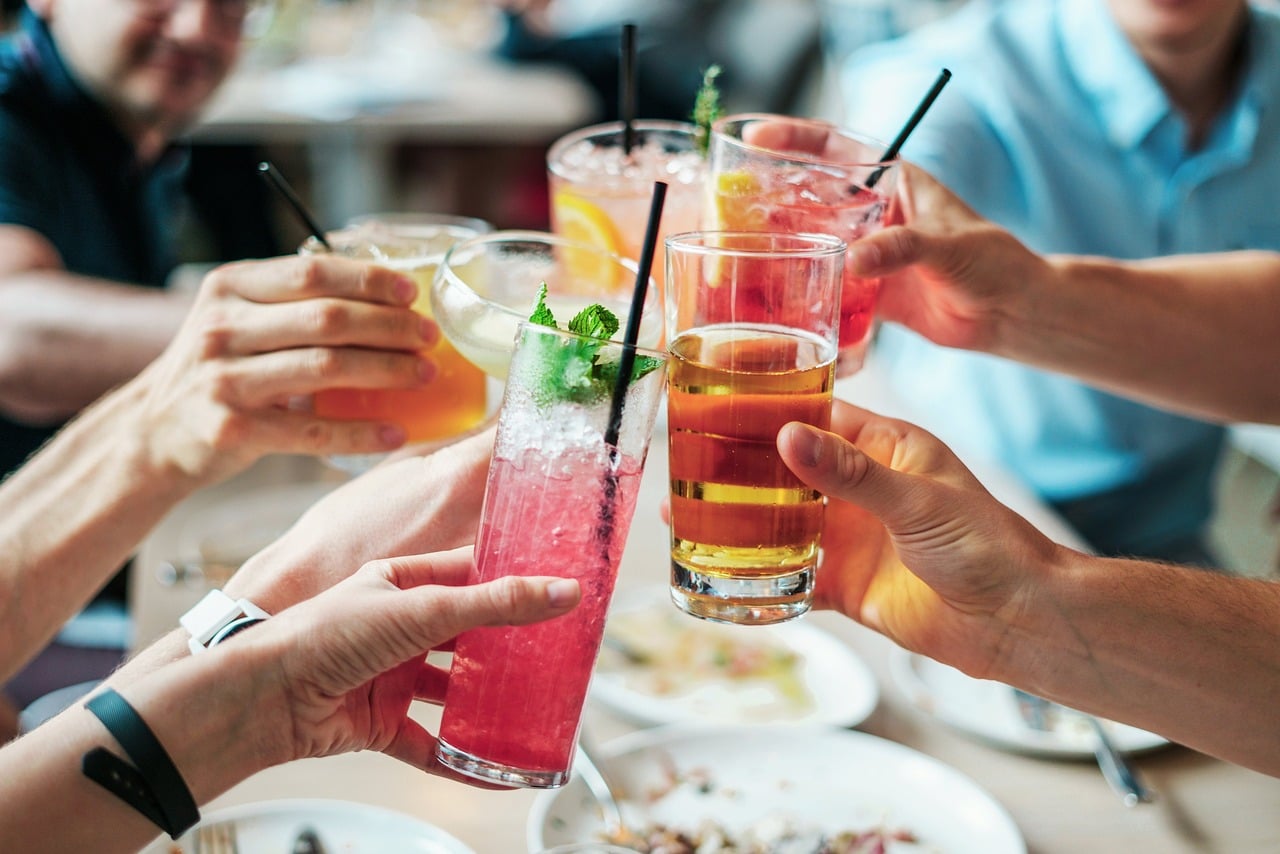
One of the most helpful details a guest can share is also one of the most commonly delayed. If a table has theater tickets, a meeting, or a hard stop, servers need to know at the beginning, not after the first course is ordered.
In a fine-dining setting, dishes may fire in stages, wines may be poured to match courses, and some items simply take longer. A late warning can force the team to compress service in a way that affects the experience.
Servers notice when a table seems rushed but says nothing until much later. Early honesty helps them guide choices toward dishes and pacing that fit the schedule.
Treating the menu like a negotiation
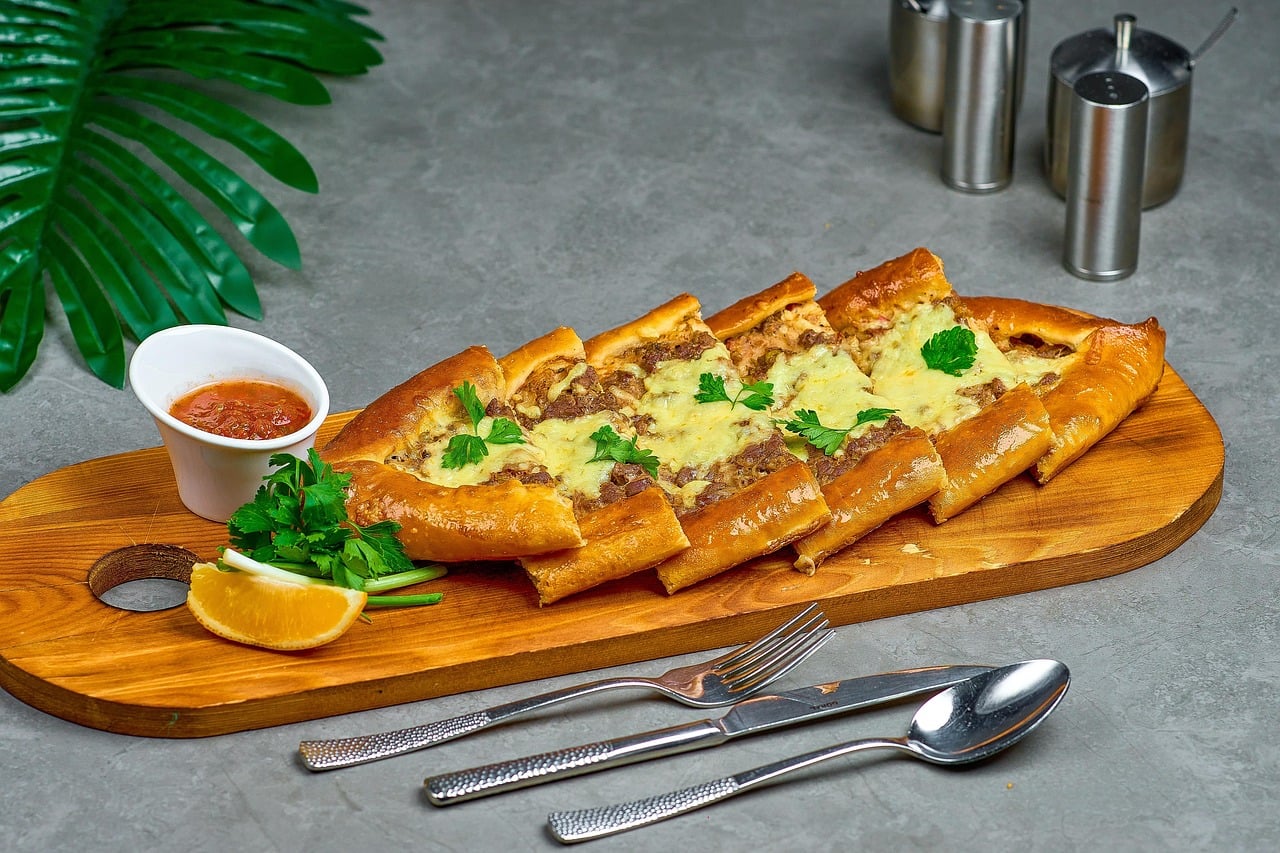
A good server expects questions. Fine dining should feel welcoming, and thoughtful menu guidance is part of the job.
What stands out immediately is when guests approach the menu as something to overhaul before understanding it. Asking for major off-menu changes, combining dishes in unusual ways, or dismissing the format before hearing the explanation can signal trouble for both kitchen and floor staff.
In many restaurants, a dish has been tested for balance, temperature, and timing. Minor accommodations are often possible, especially for allergies or dietary needs, but a long list of instant changes can slow service and increase mistakes.
Overlooking the server's opening cues
The first minute at the table is full of quiet coordination. A server may be trying to confirm still or sparkling water, note who is celebrating, identify a host, or learn about allergies before drinks are ordered.
Guests who continue private conversations without pausing, or who all answer at once, can make that process harder than it needs to be. Servers notice this because the opening exchange helps them build the rest of the meal correctly.
Missing those cues can lead to repeated questions later. It can also make service feel less polished, even though the roughness started with a simple communication tangle at the table.
Signaling impatience before service begins
Some tables communicate stress before a menu is even opened. Looking around constantly for attention, snapping to get noticed, interrupting another table's service, or acting annoyed within moments of sitting down all stand out fast.
Servers do not read this as sophistication. More often, they read it as a sign that expectations may be difficult to manage, especially in a room where pacing is intentionally measured rather than rushed.
The irony is that calm, direct communication usually gets better results. In fine dining, the smoothest tables are often the ones that understand the first few minutes set the tone for everything that follows.

Leave a Reply