Fermentation can feel like a hobby that demands crocks, weights, and a countertop full of gadgets, but it really does not have to start that way. With a few jars, fresh ingredients, and some patience, you can make flavorful, useful ferments in even the tiniest kitchen. These eight projects are practical, low-fuss, and ideal for beginners who want to build confidence one bubbling jar at a time.
Sauerkraut

If there is a gateway ferment, this is it. Sauerkraut asks for little more than cabbage, salt, and your hands. When shredded cabbage is salted, it releases enough liquid to create its own brine, which is why this ferment works so well in a plain jar.
The process is simple but the payoff is huge. Over a few days, the cabbage softens, turns pleasantly tangy, and develops that savory depth raw cabbage never has. Keep the shreds submerged, give the jar a little attention, and you will have a crisp, reliable ferment that teaches the core lesson of vegetable fermentation.
Lacto-Fermented Carrot Sticks

Carrots are one of the friendliest vegetables for first-time fermenters because they stay crunchy and taste good with very little effort. Packed into a jar with a salt brine, they turn into a bright, snappy snack that feels familiar but more layered and alive.
This is also a smart ferment for small spaces because it is tidy and predictable. You do not need to shred, pound, or fuss over texture. A few garlic cloves, dill, or chili can change the mood completely, but even plain carrots ferment beautifully. They are easy to check, easy to store, and easy to love straight from the fridge.
Radish Pickles
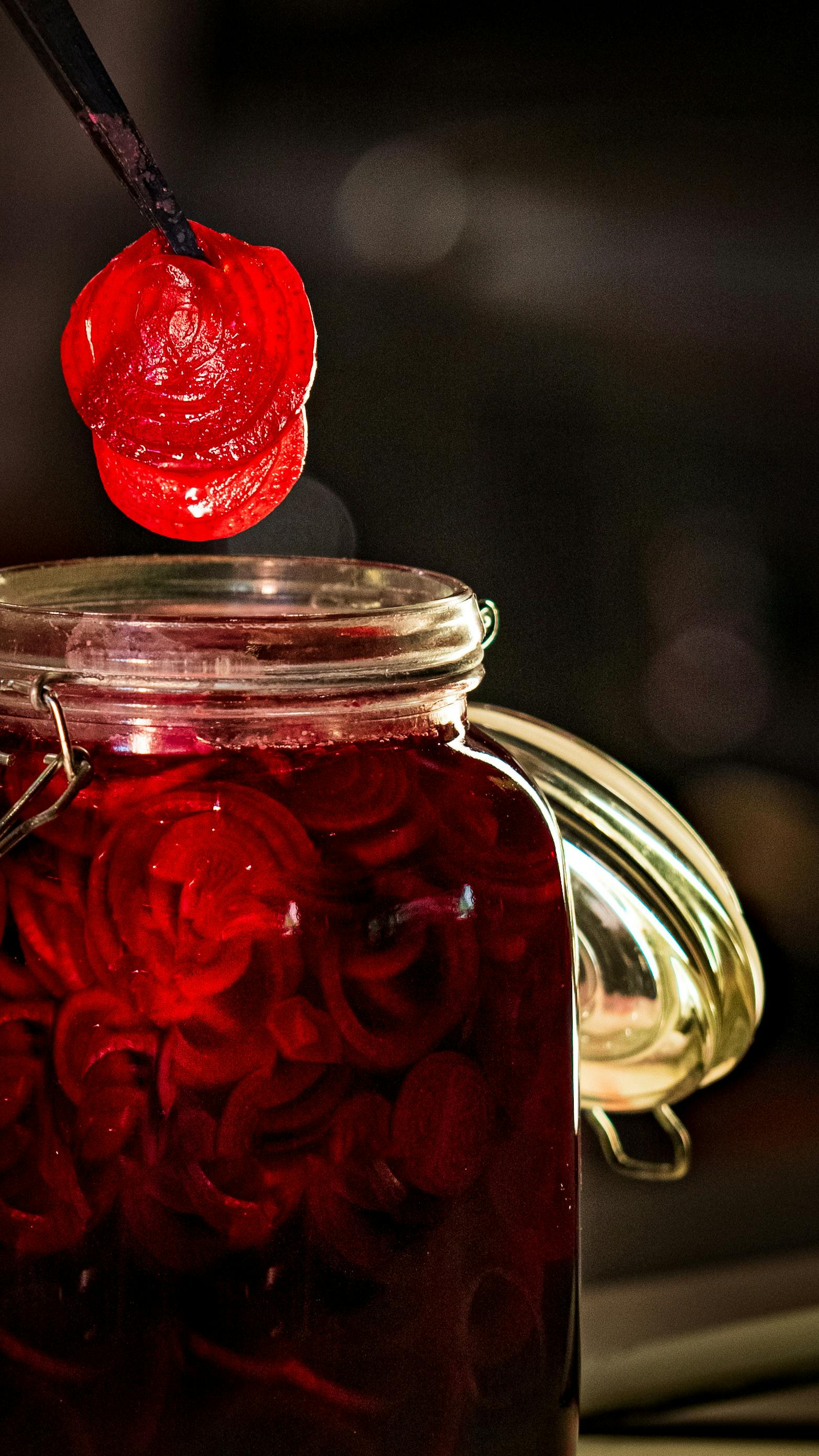
Radishes bring personality to the jar. Their peppery bite mellows during fermentation, while their color often turns the brine a vivid pink that makes the whole project feel especially rewarding. In a small kitchen, that kind of visual feedback is part of the fun.
What makes radishes appealing is speed. They tend to ferment fairly quickly and keep a pleasant crunch when handled well. Slice them for sandwich-ready rounds or leave them in halves for a bolder bite. The result is sharp, juicy, and refreshing, with a flavor that works next to rich foods, grain bowls, eggs, or a simple slice of buttered bread.
Kimchi
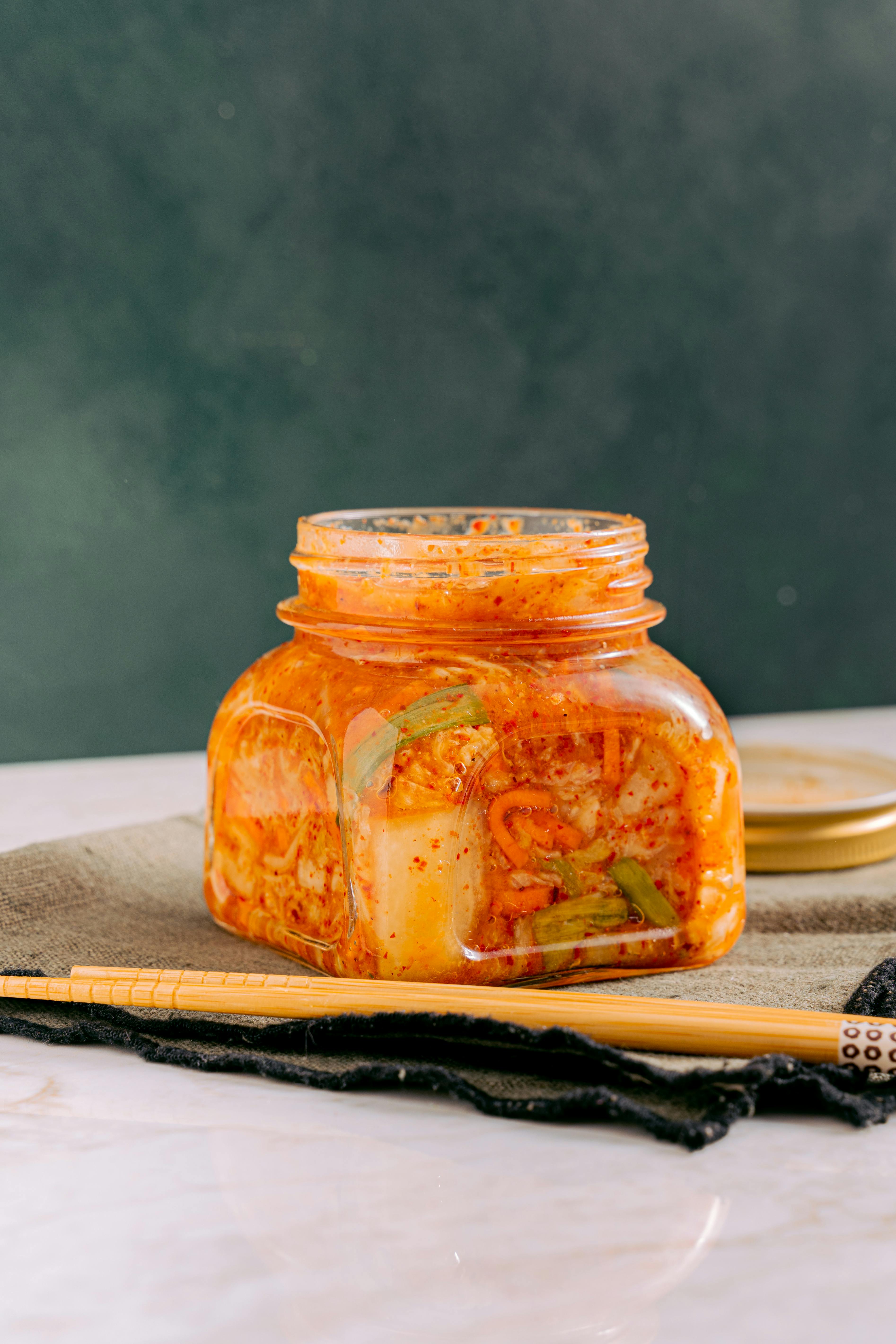
Kimchi has a big reputation, but a basic batch is completely possible without special tools. At its core, it is salted vegetables, usually napa cabbage or radish, mixed with garlic, ginger, and chili, then packed into a jar to ferment into something deeply savory and lively.
The beauty of kimchi is that it feels generous. It can be rustic, flexible, and shaped by what you have on hand. In a small kitchen, that matters. You can make a modest batch, tuck it into the fridge once it tastes right, and use spoonfuls to wake up rice, noodles, soups, and fried eggs. It is bold, practical, and surprisingly forgiving.
Yogurt

Not every easy ferment comes from a vegetable jar. Yogurt is one of the most useful cultured foods you can make at home, and it often needs no more than milk, a spoonful of plain live-culture yogurt, and a warm resting place. A switched-off oven with the light on can do the job in many homes.
Homemade yogurt teaches a different kind of fermentation. Instead of briny tang and crunch, you get a clean, creamy texture and a fresh sourness you can adjust by fermenting longer or shorter. It is practical, too. Once you have a batch, a little of it can become the starter for the next one.
Milk Kefir

Milk kefir is one of the most low-effort ferments around once you have kefir grains. Add the grains to milk, let them work at room temperature, and in about a day the milk transforms into a drinkable cultured dairy with a gentle tang and a texture somewhere between milk and yogurt.
For a small kitchen, kefir has real appeal because the cycle is compact and repeatable. It does not ask for constant monitoring, and the grains keep going batch after batch. The flavor is often more complex than yogurt, with a slight fizz and a pleasant acidity. It is good plain, blended into smoothies, or poured over fruit and oats.
Kombucha
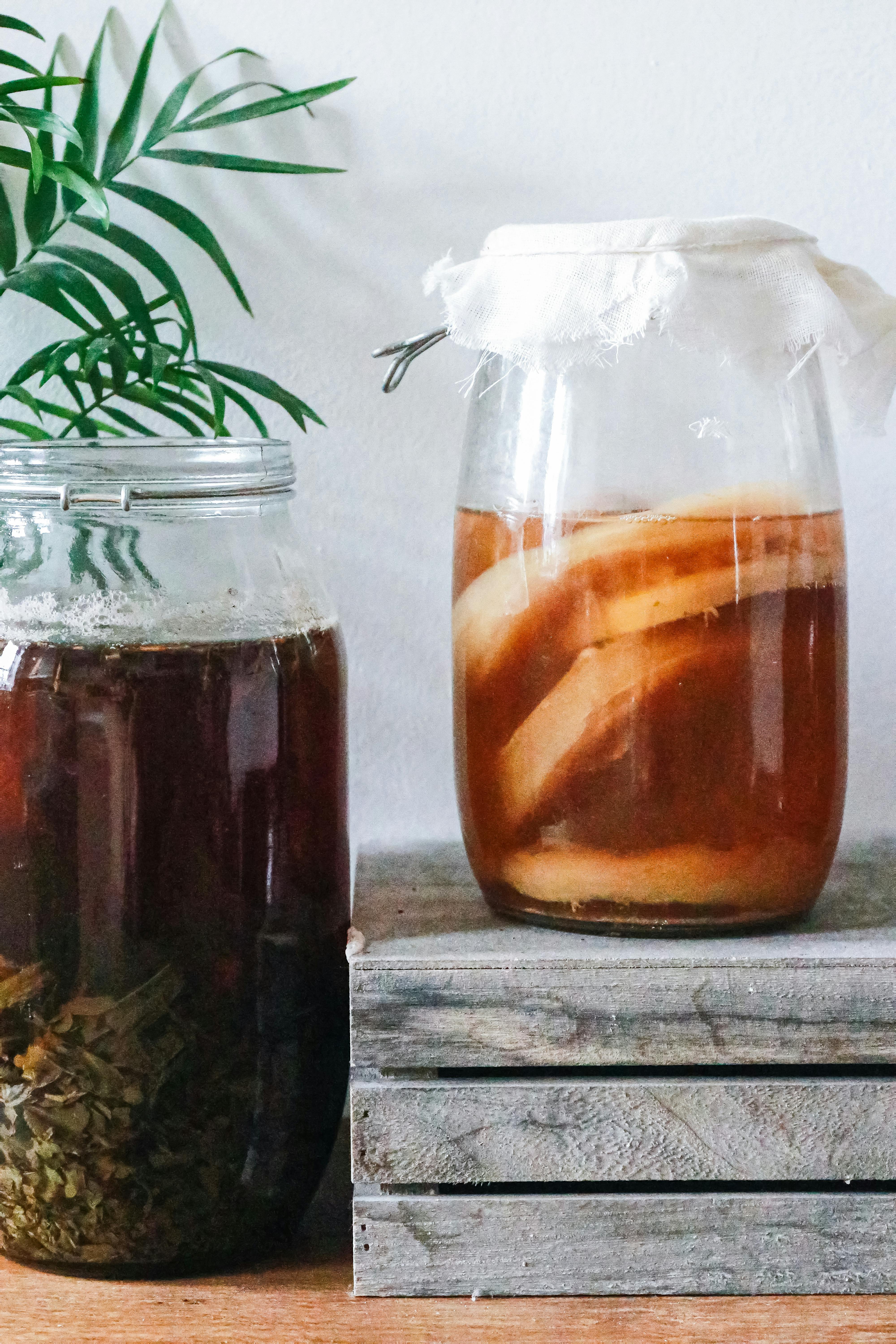
Kombucha sounds advanced until you realize it is mostly sweet tea, time, and a SCOBY doing what it does best. Brew tea, add sugar, combine it with starter liquid and the culture, and let it ferment in a jar covered with cloth. That is the basic rhythm.
This ferment is especially appealing if you want a homemade drink rather than a condiment. As the yeast and bacteria work together, the tea becomes tart, lightly fizzy, and far less sweet than it started. In a tight kitchen, a single jar is enough to learn the process. Once you understand the flavor curve, you can bottle it plain or with fruit for more sparkle.
Sourdough Starter
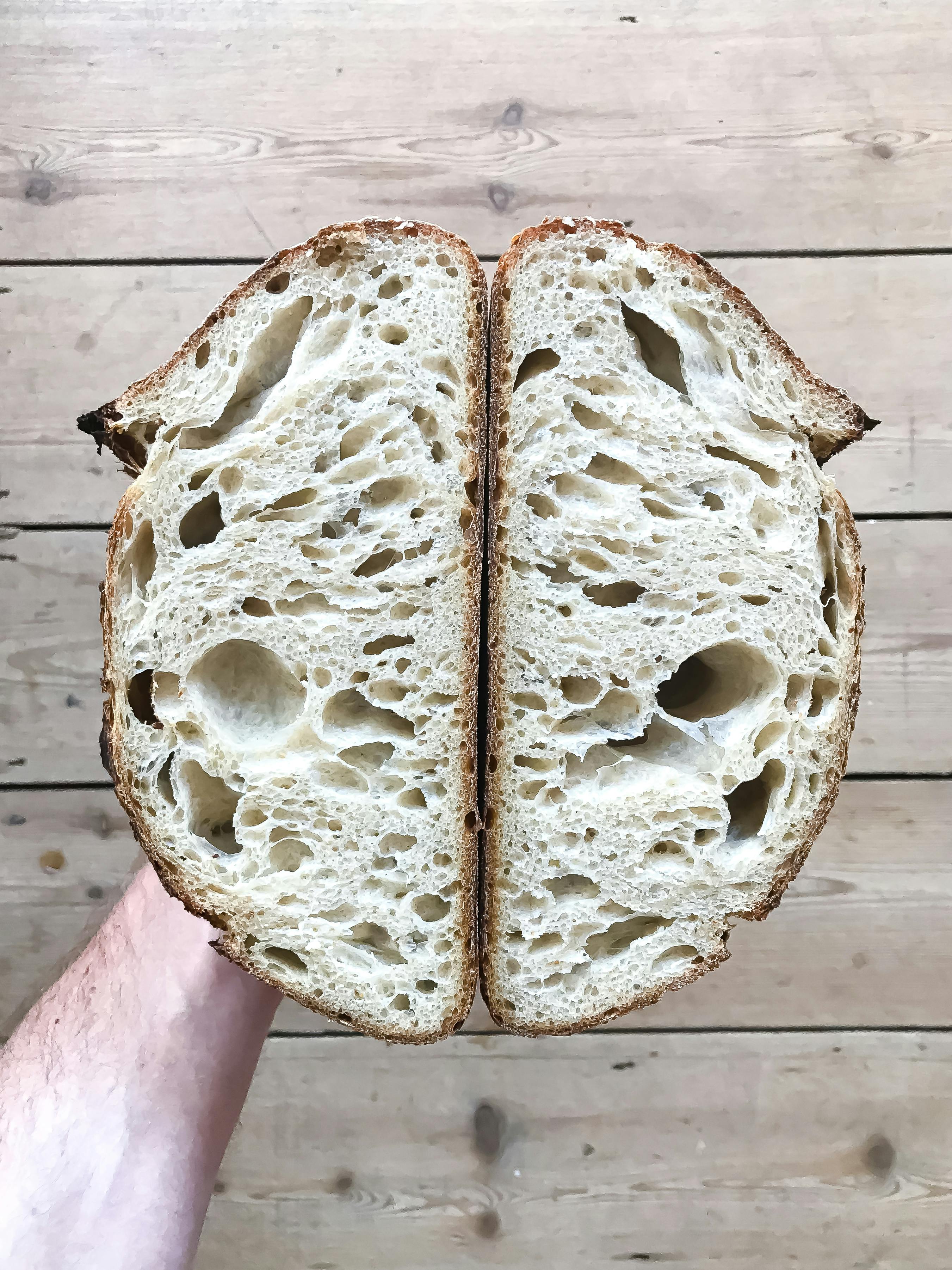
Flour and water may not look exciting on day one, but a sourdough starter is a living ferment that teaches patience in a very direct way. With regular feeding, wild yeast and bacteria begin to colonize the mixture, creating bubbles, aroma, and the power to raise bread.
This is a particularly good project for a small kitchen because the equipment list is almost laughably short. A jar, a spoon, and a bit of consistency are enough to begin. The starter changes daily, which helps beginners learn how fermentation looks and smells over time. Even before your first loaf, the process itself makes your kitchen feel more active and alive.