
Some of the most recognizable restaurant chains in North America did not begin in the United States. These eight brands all started in Canada, and their origin stories show how local ideas, regional tastes and a few smart business moves turned into major chains.
Boston Pizza
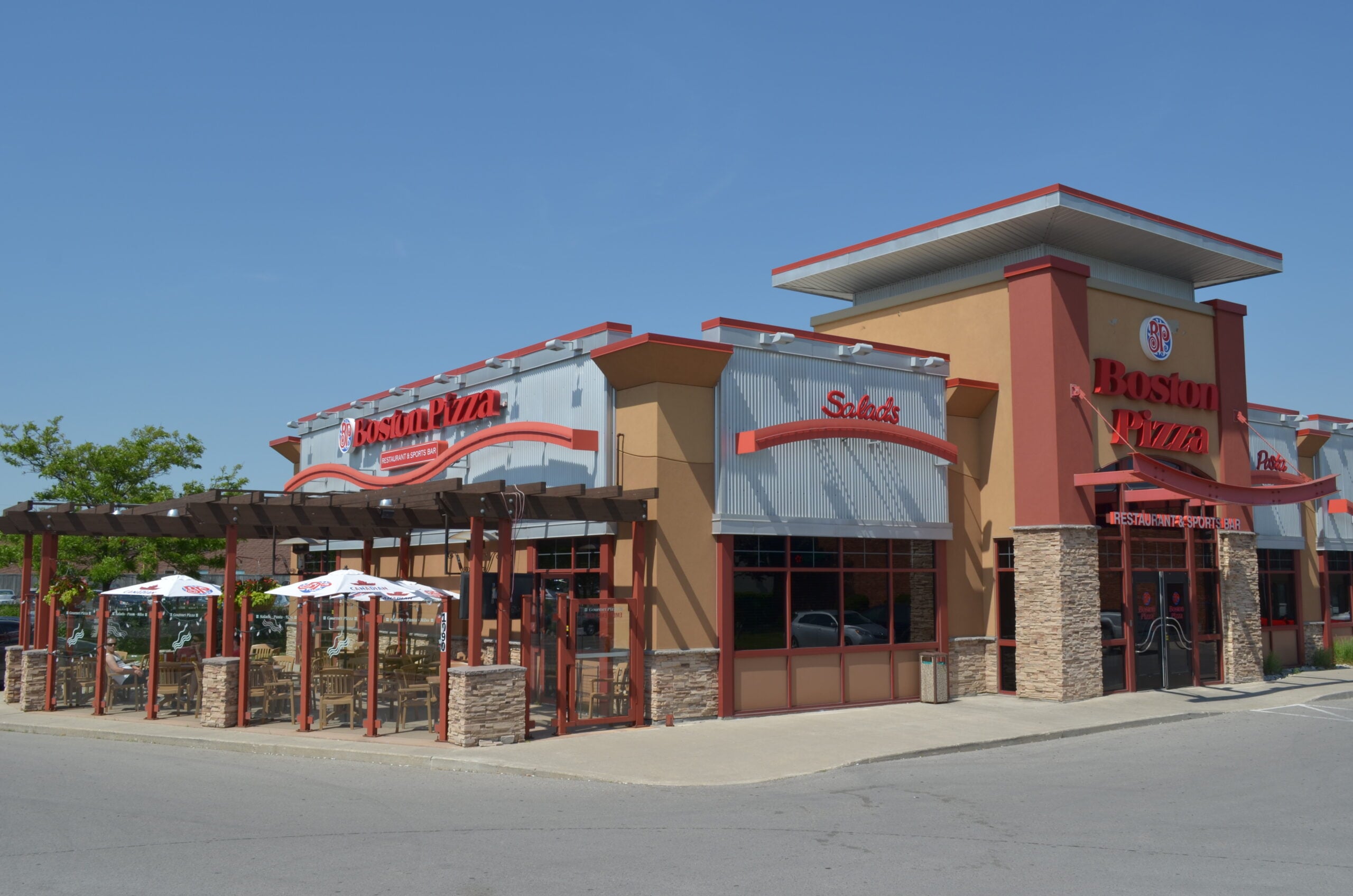
Boston Pizza sounds unmistakably American, but it actually began in Edmonton, Alberta, in 1964. The first restaurant was opened by Greek immigrant Gus Agioritis, who started with a single pizza and spaghetti house that eventually grew into one of Canada's best known casual dining chains.
The name reflected the style of pizza Agioritis wanted to serve rather than the company's actual birthplace. Over time, the menu broadened far beyond pizza to include pasta, sandwiches, burgers and sports bar fare, helping the chain become a common gathering spot in Canadian cities and suburbs.
Boston Pizza later expanded internationally, including into the United States and Mexico, but Canada remained its strongest market. That Canadian foundation is easy to miss because the branding leans heavily on a U.S. city name that suggests a very different backstory.
Swiss Chalet
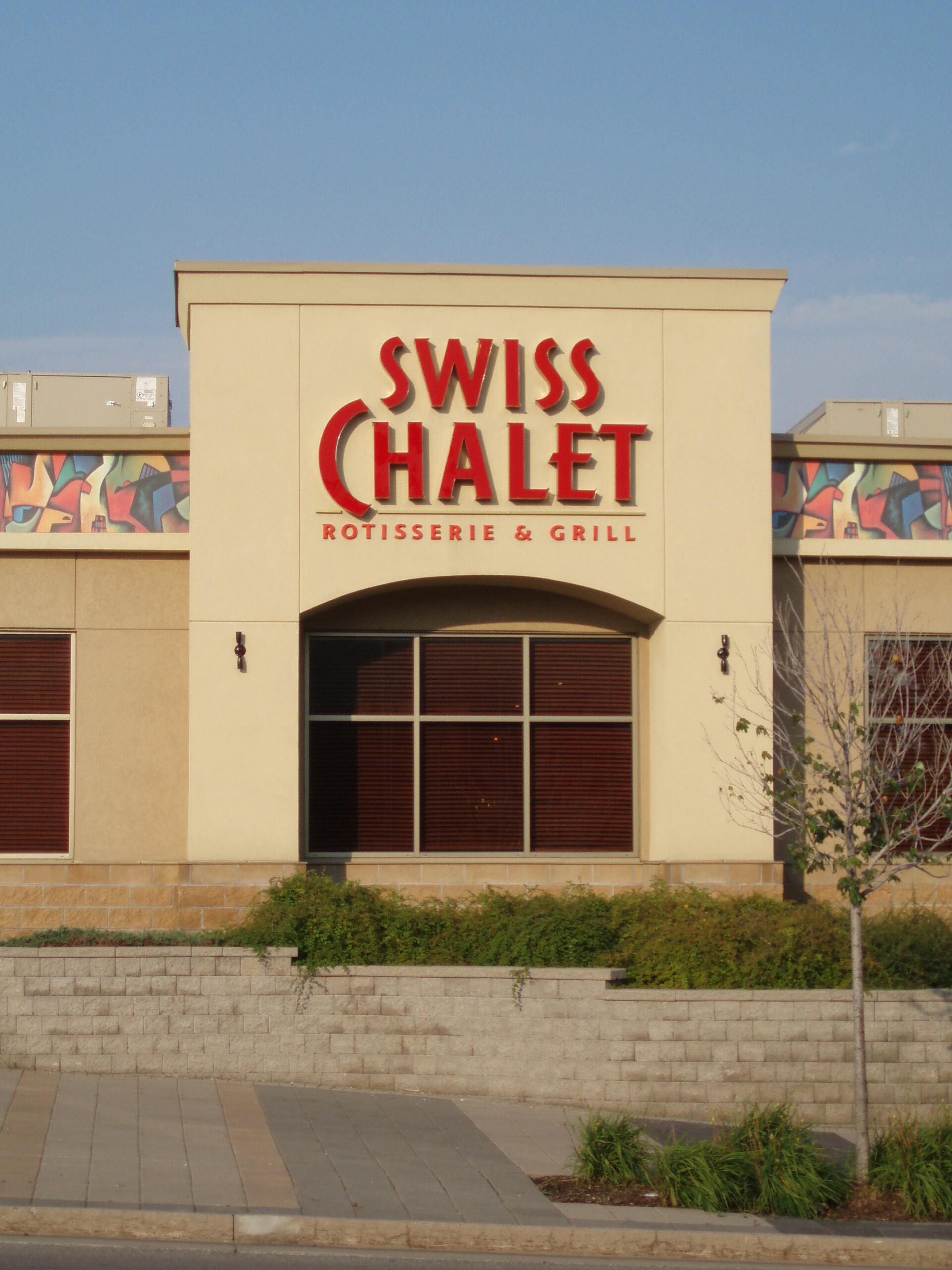
Swiss Chalet is another chain many outsiders might assume came from Europe because of its name and rotisserie image. In fact, it started in Toronto in 1954, when founders Maurice Mauran and his partners opened the first location on Bloor Street West.
The concept centered on rotisserie chicken and ribs, with a chalet themed dining room designed to evoke an Alpine atmosphere. One of the brand's most recognizable menu items became its dipping sauce, often simply called Swiss Chalet sauce, which helped set the chain apart in a crowded family dining market.
Swiss Chalet spread widely across Canada and became especially familiar in Ontario. Even though the décor and name borrowed from Switzerland, the business itself was built as a Canadian restaurant brand aimed at local families who wanted dependable sit down meals at accessible prices.
Harvey's
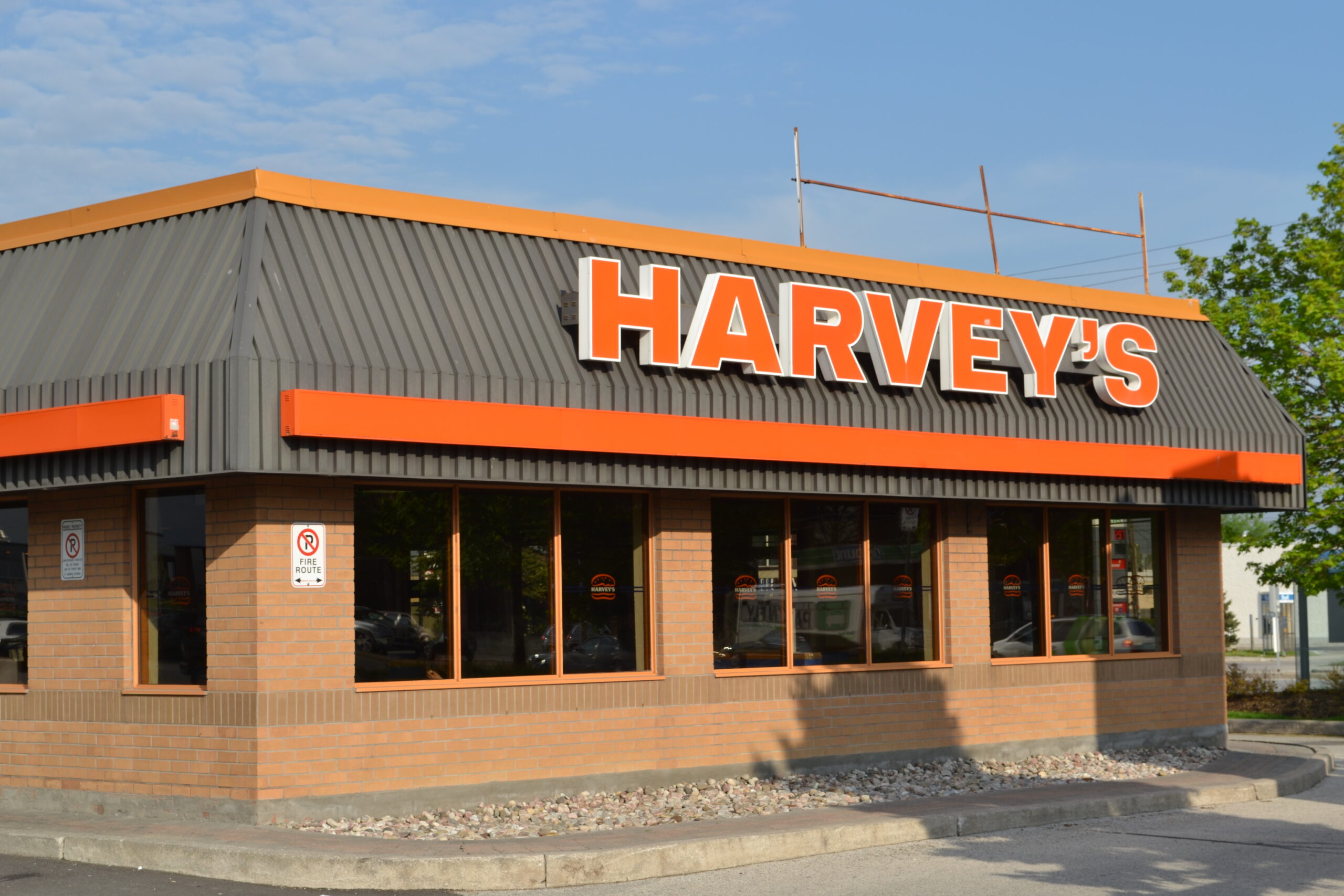
Harvey's began in Richmond Hill, Ontario, in 1959, and it built its reputation around a straightforward but effective idea: burgers made to order. That custom approach became a defining feature of the chain, letting customers choose toppings after the burger was cooked.
The first Harvey's was opened by Richard Mauran, and the chain eventually grew into one of Canada's prominent fast food burger brands. Its open flame grilled burgers helped distinguish it from competitors, especially at a time when speed and uniformity often mattered more than customization.
What makes Harvey's notable in this list is how strongly it stayed tied to Canadian dining habits even as American burger chains dominated the continent. It carved out space by offering familiarity with flexibility, giving customers a fast meal that still felt a little more personal.
New York Fries
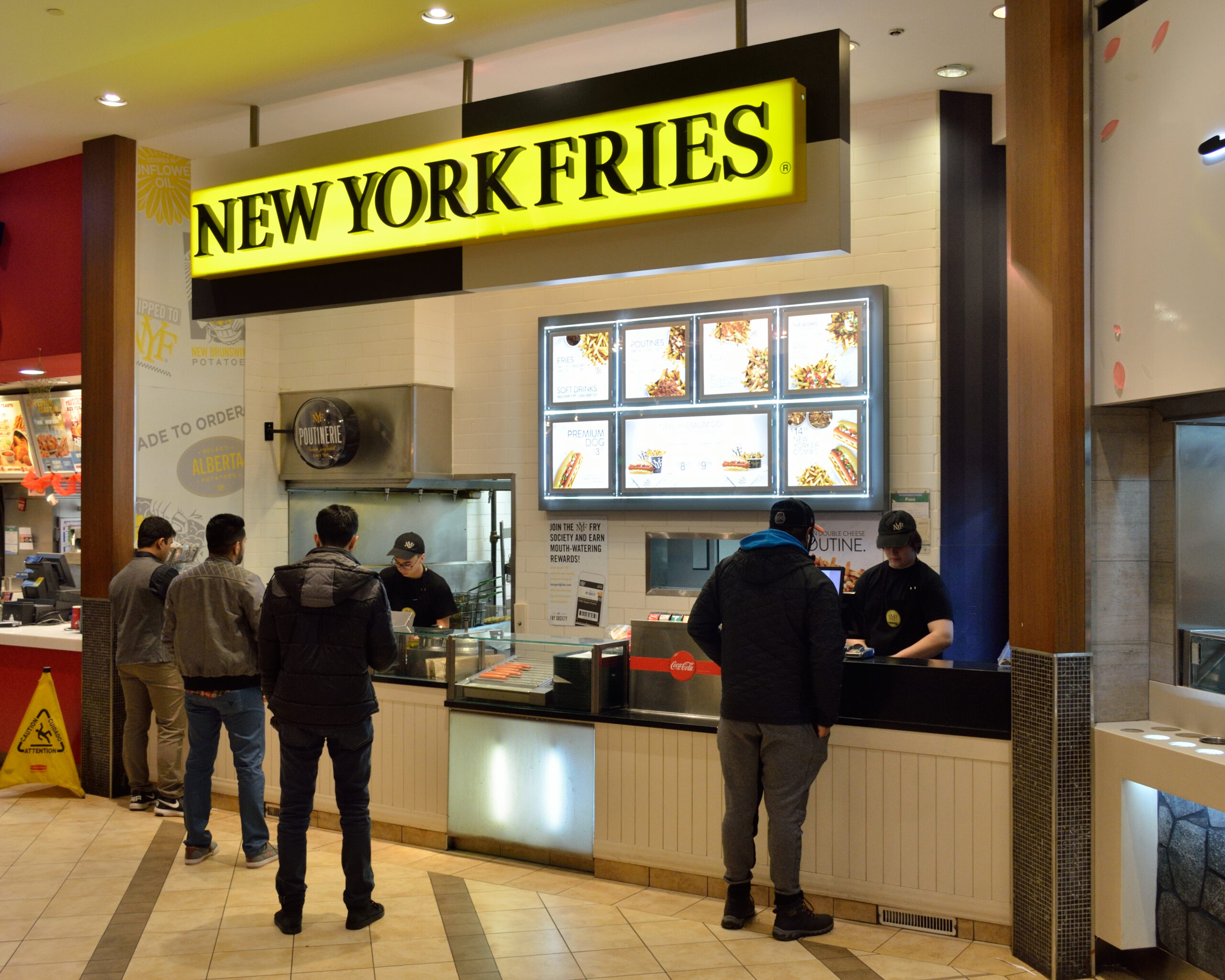
New York Fries is a Canadian company with a name that sends many people in the wrong direction. The brand was founded in 1983 in Toronto by Jay Gould and Hal Gould after they were inspired by fries sold from a stand on New York City's South Street Seaport.
Instead of copying the full restaurant model, they focused tightly on fresh cut fries and a simple menu suited to shopping malls and high traffic retail spaces. That format helped the chain grow in Canada, where it became known for fries topped with gravy, cheese sauce and other add ons.
Its branding borrowed the energy of New York, but the business itself was built and scaled in Canada. That contrast is part of what makes the chain memorable: it sells a food associated with an American city, yet its corporate roots and early growth story are distinctly Canadian.
Mr. Sub
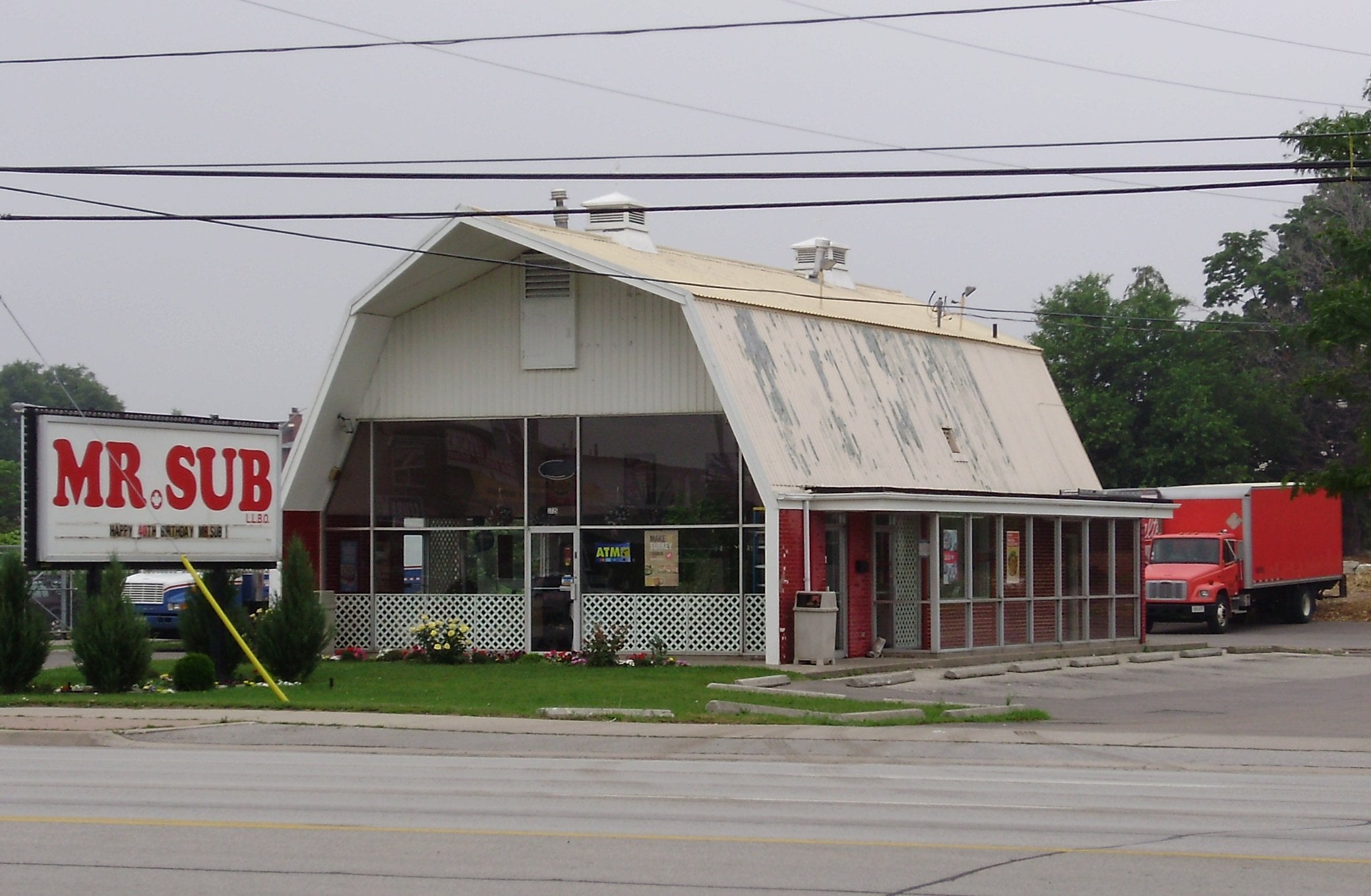
Mr. Sub started in Toronto in 1968, making it one of Canada's early major submarine sandwich chains. The company was founded by Jack Levinson and Earl Linzon, who opened the first store under the name Mr. Submarine before later shortening it to Mr. Sub.
The chain grew during a period when quick service sandwich shops were becoming more common, and it established itself with made to order subs and a broad menu. For many Canadians, Mr. Sub became a familiar alternative to U.S. based sandwich brands that arrived later.
Its Canadian start is easy to overlook because the submarine sandwich is so often linked with American fast food culture. Still, Mr. Sub helped shape the category in Canada and built a national presence from a local Toronto beginning.
Second Cup
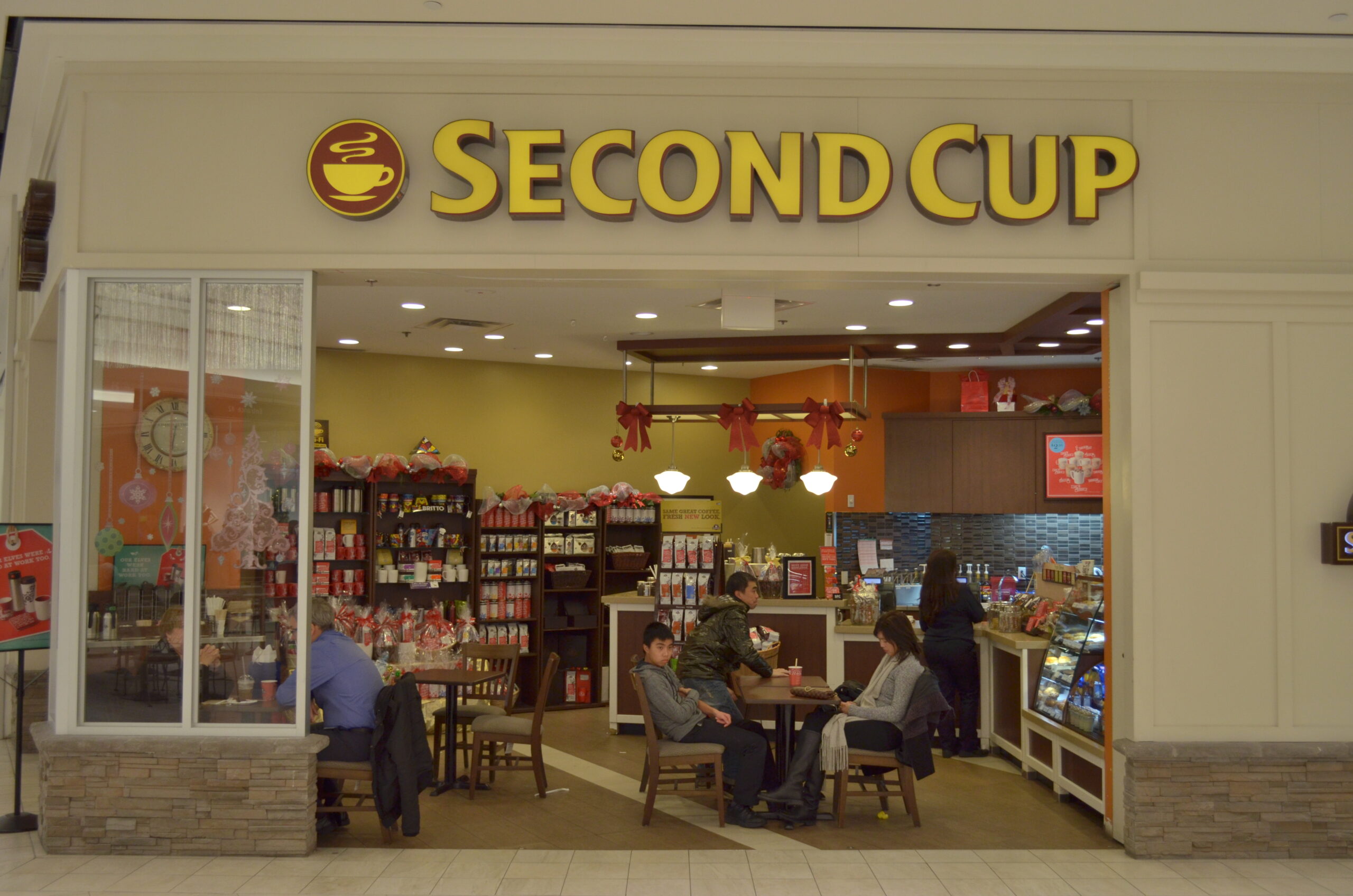
Second Cup did not start as a full restaurant in the traditional sense, but it became one of Canada's most recognizable café chains. It was founded in Toronto in 1975, when Tom Culligan and Frank O'Dea opened the first location with a focus on specialty coffee.
That was a notable idea for the time, because premium coffee culture had not yet become as widespread in North America as it would later be. Second Cup introduced many customers to espresso based drinks and café style service before large global coffee chains became dominant in the market.
Its Canadian roots matter because they show that demand for upscale coffee experiences was already developing locally. The company helped normalize the idea that a coffee chain could offer more than a basic cup of drip coffee, making it an important part of Canada's modern café history.
St Hubert

St Hubert is one of Quebec's best known restaurant brands, and it began in Montreal in 1951. Founder Hélène and René Lévesque opened the first St Hubert on Saint Hubert Street, which gave the company its name and tied it directly to its neighborhood origins.
The chain became famous for rotisserie chicken, fries and its brown dipping sauce, building a loyal customer base in Quebec before expanding into other parts of Canada. It also developed a strong takeout and delivery business, which helped the brand reach homes as well as dine in customers.
For people outside Canada, St Hubert may be less familiar than some other names on this list. Within Canada, though, it stands as a clear example of a regional restaurant concept that grew into a major chain while keeping a strong connection to its place of origin.
Earls
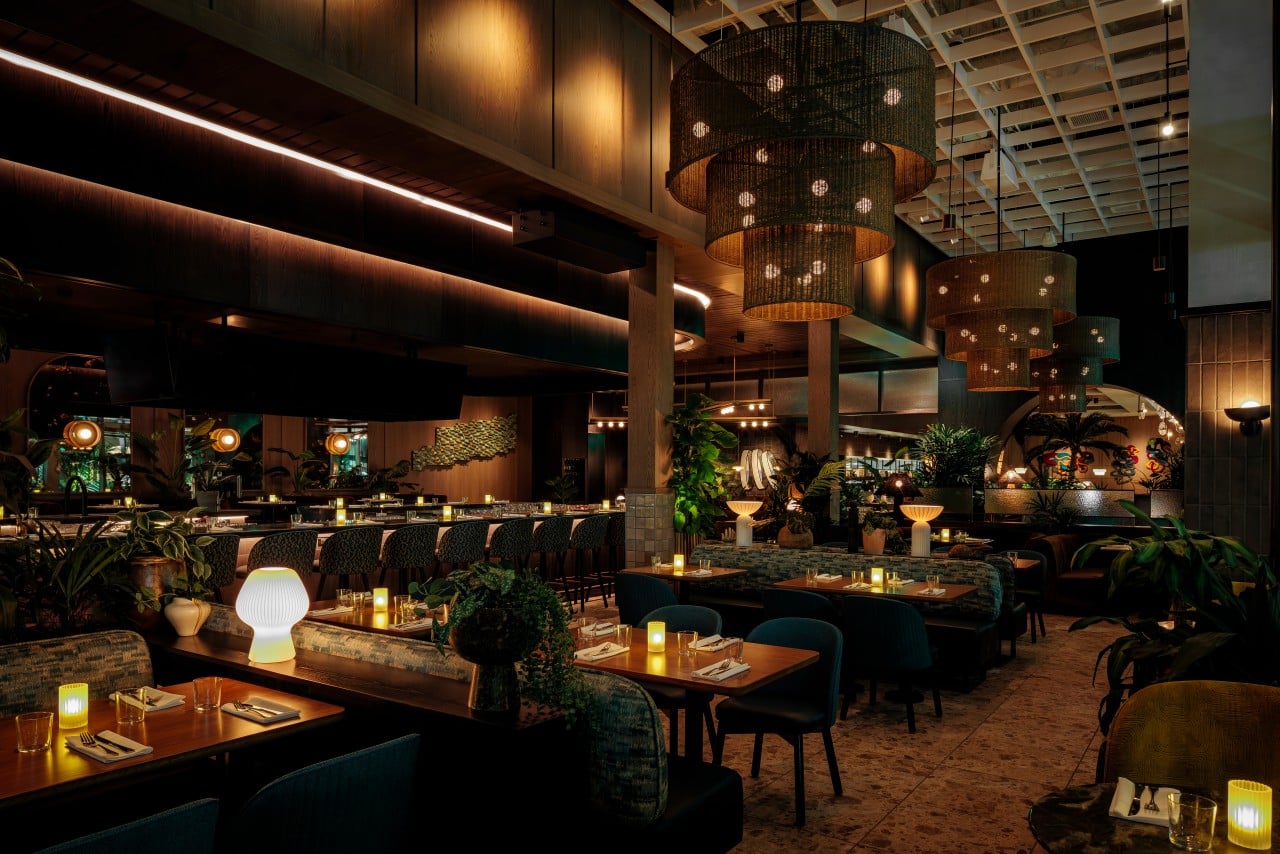
Earls began in Edmonton, Alberta, in 1982, founded by Leroy Earl Fuller and his son Stanley Fuller. Unlike some chains on this list that started with one tightly defined specialty, Earls developed as a casual dining restaurant with a broad menu and an emphasis on atmosphere.
Over time, the chain became known for polished but approachable service, varied offerings and locations designed to feel more contemporary than standard family restaurants. That positioning helped it expand across Canada and into the United States while appealing to diners looking for a more upscale casual experience.
Its Canadian origin is often overlooked because the brand presentation feels international rather than overtly national. Even so, Earls is part of a long Canadian tradition of restaurant companies that scaled successfully by adapting local hospitality ideas into a chain format.


Leave a Reply