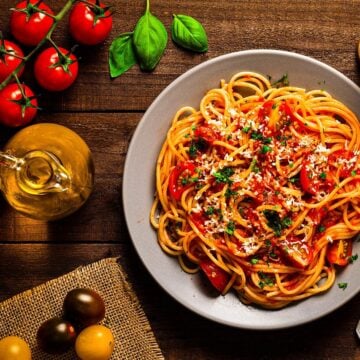
Some dishes are recipes. Others are entire ecosystems of local ingredients, climate, equipment, and habit, which is why they seem to lose something the minute you try to make them at home. This gallery explores eight regional favorites that rarely taste quite right outside their home turf, and the fascinating reasons they remain so tied to place.
New York Bagels
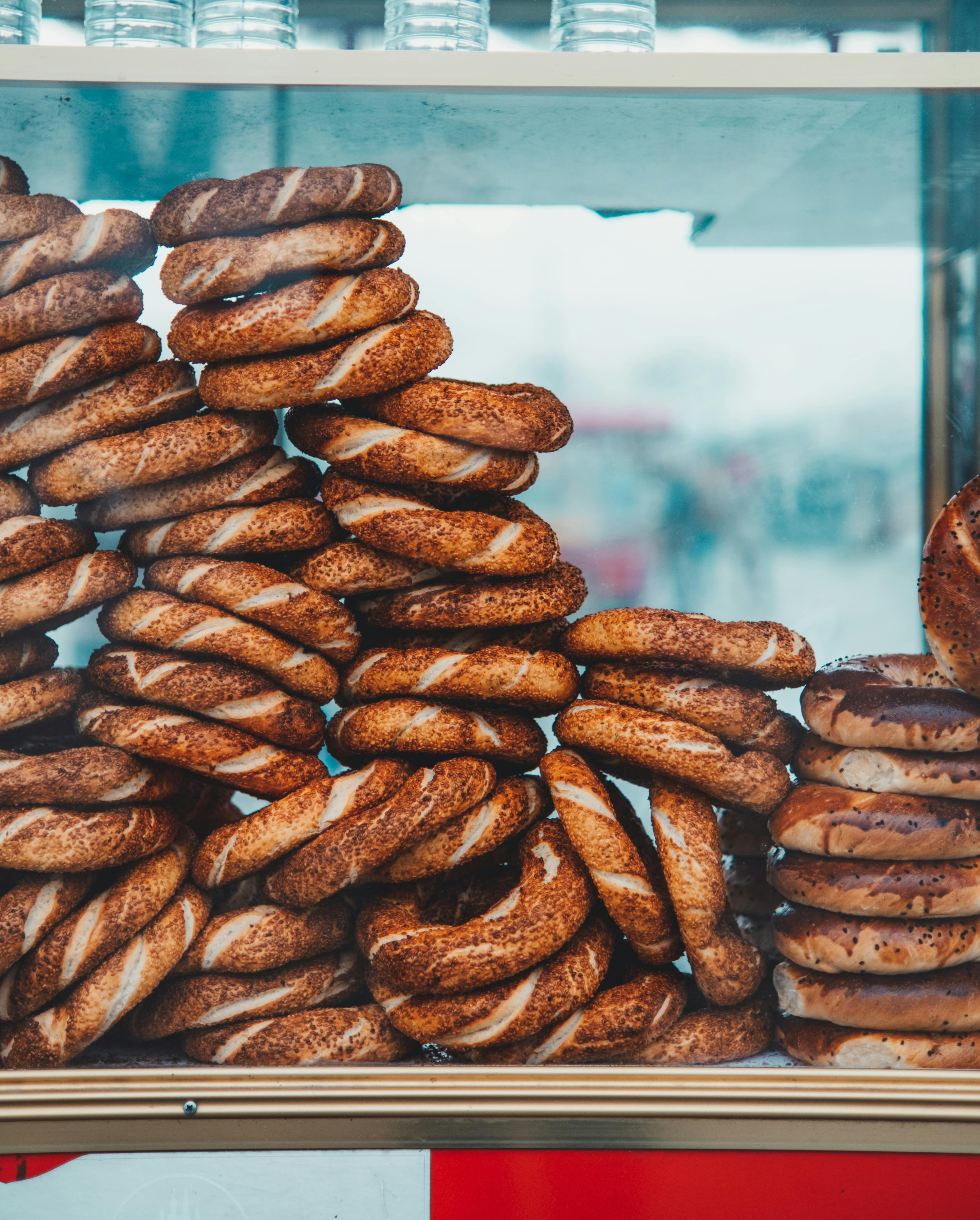
A New York bagel is often treated like a simple bread project, but locals know it is really a texture test. The ideal version has a glossy exterior, a distinct chew, and a dense but not heavy crumb that holds up to cream cheese without turning bready.
Home bakers can get close, yet the result often drifts toward a round roll with a hole. Part of the difference comes from high-gluten flour, boiling technique, fermentation, and deck ovens that generate a particular crust. Water chemistry is often cited too, though many bakers argue process matters just as much. In the end, the city's bagel culture has refined the standard so tightly that imitation is easy, but duplication is not.
Neapolitan Pizza

Neapolitan pizza looks deceptively spare, which is exactly why every detail shows. When the dough, tomatoes, mozzarella, olive oil, and basil are this exposed, there is nowhere to hide a weak ingredient or a slightly off technique.
The biggest gap at home is heat. Traditional pies bake in wood-fired ovens that can top 800°F, creating a puffed, leopard-spotted crust in about 60 to 90 seconds while keeping the center soft and tender. Most household ovens cannot reproduce that balance. Even with pizza steels and careful fermentation, the flavor of the flour, the moisture of the cheese, and the speed of the bake make the original feel tied to Naples in a way that is hard to fake.
Philadelphia Cheesesteaks

The cheesesteak is one of those sandwiches that sounds easy until you actually try to make one. Thin beef, melted cheese, onions, and a roll do not seem complicated, but in Philadelphia the magic comes from how those parts behave together in a matter of minutes.
The bread is the first stumbling block. A proper roll needs enough structure to hold juices and cheese, but enough softness to compress with each bite. Then there is the griddle technique, where shaved ribeye cooks fast, browns lightly, and gets chopped into the cheese instead of sitting on top of it. At home, the meat often overcooks and the bread misses the mark, leaving you with a decent sandwich that still does not eat like the real thing.
Texas Barbecue Brisket
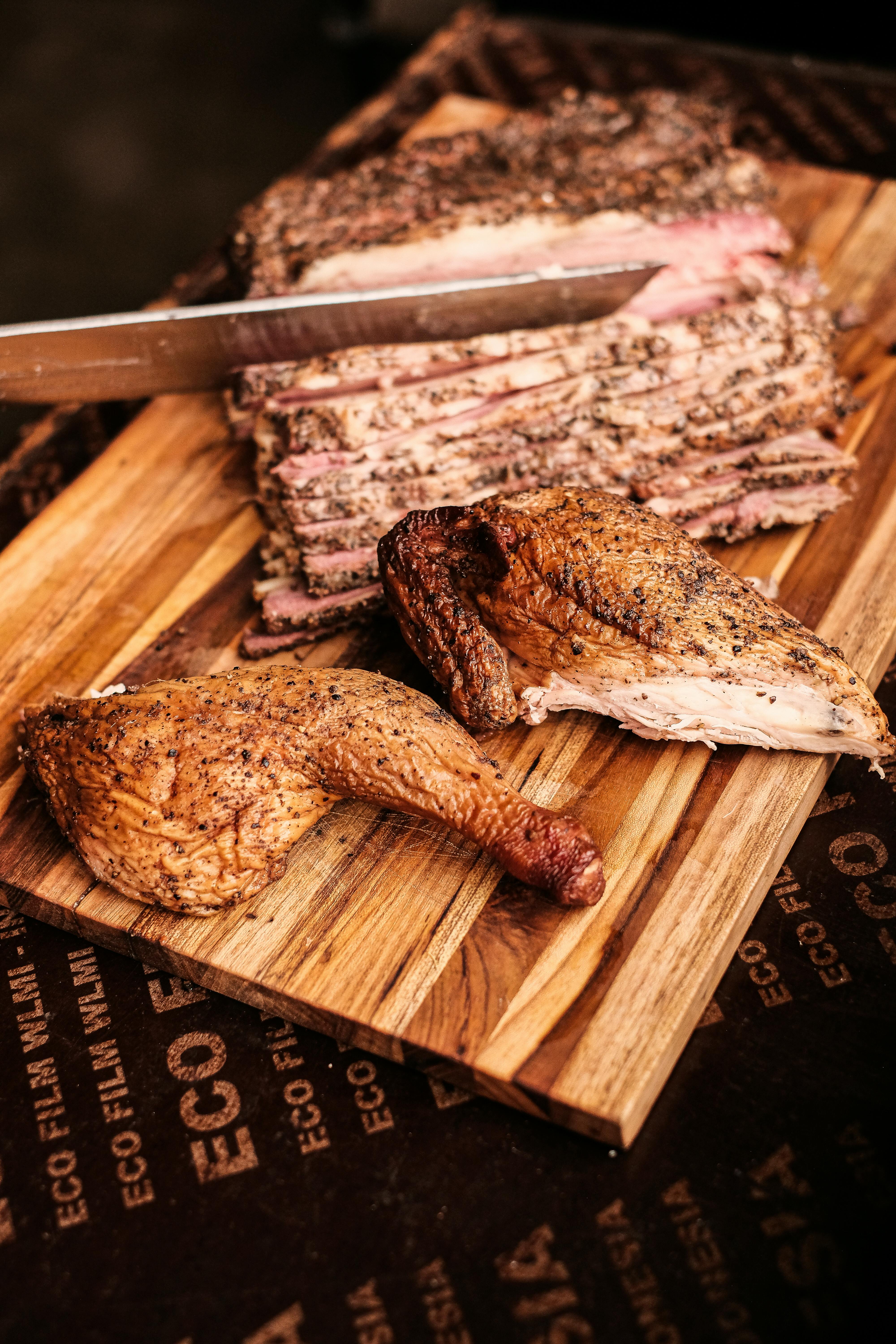
Texas brisket is not just smoked beef. It is a patient exercise in fire control, airflow, rendered fat, and timing. The finished slice should be smoky, peppery, and tender enough to pull apart, yet still firm enough to hold its shape without turning mushy.
That balance is brutally hard to achieve in a backyard setup. Pitmasters work with offset smokers, seasoned wood, and years of instinct about temperature swings, bark formation, and resting time. The meat itself matters too, especially fat distribution and trimming. Home cooks can produce excellent barbecue, but brisket is a long game where tiny errors stack up over 10 to 16 hours. That is why the best versions still feel inseparable from central Texas smokehouses.
Montreal Poutine
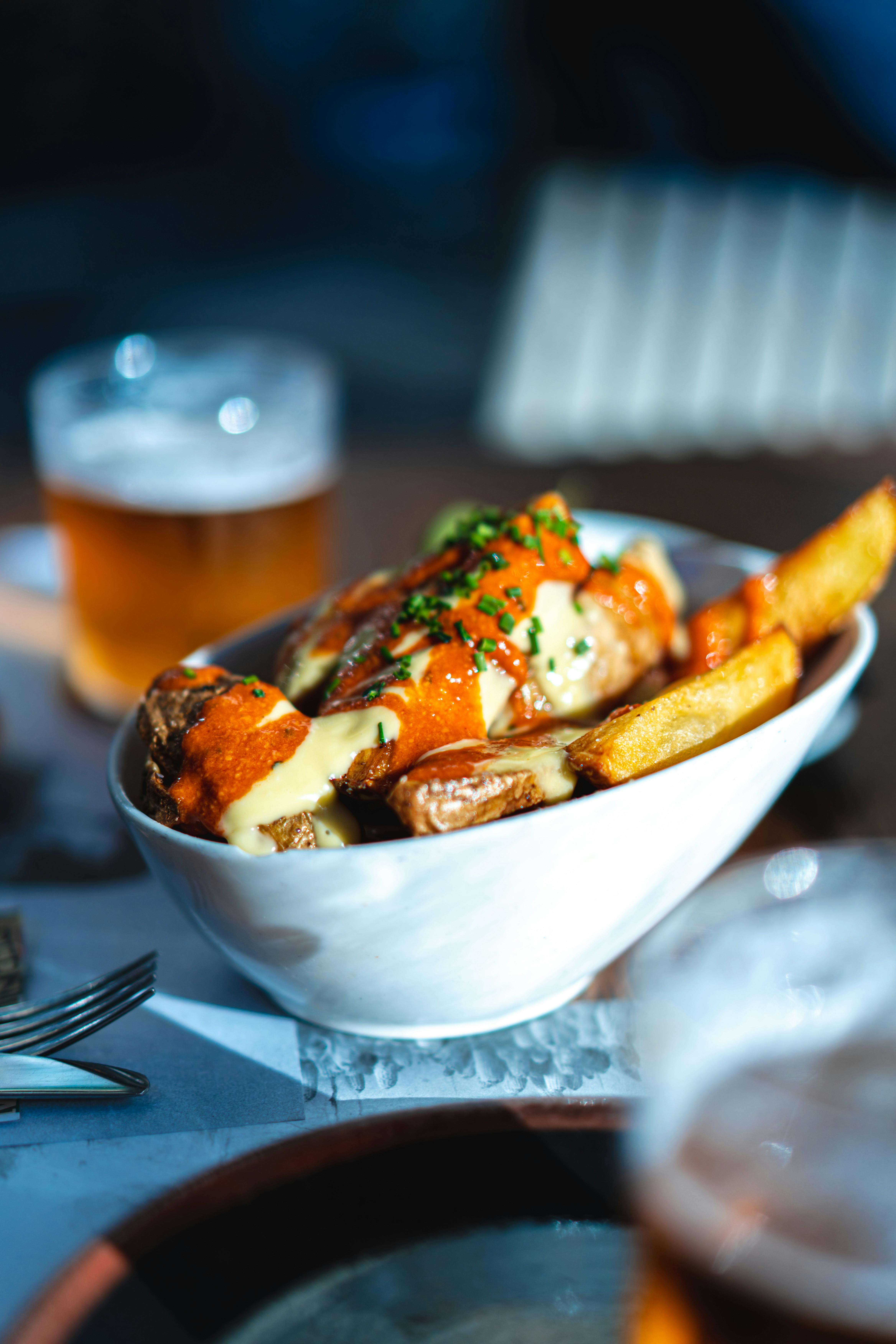
Poutine is often reduced to fries, gravy, and cheese curds, but the real dish depends on temperature and timing more than people expect. The fries need to stay crisp at the edges while soaking up gravy, and the curds should soften slightly without fully melting into a uniform sauce.
Outside Quebec, one missing piece is usually the curds. Fresh cheese curds have a springy texture and a faint squeak that changes the whole experience, and they are best when extremely fresh. Then there is the gravy, which should be savory and glossy rather than heavy and muddy. At home, the fries can steam too quickly and the curds can disappear. You still get comfort food, but not the lively contrast that makes a great Montreal-style poutine so specific.
Louisiana Gumbo

Gumbo has a way of telling on the cook. It asks for patience, judgment, and a feel for balance that does not always fit neatly into a written recipe. The dish can include seafood, sausage, chicken, okra, or filé, but what matters most is the depth built from the roux and the stock.
Many home versions stumble at the foundation. A proper dark roux needs careful cooking to reach a deep, nutty flavor without tipping into bitterness, and that alone changes the entire pot. Regional habits also matter, from the spice profile to whether the gumbo leans coastal or country. In Louisiana, local seafood, smoked sausage, and long family practice shape the bowl. Elsewhere, it often becomes a respectable stew that misses gumbo's layered soul.
Maine Lobster Roll
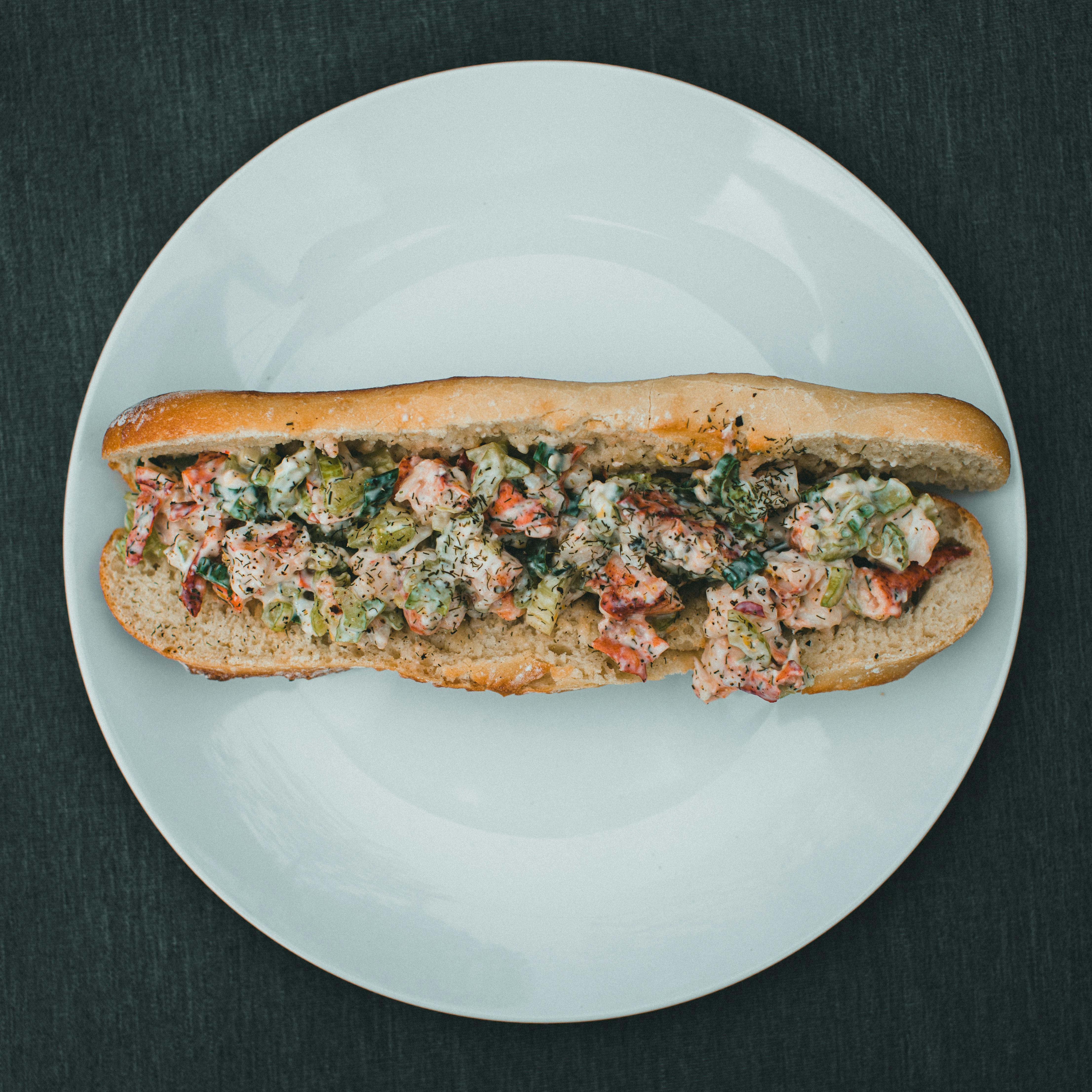
The best Maine lobster roll proves that restraint can be harder than complexity. There are only a few elements on the plate, so the sweetness of the lobster and the feel of the bun have to be absolutely right from the first bite.
Freshness is the dividing line. Lobster that is cooked, chilled, and dressed close to the source has a clean, briny sweetness that fades with time, even when handled well. The bun matters too, especially the classic split-top style toasted in butter until the edges turn crisp and golden. Home cooks can mimic the assembly, but geography still wins. When you are eating it near cold Atlantic waters with recently landed lobster, the flavor is brighter, cleaner, and far harder to reproduce inland.
Chicago Deep-Dish Pizza
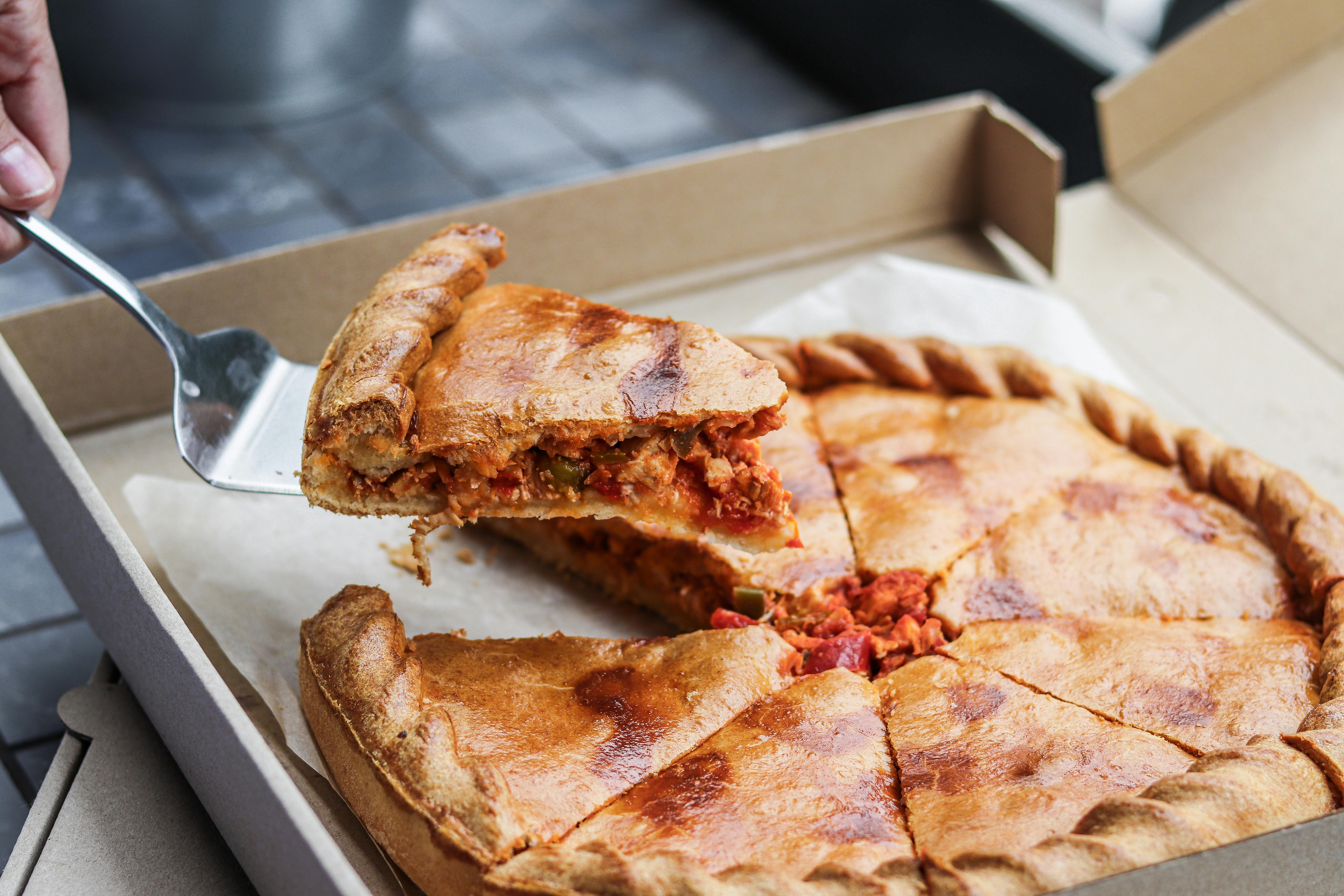
Chicago deep-dish is not simply thick pizza. It is its own structure, built like a savory pie with tall sides, a buttery crust, generous cheese, and a chunky tomato layer that has to cook into harmony instead of collapsing into soup.
At home, the crust is usually where things drift. It needs a tender, rich bite with enough strength to support the filling, and the pan plays a major role in how it browns and sets. Then there is the bake time, which must cook the center thoroughly without scorching the edges. Commercial kitchens know how to balance dough, moisture, and oven behavior for that dramatic slice. A homemade version can be delicious, but the original has a heft and precision that is surprisingly difficult to duplicate.